
-
Read 464
-
0
-
Part 25
Completed, First published Mar 02, 2026
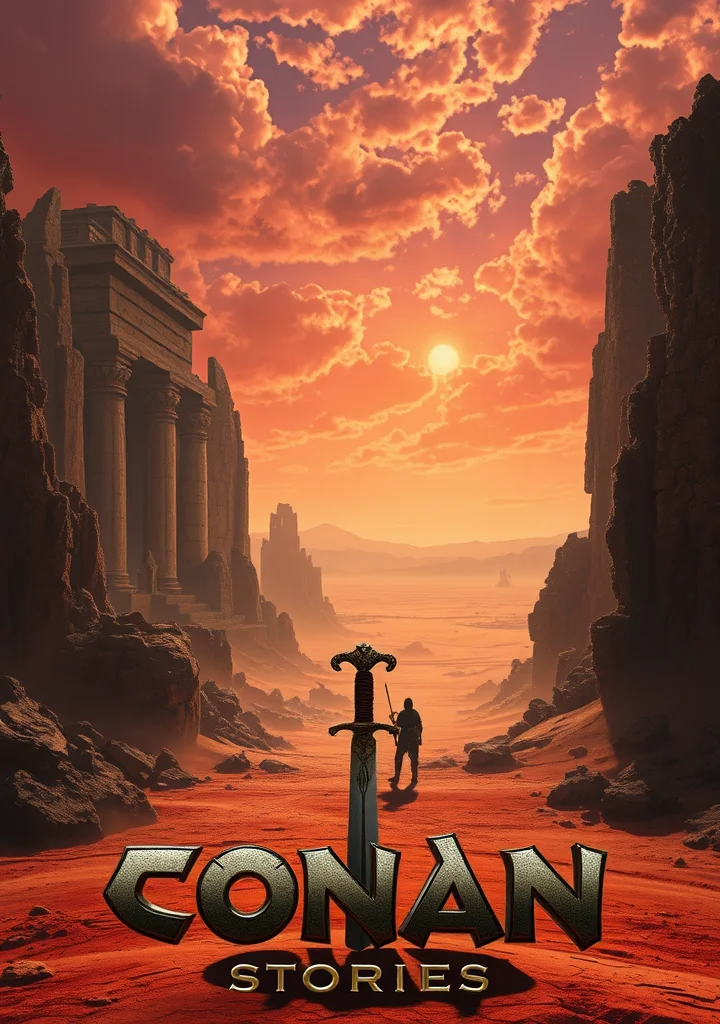
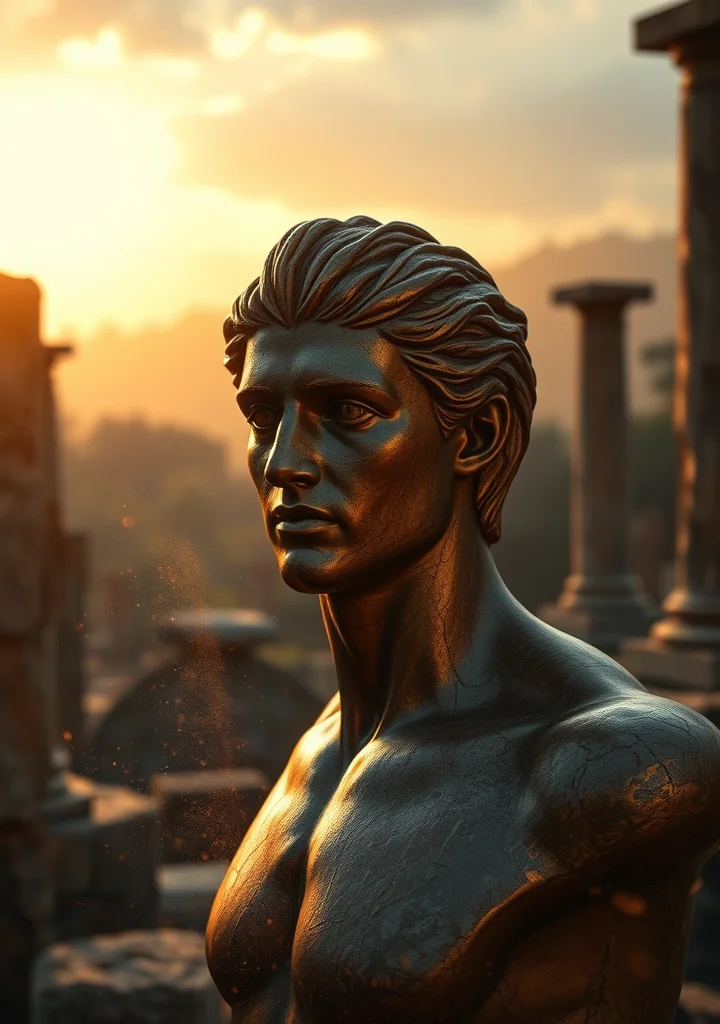
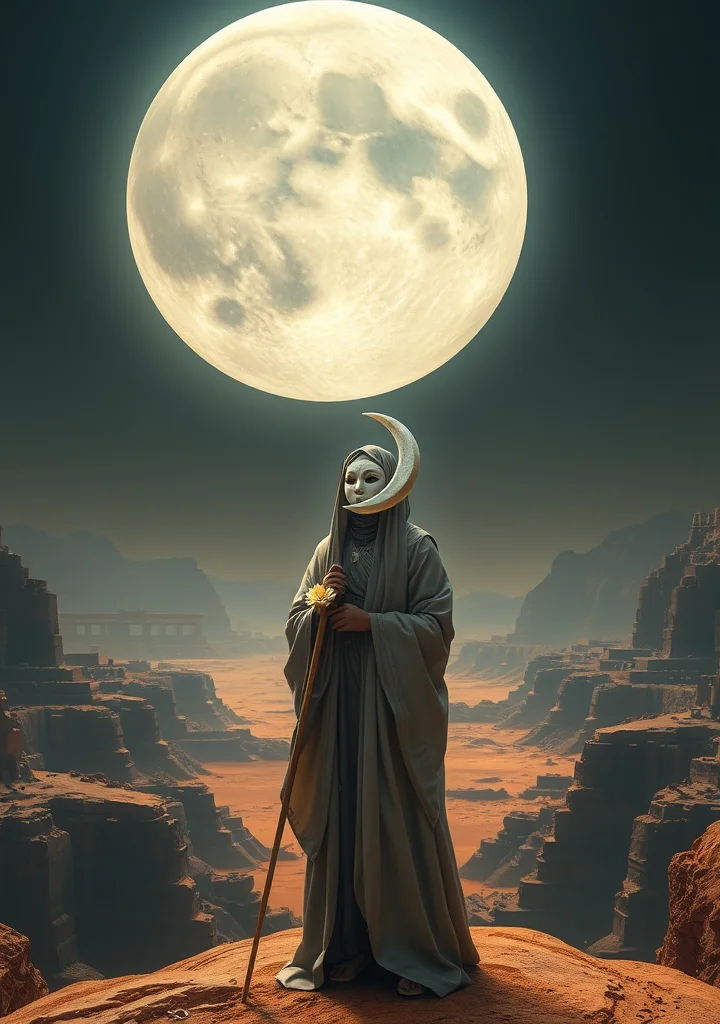
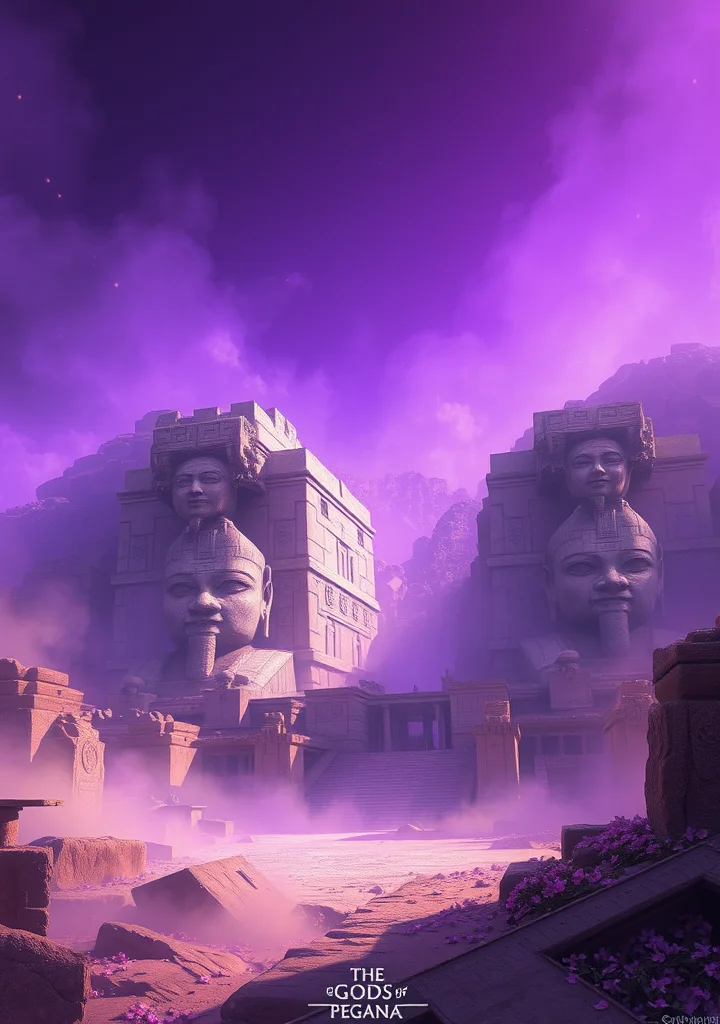
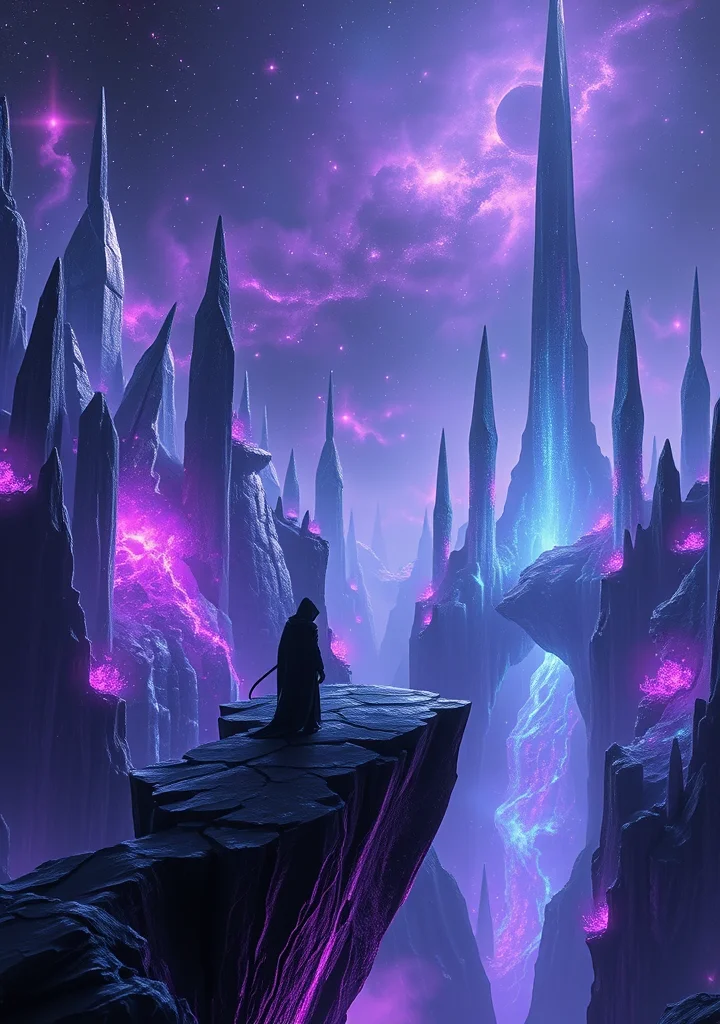
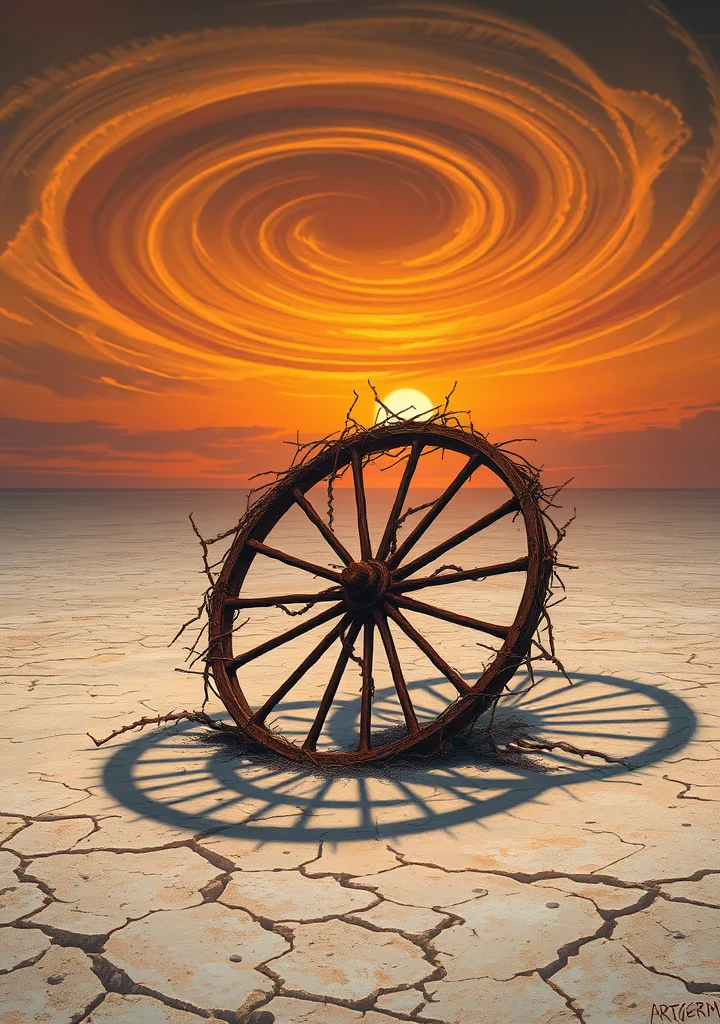
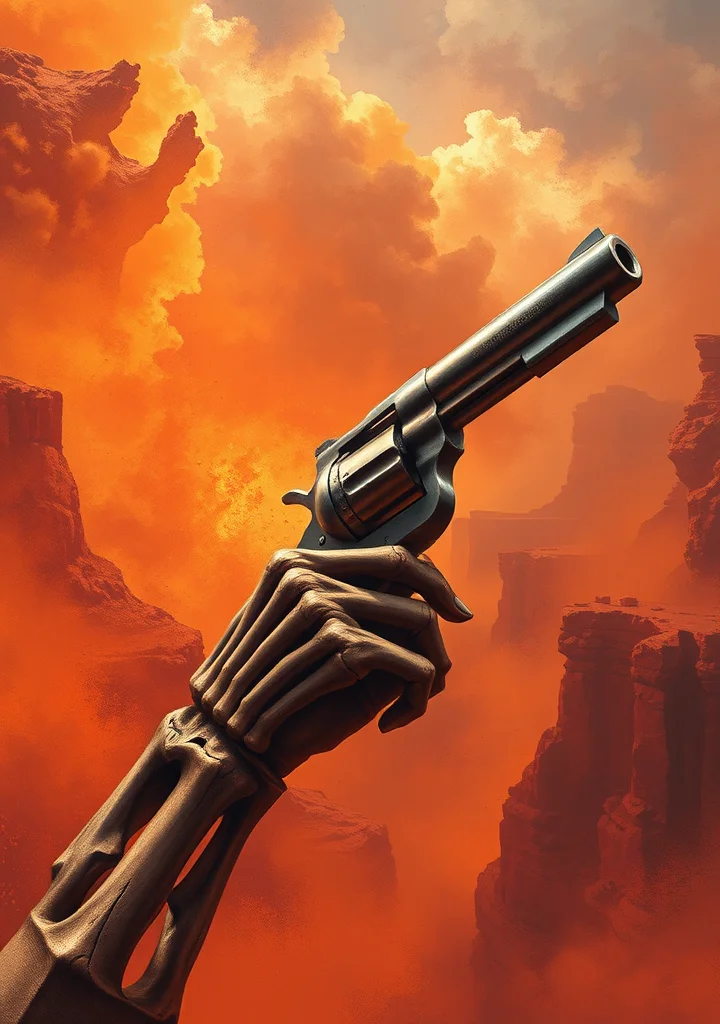
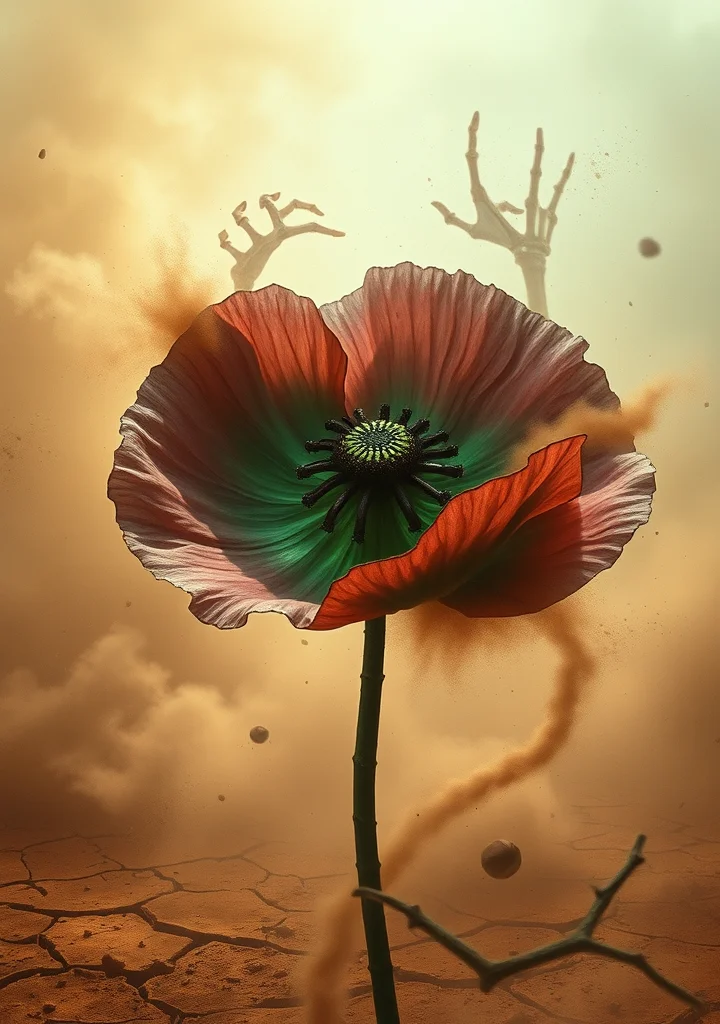
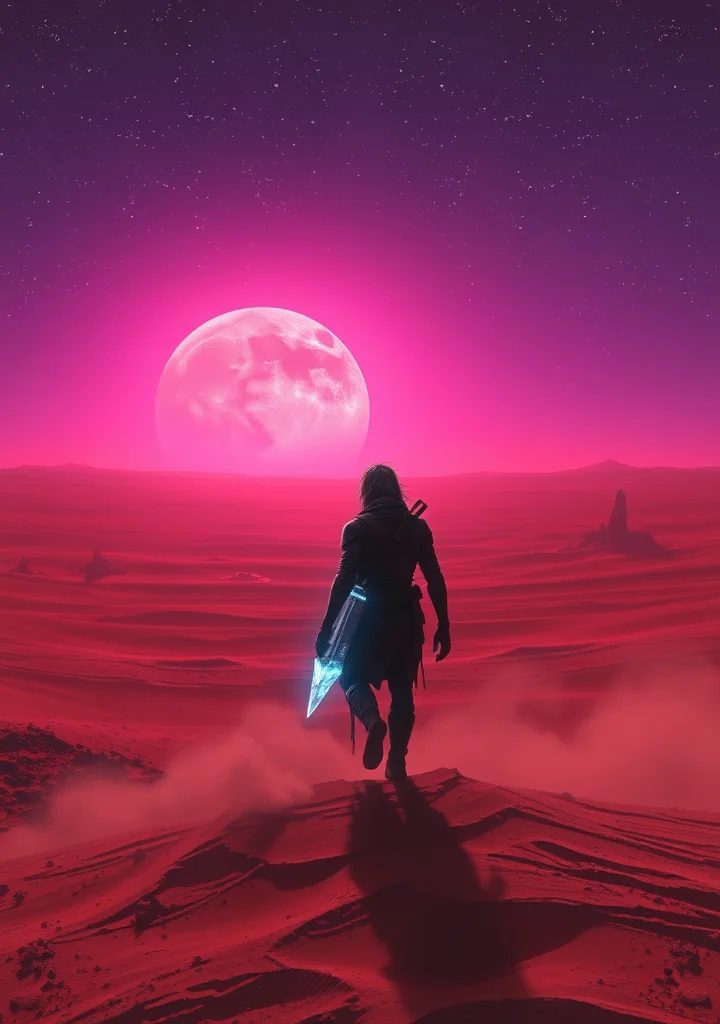
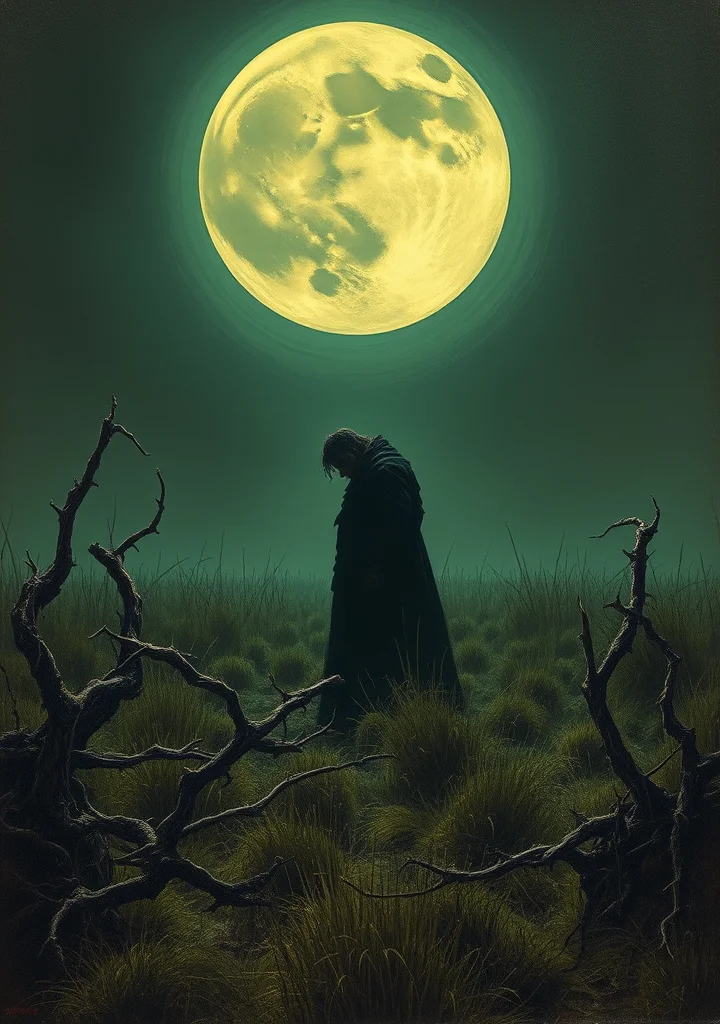
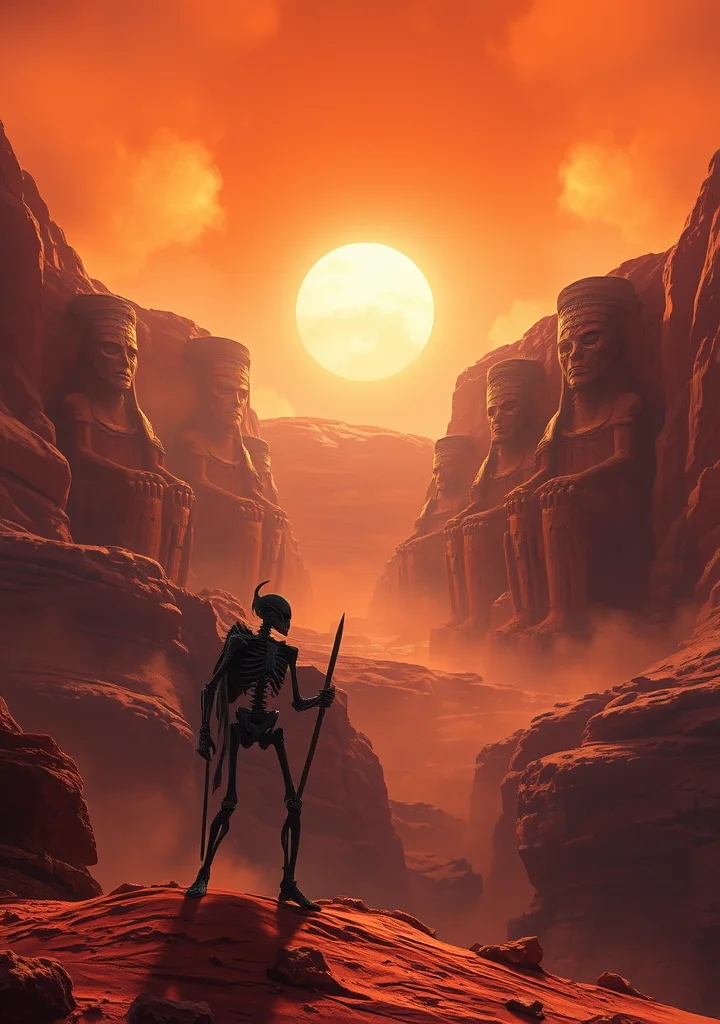
Dust-choked canyons bleed crimson under a dying sun. Here, beneath the ochre skies of a forgotten god, a civilization of sculpted bone and decaying splendor clings to life. Burroughs’ Mars is not a land of romantic conquest, but a tomb-world haunted by the echoes of a vanished race. The Tharks, gaunt and spectral, stalk the barrens, driven by ritualistic hunger and shadowed by the remnants of their ancient, colossal makers. Within crumbling cities carved into the very rock, whispers of a past cataclysm linger—a betrayal amongst the gods themselves. John Carter finds himself caught in a web of ancient feuds, where honor is measured in the weight of severed limbs, and salvation is a hollow promise etched in the dust. The air is thick with the scent of decay, the silence broken only by the rasp of wind through empty eye sockets of forgotten statues. This is a Mars where the line between salvation and damnation is a whisper of sand, where the gods themselves have fallen to rot, and the only certainty is the slow, inexorable march towards oblivion beneath a bruised and bleeding sky. It’s a landscape of bone-white despair, haunted by the ghosts of a fractured past, where every sunrise heralds another day of unraveling beneath the gaze of cold, alien stars.
Copyright: Public Domain
This license allows anyone to use your story for any purpose, including printing, selling, or adapting it into a film freely.
This license allows anyone to use your story for any purpose, including printing, selling, or adapting it into a film freely.
More like this