
The Starvel Hollow Tragedy
  • 199
  • 0
  • 23
  • Reads 199
  • 0
  • Part 23
Completed, First published Mar 02, 2026

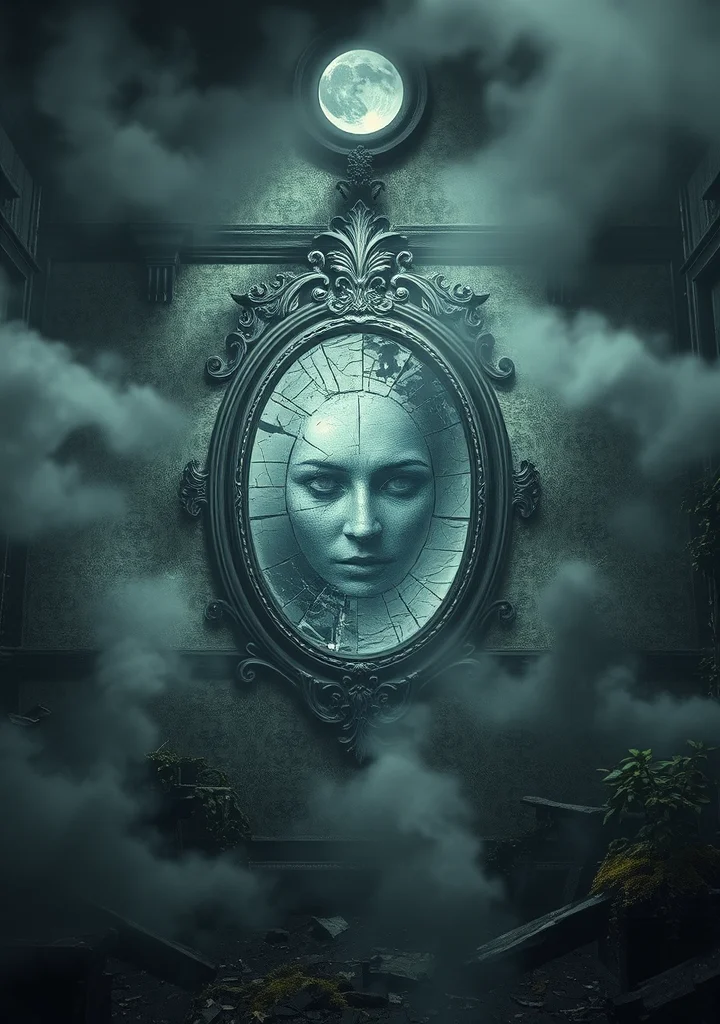
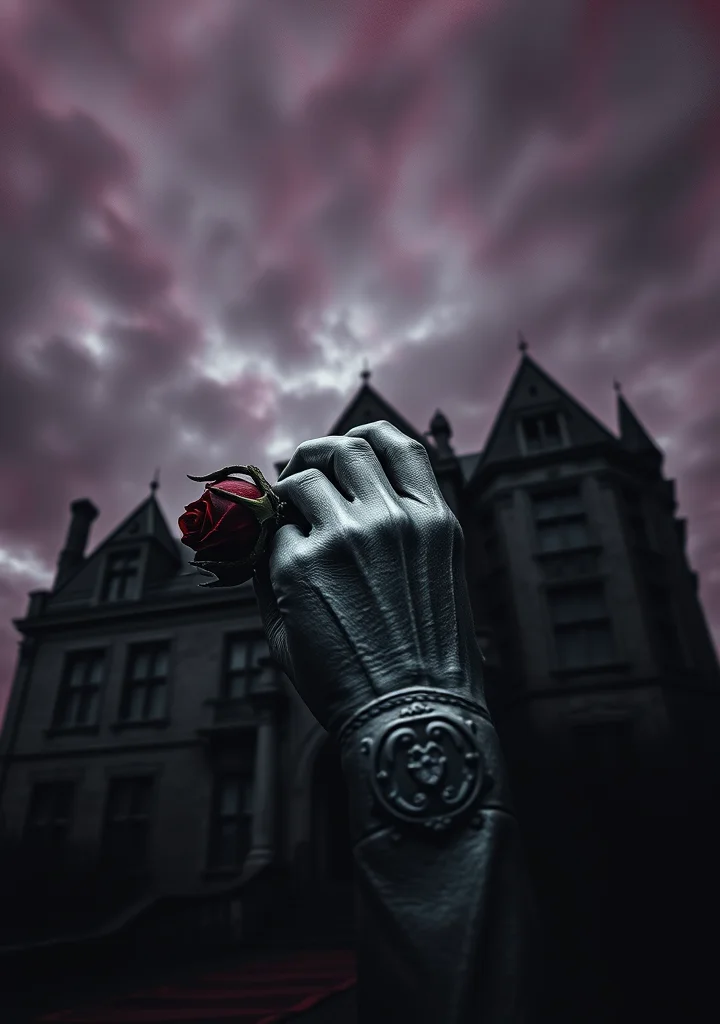
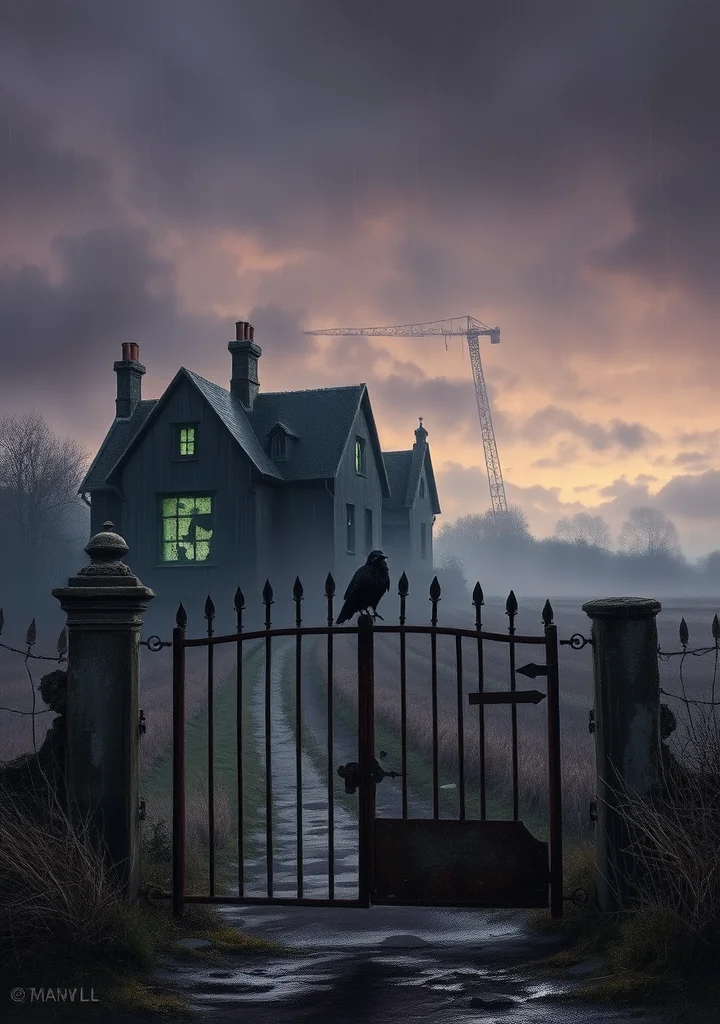
A creeping dread clings to the damp stone of Starvel Hollow. Rain-slicked fields bleed into a perpetual twilight, mirroring the decay within the isolated manor house that dominates the landscape. This is not a tale of grand horrors, but of suffocating suspicion and the slow rot of a family fractured by secrets. The narrative unfolds through a labyrinth of meticulously observed detail, each observation a tightening coil around the throat of the truth. Fog hangs heavy, not just obscuring the distant village, but blurring the lines between witness and accomplice. The tragedy isn't a sudden eruption of violence, but a quiet unraveling, a chilling precision in the unraveling of lives. Every locked door, every misplaced item, every carefully worded statement feels weighted with the unspoken weight of desperation. The hollow itself breathes with a silent, suffocating menace, a place where the past refuses to stay buried, and where the faintest whisper can unravel the fragile composure of those caught within its shadowed embrace. It is a story built not on spectacle, but on the chilling certainty that evil thrives not in darkness, but in the meticulous, mundane order of a life meticulously constructed to conceal its core.

Copyright: Public Domain
This license allows anyone to use your story for any purpose, including printing, selling, or adapting it into a film freely.
Recommended for you
2014 Part
A chill wind whispers through sun-bleached Spanish ruins, carrying the scent of brine and decay. Don Juan is not merely a man, but a shadow stretched long across a continent, a fever dream of indulgence and disillusionment. His journey is one of restless flight, not from justice, but from the suffocating weight of a world built on hypocrisy. Each port, each encounter, peels back another layer of gilded rot, revealing a darkness that clings to him like the salt spray on a decaying mast. The narrative unravels through fractured confessions, a labyrinth of wit and weariness where cynicism blooms like night-blooming cereus. Every smile is a reprieve from a deeper, unspoken grief; every embrace, a fleeting warmth against an encroaching cold. The Mediterranean burns with a feverish brilliance, mirroring the protagonist’s own self-consuming passions, while the echoes of battles – both won and lost – resonate in the hollow chambers of his heart. He drifts through aristocratic salons and Moorish harems, a phantom observer caught between desire and despair. The sea itself seems to conspire with his melancholic fate, drawing him towards a horizon perpetually shrouded in mist. His is a tale of exquisite ruin, where beauty and brutality intertwine, leaving the reader adrift in a sea of unanswered questions and the lingering scent of jasmine and gunpowder. A perpetual twilight clings to his existence, a haunting reminder that even the most dazzling brilliance casts the longest shadows.
21 Part
A suffocating heat clings to the docks of colonial Saigon, thick with the scent of jasmine and decay. The narrative unravels not with grand adventure, but with the stifled desperation of a man purchased – a phantom commodity traded between shadowy brokers. He’s known only as the Passenger, his origins a deliberate erasure etched in the ledger as ‘Ticket No. 9672.’ The air itself feels haunted by the weight of forgotten currencies, of lives quantified and sold. Each chapter is a peeling layer of circumstance, revealing a man consumed by a creeping, nameless dread. He exists in the humid confines of a crumbling mansion, a gilded cage furnished with the whispers of opium dens and the mournful cries of caged birds. His captors are less concerned with his loyalty than his silence—a silence he struggles to maintain as fragments of a former life bleed into the present. The story doesn't soar with rockets to the moon, but spirals downward into the claustrophobic labyrinth of a mind unraveling. The descriptions are saturated with the oppressive weight of velvet drapes, the glint of tarnished silver, and the sickly sweet aroma of rotting fruit. It’s a story of imprisonment not by bars, but by the insidious erosion of memory, the slow suffocation of identity within a system designed to erase every trace of self. The final pages hint at a reckoning not of escape, but of acceptance, as the Passenger discovers he's not merely owned—but *constructed* by the very forces he seeks to defy.