
-
Read 210
-
0
-
Part 11
Completed, First published Mar 02, 2026
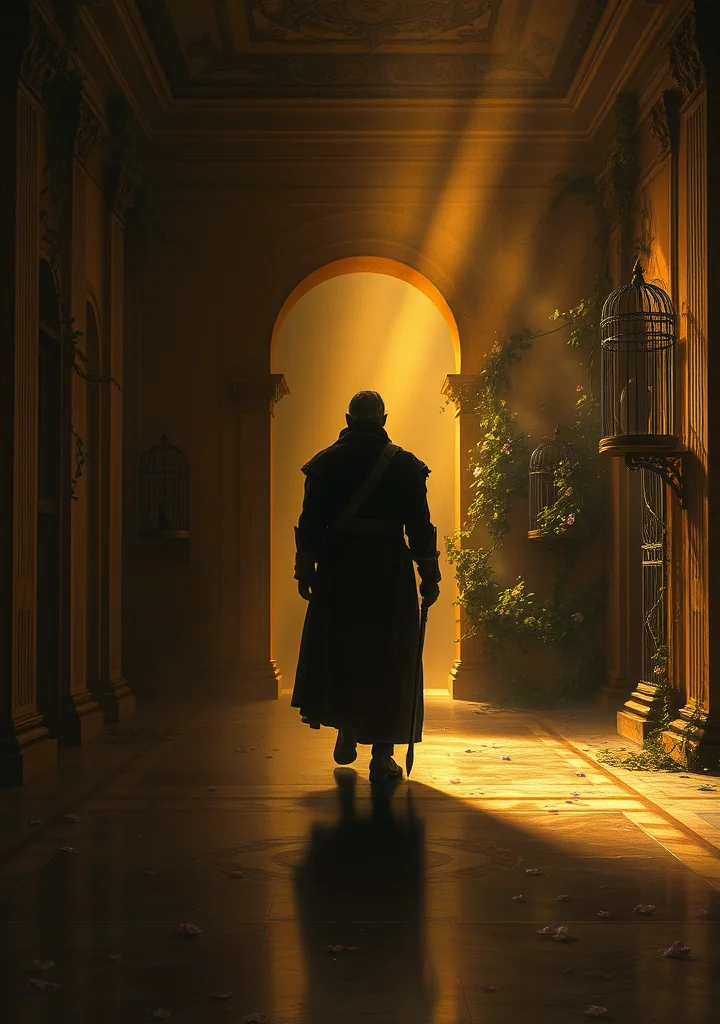
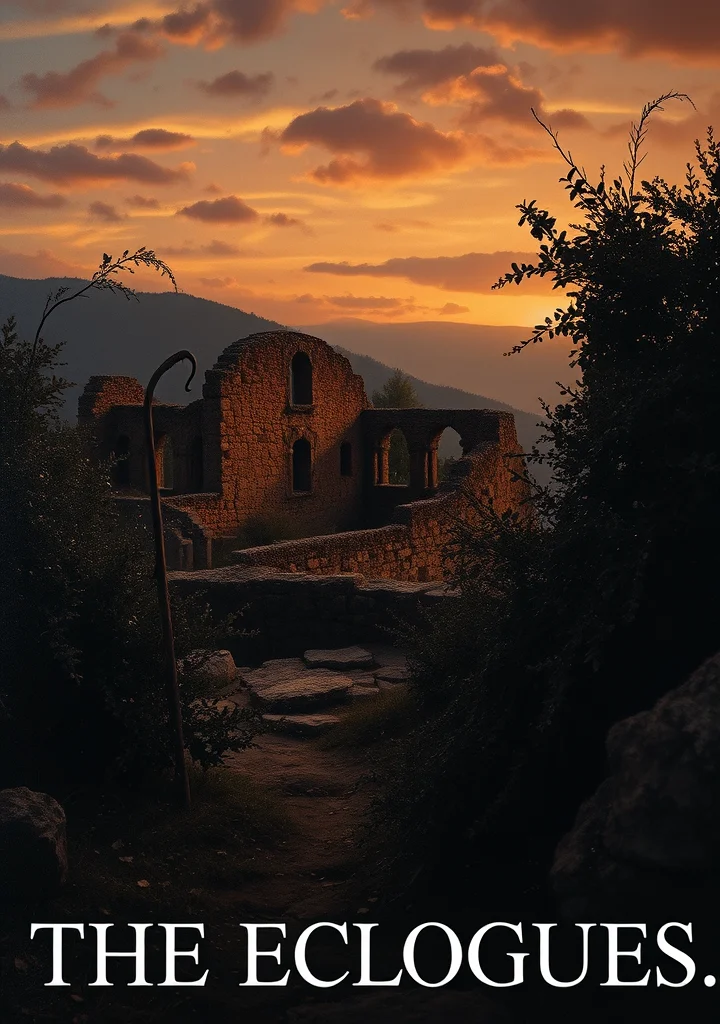
Dust motes dance in the fading light of Sicilian shepherds’ groves, haunted by echoes of lost Arcadia. Virgil’s *Eclogues* aren’t merely pastoral poems; they are fractured glimpses into a world curdled by Roman ambition, where idyllic retreats bleed into the shadows of impending civil war. Each verse exhales the scent of decaying laurel, a sweetness masking the iron tang of impending conflict.
These are not songs of simple country folk, but elegies for a vanishing innocence, sung by exiles and prophets disguised as rustics. The very landscapes weep with premonition—olive groves twist like supplicating limbs, and the riverbanks whisper of futures drowned in blood. A creeping dread clings to the laurel wreaths, woven with thorns of political intrigue.
Beneath the veneer of bucolic charm, a subtle rot consumes the pastoral. The shepherds’ loves are shadowed by the specter of exile, their songs laced with the desperate longing for a sanctuary that can never truly be found. A sense of displacement hangs heavy, as if the very earth remembers a violence it cannot forget. It is a world perpetually poised on the brink of storm, where the songs of shepherds become the laments of ghosts. The silence between verses is a vast, echoing void—the sound of empires crumbling into dust.
Copyright: Public Domain
This license allows anyone to use your story for any purpose, including printing, selling, or adapting it into a film freely.
This license allows anyone to use your story for any purpose, including printing, selling, or adapting it into a film freely.
More like this