
Ulysses
  • 111
  • 0
  • 22
  • Reads 111
  • 0
  • Part 22
Completed, First published Mar 02, 2026

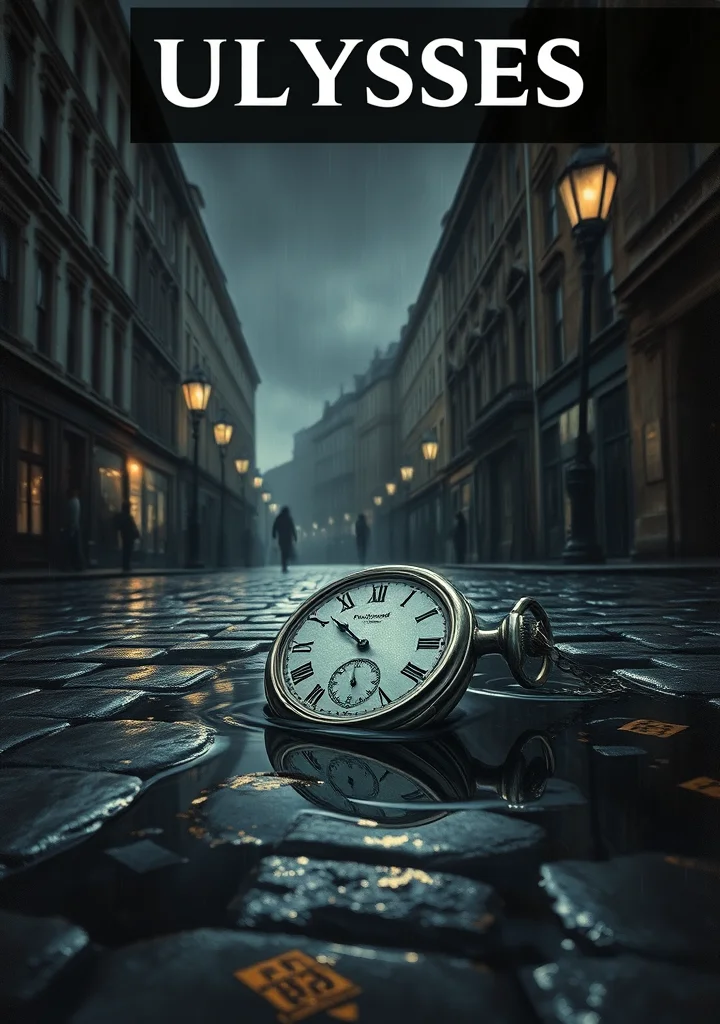
Dublin bleeds into the sea, a city steeped in brine and regret. The air hangs thick with coal smoke and the ghosts of forgotten fathers. Each cobblestone whispers of loss, each pub a tomb for drowned ambitions. A man, Leopold Bloom, wanders this labyrinth, shadowed by the phantom of a cuckold’s grief, mirroring the ancient wanderer’s plight. Sunlight fractures across peeling facades, revealing not warmth, but decay. The narrative coils like fog, obscuring motives, blurring boundaries between reality and hallucination. Every doorway exhales a damp chill, every alleyway promises a descent into shadow. The pulse of the city is a morbid heartbeat, echoing with the rhythmic toll of distant bells. Bloom’s Dublin is not a place of stories told, but of silences endured—a city of fractured memories, fragmented desires, and the suffocating weight of the unsaid. The very streets seem to conspire to swallow him whole, dragging him toward a twilight reckoning where the boundaries between the living and the dead dissolve into the grey, echoing expanse of the Irish coast. The scent of the sea is not of freedom, but of dissolution, of all things returning to the cold, uncaring depths. It is a city haunted by the absence of God, and the lingering, desperate search for something – anything – to fill the void.
Copyright: Public Domain
This license allows anyone to use your story for any purpose, including printing, selling, or adapting it into a film freely.
Recommended for you
55 Part
A London of perpetual twilight clings to the aging Mr. Edwin Rycroft, a retired draper suffocating in the dust of inherited wealth and encroaching loneliness. The steps themselves – narrow, brick-worn, descending into a warren of forgotten streets near Cheapside – become a morbid obsession, a physical manifestation of Rycroft’s descent into a melancholic delirium. Each echoing footfall upon those stairs isn’t merely a movement towards a pawnshop, but a surrender to the insidious creep of obsolescence. The narrative breathes with the chill of damp stone, the scent of mildewed ledgers, and the suffocating silence of rooms choked with antique clocks. A spectral quietude hangs over the city, punctuated by the rhythmic tick of time bleeding away Rycroft’s life. The pawnshop’s proprietor, a man shrouded in shadow and rumour, becomes a grim confessor, witnessing the slow disintegration of Rycroft's fortune and spirit. A creeping dread permeates the prose, born not of overt horror, but of the stifling weight of respectability and the gnawing fear of being forgotten. The city itself is a labyrinth of shadows, mirroring Rycroft’s fractured mind. The novel doesn’t offer grand horrors, but a slow erosion of hope, a chilling recognition of the emptiness at the heart of a life spent accumulating possessions, all shadowed by the ominous promise of the steps leading downwards, ever downwards, into the suffocating darkness of oblivion. It is a world built of grey light and the rustle of unseen things, where the past isn’t merely remembered, but actively decays around you.

6 Part
A creeping dread clings to the shadowed streets of Paris, mirroring the decay within Béatrix’s very soul. Balzac doesn’t offer romance, but a slow, exquisite unraveling. The narrative coils around a young woman whose beauty is a fragile inheritance, purchased with a desperate bargain struck against a creeping, inherited malady. Her existence is a gilded cage, gilded with the sickly sheen of ambition and financed by a husband whose affections are as cold as the marble of his ancestral estate. The air within is thick with the scent of decaying fortunes, whispered debts, and the suffocating weight of societal expectation. Each gesture, each calculated smile, feels less like living and more like a performance staged for a ravenous audience. A pervasive sense of rot permeates every scene, not merely in the crumbling grandeur of the homes but in the hearts of those who inhabit them. The novel doesn't reveal monsters in the darkness, but exposes the monstrous compromises made in the light. The narrative is less concerned with what happens *to* Béatrix than with the subtle erosion of her spirit, a fading luminescence devoured by the insatiable hunger of the Parisian elite. It’s a story of exquisite confinement, where the only escape is a descent into a darkness more profound than the illness that threatens to consume her. The shadows lengthen, and with each passing chapter, one feels the tightening grip of a fate far more sinister than mere mortality.
48 Part
The salt-laced wind carries whispers of decay from the crumbling manor, Blackwood, where the remnants of a forgotten Eden cling to the cliffs. A creeping dread permeates the estate, a legacy of shadowed inheritances and the fevered dreams of its last, fractured master. Old Man Silas, driven mad by a grief that blooms in the choked gardens, stalks the halls, haunted by visions of a paradise lost – and a daughter claimed by the sea. The narrative coils tight around the suffocating weight of Blackwood’s history, a relentless tide of obsession that pulls the new ward, young Elias, into Silas’s fractured world. Sunken paths lead to grottoes filled with brine-stained carvings, where the scent of rot mingles with the phantom fragrance of jasmine. Every stone breathes with a sorrowful resonance, a stifled scream locked within the stone. The fog rolls in, thick as gravecloths, obscuring not only the jagged coastline but the fragile boundaries of Elias’s sanity. He finds himself drawn to the dark heart of the estate, to the ruined chapel where the echoes of a desperate faith still linger. The narrative isn’t merely a haunting; it *is* the haunting itself—a slow, inevitable descent into the shadowed embrace of a man consumed by loss, where the line between salvation and damnation dissolves in the salt-stained twilight. The very air seems to weep with the weight of Blackwood’s sorrow, a constant, chilling reminder that Eden, once a promise, is now a tomb.