
Villette
  • 215
  • 0
  • 44
  • Reads 215
  • 0
  • Part 44
Completed, First published Mar 02, 2026

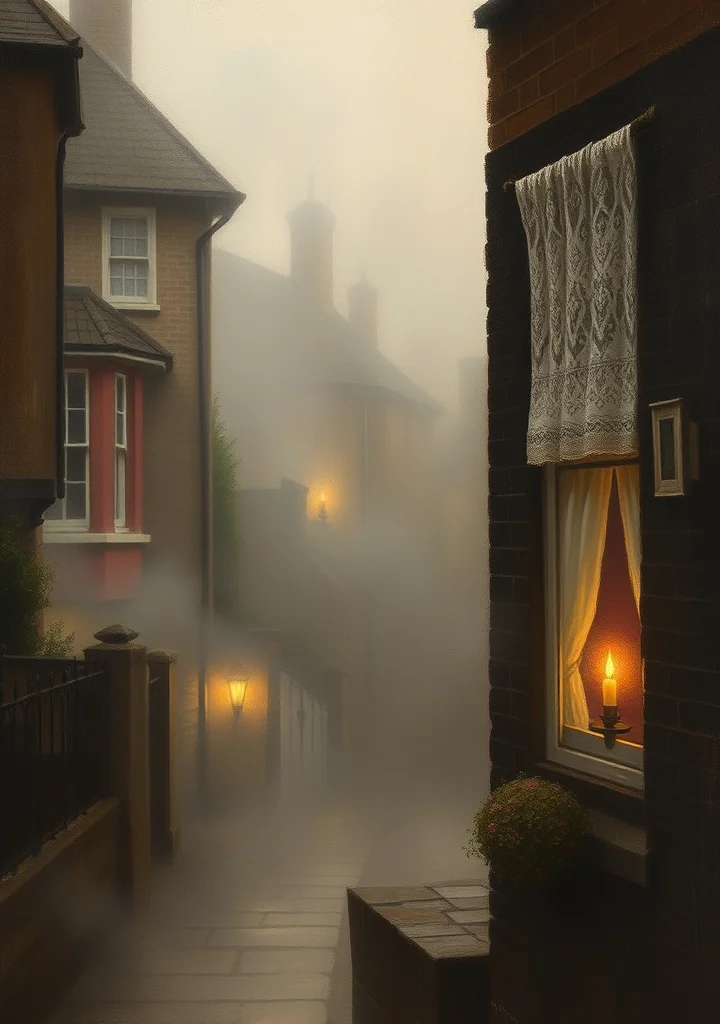
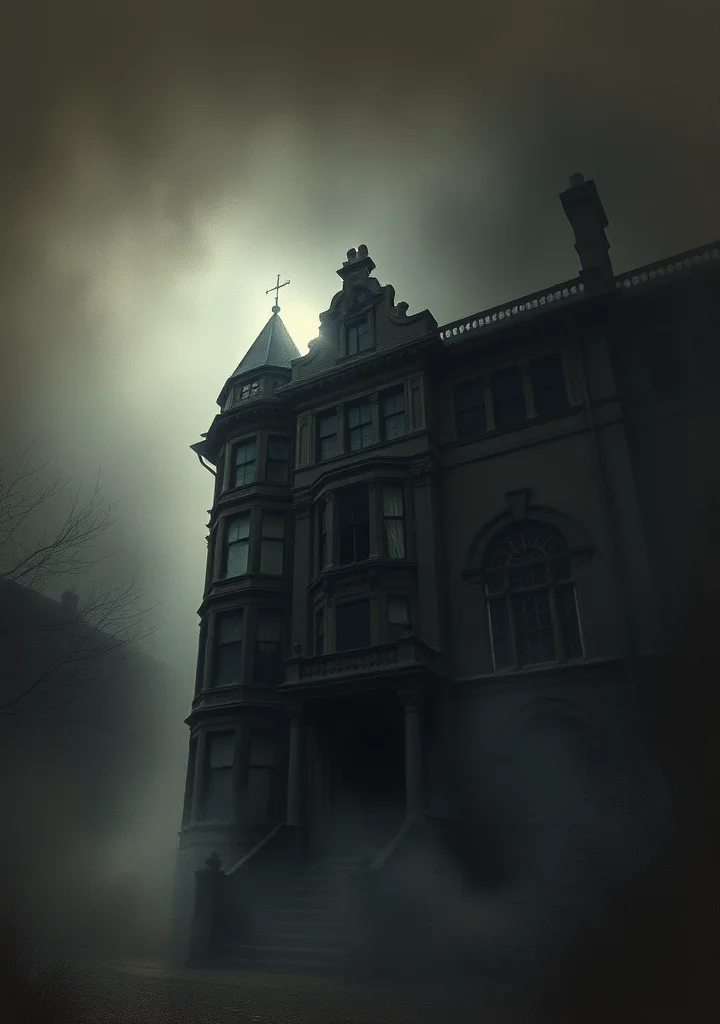
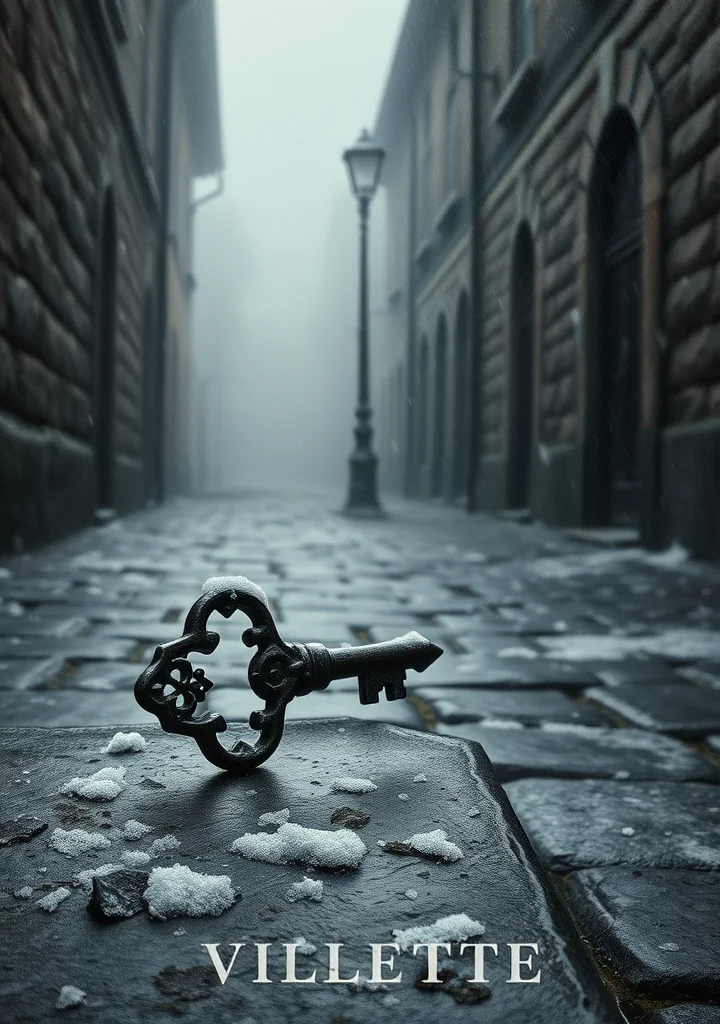
A pall of perpetual grey descends upon the cobbled streets of Villette, mirroring the stifled grief that clings to Lucy Snowe like a shroud. This is not a tale of grand passions, but of a woman’s soul meticulously constructed within the confines of a foreign city, a fortress built against loneliness and the phantom ache of a lost past. The narrative unfolds in shadowed classrooms and the hushed reverence of a Protestant chapel, steeped in a melancholic stillness that breeds secrets. Every glance, every shared breath, is measured, weighed down by an unspoken tension that coils within the very walls of the pensionnat. A city of locked rooms and watchful eyes, Villette breathes with the scent of damp stone and decaying lace. The air is thick with the unspoken desires of its inhabitants, their suppressed longings echoing in the corridors. A spectral presence haunts the periphery—the ghostly figure of a doctor, a feverish delirium, and the chilling weight of a past trauma that threatens to unravel Lucy’s carefully ordered existence. Here, beneath the oppressive weight of convention, a fragile bloom of self-possession takes root, blossoming amidst the decay. But even in this quiet flowering, a sense of dread lingers—a premonition of a final, devastating reckoning where the boundaries between reality and illusion blur, leaving Lucy suspended between salvation and utter dissolution, forever marked by the shadows of Villette. The city itself becomes a character, breathing with a suffocating intensity, a prison of the heart veiled in perpetual twilight.
Copyright: Public Domain
This license allows anyone to use your story for any purpose, including printing, selling, or adapting it into a film freely.
Recommended for you
6 Part
Dust motes dance in the gaslight of provincial theaters, clinging to the velvet drapes and the tarnished gilt of crumbling grandeur. A fever dream of ambition, *Lost Illusions* unfolds in a Paris steeped in shadow, where the scent of stale perfume mingles with the bitterness of thwarted dreams. The novel breathes with the stifled sighs of Lucien de Rubempré, a provincial editor cast adrift in a sea of cynical brilliance. Every cobbled street echoes with whispered betrayals, every drawing room glitters with the venom of social climbing. The air thickens with the rot of compromised ideals; a suffocating perfume of decaying morality. It’s a city of mirrors, reflecting not truth but the grotesque distortions of power. The narrative clings to you like a damp shroud, revealing a world where talent is bartered for influence, and innocence is devoured by the ravenous maw of the press. The characters move through perpetual twilight, haunted by the ghosts of their own making. Each revelation is a splinter of ice in the heart, each success a further descent into a labyrinth of disillusionment. The prose itself feels aged, brittle as parchment, stained with the ink of regret. It is a slow, insidious unraveling, a descent into the suffocating darkness where hope is extinguished, and only the hollow echoes of ambition remain. The final pages leave a residue of ash and despair, a chilling testament to the price of vanity and the corrosive nature of ambition.
74 Part
The air hangs thick with brine and decay, clinging to the damp stone of the Breton manor like a shroud. Germinie, a creature born of the shadows and the sea’s cold kiss, is less woman than phantom, tethered to the decaying life of the de Touars by a devotion steeped in bitterness and shadowed longing. Each chipped porcelain doll, each faded silk gown she tends to, breathes the rot of a forgotten grandeur. The manor itself is a labyrinth of echoing corridors, where dust motes dance in slivers of light revealing portraits of a lineage consumed by ennui and vice. A suffocating intimacy blossoms between Germinie and the aged, invalid aristocrat she serves, an intimacy born not of passion but of shared isolation, of bodies failing within the confines of the crumbling estate. The narrative unravels as a slow poison, seeping into the foundations of the house and the hearts of those within. A feverish, suffocating atmosphere of obligation, resentment, and the morbid beauty of decay permeates every page, leaving the reader adrift in a perpetual twilight of unspoken desires and the suffocating weight of unfulfilled lives. The scent of lavender and mold clings to everything, mirroring the slow unraveling of Germinie’s spirit—a haunting presence woven into the very fabric of the decaying manor, a specter bound to the fate of a dying dynasty. The narrative breathes with the rhythm of the sea against the cliffs, a constant, mournful ebb and flow mirroring the decline of both body and mind.
9 Part
A pall descends from the shadowed Cambridge rooms, a creeping fog of intellectual rigor and suppressed grief. Mill’s life, laid bare not as triumph but as a slow, exquisite unraveling. The scent of stale ink and decaying liberalism clings to every page, mirroring the stifled passions that choked within his father’s utilitarian gaze. This is not a chronicle of progress, but a meticulous dissection of a mind forged in the crucible of paternal expectation, haunted by the ghost of Bentham’s cold logic. Each chapter is a darkened corridor, echoing with the precise footsteps of a man striving to define himself against the suffocating weight of inherited thought. The narrative breathes with the chill of early mourning, the suffocating weight of a childhood spent mastering logic whilst denying the unruly currents of the heart. Later, the light flickers and fails amidst the bureaucratic labyrinths of the East India Company, a spectral empire built on the dust of forgotten lives. The prose itself is a mausoleum of measured restraint, each sentence a carefully placed stone concealing the raw, bleeding wounds beneath. It is a testament to the art of internalizing agony, of building a fortress of reason around a core of aching vulnerability. A study in grey, in the precise geometry of despair, this autobiography is not merely read, but *felt* - a slow, deliberate descent into the labyrinth of a life lived in the shadows of its own formidable intellect. The silence within the text is as deafening as the clamor of London streets, a testament to the unacknowledged voids at the heart of a life relentlessly dedicated to thought.