
Oedipus at Colonus
  • 46
  • 0
  • 6
  • Reads 46
  • 0
  • Part 6
Completed, First published Mar 02, 2026

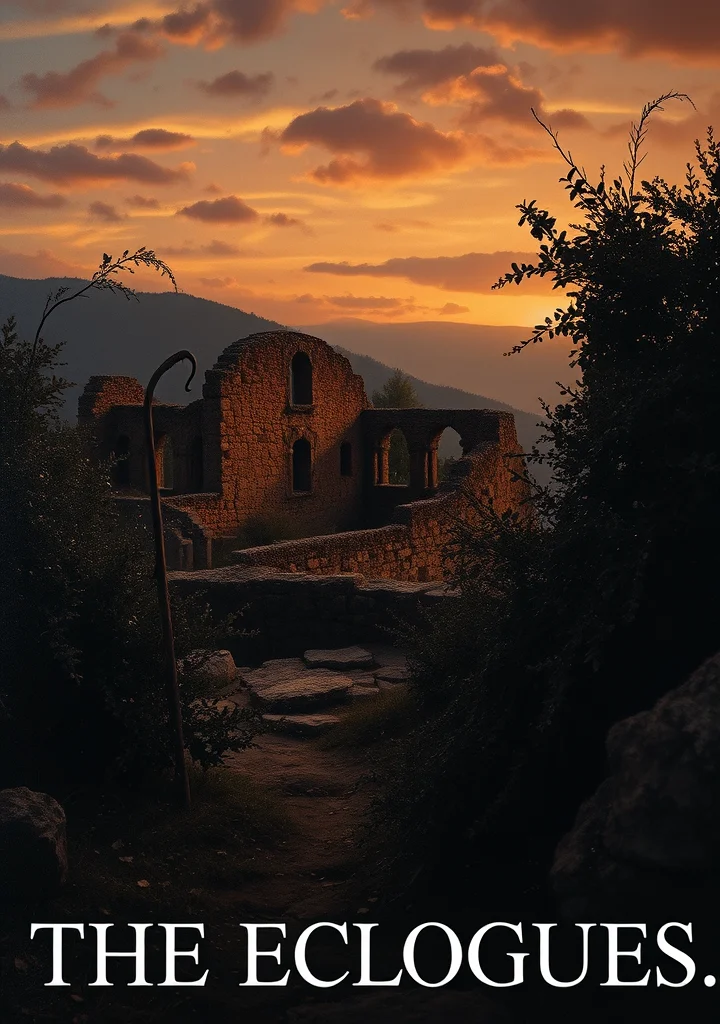
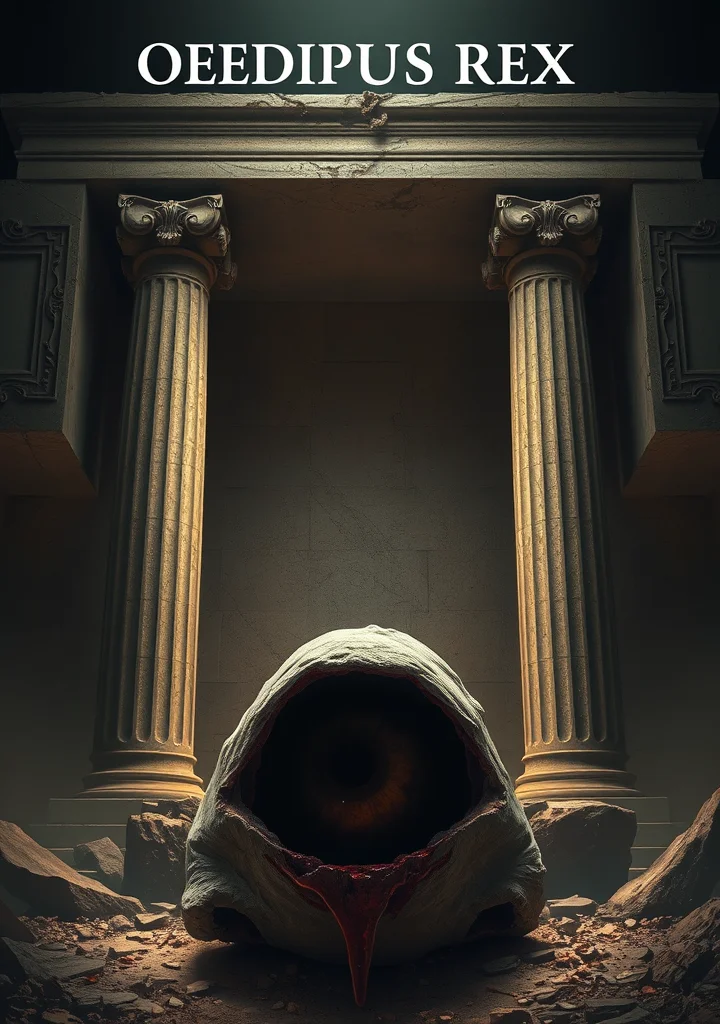
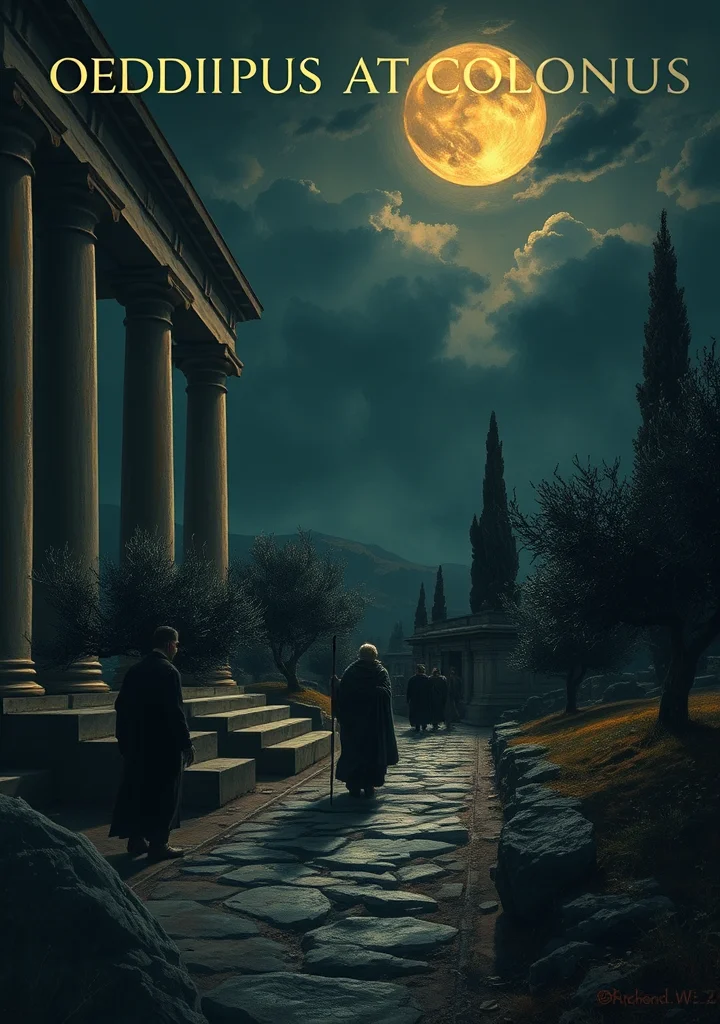
A perpetual twilight clings to the olive groves and crumbling stones of Colonus, mirroring the fading light within Oedipus himself. This is not a tale of kings and curses sung in sunlit halls, but one whispered amongst the cypress trees, a grief-stricken procession towards a shadowed sanctuary. The air hangs thick with the scent of brine and decay, the weight of a blinded man’s past pressing down on every crumbling pillar. Each step across the sacred earth is haunted by the ghosts of prophecy fulfilled, a chilling echo of fate’s cruel hand. The very landscape seems to weep with Oedipus, its ancient stones bearing witness to a final, agonizing reconciliation with the monstrous truth of his being. A suffocating stillness permeates the play, broken only by the mournful cries of birds and the rustling of unseen things in the olive branches. This is a journey not towards death, but *through* death, a descent into a hollowed-out world where the boundaries between man, monster, and divinity blur into a suffocating, spectral grey. The final plea for oblivion is not a surrender to darkness, but a desperate grasp for a sanctuary beyond the reach of memory, a place where even the gods themselves dare not tread.
Copyright: Public Domain
This license allows anyone to use your story for any purpose, including printing, selling, or adapting it into a film freely.
Recommended for you
23 Part
Dust motes dance in the long shadows of plantation houses, even after the master’s reign has crumbled. This is not a tale of polished triumph, but one clawed from the earth with bleeding hands and a spirit forged in the kiln of hardship. A suffocating humidity clings to the narrative, thick with the scent of pine needles and the unspoken grief of generations. Every step forward is measured in loss—loss of kin, of dignity, of the very earth beneath bare feet. The weight of chains, though broken, echoes in the hollows of every achievement. The story breathes with the stifled cries of children sold like livestock, the rasp of a plow dragged across unforgiving soil, and the quiet desperation of a people rebuilding not just homes, but souls. It isn’t a light that illuminates this path, but a flickering ember—a fragile warmth against a backdrop of perpetual twilight. There’s a spectral presence in the classrooms built from scraps, a haunting in the faces of those who learn to read by the dim glow of a borrowed candle. The narrative doesn’t soar; it *rises* – slowly, agonizingly, from the mire of injustice. It’s a landscape etched with the ghosts of promises broken and the thorns of deferred dreams. A creeping unease permeates even the victories, for even in freedom, the shadow of the whip never fully dissipates. This is a story of resurrection, yes, but one born from the grave—a testament to endurance carved in bone and stained with tears.
65 Part
A suffocating fog clings to the cobblestones of Paris, mirroring the miasma of dread that seeps from the shadowed alleys and the decaying grandeur of the city’s heart. Gaboriau doesn’t offer a mere crime to unravel, but a descent into a labyrinthine underworld where the desperate are bound by debts of flesh and spirit to a cabal of silent, unseen masters. The air is thick with the scent of rot—not just of corpses discovered in the Seine, but of lives systematically broken down, of wills surrendered to a creeping, insidious control. Each chapter feels like a stolen glance through a keyhole, revealing glimpses of shadowed figures flitting between pawn shops and opium dens. The narrative winds through a decaying aristocracy, haunted by past sins and complicit in present ones, and a brutalized underworld of forgers, thieves, and the discarded. It’s a Paris where every whispered confidence is a transaction, every act of kindness a snare, and the boundaries between victim and predator blur into a sickening grey. The novel doesn't build to a climactic reveal, but rather unravels like a unraveling shroud, revealing not *who* commits the crimes, but *how* the very fabric of Parisian society is woven with corruption. A sense of helplessness pervades, a suffocating weight that descends with the Parisian rain. The reader is not merely observing a mystery; they’re being submerged in the moral decay of a city on the brink of collapse, where the only true currency is silence, and the price of freedom is paid in stolen breaths.