
-
Read 503
-
0
-
Part 25
Completed, First published Mar 02, 2026
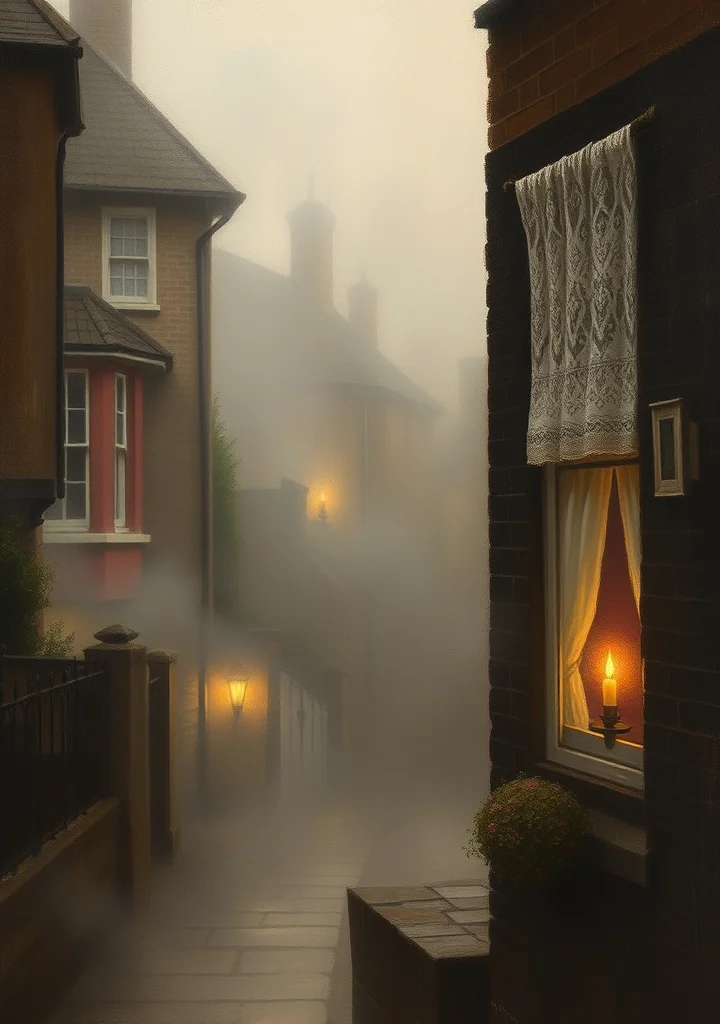
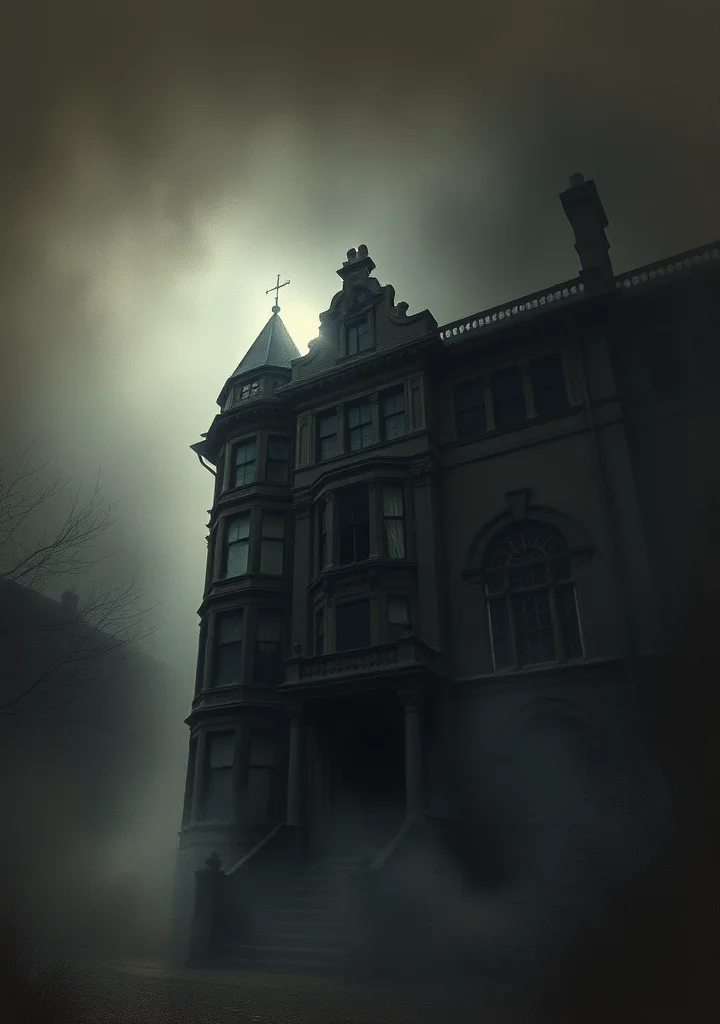
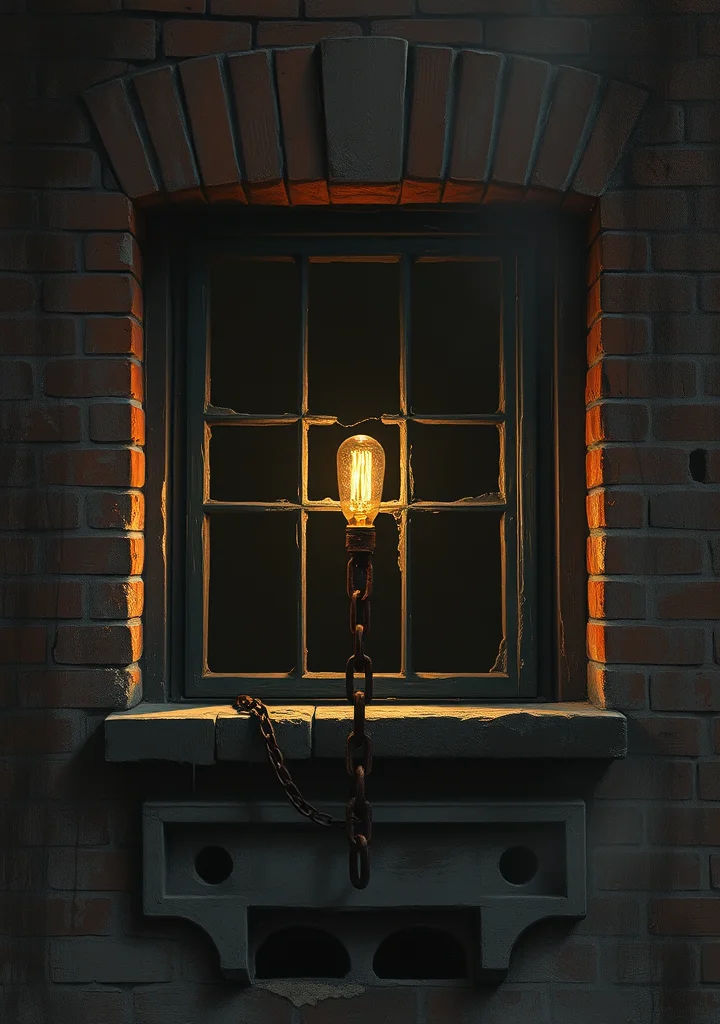
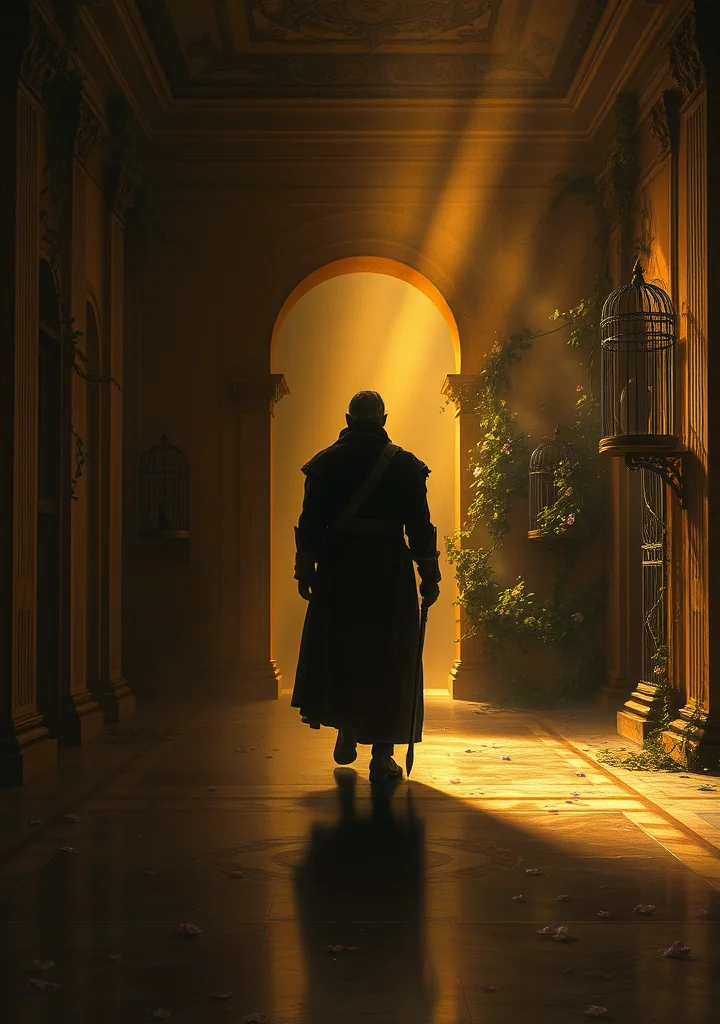
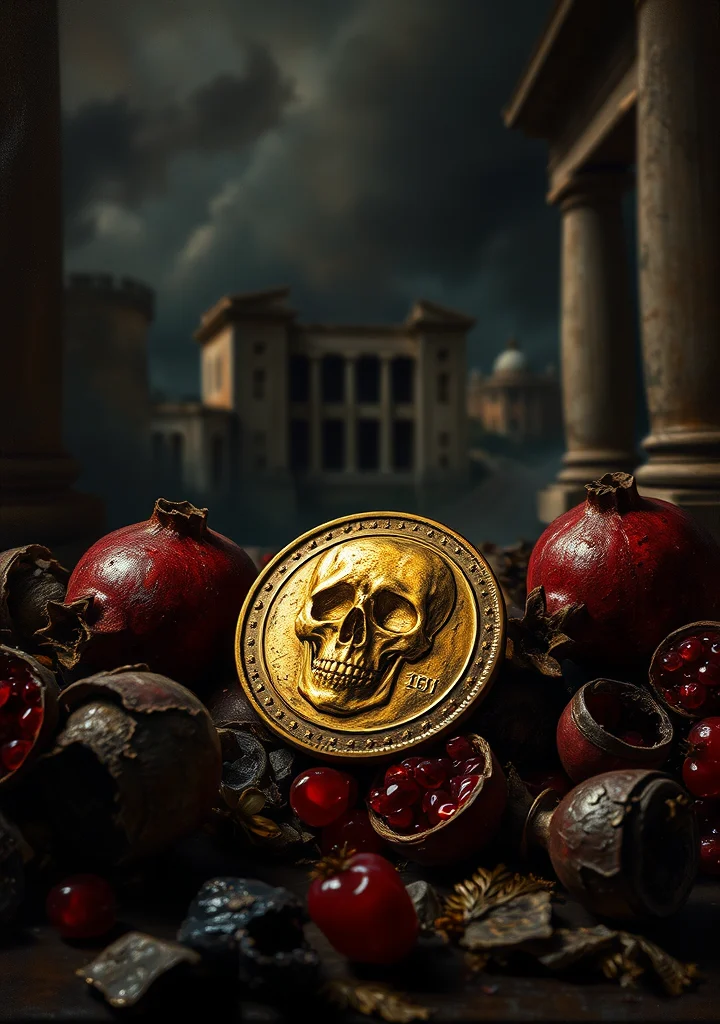
A creeping rot of disillusionment permeates the shadowed streets of Athens, where Timon, once lavishly adored, finds himself cast out, stripped bare by the fickle whims of fortune and the corrosive nature of humanity. The air hangs thick with the stench of discarded feasts and hollow promises. His courtly rage blossoms into a venomous misanthropy, echoing through desolate woodlands where he shelters with scavengers and curses the gilded cages of the city. Each uttered denunciation is a shard of glass thrown against the marble facade of a decaying world. The narrative descends into a fever dream of bitterness, punctuated by the rasp of Timon’s scornful laughter and the mournful wails of those who once craved his favour. A darkness settles not just upon Timon’s heart, but upon the very landscape, twisting the bounty of nature into a grotesque mockery of former abundance. The story is less a descent into poverty than a spiralling fall into a desolate, echoing void where even the memory of kindness feels like a phantom pain. It is a tale of how quickly gold turns to ash, and how easily a man can become a phantom haunting his own broken kingdom.
Copyright: Public Domain
This license allows anyone to use your story for any purpose, including printing, selling, or adapting it into a film freely.
This license allows anyone to use your story for any purpose, including printing, selling, or adapting it into a film freely.
Chapter List
-
« Timon of Athens »📖 Continue Reading
-
« Dramatis Personae »
-
« Timon of Athens »
-
« ActI »
-
« SceneI »
-
« SceneII »
-
« ActII »
-
« SceneI »
-
« SceneII »
-
« ActIII »
-
« SceneI »
-
« SceneII »
-
« SceneIII »
-
« SceneIV »
-
« SceneV »
-
« SceneVI »
-
« ActIV »
-
« SceneI »
-
« SceneII »
-
« SceneIII »
-
« ActV »
-
« SceneI »
-
« SceneII »
-
« SceneIII »
-
« SceneIV »
25
-
« Timon of Athens »
-
« Dramatis Personae »
-
« Timon of Athens »
-
« ActI »
-
« SceneI »
-
« SceneII »
-
« ActII »
-
« SceneI »
-
« SceneII »
-
« ActIII »
-
« SceneI »
-
« SceneII »
-
« SceneIII »
-
« SceneIV »
-
« SceneV »
-
« SceneVI »
-
« ActIV »
-
« SceneI »
-
« SceneII »
-
« SceneIII »
-
« ActV »
-
« SceneI »
-
« SceneII »
-
« SceneIII »
-
« SceneIV »
More like this