
Othello
  • 187
  • 0
  • 22
  • Reads 187
  • 0
  • Part 22
Completed, First published Mar 02, 2026

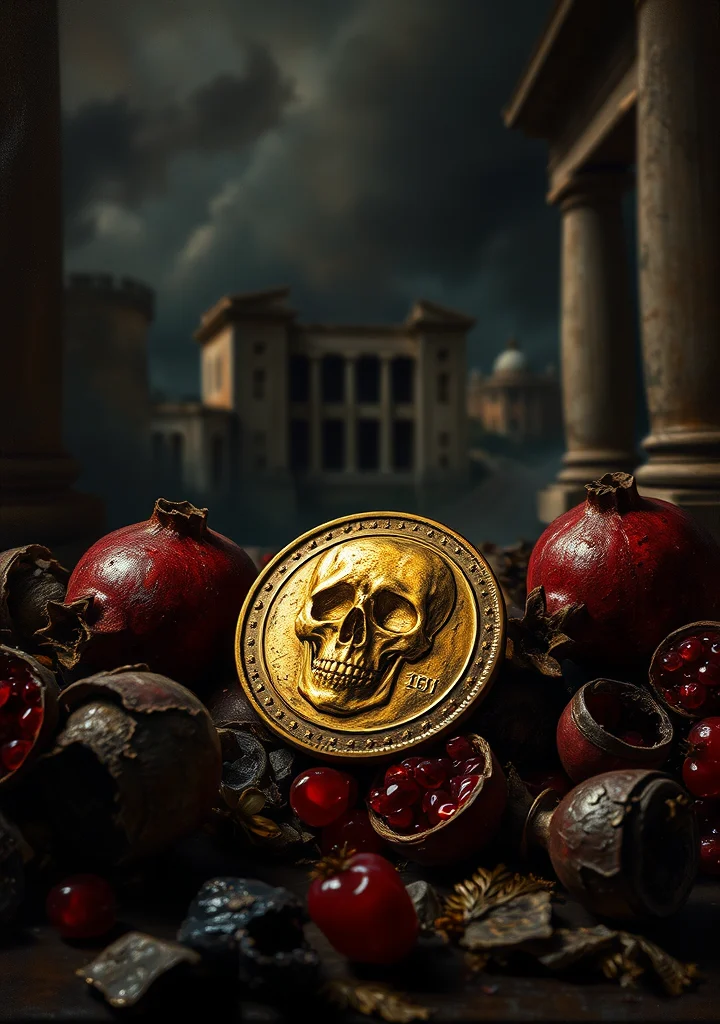
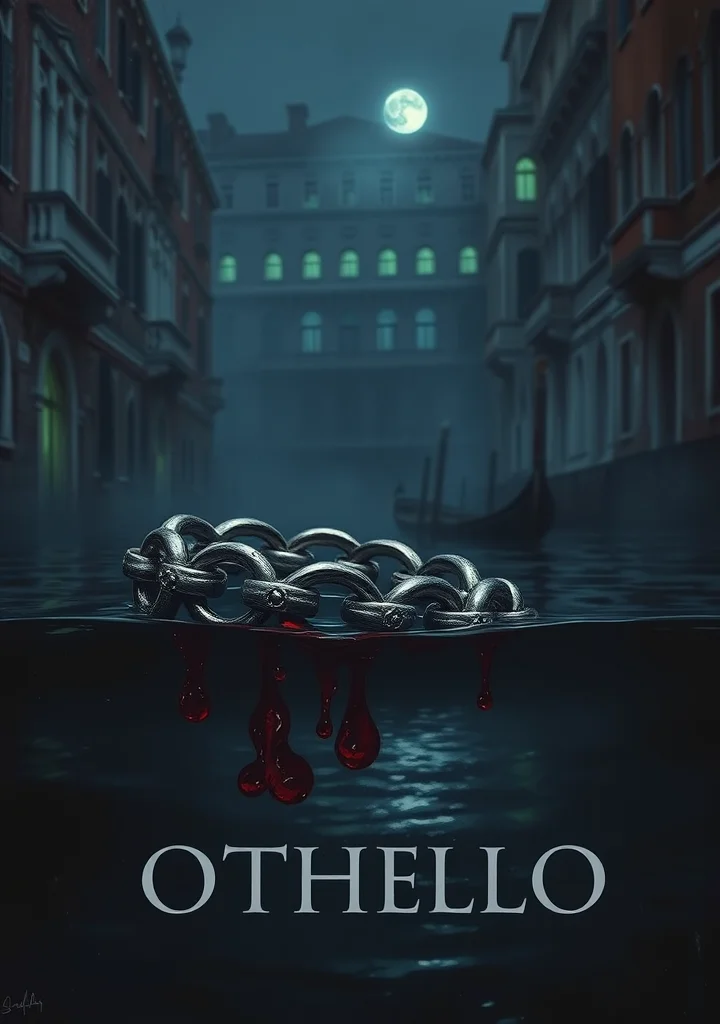
A suffocating darkness clings to Venice and Cyprus, born not of shadow, but of jealousy’s venom. The air hangs thick with whispered accusations, laced with the scent of brine and decay. Every gilded chamber feels a prison, echoing with the rasp of deceit. A Moor’s heart, vast and trusting, is slowly poisoned by a serpent’s tongue—a master of subtle, insidious suggestion. The narrative unfolds like a creeping tide, pulling the reader into a claustrophobic world of honor and betrayal. Moonlight bleeds across stone walls as a creeping dread takes root. Each stolen glance, each half-uttered phrase, becomes a shard of glass twisting in the wound. The scent of jasmine and blood intertwines. A suffocating claustrophobia descends as the story tightens around a single, devastating act. The characters are trapped in a spiral of obsession, their faces illuminated by the flickering glow of lanterns, revealing not truth, but the grotesque masks of their desires. The final chambers reek of despair, haunted by the ghosts of lost innocence, the echo of a handkerchief’s fall, and the stifled screams of a soul consumed by shadow. It’s a darkness that doesn't merely end with death, but lingers like a phantom weight, pressing down on the reader long after the final line fades into silence.
Copyright: Public Domain
This license allows anyone to use your story for any purpose, including printing, selling, or adapting it into a film freely.
Recommended for you
51 Part
A suffocating heat clings to the pages, thick with the dust of forgotten gods and the scent of brine. Kuprin’s *Yama* doesn’t offer a narrative of simple prisons, but of a slow, deliberate drowning in the stagnant pools of human desperation. The barracks, a festering wound in the heart of a decaying empire, breathe with a life of their own—a malignant sentience born of brutality and boredom. Each man within, a fractured shard of a broken world, is bound not by iron and stone, but by the weight of their own failures, each transgression a silent, festering rot. The prose itself is a mire, pulling you down into the rankness of the guardhouse’s perpetual twilight. There’s no escape, not even in the fevered dreams of the condemned. The air vibrates with the low hum of simmering violence, the casual cruelty a constant, gnawing ache. It isn’t a story of *what* happens, but *how* it feels—the slick, metallic taste of fear on the tongue, the way the shadows stretch and contort into mocking faces. The faces themselves are ghosts, hollowed by regret and the gnawing certainty of oblivion. This isn't a tale of justice, or even injustice, but of a surrender to the inevitable, the slow dissolution of self within the suffocating geometry of the barracks. The walls weep with the stories of men swallowed whole by their own despair, and the stench of their decay lingers long after the last page is turned. The novel doesn't merely show you the darkness; it forces you to breathe it.

48 Part
Dust-choked canyons whisper with the ghosts of sun-scorched prayers. Within the crumbling adobe walls, the air hangs thick with the scent of piñon smoke and something older – the weight of stories carved into bone and stone. These are not tales told around hearthfires, but echoes dragged from the mouths of the dead, carried on the rasping breath of the desert wind. Cushing doesn’t offer simple myth; he peels back the layers of Zuni belief, revealing a labyrinth of shadowed kivas and star-haunted mesas. The sun bleeds crimson onto the mesas as Coyote’s trickery unravels the boundaries between worlds. Each story feels less like a recounting and more like an excavation—a digging into the earth to unearth a cold, pulsing heart of ancestral memory. The narrative is fractured, possessed by the spirit of the storyteller, a man lost in the labyrinth of the Zuni world. The beauty is brittle, laced with the desperation of a people clinging to their past as the white man’s shadow lengthens. It’s a haunting, a slow rot of tradition, observed with a scholar's detachment and yet steeped in an unnerving intimacy with the spirits of the place. The reader is not simply told of the Zuni world—they are *held* within it, gasping for air in the suffocating darkness of the kivas, and witnessing the dance of the dead under a moon of bleached bone. This is not folklore, but a descent into a ritualistic dreamscape where the line between the living and the vanished dissolves into sand.