
-
Read 534
-
0
-
Part 24
Completed, First published Mar 02, 2026
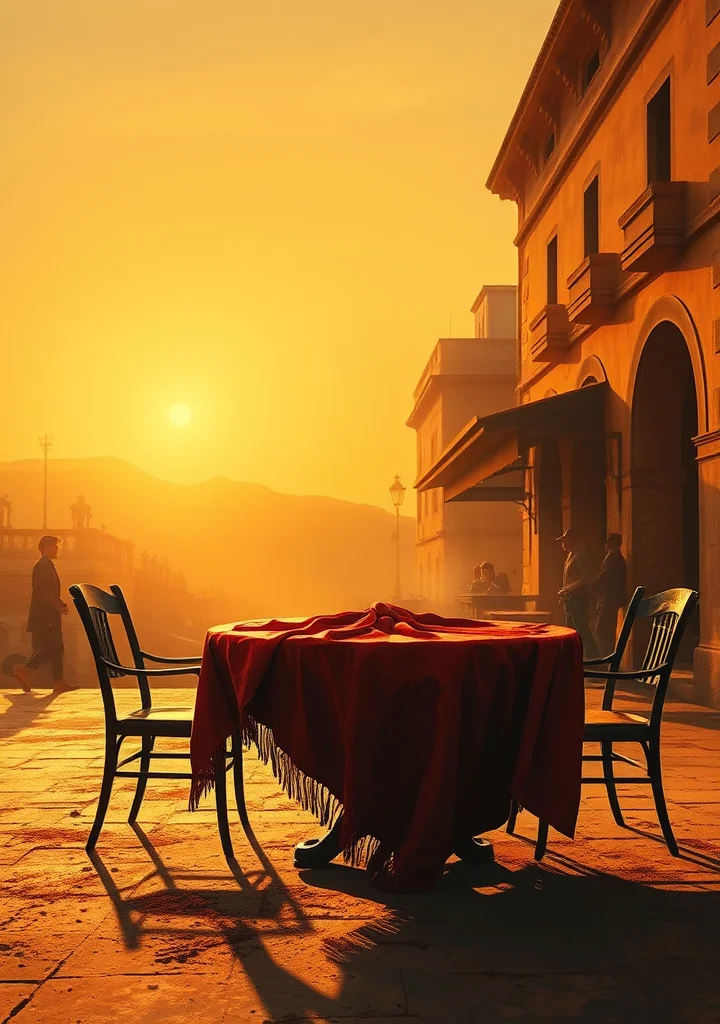
Dust-choked afternoons bleed into wine-dark evenings across a Spanish landscape haunted by a generation’s hollowed-out core. The novel breathes with the scent of stale tobacco and regret, a landscape of bullfights and cafes mirroring the brutal, circling dance of men and women adrift. Sunlight scorches not with warmth, but with revelation—revealing the fractured beauty of those broken by war, by love, by the very act of living. It is a world where passion curdles into cynicism, where the pursuit of pleasure is a desperate, feverish chase after something lost, something irrevocably gone. The prose itself is lean, stripped bare like the sun-bleached bones of the land, yet it carries a weight—the suffocating silence of unspoken grief. A perpetual twilight clings to the characters, their faces etched with the ghosts of battles fought and desires unfulfilled. The air hangs heavy with the unspoken fear that even the strongest bull, the most ardent lover, will ultimately be gored, or left wanting, in this sun-scorched, beautiful ruin. It's a pilgrimage through a desert of the soul, where even the shadows offer no solace.
Copyright: Public Domain
This license allows anyone to use your story for any purpose, including printing, selling, or adapting it into a film freely.
This license allows anyone to use your story for any purpose, including printing, selling, or adapting it into a film freely.
More like this