
-
Read 914
-
0
-
Part 60
Completed, First published Mar 02, 2026
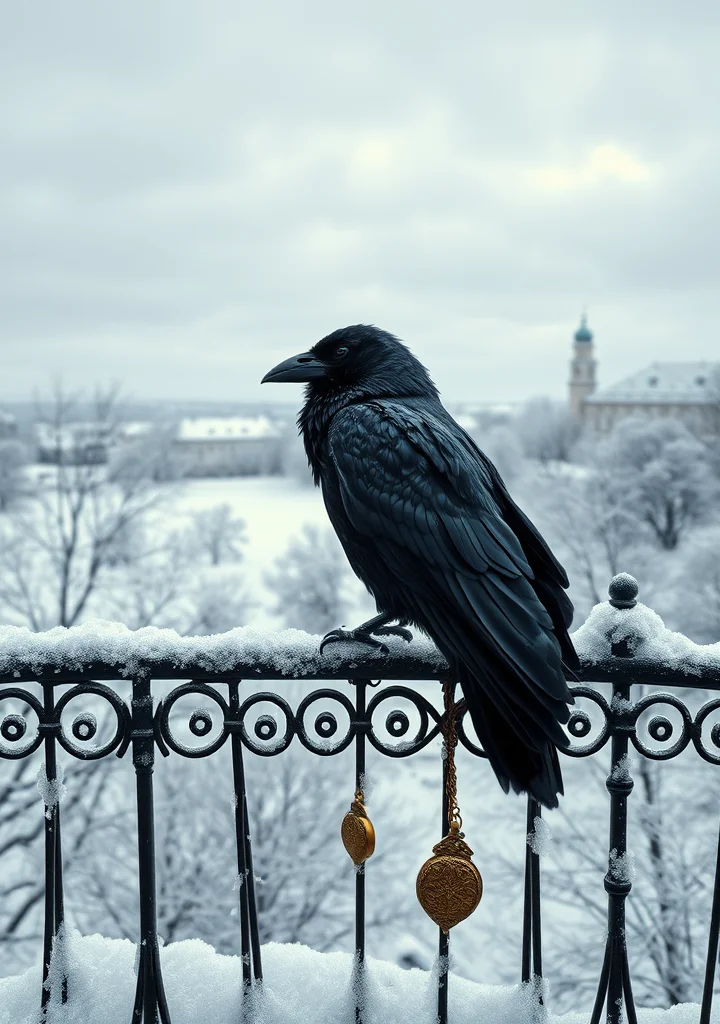
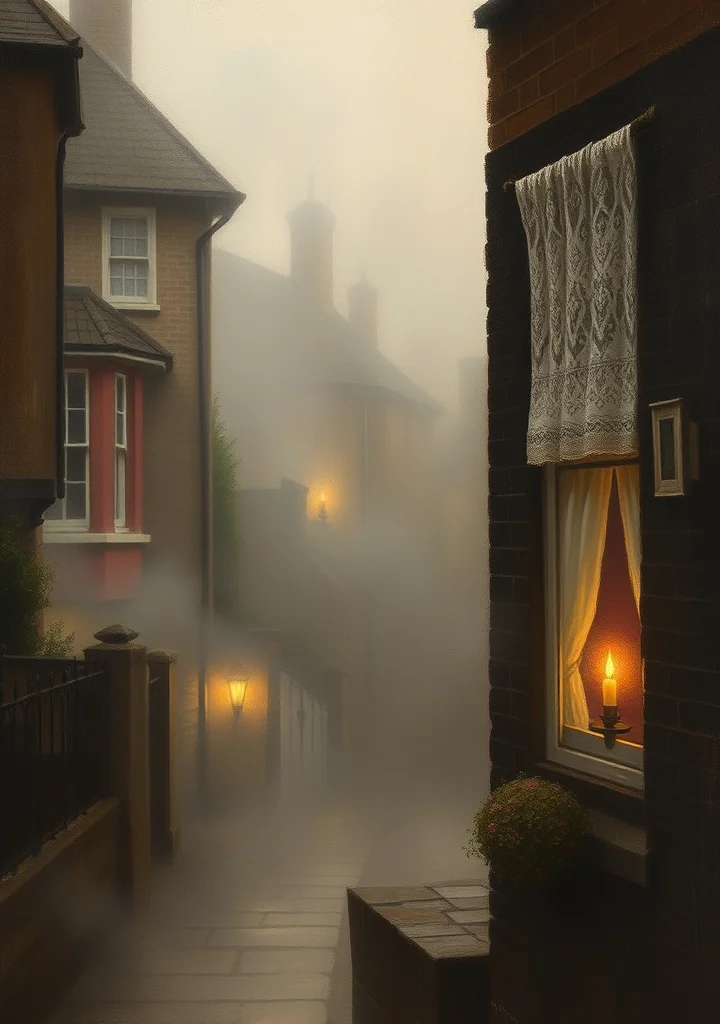
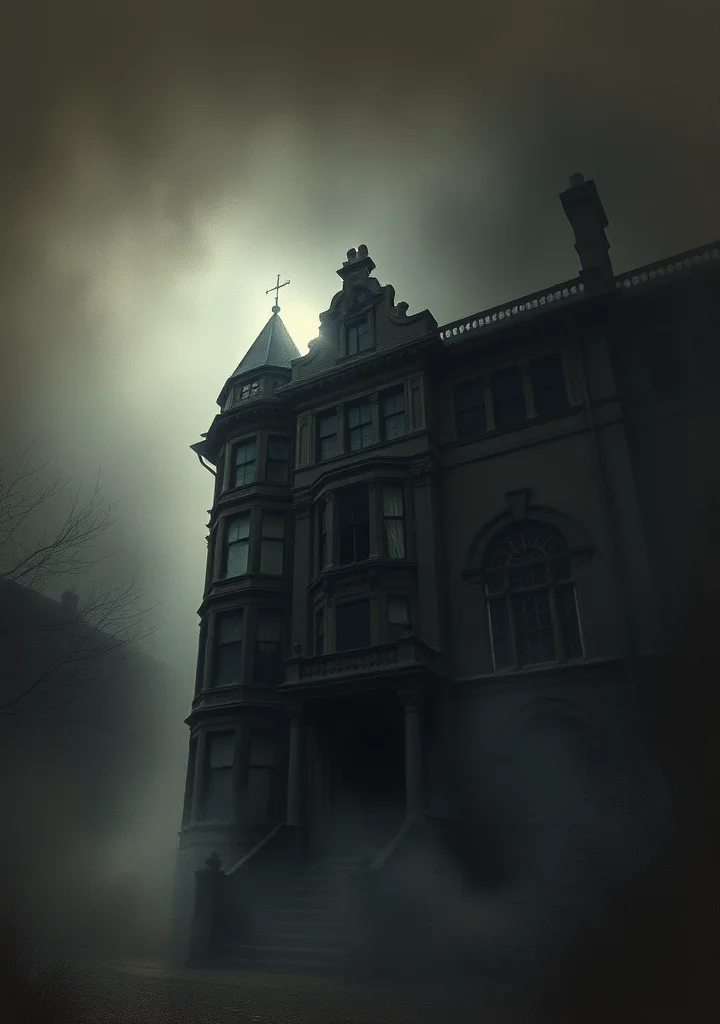
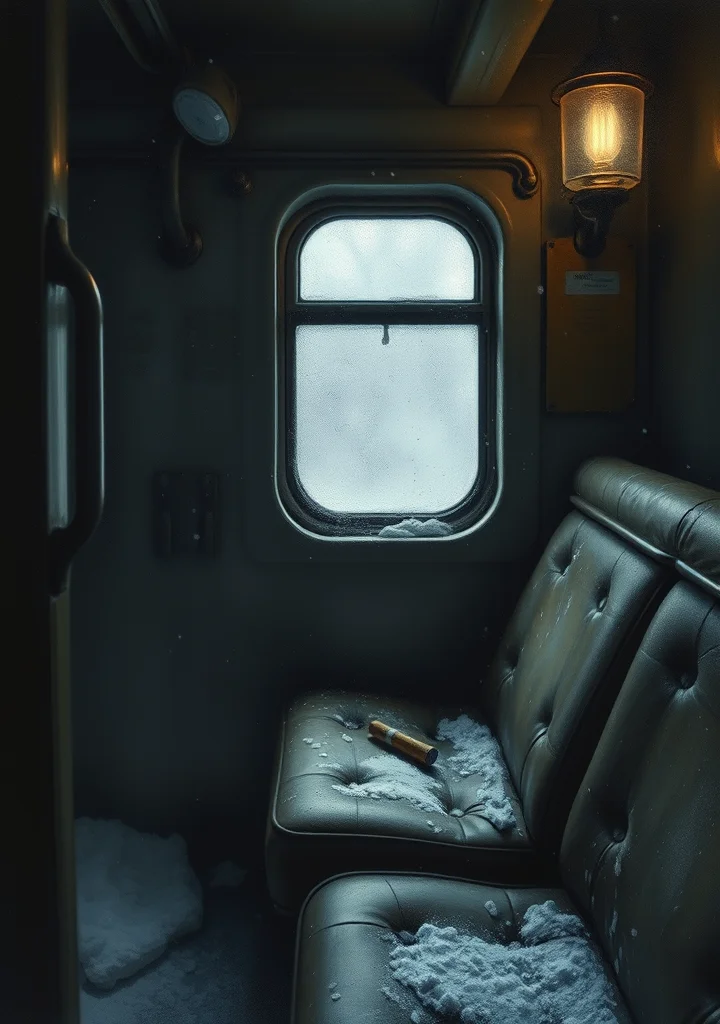
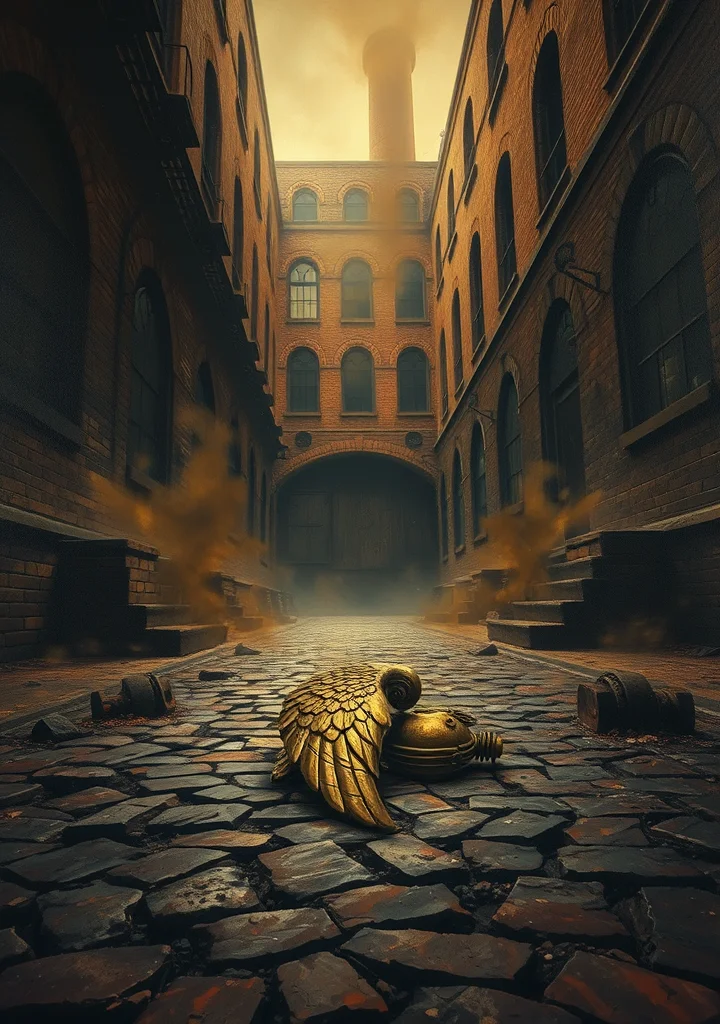
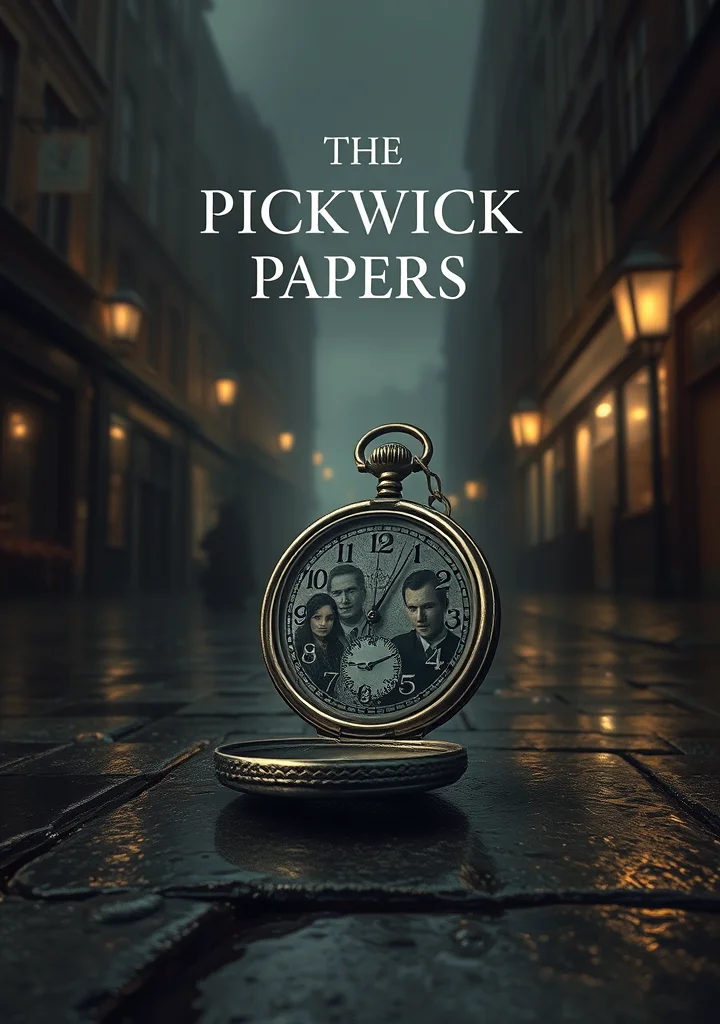
A creeping fog clings to cobbled lanes, mirroring the slow, deliberate unraveling of innocence within the sprawling, shadowed corners of London. The air tastes of coal smoke and damp wool, a chill seeping into the very marrow of Mr. Pickwick and his companions as they embark upon their naive quest for joy. But beneath the surface of their whimsical adventures—stagecoach rides gone awry, courtroom farces, and the blundering affections of a naive heart—lies a disquieting undercurrent.
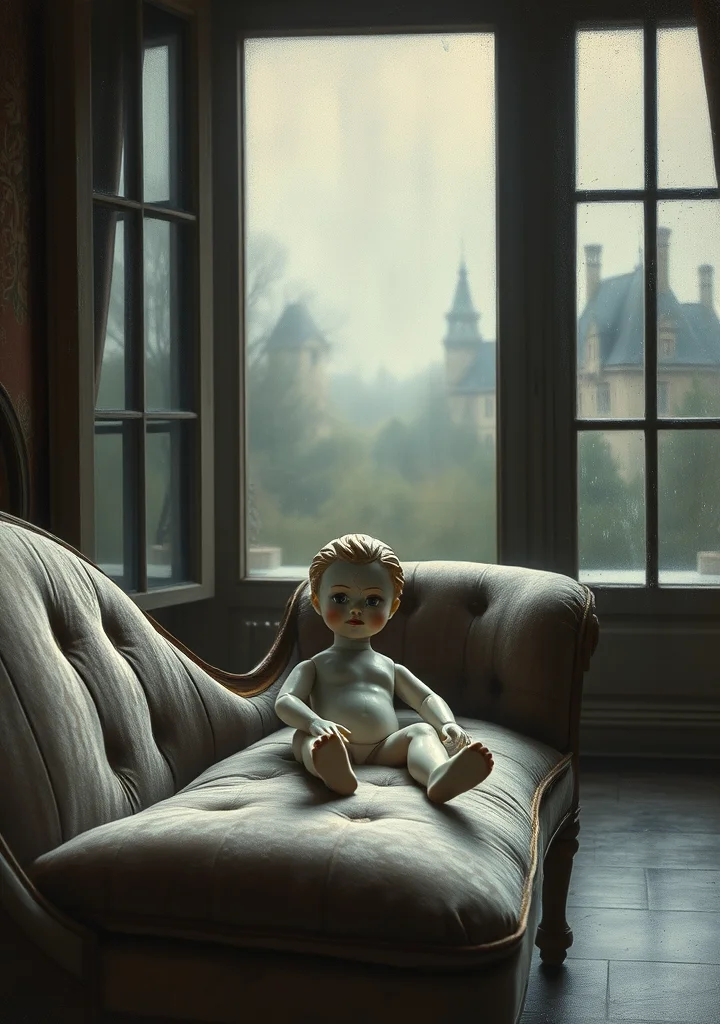
Each encounter, each lodging, each chance meeting, feels less a moment of merriment and more a fragment unearthed from a forgotten tomb. The faces observed through rain-streaked windows are masks, concealing debts and desperation, hinting at lives devoured by avarice and regret. The very laughter of the company feels brittle, echoing in vast, empty houses where shadows stretch long and hungry.
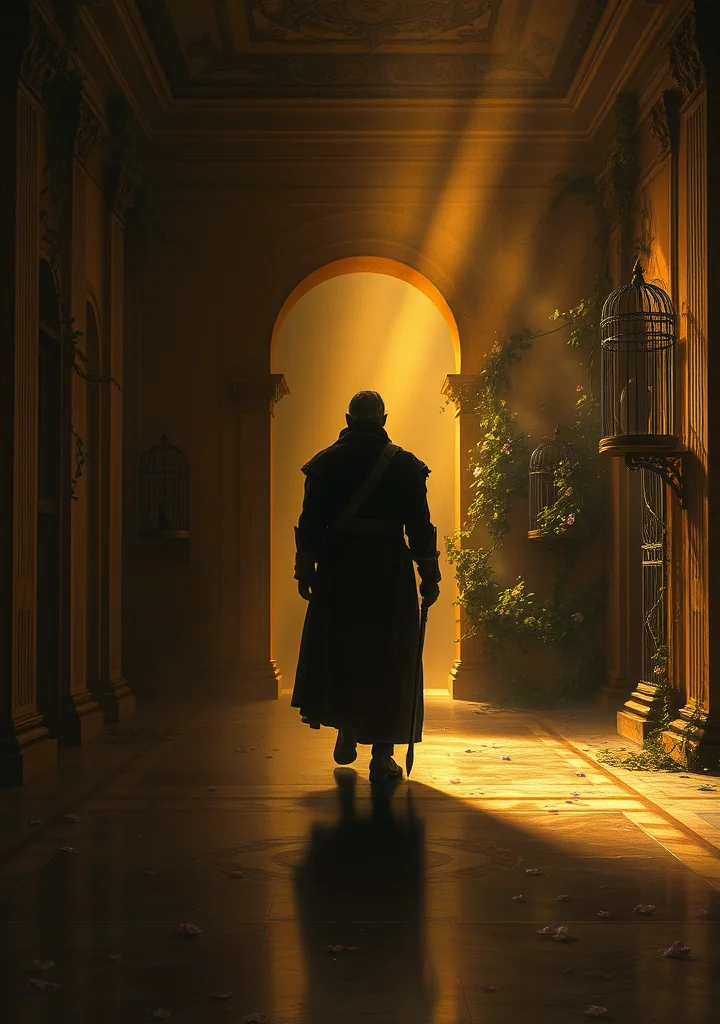
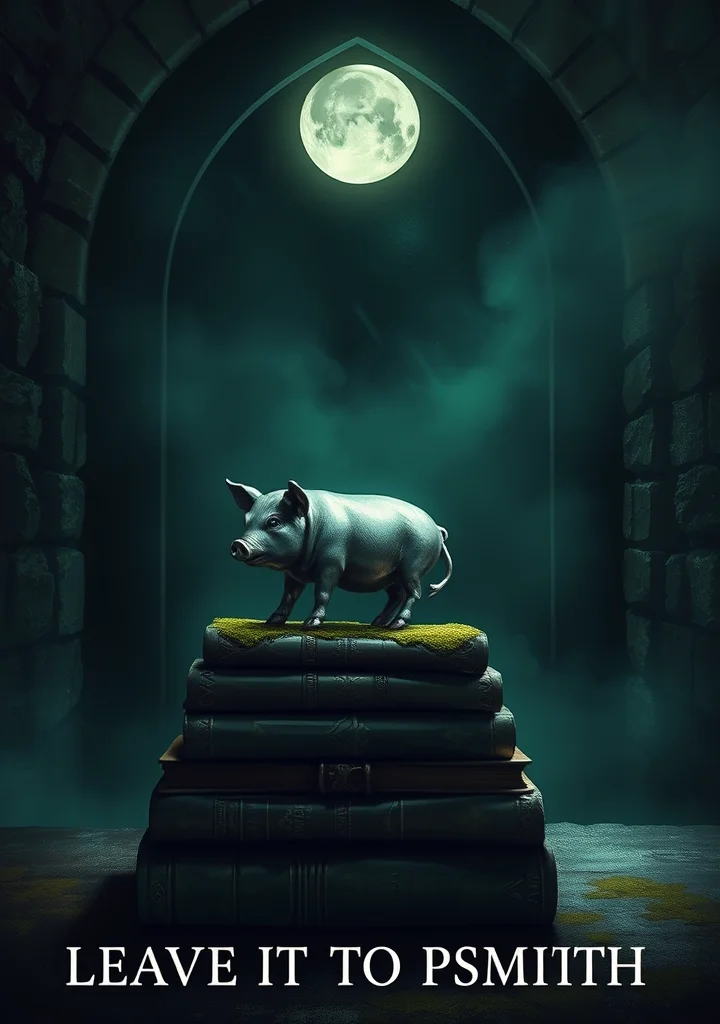
Though ostensibly a tale of benevolent folly, a subtle dread permeates the narrative. A sense of being watched, of lives delicately balanced on the precipice of ruin. It is a journey not toward simple amusement, but toward a gradual, agonizing awareness of the darkness that blooms in the hearts of men—a darkness that lingers long after the final curtain falls, clinging to the reader like the scent of decay. The road, it seems, is paved not with good intentions, but with the dust of broken promises.
Copyright: Public Domain
This license allows anyone to use your story for any purpose, including printing, selling, or adapting it into a film freely.
This license allows anyone to use your story for any purpose, including printing, selling, or adapting it into a film freely.
Chapter List
-
« The Pickwick Papers »📖 Continue Reading
-
« Preface »
-
« The Pickwick Papers »
-
« Chapter_5 »
-
« Chapter_6 »
-
« Chapter_7 »
-
« Chapter_8 »
-
« Chapter_9 »
-
« Chapter_10 »
-
« Chapter_11 »
-
« Chapter_12 »
-
« Chapter_13 »
-
« Chapter_14 »
-
« Chapter_15 »
-
« Chapter_16 »
-
« Chapter_17 »
-
« Chapter_18 »
-
« Chapter_19 »
-
« Chapter_20 »
-
« Chapter_21 »
-
« Chapter_22 »
-
« Chapter_23 »
-
« Chapter_24 »
-
« Chapter_25 »
-
« Chapter_26 »
-
« Chapter_27 »
-
« Chapter_28 »
-
« Chapter_29 »
-
« Chapter_30 »
-
« Chapter_31 »
-
« Chapter_32 »
-
« Chapter_33 »
-
« Chapter_34 »
-
« Chapter_35 »
-
« Chapter_36 »
-
« Chapter_37 »
-
« Chapter_38 »
-
« Chapter_39 »
-
« Chapter_40 »
-
« Chapter_41 »
-
« Chapter_42 »
-
« Chapter_43 »
-
« Chapter_44 »
-
« Chapter_45 »
-
« Chapter_46 »
-
« Chapter_47 »
-
« Chapter_48 »
-
« Chapter_49 »
-
« Chapter_50 »
-
« Chapter_51 »
-
« Chapter_52 »
-
« Chapter_53 »
-
« Chapter_54 »
-
« Chapter_55 »
-
« Chapter_56 »
-
« Chapter_57 »
-
« Chapter_58 »
-
« Chapter_59 »
-
« Chapter_60 »
-
« Chapter_61 »
60
-
« The Pickwick Papers »
-
« Preface »
-
« The Pickwick Papers »
-
« Chapter_5 »
-
« Chapter_6 »
-
« Chapter_7 »
-
« Chapter_8 »
-
« Chapter_9 »
-
« Chapter_10 »
-
« Chapter_11 »
-
« Chapter_12 »
-
« Chapter_13 »
-
« Chapter_14 »
-
« Chapter_15 »
-
« Chapter_16 »
-
« Chapter_17 »
-
« Chapter_18 »
-
« Chapter_19 »
-
« Chapter_20 »
-
« Chapter_21 »
-
« Chapter_22 »
-
« Chapter_23 »
-
« Chapter_24 »
-
« Chapter_25 »
-
« Chapter_26 »
-
« Chapter_27 »
-
« Chapter_28 »
-
« Chapter_29 »
-
« Chapter_30 »
-
« Chapter_31 »
-
« Chapter_32 »
-
« Chapter_33 »
-
« Chapter_34 »
-
« Chapter_35 »
-
« Chapter_36 »
-
« Chapter_37 »
-
« Chapter_38 »
-
« Chapter_39 »
-
« Chapter_40 »
-
« Chapter_41 »
-
« Chapter_42 »
-
« Chapter_43 »
-
« Chapter_44 »
-
« Chapter_45 »
-
« Chapter_46 »
-
« Chapter_47 »
-
« Chapter_48 »
-
« Chapter_49 »
-
« Chapter_50 »
-
« Chapter_51 »
-
« Chapter_52 »
-
« Chapter_53 »
-
« Chapter_54 »
-
« Chapter_55 »
-
« Chapter_56 »
-
« Chapter_57 »
-
« Chapter_58 »
-
« Chapter_59 »
-
« Chapter_60 »
-
« Chapter_61 »
More like this