
Eugénie Grandet
  • 26
  • 0
  • 3
  • Reads 26
  • 0
  • Part 3
Completed, First published Mar 02, 2026

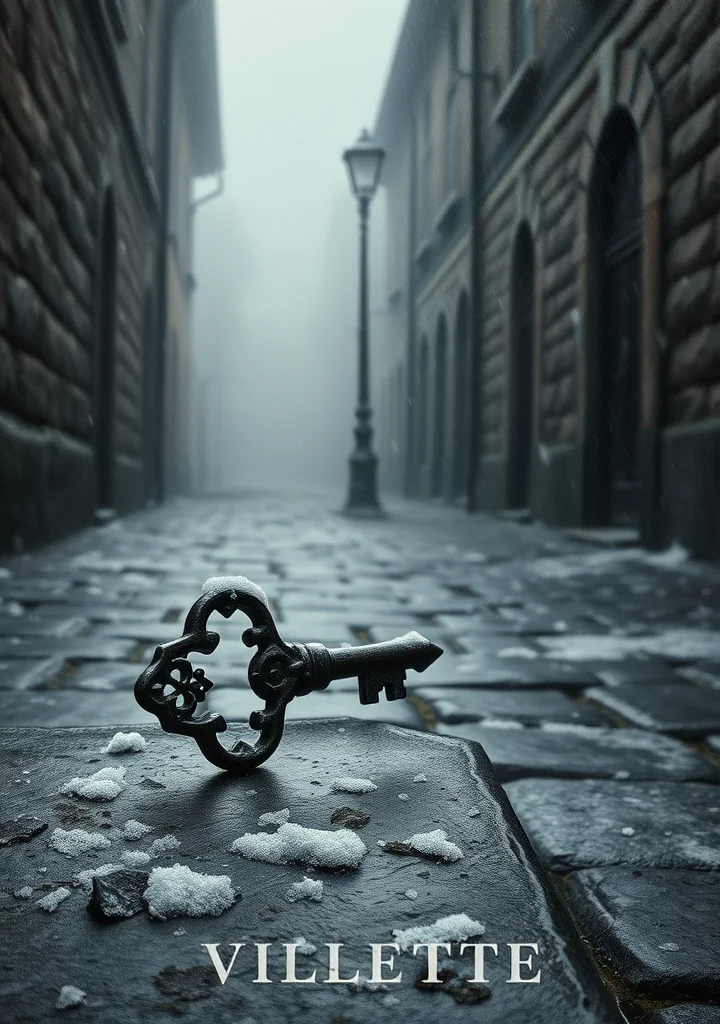
A chill permeates the stone of Eugénie’s provincial existence, a dampness clinging to the very mortar of her father’s avarice. The Grandet household breathes with a suffocating stillness, each room a mausoleum of unfulfilled desires and calculated economies. Within, Eugénie blooms—a pale, fragile flower starved for affection, yet bound by the iron chains of her father’s relentless pursuit of wealth. The narrative unfolds as a slow, agonizing erosion of hope, mirroring the decay within the old manor. Dust motes dance in shafts of failing light, illuminating the subtle cruelties that blossom within the confines of familial duty. A creeping despair seeps into every corner, thickening with the weight of unspoken yearnings and the stifled cries of a woman trapped within a gilded cage of her own making. The air itself feels heavy with the scent of stale ambition and the unspoken grief of a life slowly, meticulously, consumed by the shadow of a single, grasping hand. Every glance, every gesture, is rendered in the muted tones of a life lived under a pall of relentless calculation, the encroaching darkness mirroring the hollowness that devours Eugénie’s spirit. The encroaching winter is not merely seasonal; it is a spiritual frost, settling upon the soul.
Copyright: Public Domain
This license allows anyone to use your story for any purpose, including printing, selling, or adapting it into a film freely.
Recommended for you
13 Part
Dust motes dance in the perpetual twilight of the Algerian Sahara, clinging to the crumbling adobe walls of a forgotten fortress. Here, amidst shifting dunes and whispers of ancient Berber lore, lies Khaled, a man bound by a pact with djinn and shadowed by a legacy of blood and sand. The air itself tastes of regret, thick with the scent of myrrh and the phantom cries of generations consumed by the desert’s hunger. Crawford weaves a narrative steeped in the oppressive heat, where loyalty is a brittle thing, and the line between the living and the damned blurs with each scorching sunrise. Khaled isn’t merely a man, but a vessel for a history of violence, haunted by the spirits of those he’s sworn to protect – or to betray. The fortress becomes a suffocating tomb, echoing with the weight of forgotten oaths and the slow decay of stone. Every shadow conceals a betrayal, every whisper carries the threat of a reckoning. The landscape itself becomes a character, mirroring the fractured soul of the man at its heart. Expect not grand spectacle, but the creeping dread of isolation, the suffocating weight of tradition, and the unnerving realization that the true monsters are not those lurking in the darkness, but those born from the sun-scorched earth and the silences between breaths. The story unfolds like a slow poison, seeping into the marrow of your bones until you, too, feel the weight of Khaled’s burden, the desert’s curse, and the chilling promise of oblivion.
38 Part
A shadowed inheritance. The scent of magnolia and decay clings to the Louisiana plantation where Iola Leroy, a woman passing for white, is drawn into a web of concealed histories and simmering resentments. She moves as a phantom through drawing rooms lit with candelabra fire, her own past a carefully constructed illusion. The air thickens with the whispers of those she has left behind—the mother she can barely recall, the stolen childhood, the weight of a lineage fractured by the auction block. But the house itself breathes with a history far older than its owners, a history woven into the very timbers and draped in the Spanish moss that suffocates the grounds. Every chipped porcelain doll, every tarnished silver frame, seems to watch her with vacant, accusing eyes. Iola’s every kindness is met with a chilling politeness that hides a predatory hunger. The narrative unravels like a tapestry frayed by moths—fragments of letters, snatched conversations overheard in darkened hallways, the slow, deliberate reveal of a secret that threatens to consume Iola’s fragile composure. A sense of creeping dread permeates the narrative, born not from overt violence, but from the stifling weight of expectation, the suffocating silence of complicity, and the ever-present fear of exposure. The garden blooms with poisonous beauty, mirroring the delicate lies upon which Iola’s existence is built. The novel is a slow descent into a haunted landscape of the heart, where the boundaries between self and shadow blur, and the price of freedom is measured in stolen breaths and half-truths.