
-
Read 399
-
0
-
Part 13
Completed, First published Mar 02, 2026
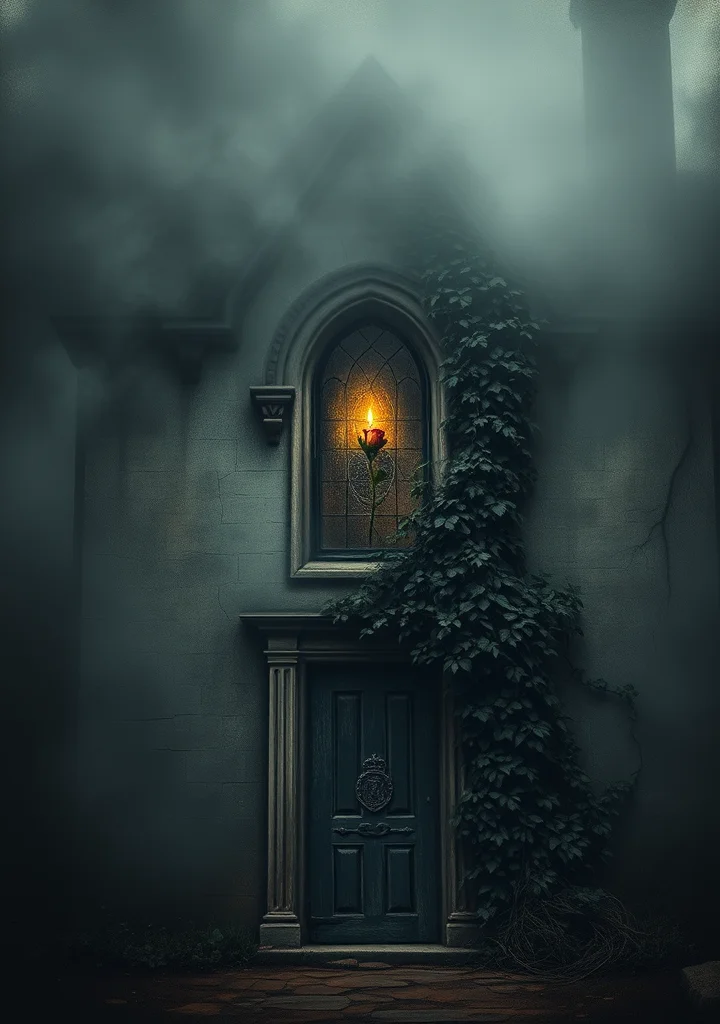
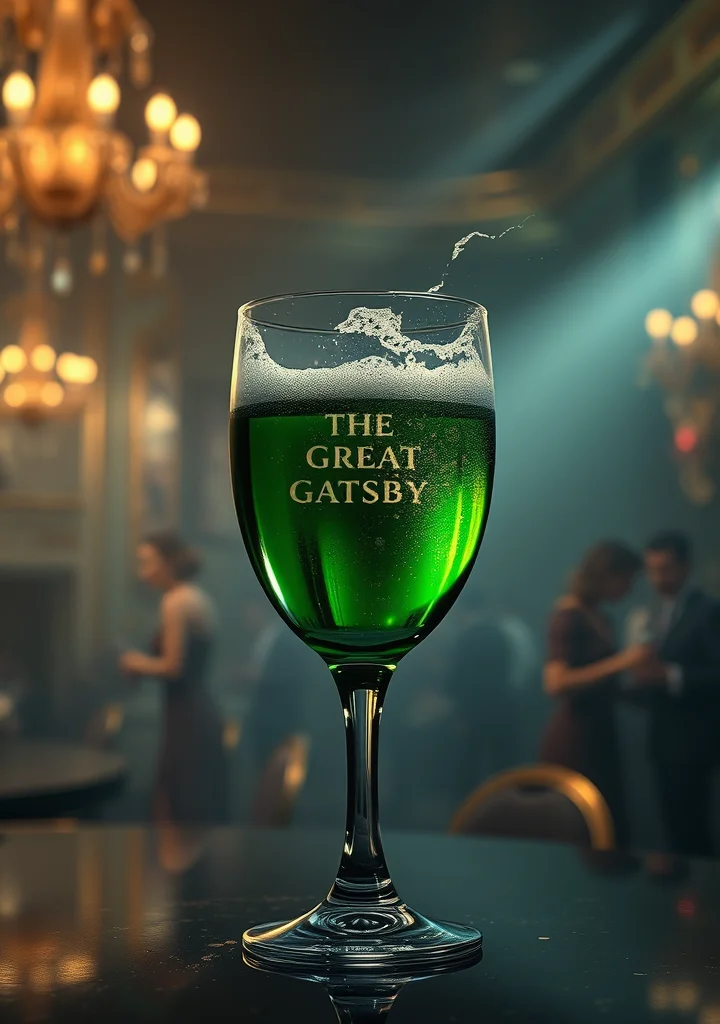
A haze of emerald decay clings to West Egg, where shadows stretch long from impossible towers and the scent of jasmine battles with the brine of a dying summer. This is a story whispered in the humid twilight, a fever dream of gilded cages and hollow laughter. The air vibrates with the phantom weight of a love pursued across years, a reckless devotion blooming in the ruins of a fortune built on sand and borrowed time. Every ballroom shimmer is laced with the bitterness of regret, every champagne bubble reflects a fractured promise. A man named Gatsby, cloaked in myth and fueled by an aching, impossible past, builds his kingdom on a foundation of longing. But the gilded gates conceal not celebration, but a slow, elegant rot. The narrative drifts through opulent rooms haunted by ghosts of ambition and the chilling realization that even the most lavish displays cannot mend a broken heart, or resurrect a lost dream. The Long Island darkness seeps into every frame, staining the bright promise of youth with the indelible mark of tragedy, a suffocating weight pressing down until all that remains is the echo of a single, devastating name.
Copyright: Public Domain
This license allows anyone to use your story for any purpose, including printing, selling, or adapting it into a film freely.
This license allows anyone to use your story for any purpose, including printing, selling, or adapting it into a film freely.
More like this