
Pygmalion
  • 76
  • 0
  • 9
  • Reads 76
  • 0
  • Part 9
Completed, First published Mar 02, 2026

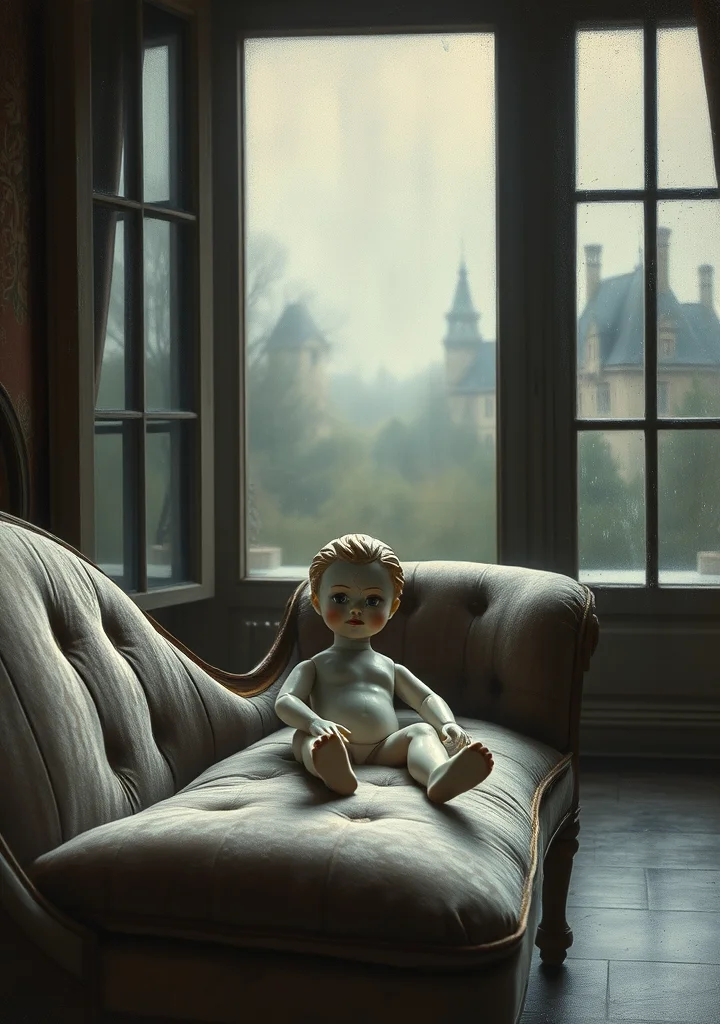
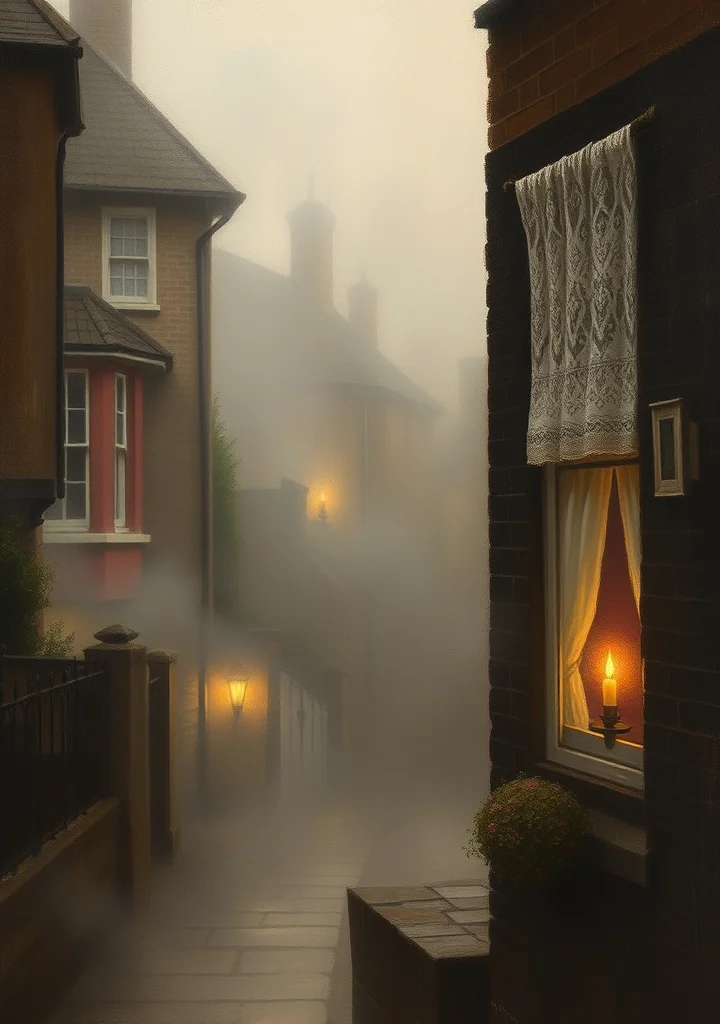
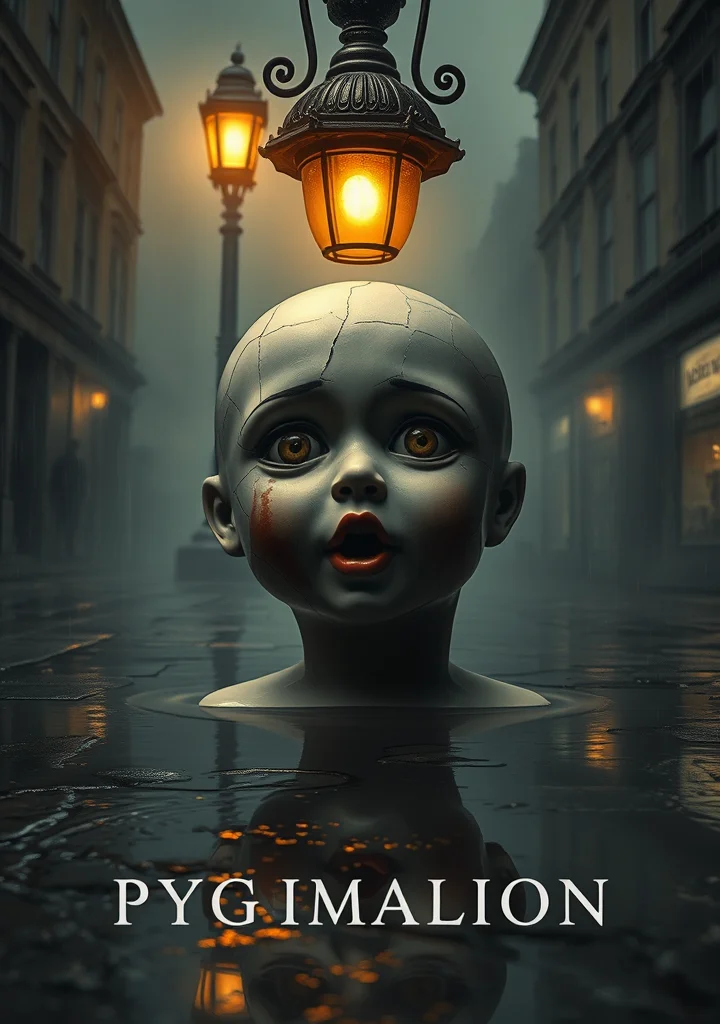
A creeping London fog clings to cobblestones and gaslight, mirroring the miasma of class and expectation that suffocates Eliza Doolittle. The chill isn't merely weather, but a bone-deep recognition of the hollow spaces within ambition. Shaw doesn’t offer warmth, but the brittle echo of polished parlors and the clatter of manufactured refinement. This is a story steeped in the scent of coal smoke and damp wool, where transformation isn't liberation, but a gilded cage forged from expectation. The bloom of Eliza’s 'new' life is a fragile, spectral thing, haunted by the ghost of her former self. Every syllable mastered, every posture perfected, only amplifies the suffocating silence of a soul remade—a porcelain doll brought to life only to find her existence a performance for a cold, calculating gaze. The narrative breathes with the suffocating weight of social pretense, where the cracks in the façade threaten to swallow everything whole. A haunting portrait of how easily a life can be molded, and how utterly desolate the mold can become.


Copyright: Public Domain
This license allows anyone to use your story for any purpose, including printing, selling, or adapting it into a film freely.
Recommended for you
25 Part
A creeping dread settles over the village of Lindeth, a place steeped in shadow and the scent of decaying grandeur. The Rector, a man haunted by quiet grief and a past he cannot outrun, finds himself inexorably drawn into the orbit of the Doctor’s family – a brittle, decaying lineage clinging to respectability amidst whispers of inherited madness. The house itself, a stone leviathan overlooking the grey expanse of the moor, breathes with a suffocating stillness, mirroring the suffocated lives within. A subtle unraveling begins, a slow bleed of secrets into the damp air. The Doctor's wife, a woman carved from ice and regret, watches her children with a chilling detachment, while their very existence feels predicated on a delicate, unspoken bargain. The Rector’s attempts at benevolent observation become entangled in a web of suppressed resentments, hidden debts, and a history of heartbreak that stains every antique surface. Fog clings to the cobbled streets, mirroring the obscuring influence of family history. The narrative moves not with swift shocks, but with the slow, deliberate chill of a winter frost. Each act of kindness, each offered prayer, feels tainted by the pervasive sense that something unspeakable is being prolonged, not prevented. A suffocating claustrophobia descends as the Rector's sympathy becomes complicity, and the house, the family, and the moor itself conspire to conceal a darkness at the heart of Lindeth’s soul. It is a story of the living dead, bound by obligation and circumstance, where the true horror lies not in what is revealed, but in what remains forever buried within the stone walls and fractured hearts.