
Troilus and Cressida
  • 516
  • 0
  • 33
  • Read 516
  • 0
  • Part 33
Completed, First published Mar 02, 2026

A creeping fog clings to the battlements of Troy, mirroring the miasma of doubt that poisons every heart within. The air hangs thick with the scent of brine and decaying ambition, a suffocating perfume of stalled desire. Here, amidst the siege's endless grey, love is a phantom limb, twitching with a feverish longing that breeds not solace, but a cold, meticulous unraveling. Each stolen glance, each whispered promise, echoes in the hollow chambers of a city doomed to fall, a rot spreading from the core of Hector’s valor to the treacherous games of Achilles’ pride. The shadows lengthen, obscuring not just the lines of war, but the very boundaries of loyalty and reason. A suffocating stillness descends with each sunset, broken only by the rasp of steel, the distant howl of grief, and the insidious whispers of betrayal. It is a world where honor is a brittle mask, cracked by the weight of unrequited longing, where every embrace feels like a pact with the encroaching darkness, and where the echoes of laughter are drowned by the rising tide of despair. This is a story not of heroes, but of the ghosts they leave behind – haunted by their own desires, and consumed by the slow, elegant decay of a world steeped in loss. The very stones weep with the salt of forgotten oaths, and the heart beats only to the rhythm of its own inevitable fracturing.
Copyright: Public Domain
This license allows anyone to use your story for any purpose, including printing, selling, or adapting it into a film freely.
More like this

383 Part
A chill wind whispers across the vast, snow-laden estates of Russia, carrying with it the scent of decaying grandeur and unspoken desires. Eugene Onegin unfolds as a spectral lament, a dance between ennui and icy longing. The narrative drifts through opulent St. Petersburg salons and desolate country landscapes, mirroring the fractured heart of its titular anti-hero. A suffocating weight of societal expectation hangs over every gilded ballroom and frozen field, breeding a pervasive melancholy that clings to the ornate interiors like frost. The story unfolds not as a rush of events, but as a slow bleed of regret, observed through the gauze of memory and regret. The characters—polished, brittle, and haunted by their own reflections—move within shadowed chambers and moonlit gardens, their passions stifled by convention. A creeping sense of doom pervades the narrative as love, ambition, and social alienation intertwine, culminating in a tragedy born not of dramatic outburst, but of quiet desperation. The prose itself breathes with the stillness of a winter forest, each phrase meticulously crafted to evoke the cold beauty of the Russian landscape and the frigid indifference of its aristocracy. It is a world of half-tones and whispered secrets, where the shadows lengthen with each passing year and the weight of unfulfilled longing threatens to consume all who dare to seek happiness within its borders. The narrative is less a tale of action, and more a haunting echo of what could have been, lingering in the frosted breath of a forgotten age.
99 Part
A creeping fog of decline settles over Lübeck, mirroring the slow, inexorable decay of the Buddenbrook family. Within the opulent, shadowed confines of their merchant house, generations unravel, bound by tradition yet suffocated by its weight. A chill permeates the ornate rooms, not of winter, but of a creeping malaise—a spiritual exhaustion that clings to velvet curtains and polished mahogany. The scent of almonds and decay hangs heavy in the air, a subtle poison seeping into the veins of each heir. Each chapter unfolds like a funeral procession, hushed and dignified, yet laced with a subtle, suffocating dread. The city itself becomes a character—its canals reflecting the family's fading fortunes, its cobbled streets echoing with the ghosts of ambition and lost vitality. A profound loneliness permeates the narrative, a sense of being entombed alive within a legacy of prosperity. The narrative is not one of dramatic catastrophe, but of a quiet unraveling, a slow erosion of will masked by polite society’s rigid formality. The characters move through their lives as though in a dream, haunted by the specter of what once was—their faces pale and drawn, their voices laced with a melancholy that clings like the damp sea air. The weight of expectation, the burden of inheritance, become visible as a spectral presence in every room, a chilling reminder of the inevitability of dissolution. The novel breathes with the scent of dust, of old money, of secrets whispered in darkened hallways, and the slow, agonizing realization that even the most solid foundations can crumble into nothingness.
68 Part
A creeping fog clings to the cobbled streets of a childhood shadowed by loss. The scent of damp wool and decaying roses permeates the air, clinging to the memory of a vanished father and a stifled mother. Within the cavernous, echoing halls of bleak estates, a boy’s innocence unravels thread by thread, woven with the chilling whispers of ambition and the gnawing hunger of want. Every hearth fire casts dancing, skeletal shadows that mimic the grasping hands of creditors and the predatory smiles of those who feast on vulnerability. The narrative drifts, a spectral current carrying fragments of fractured lives – a brutal stepfather, a suffocating benefactor, a labyrinthine London choked with soot and despair. Each character is a haunted reflection, their faces etched with secrets and their voices laced with the ache of unspoken sorrow. A pervasive melancholy clings to the narrative, thickening like the grime on windowpanes, obscuring the fragile hopes that flicker within the suffocating darkness. The story unfolds not as a simple ascent, but as a slow descent into the labyrinth of the human heart, where every gilded room holds a ghost, and every whispered confidence carries the weight of a forgotten grave. The very air vibrates with the stifled cries of those swallowed by circumstance, their fates echoing in the hollow chambers of a society built on crumbling foundations. It is a world where the brightest smiles conceal the deepest wounds, and where the pursuit of happiness leaves only a trail of dust and regret.
72 Part
A perpetual twilight clings to the Dorrit family, born within the suffocating walls of the Marshalsea Debtors’ Prison. Dust motes dance in the shafts of pallid sunlight that penetrate the gloom, illuminating a world built on inherited despair. The narrative unfolds not as a story of escape, but of entrenchment – a slow, creeping rot within the heart of London’s shadowed districts. A suffocating domesticity, laced with the scent of decay and stale hope, pervades every corner. The city itself breathes a feverish sickness, its cobblestones slick with rain and regret. The weight of ancestral debts presses down like a leaden shroud, mirroring the labyrinthine streets where shadows stretch and lengthen, obscuring the boundaries between freedom and imprisonment. There’s a fragility to the light, a constant sense of something crumbling beneath a veneer of civility. Even the briefest glimpses of sun-drenched fields feel haunted by the prison’s pervasive darkness. The narrative whispers of forgotten inheritances, of lives spent meticulously charting the boundaries of their own cages, and the suffocating intimacy of a family bound by misfortune, not love. A creeping melancholy clings to the prose, a sense of inevitability that echoes in the hollow chambers of the heart. It’s a world where the smallest kindness feels like a desperate plea against oblivion, and where every act of charity is stained with the knowledge of inevitable loss.
59 Part
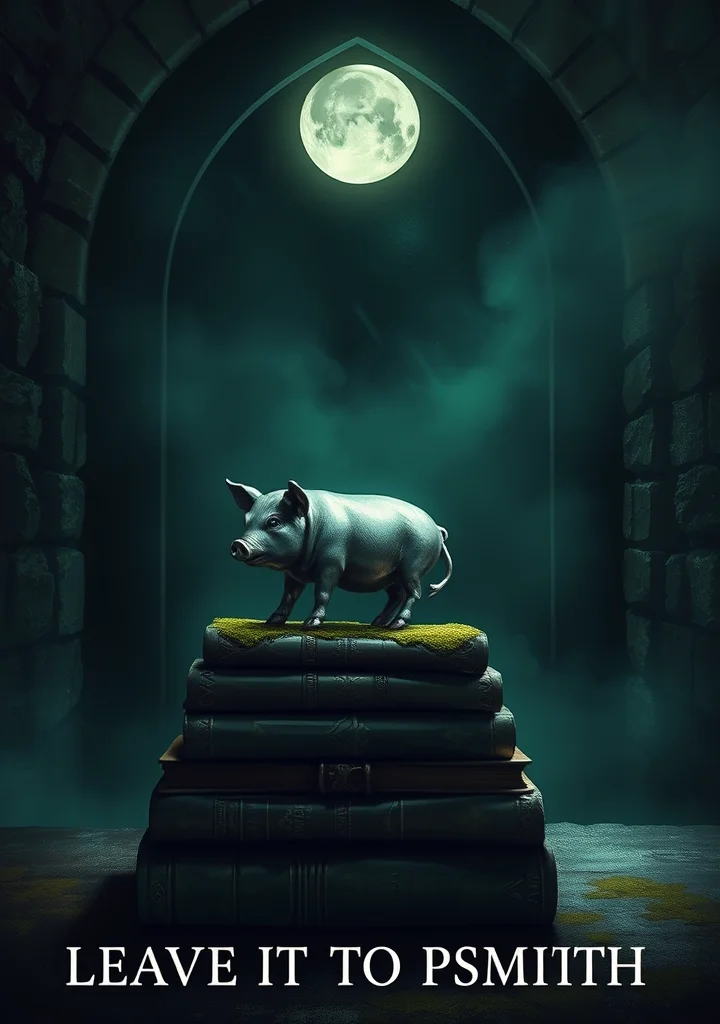
A creeping fog clings to the ancestral halls of Blandings Castle, not of mist, but of expectation – expectation of scandal, of clandestine engagements, of fortunes lost and won on the whims of porcine deities. The air hangs thick with the scent of prize-winning swine, damp earth, and the simmering discontent of a household teetering on the brink of absurdity. This is a world where shadows stretch long and lean, cast by the imposing figures of Galahad Payn, Lord Blandings, and his perpetually exasperated secretary, Beach. Within this suffocating atmosphere of rural decay, a phantom of indolence drifts: Psmith, a gentleman of exquisite apathy, whose arrival unravels the threads of propriety with a languid smile. He is an observer, a catalyst, a master of the subtly disruptive. His influence seeps into the castle's very stones, stirring up the dust of forgotten grievances and the embers of reckless ambition. The narrative unfolds not as a straightforward progression, but as a slow unraveling – a tapestry of whispered plots, stolen glances, and the unnerving stillness of long afternoons. Every room breathes with the weight of inherited secrets, every garden path conceals a hidden tryst. A sense of looming, mischievous chaos pervades, threatening to engulf the rigid order of Blandings in a tide of good-natured, utterly ruinous delight. The very estate feels haunted by the possibility of a perfectly executed, exquisitely pointless rebellion. It’s a darkness lit by the wry, cynical brilliance of Psmith’s knowing gaze.
43 Part
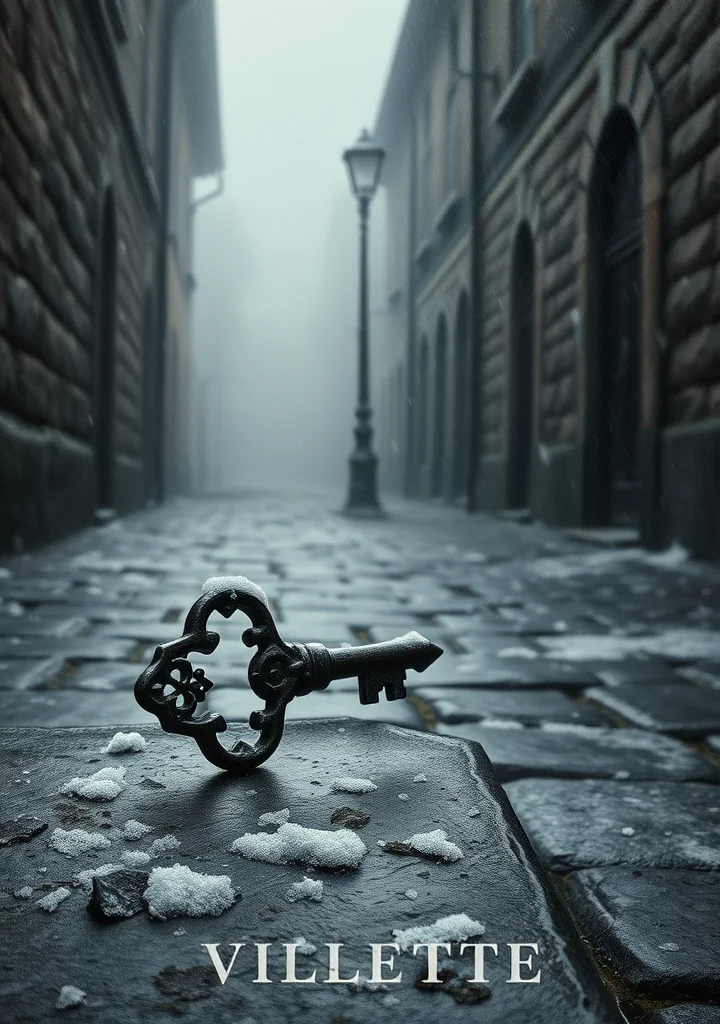
A pall of perpetual grey descends upon the cobbled streets of Villette, mirroring the stifled grief that clings to Lucy Snowe like a shroud. This is not a tale of grand passions, but of a woman’s soul meticulously constructed within the confines of a foreign city, a fortress built against loneliness and the phantom ache of a lost past. The narrative unfolds in shadowed classrooms and the hushed reverence of a Protestant chapel, steeped in a melancholic stillness that breeds secrets. Every glance, every shared breath, is measured, weighed down by an unspoken tension that coils within the very walls of the pensionnat. A city of locked rooms and watchful eyes, Villette breathes with the scent of damp stone and decaying lace. The air is thick with the unspoken desires of its inhabitants, their suppressed longings echoing in the corridors. A spectral presence haunts the periphery—the ghostly figure of a doctor, a feverish delirium, and the chilling weight of a past trauma that threatens to unravel Lucy’s carefully ordered existence. Here, beneath the oppressive weight of convention, a fragile bloom of self-possession takes root, blossoming amidst the decay. But even in this quiet flowering, a sense of dread lingers—a premonition of a final, devastating reckoning where the boundaries between reality and illusion blur, leaving Lucy suspended between salvation and utter dissolution, forever marked by the shadows of Villette. The city itself becomes a character, breathing with a suffocating intensity, a prison of the heart veiled in perpetual twilight.
50 Part
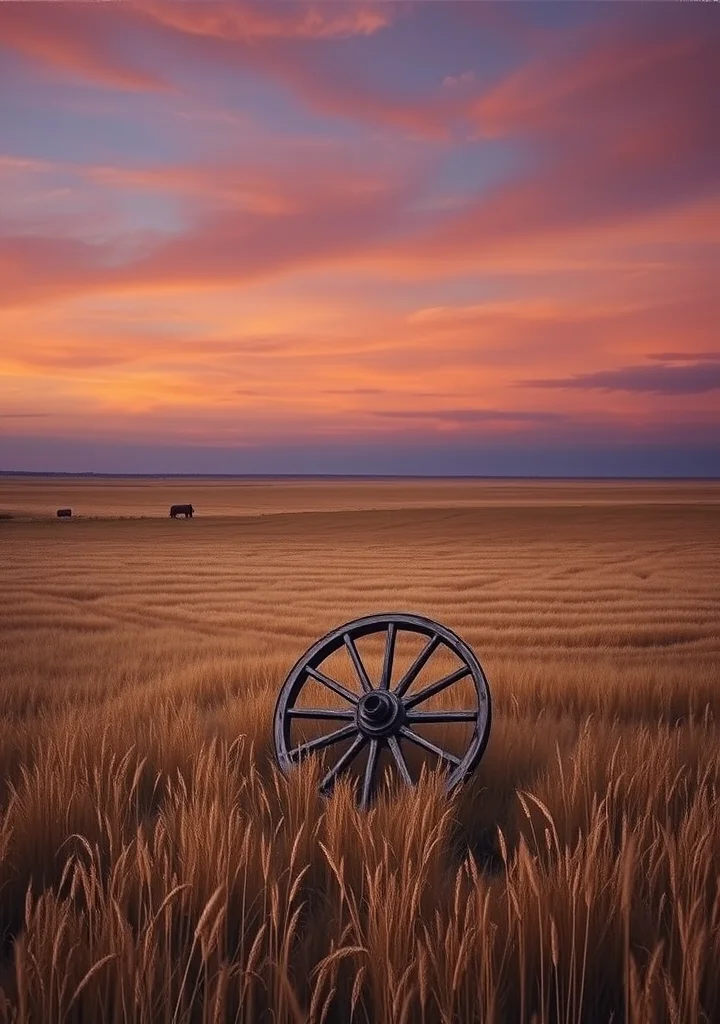
Dust-choked prairies stretch towards a horizon perpetually bruised violet, mirroring the ache within the heart. This is a story breathed from the wind-scoured earth, a lament for a lost Eden etched in the bone-white light of Nebraska summers. It unfolds not as a specter of the supernatural, but as a haunting through absence – the absence of youth, of innocence, of a world before the relentless march of progress. The narrative clings to the memory of Ántonia like clinging vines to a crumbling barn, a figure both vital and spectral, forged in hardship and stained with the relentless sun. Shadows lengthen across the farmsteads, mirroring the encroaching anxieties of the immigrant experience, a land both promising salvation and delivering brutal isolation. The beauty of the landscape, vast and unforgiving, becomes a character itself – a silent witness to fractured dreams and the slow erosion of hope. It’s a world built on the hushed whispers of shared toil and the weight of unfulfilled promises, where the past is a phantom limb, forever felt but forever out of reach. The scent of hay and manure, the mournful howl of the winter wind—these are the talismans of a life surrendered to the unforgiving plains, a life observed from a distance, filtered through the gauze of memory and regret. A stillness descends with the dusk, a premonition of the stories buried beneath the fields, whispering of lives broken and rebuilt, leaving only ghosts in the furrows.

297 Part
A descent into shadowed valleys where morality itself is a crumbling edifice. The air hangs thick with the scent of decay, not of flesh, but of belief. This is a landscape carved from the obsidian of doubt, where the sun bleeds into a perpetual twilight and the echoes of forgotten gods whisper through fractured minds. It isn’t a story of villains to be vanquished, but of masks discarded, revealing the cold, magnificent indifference beneath. Each chapter unfolds like a slow unraveling—a descent not into sin, but beyond its very definition. The narrative clings to the jagged edges of reason, tracing the contours of a will to power that consumes not with fire, but with a glacial, irresistible logic. Shadows stretch from the ruins of old values, twisting into monstrous forms born of ambition and ressentiment. There are no heroes here, only climbers scaling the precipice of their own self-overcoming, their hands stained with the dust of shattered idols. The silence between the lines is a vast, echoing chasm—a void mirroring the abyss within each self-proclaimed ‘good’ man. It’s a chronicle of becoming, of forging a new dawn from the embers of a dying world, a world where the only truth is the will to create, to destroy, to *become* beyond the shackles of pity and remorse. The landscape is one of perpetual internal warfare, where the battlefield is the self, and the stakes are nothing less than the remaking of existence itself.