
-
Read 1.6K
-
0
-
Part 118
Completed, First published Mar 02, 2026
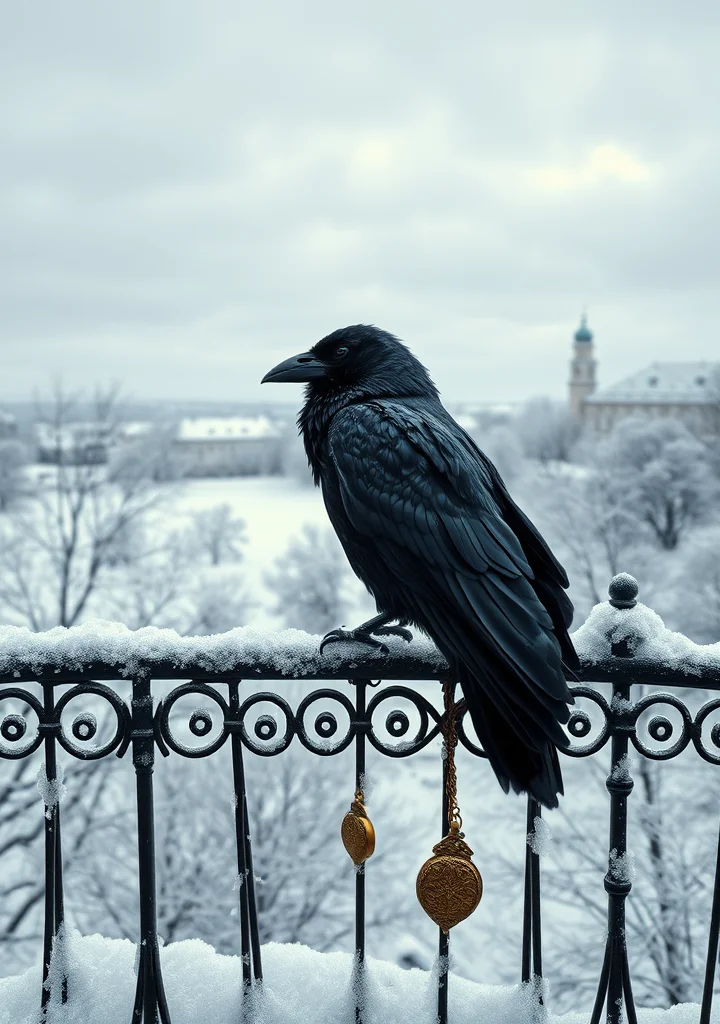
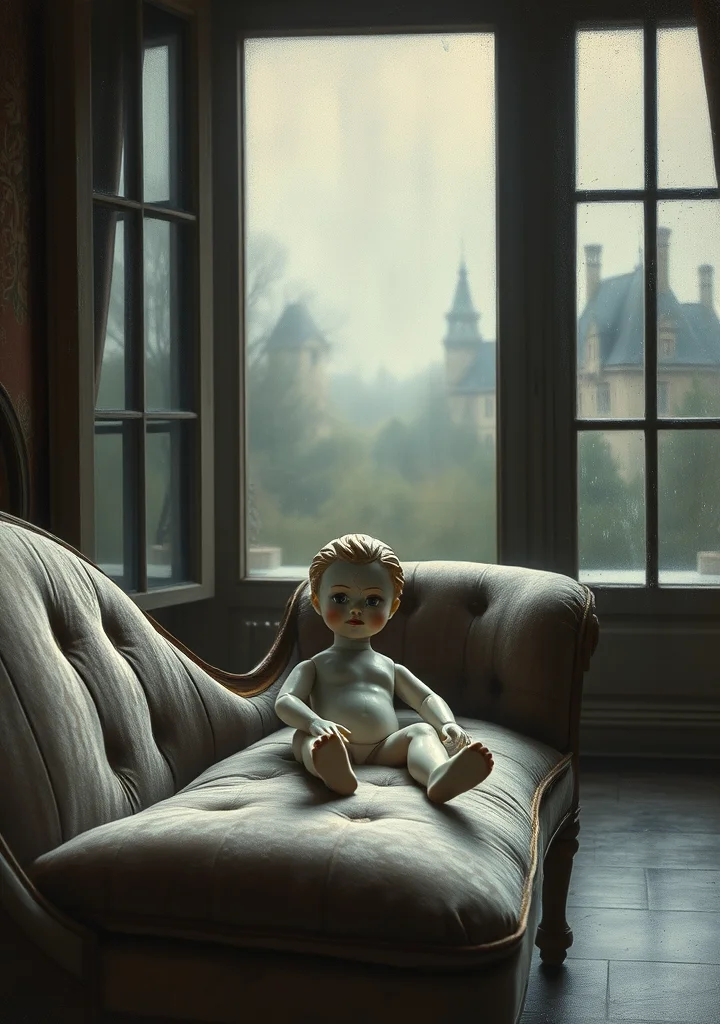
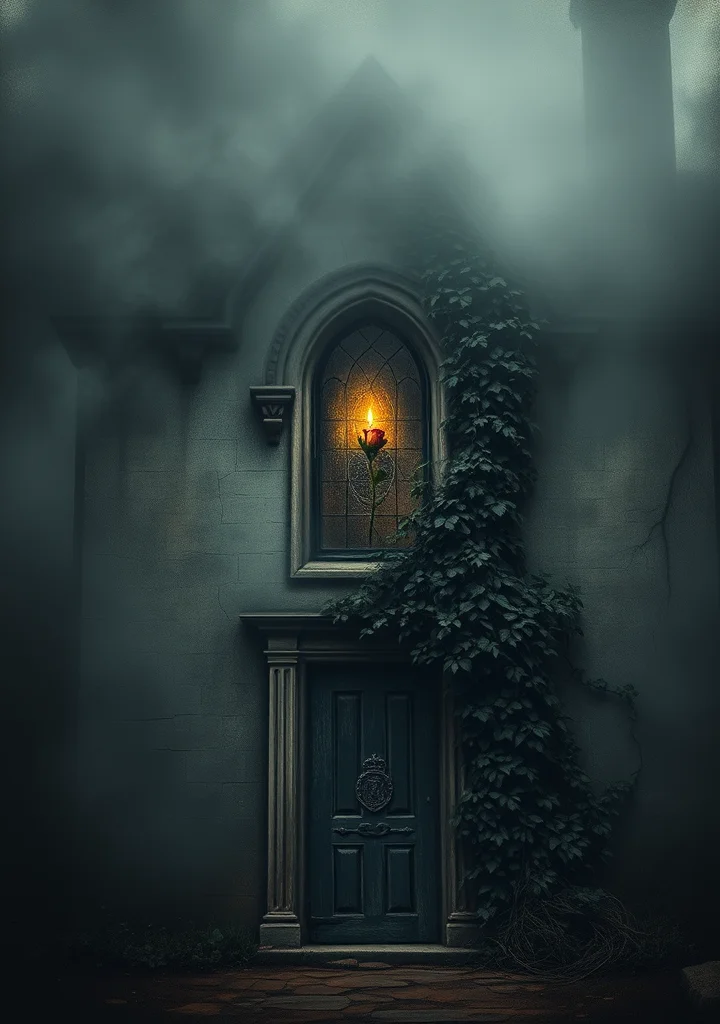
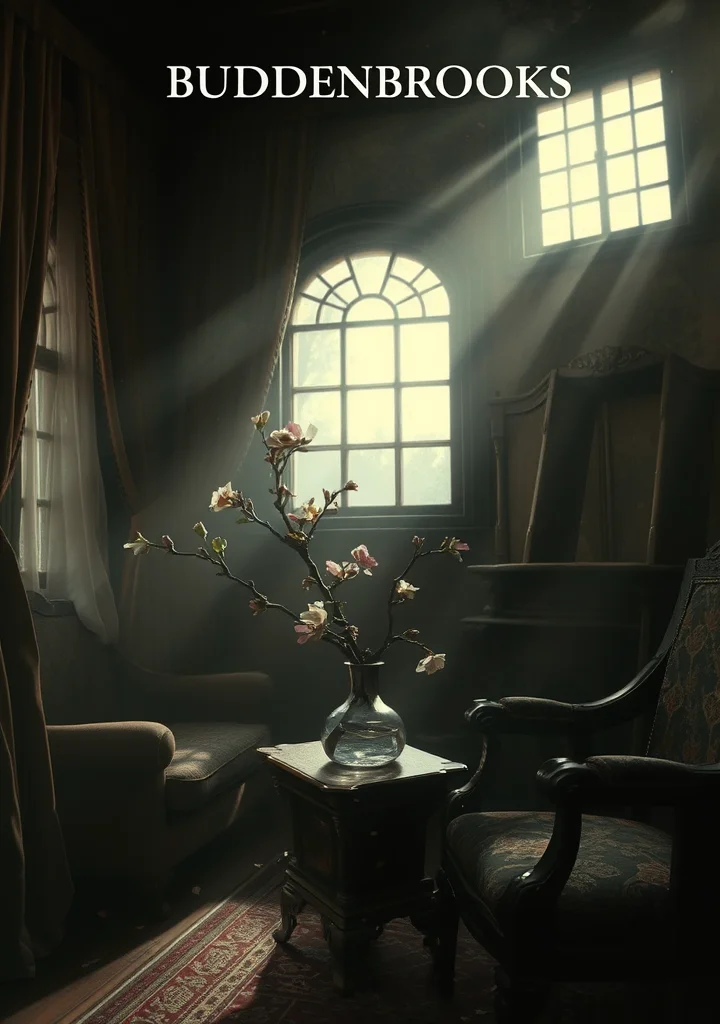
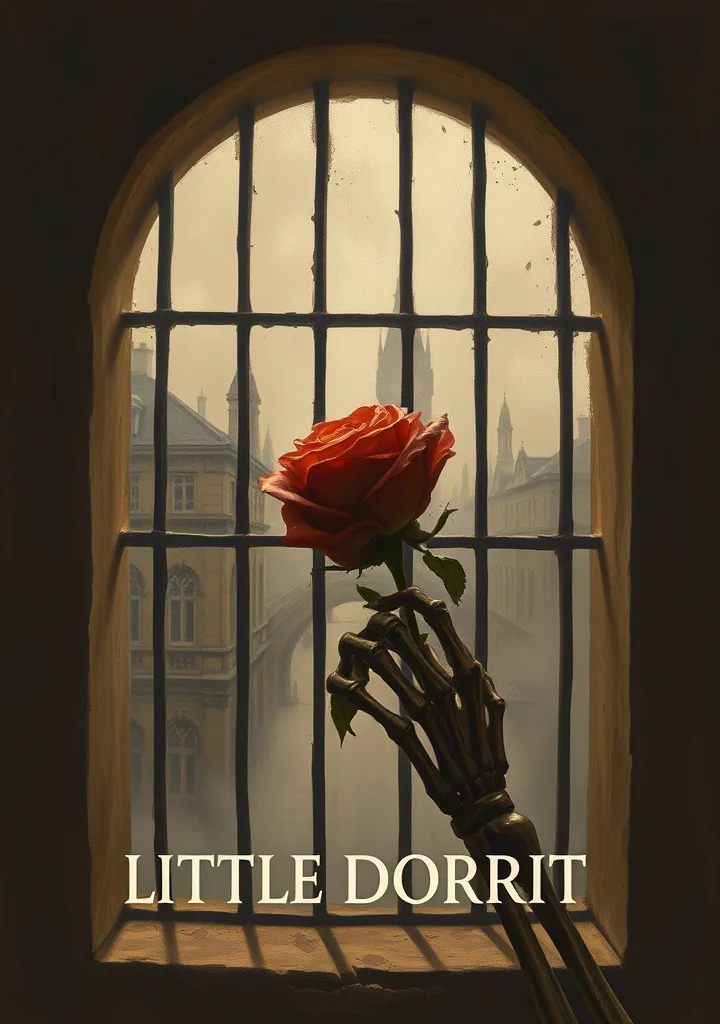
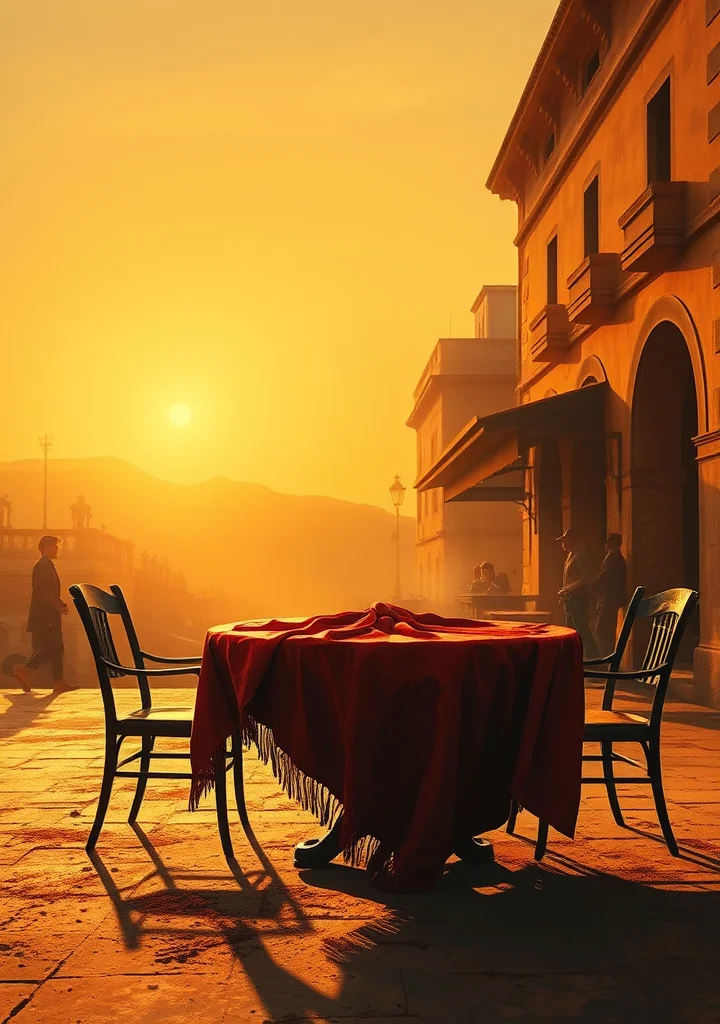
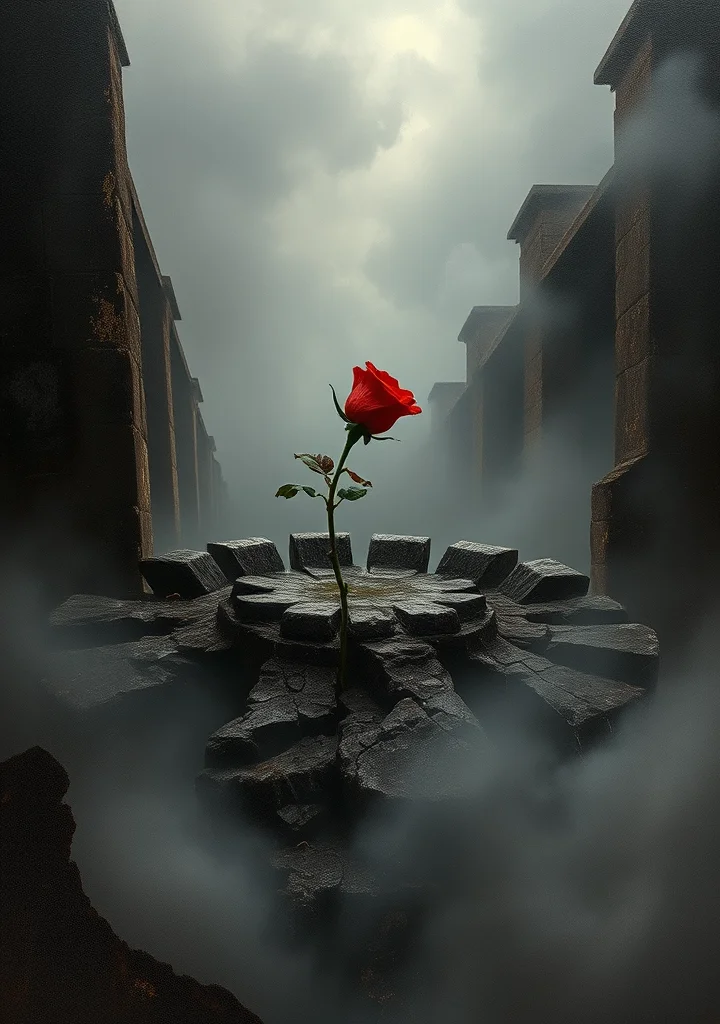
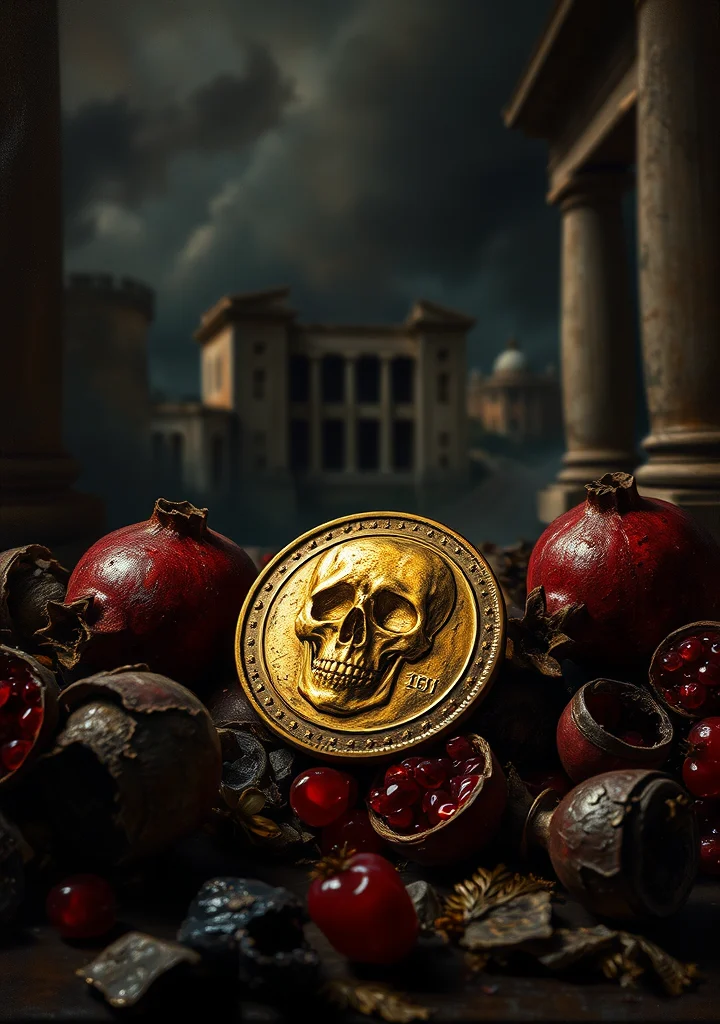
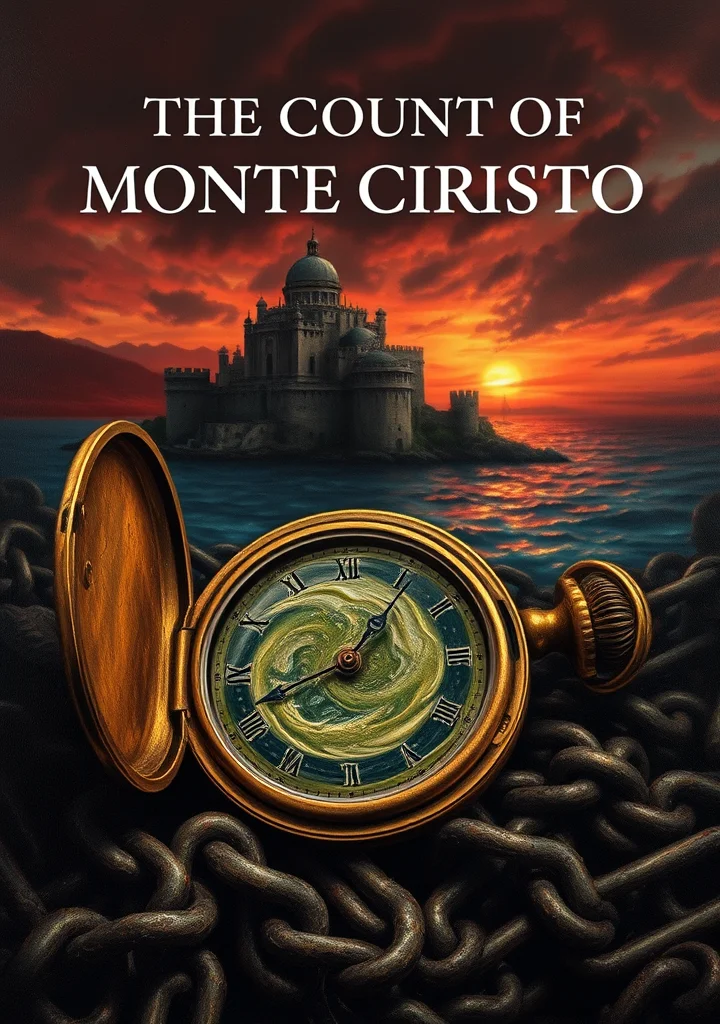
A darkness clings to the stones of the Château d'If, mirroring the despair that festers within Edmond Dantès’ heart. Years dissolve into a suffocating brine, each wave a whisper of lost innocence and gnawing ambition. The Mediterranean sun bleeds a false warmth onto the shores where vengeance is born, a fever dream woven from stolen gold and the skeletal remains of hope.
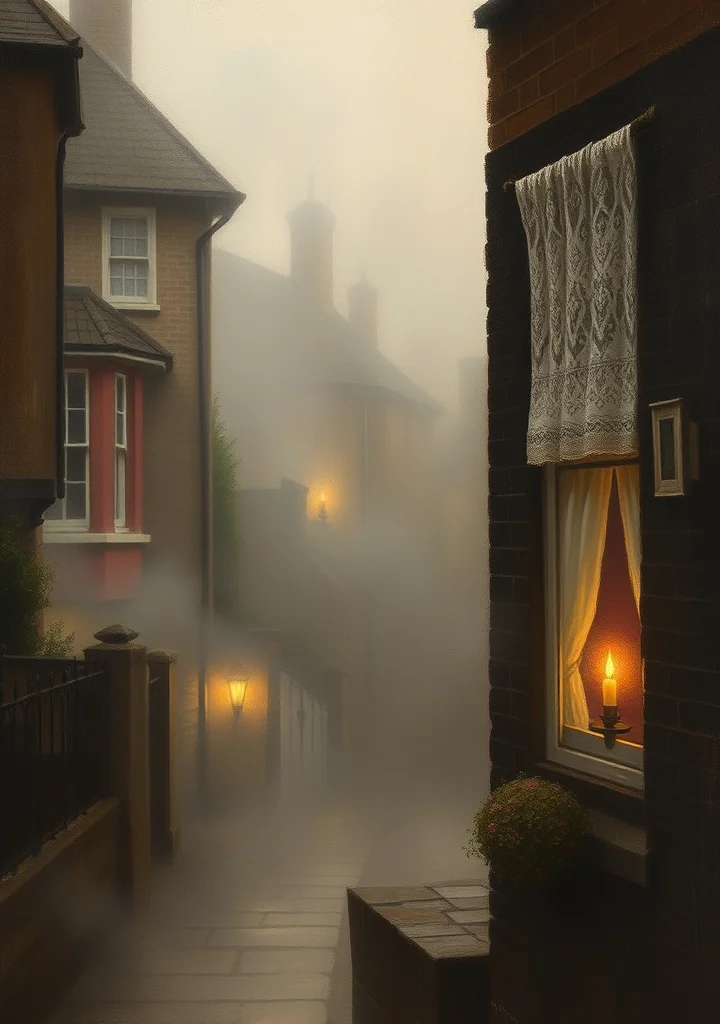
The scent of salt and decay permeates every shadowed alley of Paris, where fortunes rise and fall like tides pulling at the wreckage of broken men. A labyrinth of secret pacts and glittering deceits unfolds, draped in velvet and perfumed with the rot of aristocratic indulgence.
Whispers follow Dantès’ every move, a phantom echo of the man he once was, consumed by the Count’s icy resolve. The air thickens with the weight of retribution, a suffocating presence in candlelit chambers and the echoing silence of vast estates.
Each act of calculated retribution casts a pallid light upon the crumbling foundations of morality, revealing the hollowed-out shells of those who dared to betray him. The Count’s shadow stretches long and cold, a testament to the exquisite torment of a soul forged in the crucible of betrayal, leaving behind a legacy etched in the very dust of forgotten graves.
Copyright: Public Domain
This license allows anyone to use your story for any purpose, including printing, selling, or adapting it into a film freely.
This license allows anyone to use your story for any purpose, including printing, selling, or adapting it into a film freely.
Chapter List
-
« The Count of Monte Cristo »📖 Continue Reading
-
« I »
-
« II »
-
« III »
-
« IV »
-
« V »
-
« VI »
-
« VII »
-
« VIII »
-
« IX »
-
« X »
-
« XI »
-
« XII »
-
« XIII »
-
« XIV »
-
« XV »
-
« XVI »
-
« XVII »
-
« XVIII »
-
« XIX »
-
« XX »
-
« XXI »
-
« XXII »
-
« XXIII »
-
« XXIV »
-
« XXV »
-
« XXVI »
-
« XXVII »
-
« XXVIII »
-
« XXIX »
-
« XXX »
-
« XXXI »
-
« XXXII »
-
« XXXIII »
-
« XXXIV »
-
« XXXV »
-
« XXXVI »
-
« XXXVII »
-
« XXXVIII »
-
« XXXIX »
-
« XL »
-
« XLI »
-
« XLII »
-
« XLIII »
-
« XLIV »
-
« XLV »
-
« XLVI »
-
« XLVII »
-
« XLVIII »
-
« XLIX »
-
« L »
-
« LI »
-
« LII »
-
« LIII »
-
« LIV »
-
« LV »
-
« LVI »
-
« LVII »
-
« LVIII »
-
« LIX »
-
« LX »
-
« LXI »
-
« LXII »
-
« LXIII »
-
« LXIV »
-
« LXV »
-
« LXVI »
-
« LXVII »
-
« LXVIII »
-
« LXIX »
-
« LXX »
-
« LXXI »
-
« LXXII »
-
« LXXIII »
-
« LXXIV »
-
« LXXV »
-
« LXXVI »
-
« LXXVII »
-
« LXXVIII »
-
« LXXIX »
-
« LXXX »
-
« LXXXI »
-
« LXXXII »
-
« LXXXIII »
-
« LXXXIV »
-
« LXXXV »
-
« LXXXVI »
-
« LXXXVII »
-
« LXXXVIII »
-
« LXXXIX »
-
« XC »
-
« XCI »
-
« XCII »
-
« XCIII »
-
« XCIV »
-
« XCV »
-
« XCVI »
-
« XCVII »
-
« XCVIII »
-
« XCIX »
-
« C »
-
« CI »
-
« CII »
-
« CIII »
-
« CIV »
-
« CV »
-
« CVI »
-
« CVII »
-
« CVIII »
-
« CIX »
-
« CX »
-
« CXI »
-
« CXII »
-
« CXIII »
-
« CXIV »
-
« CXV »
-
« CXVI »
-
« CXVII »
118
-
« The Count of Monte Cristo »
-
« I »
-
« II »
-
« III »
-
« IV »
-
« V »
-
« VI »
-
« VII »
-
« VIII »
-
« IX »
-
« X »
-
« XI »
-
« XII »
-
« XIII »
-
« XIV »
-
« XV »
-
« XVI »
-
« XVII »
-
« XVIII »
-
« XIX »
-
« XX »
-
« XXI »
-
« XXII »
-
« XXIII »
-
« XXIV »
-
« XXV »
-
« XXVI »
-
« XXVII »
-
« XXVIII »
-
« XXIX »
-
« XXX »
-
« XXXI »
-
« XXXII »
-
« XXXIII »
-
« XXXIV »
-
« XXXV »
-
« XXXVI »
-
« XXXVII »
-
« XXXVIII »
-
« XXXIX »
-
« XL »
-
« XLI »
-
« XLII »
-
« XLIII »
-
« XLIV »
-
« XLV »
-
« XLVI »
-
« XLVII »
-
« XLVIII »
-
« XLIX »
-
« L »
-
« LI »
-
« LII »
-
« LIII »
-
« LIV »
-
« LV »
-
« LVI »
-
« LVII »
-
« LVIII »
-
« LIX »
-
« LX »
-
« LXI »
-
« LXII »
-
« LXIII »
-
« LXIV »
-
« LXV »
-
« LXVI »
-
« LXVII »
-
« LXVIII »
-
« LXIX »
-
« LXX »
-
« LXXI »
-
« LXXII »
-
« LXXIII »
-
« LXXIV »
-
« LXXV »
-
« LXXVI »
-
« LXXVII »
-
« LXXVIII »
-
« LXXIX »
-
« LXXX »
-
« LXXXI »
-
« LXXXII »
-
« LXXXIII »
-
« LXXXIV »
-
« LXXXV »
-
« LXXXVI »
-
« LXXXVII »
-
« LXXXVIII »
-
« LXXXIX »
-
« XC »
-
« XCI »
-
« XCII »
-
« XCIII »
-
« XCIV »
-
« XCV »
-
« XCVI »
-
« XCVII »
-
« XCVIII »
-
« XCIX »
-
« C »
-
« CI »
-
« CII »
-
« CIII »
-
« CIV »
-
« CV »
-
« CVI »
-
« CVII »
-
« CVIII »
-
« CIX »
-
« CX »
-
« CXI »
-
« CXII »
-
« CXIII »
-
« CXIV »
-
« CXV »
-
« CXVI »
-
« CXVII »
More like this