
The Viaduct Murder
  • 227
  • 0
  • 30
  • Reads 227
  • 0
  • Part 30
Completed, First published Mar 02, 2026

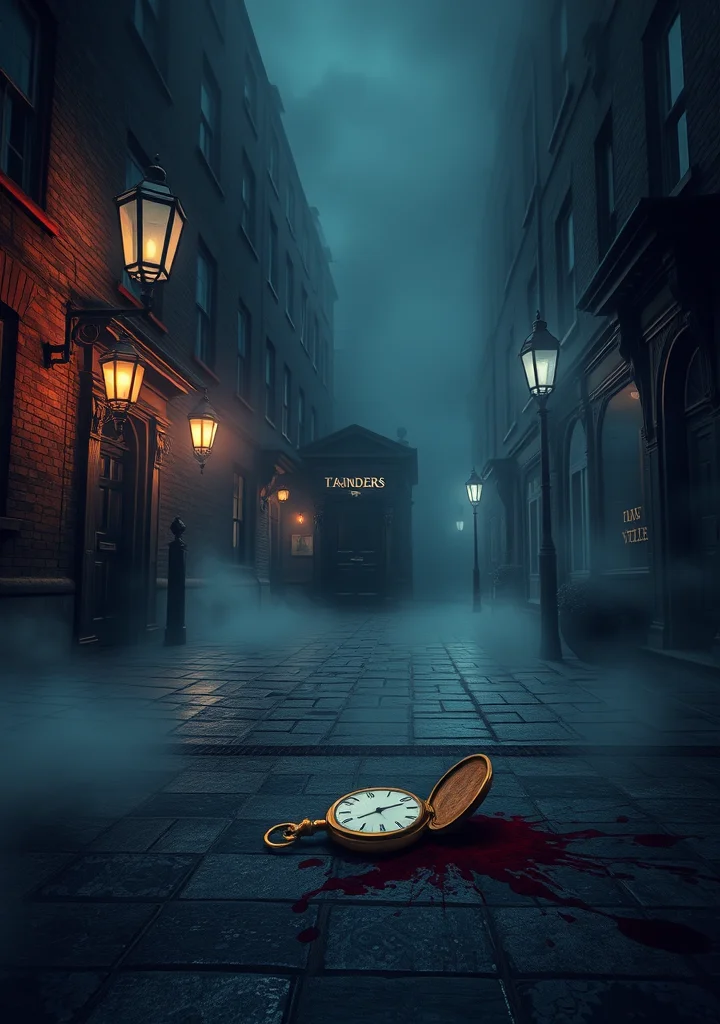
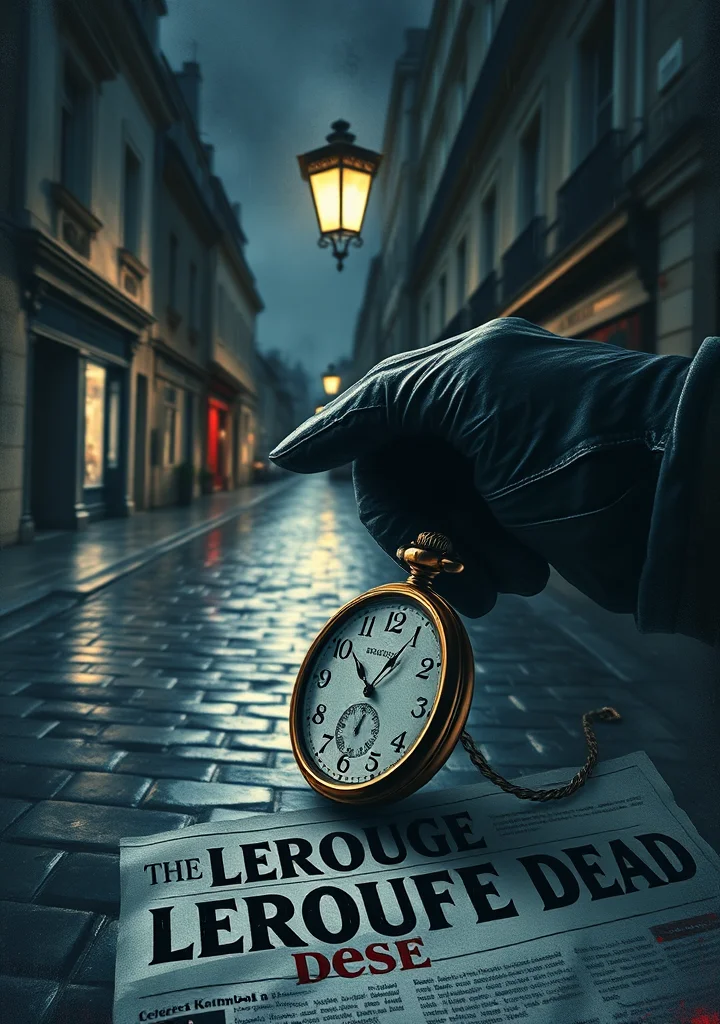
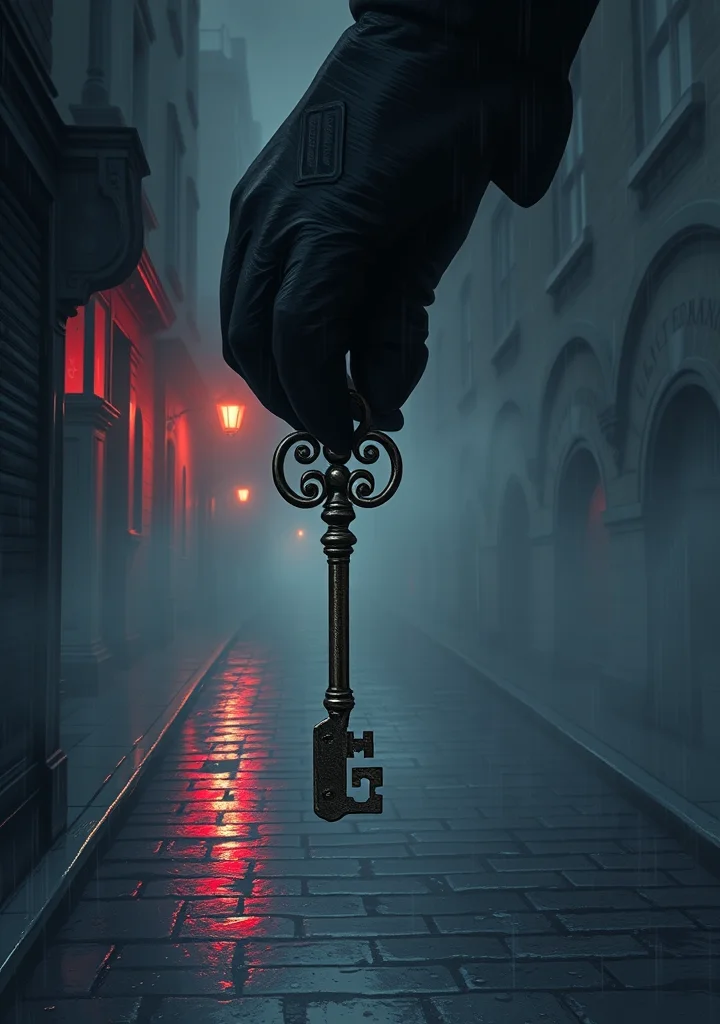
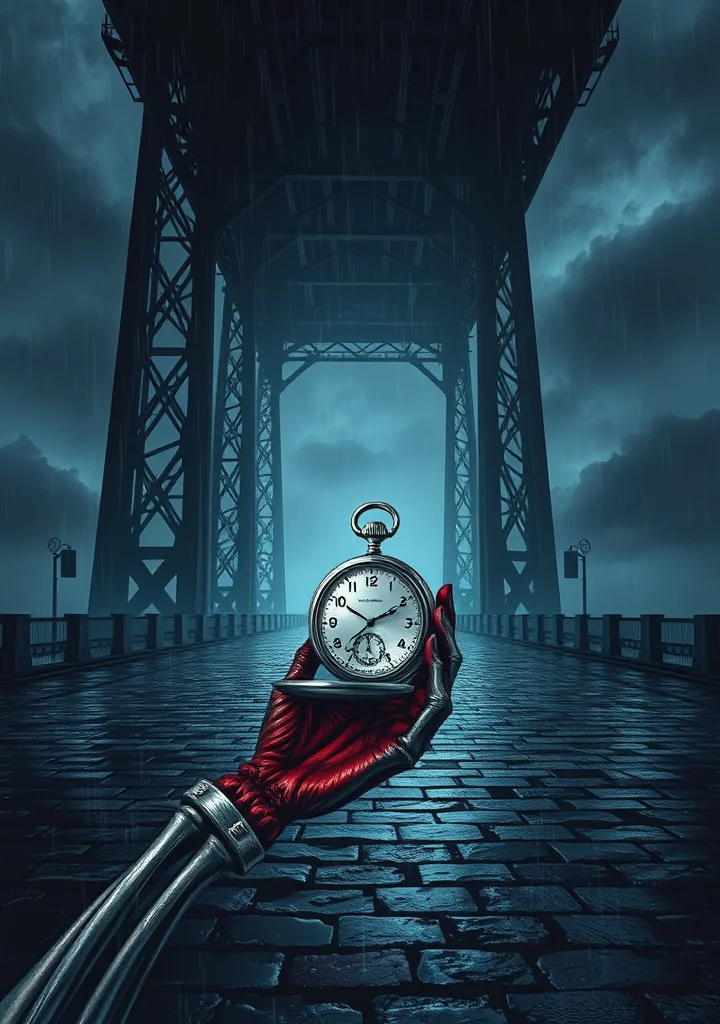
A perpetual twilight clings to the iron bones of the viaduct, a skeletal frame strung across the valley like a forgotten prayer. Rain-slicked cobblestones whisper with the echoes of footfalls long since swallowed by the mist, each drop a morbid punctuation mark on the chilling tale that unfolds beneath its arches. The murder itself, a brutal severing witnessed only by the indifferent stone, is but a single, festering wound upon the greater rot of Harrowgate. This is a town steeped in a melancholic piety, where shadowed alleys breed not just thieves, but a creeping dread that coils around the throat. The investigation, led by a detective haunted by his own failures, peels back layers of civic decay, revealing a network of silent complicity and festering resentments. Every doorway seems to exhale a sigh of grief, every window holds a watchful, accusing eye. The air hangs heavy with the scent of damp wool, decaying leaves, and something else—something metallic and old. A suffocating dread permeates the narrative, not from supernatural horror, but from the brutal, human capacity for cruelty. The viaduct isn’t merely a location; it’s a symbol of the town’s isolation, a place where secrets go to die, and where the line between justice and vengeance dissolves into the swirling fog. The investigation isn’t simply about finding a killer, it's about uncovering the darkness that has taken root in the heart of Harrowgate.
Copyright: Public Domain
This license allows anyone to use your story for any purpose, including printing, selling, or adapting it into a film freely.
Recommended for you
19 Part
The manor hums with static, a low throb beneath floorboards and within the chipped porcelain dolls that populate its shadowed halls. Old money clings to the Thayer estate like ivy, choking the life from the stone. Our protagonist, a woman named Iris, arrives as the “companion” to the reclusive Mr. Silas Blackwood—a man rumored to have grafted his grief onto the very architecture of the house, weaving it into the electrical wiring that now snakes through every room. But the house *feels*. It breathes with the rhythms of forgotten machines, whispers through copper filaments, and reflects Iris’s own loneliness in the flickering gas lamps. She soon discovers the wiring isn’t merely a means of illumination, but a conduit for Blackwood’s obsessions—a network of surveillance, of control, and of a love so fractured it’s been reassembled into something cold and metallic. The air tastes of ozone and dust. Every creak of the floorboards feels like a watched step. Iris finds herself increasingly drawn to the hidden rooms where Blackwood conducts his experiments—rooms filled with humming devices, spools of wire, and the scent of burnt circuitry. She begins to suspect the manor isn’t protecting Blackwood from the world, but *from* himself, and that Iris, wired into his strange affection, is becoming another layer in his increasingly fragile construction. The further she delves into the house’s heart, the more she realizes this isn’t a love story, but a parasitic entanglement with a man who has made himself a ghost within his own machine.
77 Part
A creeping fog clings to the shores of Penguin Island, a land born not of earth but of the icy breath of the North Atlantic. The narrative drifts like wreckage on a grey sea, charting the history of a colony of penguins who, through a perverse twist of evolution and the dubious guidance of a shipwrecked priest, claim lineage from the ancient Celts. It’s a history soaked in brine and shadowed by the perpetual twilight of the Southern Ocean. The island itself is a crumbling monastery of stone and feather, where the penguin-priests chant in echoing caves, their rituals laced with a melancholic, avian piety. The air hangs heavy with the scent of fish and decay, a constant reminder of the island’s isolation. Each chapter unravels like a barnacle encrusting a forgotten hull, revealing a world where theological debate is punctuated by the screech of gulls and the mournful cry of the wind. A slow, deliberate rot pervades the narrative; the crumbling faith, the decaying structures, the very bodies of the penguins themselves seem destined to dissolve back into the churning, unforgiving sea. There’s a pervasive sense of the absurd, a mocking grandeur that clings to the story like seaweed to a drowned man’s limbs. It’s a gothic fable woven from salt spray, philosophical despair, and the unsettling, uncanny gaze of creatures forever poised between heaven and the icy abyss. The island doesn’t yield to understanding, it *consumes* it, leaving only a chill and the whisper of wings in the perpetual fog.
6 Part
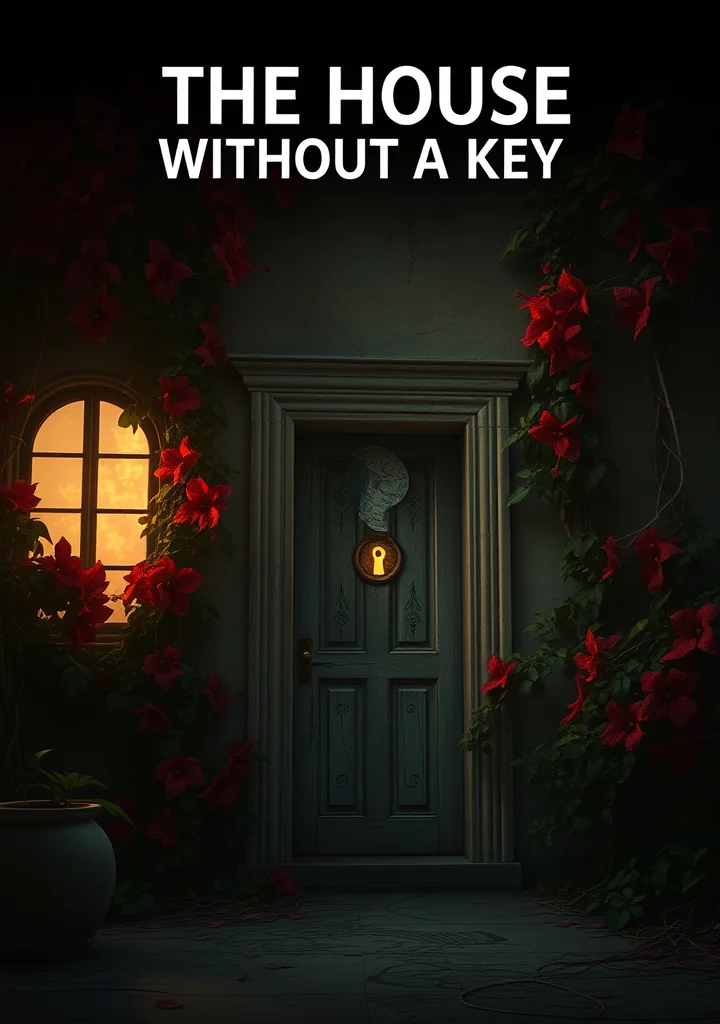
Dust motes dance in the perpetual twilight of Rackrent Castle, a crumbling edifice steeped in the melancholic scent of damp stone and forgotten linen. Here, generations of the Rackrent family have clung to their ancestral lands, bound by a peculiar, insidious devotion to the estate itself—a devotion that festers alongside the rot in the ancient timbers. The narrative unravels not as a grand saga of heroes, but as a slow, deliberate erosion of fortune and character, narrated by a cynical, observing steward whose voice is as grey as the castle walls. Each chapter whispers of debts accrued, of tenants exploited, and of a creeping moral decay that mirrors the decay of the castle’s fabric. The very air hangs heavy with the weight of unfulfilled promises and the lingering resentment of those who have witnessed the Rackrent legacy unfold. It is a story told in shadows, where the true horror isn’t found in spectral apparitions, but in the quiet, suffocating grip of avarice and the brutal logic of inheritance. The landscape itself becomes a character, a desolate expanse mirroring the barrenness of the Rackrent hearts. The castle’s stones seem to absorb the grief and ambition of each passing generation, becoming a silent judge of their failings. A sense of claustrophobia pervades, not from confined spaces, but from the inescapable weight of the past, pressing down upon the present like a shroud. It is a story of possession – not by ghosts, but by the land, and the insidious power it wields over those who claim to own it.
75 Part
Dust motes dance in perpetual twilight within the rambling, suffocating confines of the Old Curiosity Shop, a place where time itself seems to fray at the edges. The air hangs thick with the scent of decay and forgotten dreams, clinging to the warped timbers and shadowed corners. A suffocating weight of secrets presses down, mirroring the burden carried by little Nell, a fragile bloom wilting under the gaze of avarice. The shop’s labyrinthine depths swallow light, revealing glimpses of grotesque relics—grimacing masks, tarnished silver, and the hollow eyes of forgotten dolls—each a silent witness to generations of loss. A creeping dread seeps from the very stones, fueled by the malevolent presence of Quilp, a creature born of spite and fueled by cruelty. The narrative unfolds not as a journey, but as a descent, spiraling deeper into a labyrinth of shadowed alleys and decaying grandeur. London itself breathes with a feverish pulse, a city of echoing footfalls and whispered conspiracies. Every encounter is veiled in ambiguity, every kindness shadowed by the looming threat of betrayal. The oppressive atmosphere is less a setting, and more a character—a suffocating entity that threatens to consume Nell and all she holds dear within its suffocating embrace. The antique objects are not merely curiosities, but fragments of fractured souls, each holding a piece of the shop’s decaying history. It is a world where innocence is a fragile currency, and darkness preys on the edges of hope.