
The Lazy Detective
  • 184
  • 0
  • 31
  • Reads 184
  • 0
  • Part 31
Completed, First published Mar 02, 2026

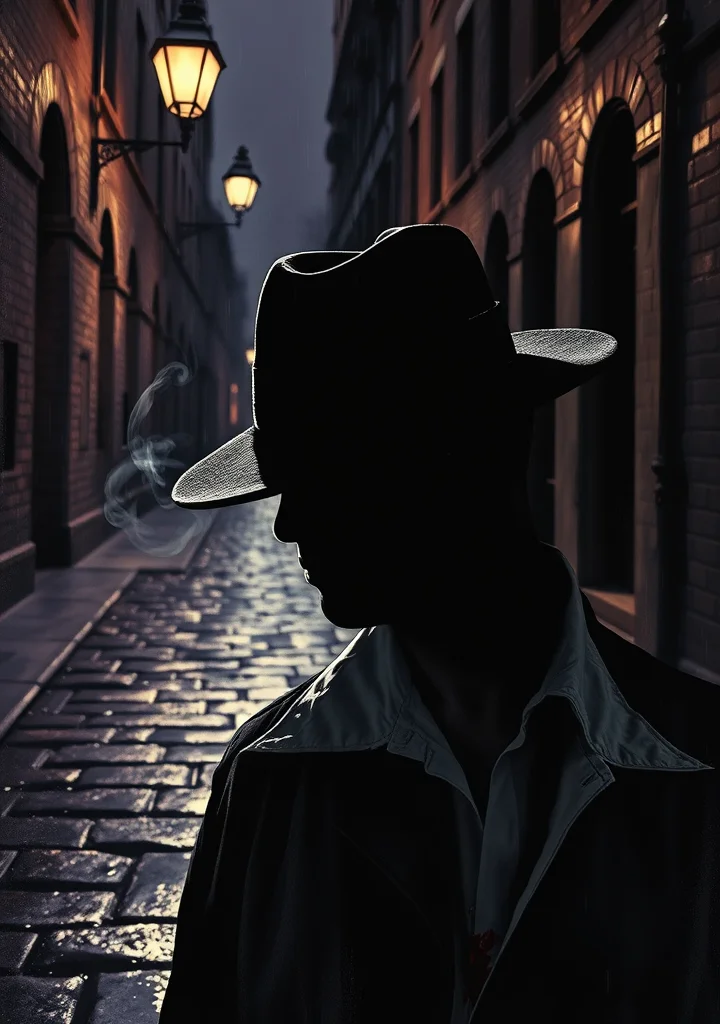
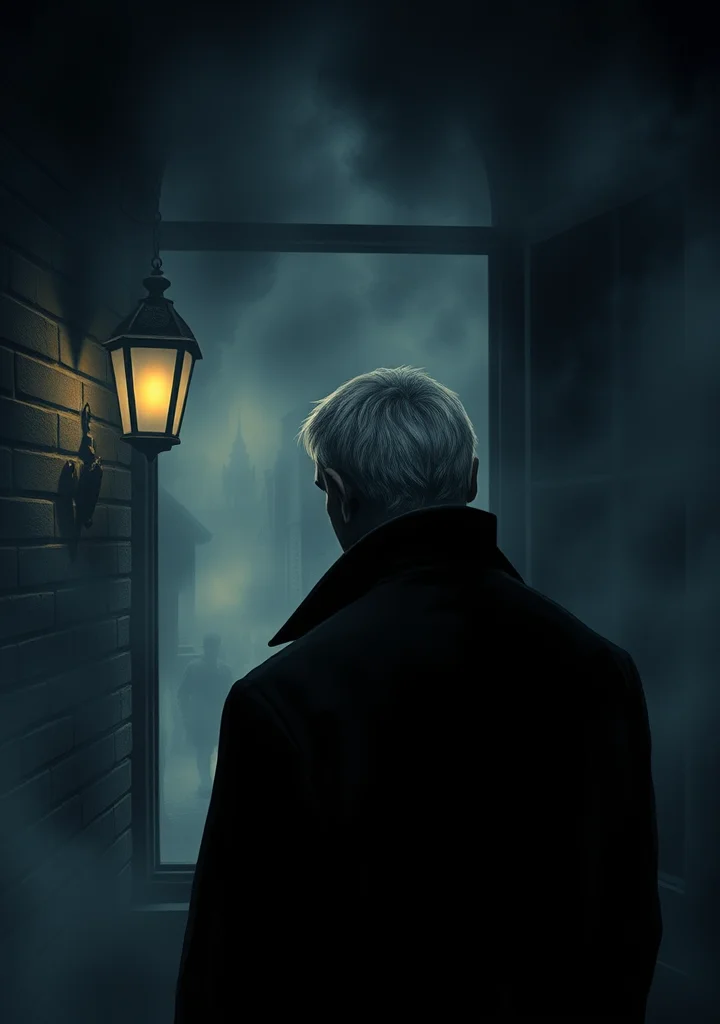
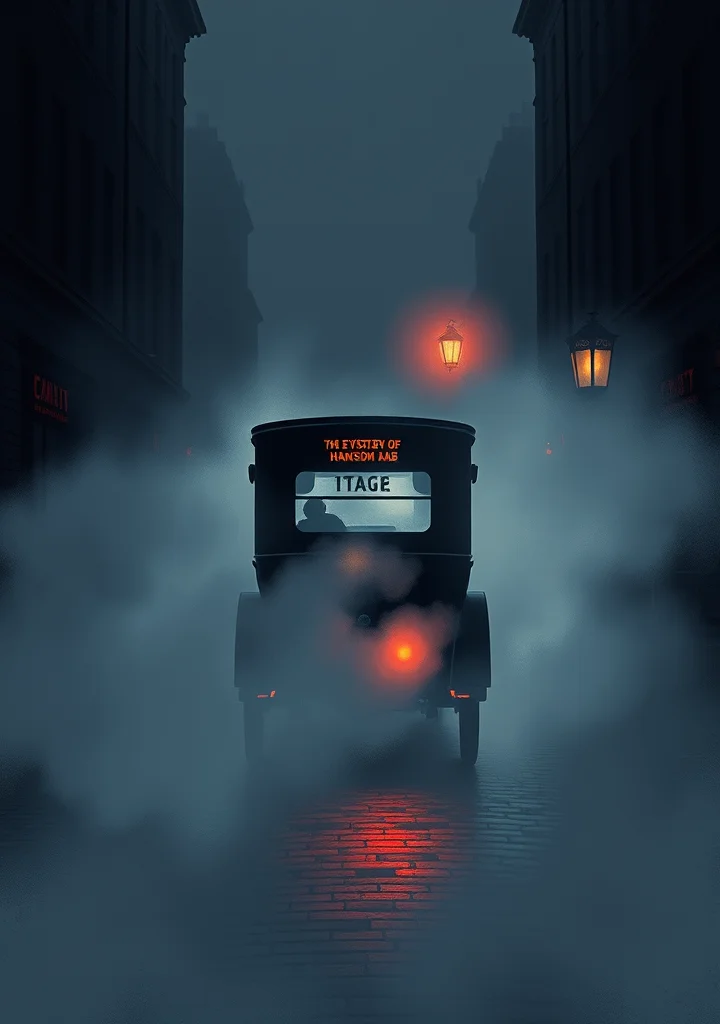
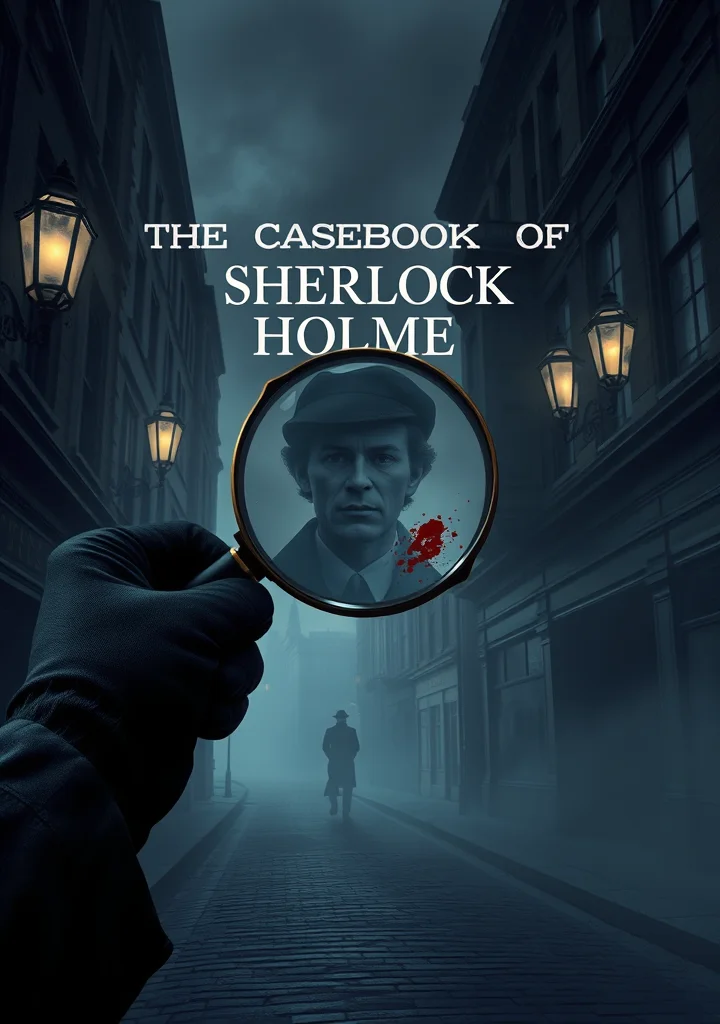
A perpetual twilight clings to the cobbled streets of Old Haven, mirroring the languid despair within Detective Silas Blackwood. He doesn’t hunt criminals; they stumble into his orbit, drawn by the scent of stale tobacco and the peculiar stillness of his office. Blackwood exists in a fog of half-finished cases and colder gin, his mind a labyrinth of forgotten clues and melancholic observations. Each investigation unfolds not with a burst of deduction, but with a slow, deliberate unraveling of rot. The city’s underbelly breathes in shadows and whispers, and Blackwood, more observer than agent, merely lets the darkness reveal its teeth. His cases aren’t about justice, but about the quiet, creeping dread that settles over a life lived too long in the damp corners of regret. The rain-slicked gas lamps cast elongated shadows, mirroring the elongated silences that fill Blackwood’s days—a world where even the villains seem tired, and the truth is a slow bleed into the ever-present grey. It’s a world where apathy is the deadliest weapon, and Blackwood, the most lethargic of its wielders.


Copyright: Public Domain
This license allows anyone to use your story for any purpose, including printing, selling, or adapting it into a film freely.
Recommended for you
25 Part
A creeping dread clings to the snow-swept moors, mirroring the chill that settles in the heart of the protagonist. Buchan’s *Midwinter* unfolds within a decaying manor house, isolated by blizzards and shadowed by ancient, malevolent histories. The narrative breathes with the icy air, each chapter a descent into fractured memory and suppressed guilt. Dust motes dance in the fractured light of dying embers, illuminating portraits of stern, unforgiving faces—ancestors who seem to watch, judge, and subtly influence the present. The estate itself is almost a character, its stone bones groaning under the weight of winter’s fury and the weight of secrets. Rooms whisper with echoes of past tragedies, the scent of damp earth and forgotten perfume clinging to velvet drapes. A pervasive sense of claustrophobia, not just physical but psychological, permeates the narrative. The protagonist is haunted by fragments of a stolen inheritance, a fractured legacy, and the specter of a betrayal that unravels with each falling snowflake. The novel doesn’t deliver grand horrors, but a suffocating atmosphere of unease—a slow, deliberate unraveling of sanity amidst a landscape that mirrors the fractured state of the soul. It’s a story steeped in the melancholic beauty of decay, where the true darkness resides not in the supernatural, but in the cold, brittle spaces within the human heart. The silence of the winter landscape is broken only by the howl of the wind, and the whispers of a past determined to claim its due.
5 Part
Dust motes dance in the perpetual twilight of provincial France, clinging to the shadowed corners of Ursule Mirouët’s existence. A woman steeped in lavender and regret, she drifts through a life circumscribed by duty and the suffocating weight of inherited estates. The air hangs thick with the scent of dying blooms and the unspoken resentments of those bound to her decaying manor. This is a world where love is a slow poison, distilled in quiet rooms and whispered behind lace curtains. The narrative clings to the damp stone walls of a dying aristocracy, where fortunes are built on simmering betrayals and the inheritance of grief. Ursule’s existence is a tapestry woven with the threads of thwarted desire, shadowed by the ambition of men who see her not as a woman, but as the key to unlocking ancient wealth. A stifling atmosphere permeates every encounter – a claustrophobia of expectation, of lives lived out under the gaze of judgmental neighbours. The weight of societal obligation presses down, mirroring the oppressive greys of the landscape. Every act of kindness is laced with calculation, every glance a measure of worth. The novel breathes with the chill of damp earth, the rustle of secrets in the long grass, and the slow, inexorable decay of a world clinging to its past. It is a world where the heart is a prison, and the soul is slowly extinguished by the demands of inheritance and the suffocating demands of a life lived entirely on the surface of things.
9 Part
Dust motes dance in the perpetual twilight of lost kingdoms, clinging to the sweat-stained leather of Quatermain’s journal. These aren’t tales of conquest, but of a creeping dread that leeches from the very stone of forgotten cities. The air hangs thick with the scent of decay and ancient rites, a miasma rising from sepulchers carved into living rock. Each sun-bleached bone whispers of a civilization devoured not by armies, but by something *older*. The landscapes themselves are predators – vast, echoing savannas where the horizon shimmers with mirages of phantom tribes and the bleached skulls of men who dared to listen to the desert’s mournful song. Shadows stretch long and hungry, concealing not merely beasts, but the unraveling sanity of those who gaze too deeply into the abyss of Africa’s heart. There’s a rot that clings to Quatermain’s companions – a subtle corruption of the spirit, a yearning for oblivion amidst the gold and ivory. The true horrors aren’t found in the clash of steel, but in the hollow gaze of men possessed by the whispers of the dead, in the sickening realization that the treasures they seek have been bought with pieces of their own souls. This is a journey not to discovery, but to disintegration, a descent into a darkness where the line between hunter and hunted dissolves into the echoing silence of eternity. The weight of the past isn’t merely history here; it’s a suffocating presence, a tombstone carved over the heart of the living world.