
The Unicorn from the Stars
  • 66
  • 0
  • 6
  • Reads 66
  • 0
  • Part 6
Completed, First published Mar 02, 2026

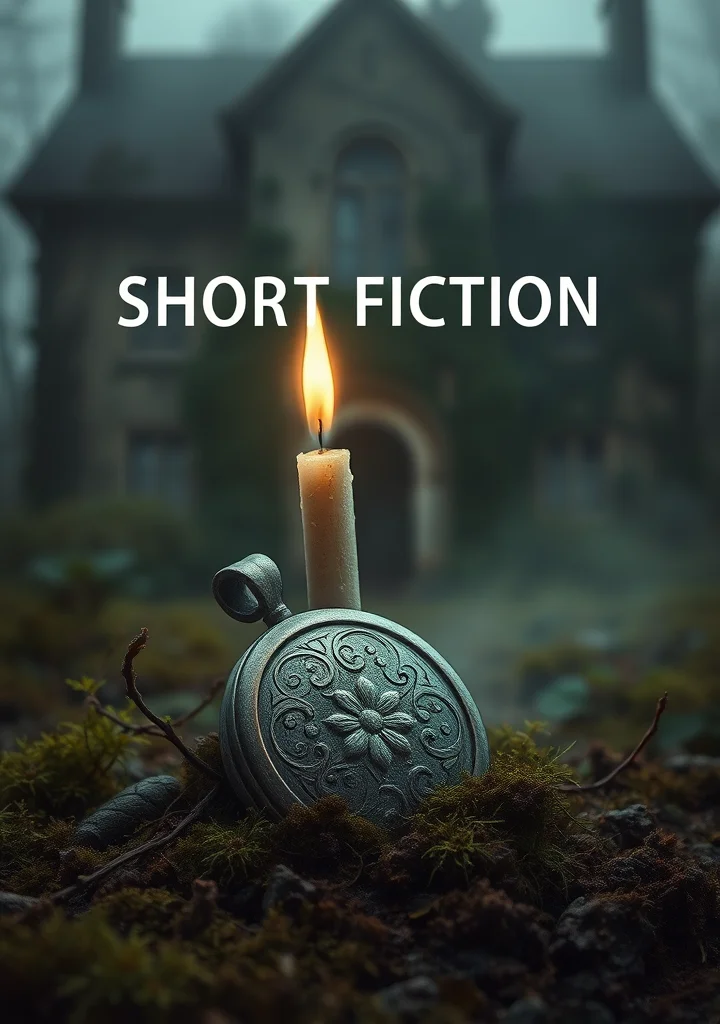
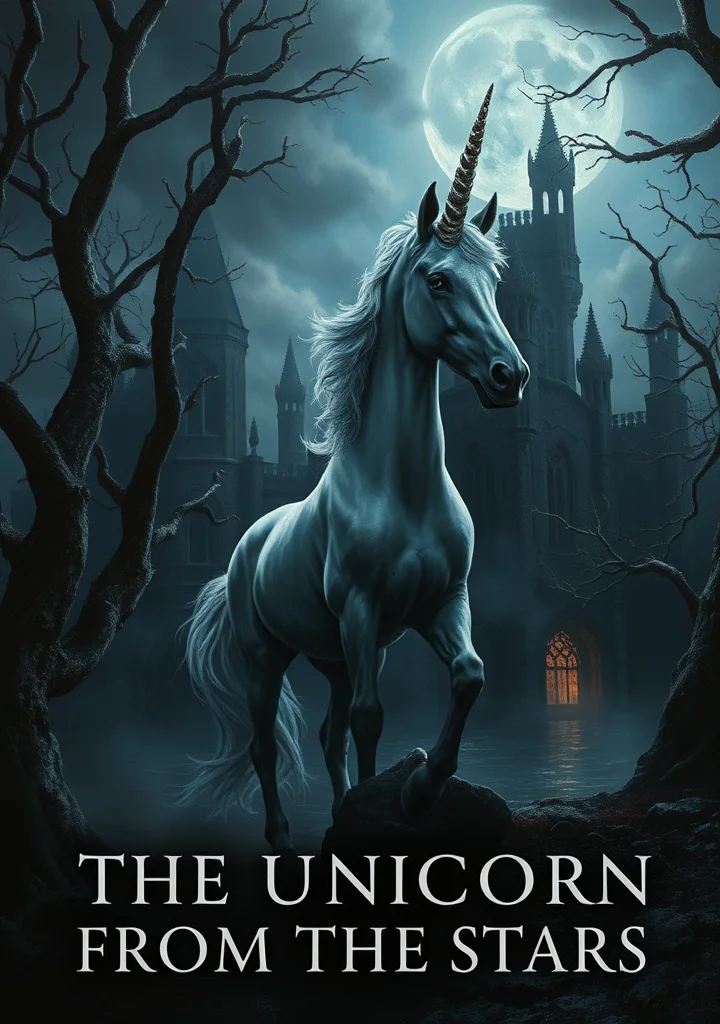
A creeping dread clings to the ancient stones of Dromore House as the tale unfolds. Lady Gregory weaves a narrative steeped in the decay of Irish aristocracy, where the arrival of a celestial beast – a unicorn fallen to earth – mirrors the fracturing of a family’s sanity. The air hangs thick with peat smoke and whispered accusations, the star-touched creature’s presence stirring shadows in the halls and a chilling hunger in the eyes of those who claim to hunt it. It is not the unicorn’s hunt that chills, but the unraveling it witnesses: a slow, exquisite rot within the lineage of the O’Connors, their fortunes mirroring the beast’s descent from grace. The narrative bleeds with the grey light of perpetual twilight, a landscape mirroring the fractured mind of the afflicted heir, whose obsession with the unicorn becomes a descent into madness. Every rustle of wind through the withered hawthorn trees feels like a confession, every star a witness to the unraveling of a cursed bloodline. The house itself breathes with a mournful history, and the unicorn’s arrival is less an intrusion from above, than an echo of something ancient and monstrous stirring within the earth itself. The scent of brine and damp earth clings to every page, promising not deliverance, but a slow, beautiful drowning in the mire of inherited sorrow.
Copyright: Public Domain
This license allows anyone to use your story for any purpose, including printing, selling, or adapting it into a film freely.
Recommended for you
50 Part
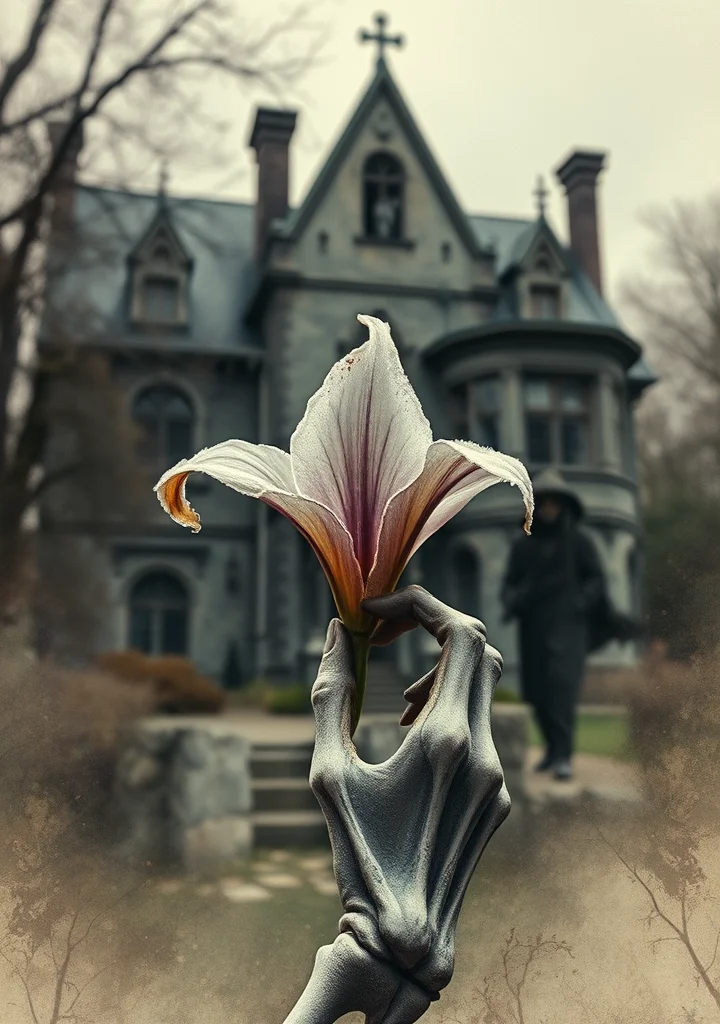
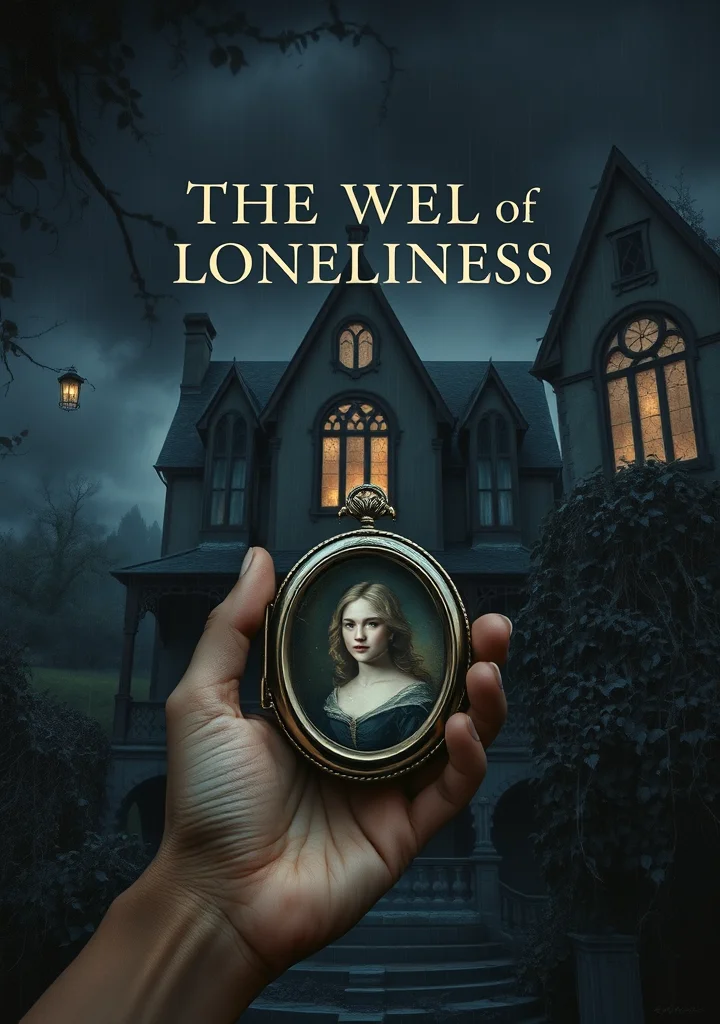
A London fog clings to the consciousness as tightly as the secrets within the Worthingtons’ decaying Mayfair townhouse. This is a story steeped in the sickly sweetness of regret, where shadows lengthen with each whispered confession and the scent of dying lilies hangs heavy in the air. The narrative coils around a dying heiress, Catherine, a creature of fragile beauty and suffocating piety, whose final days become a vortex for the desires and deceits of those orbiting her dwindling flame. A stifling domesticity breeds a desperate hunger for connection, a yearning masked by polite conversation and shadowed glances. The air vibrates with unacknowledged needs – a crippled barrister's ambition, a lovelorn doctor’s despair, a calculating suitor's cold calculation. Each character is a moth drawn to Catherine’s incandescent, yet fading, light, only to find themselves consumed by the moral rot beneath the polished veneer of their lives. The story unfolds not as a dramatic rush, but as a slow, suffocating erosion of faith, a descent into the claustrophobia of unspoken desires. The very architecture of the house feels oppressive, mirroring the constraints placed upon these characters by duty, expectation, and the weight of their own concealed longings. It is a haunting portrait of sacrifice and betrayal, where the wings of the dove – a symbol of fragile innocence – are ultimately clipped by the sharp realities of a world defined by its compromises. The narrative breathes with the damp chill of inevitability, leaving the reader immersed in the suffocating stillness of a life quietly extinguished.
23 Part
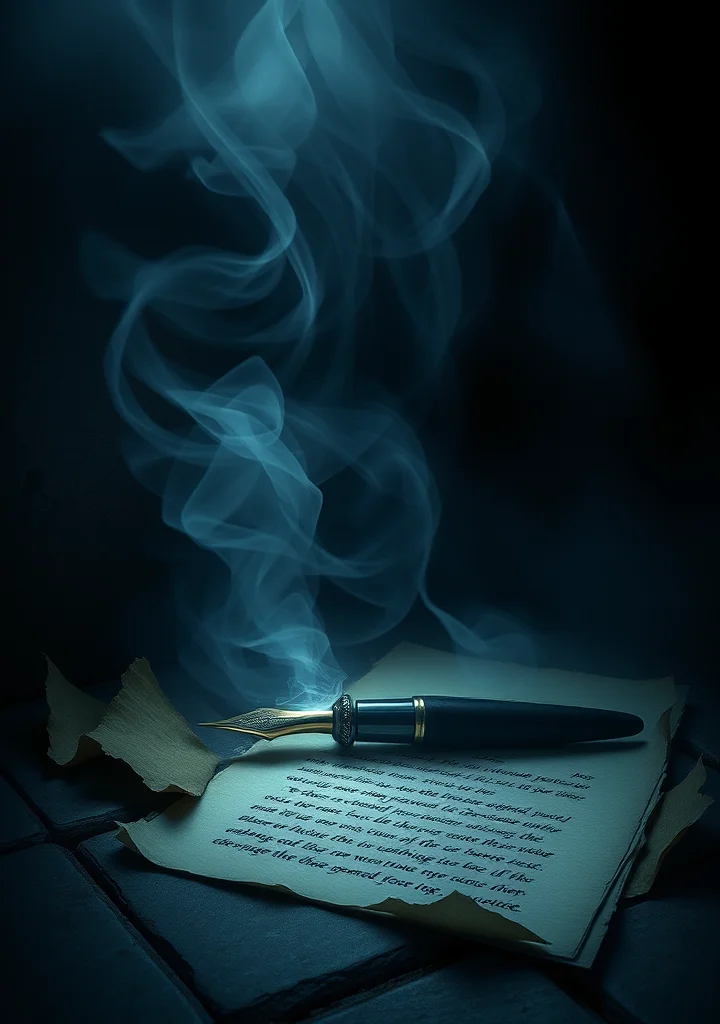
Dust motes dance in the perpetual twilight of the observatory, mirroring the spiraling descent into madness that consumes Dr. Elias Thorne. Flammarion’s *Omega* isn’t merely a tale of scientific obsession, but a slow erosion of sanity witnessed through the lens of a dying star. Thorne, charting the final collapse of a celestial body, finds his own reality fracturing—the boundaries between observation and hallucination, the known universe and the abyss, blurring with each passing night. The estate itself, a gothic monolith clinging to a windswept promontory, breathes with the same decaying rhythm as Thorne’s mind. Shadows lengthen, not from the setting sun, but from the encroaching void within. His journals, filled with frantic sketches and increasingly illegible equations, bleed into feverish pronouncements about a cosmic convergence—a point of ultimate dissolution where all things, including the self, return to the primal darkness. The air chills with the scent of ozone and decay, thick with the weight of unseen presences drawn to the observatory’s singular focus. A creeping dread seeps from the stone walls, mirroring the encroaching entropy of Thorne’s soul as he descends, not into the mysteries of the cosmos, but into the suffocating silence at its heart. The final pages, scrawled in a trembling hand, speak of a ritual—a desperate attempt to commune with the collapsing star, to *become* Omega, to embrace the oblivion that awaits all creation. It’s a descent not into hell, but into the echoing emptiness *beyond* it.