
-
Read 261
-
0
-
Part 19
Completed, First published Mar 02, 2026
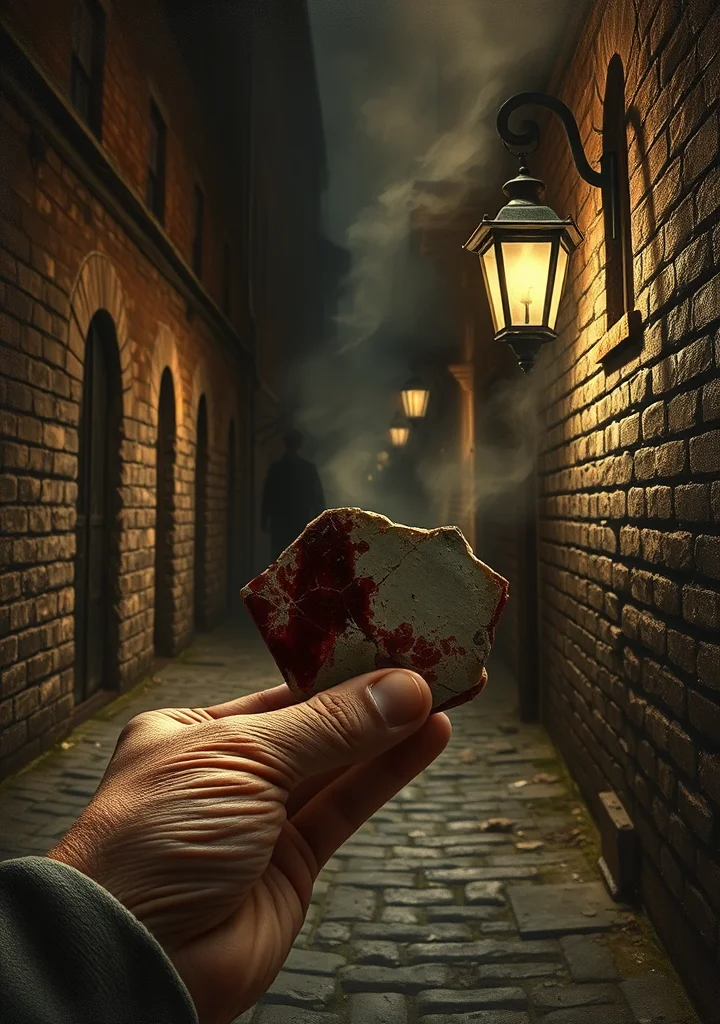
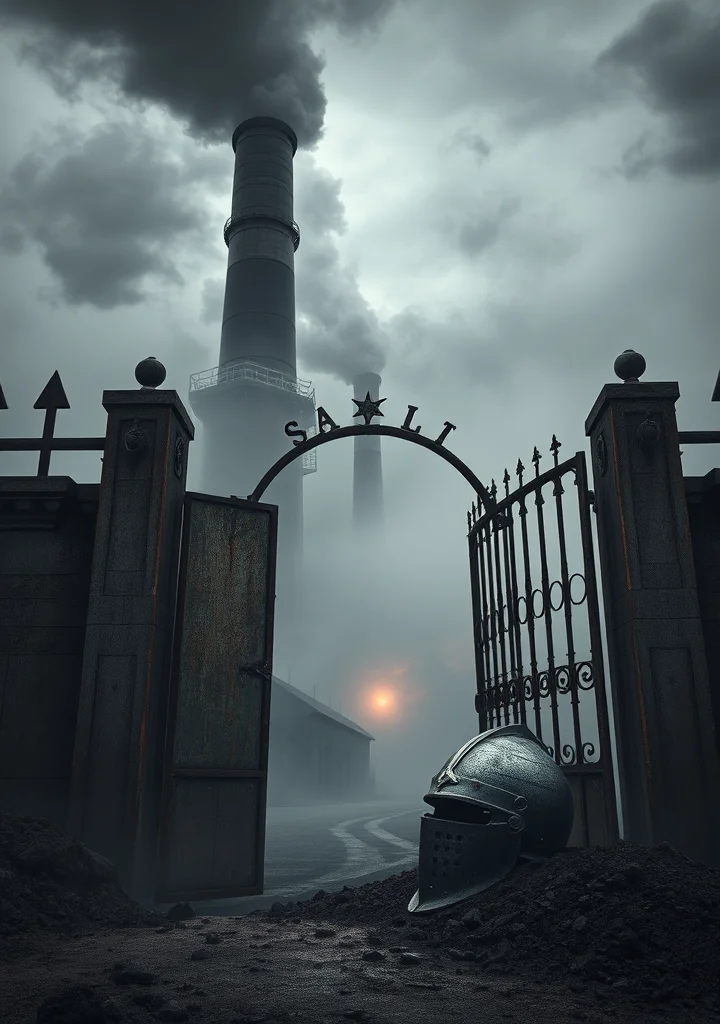
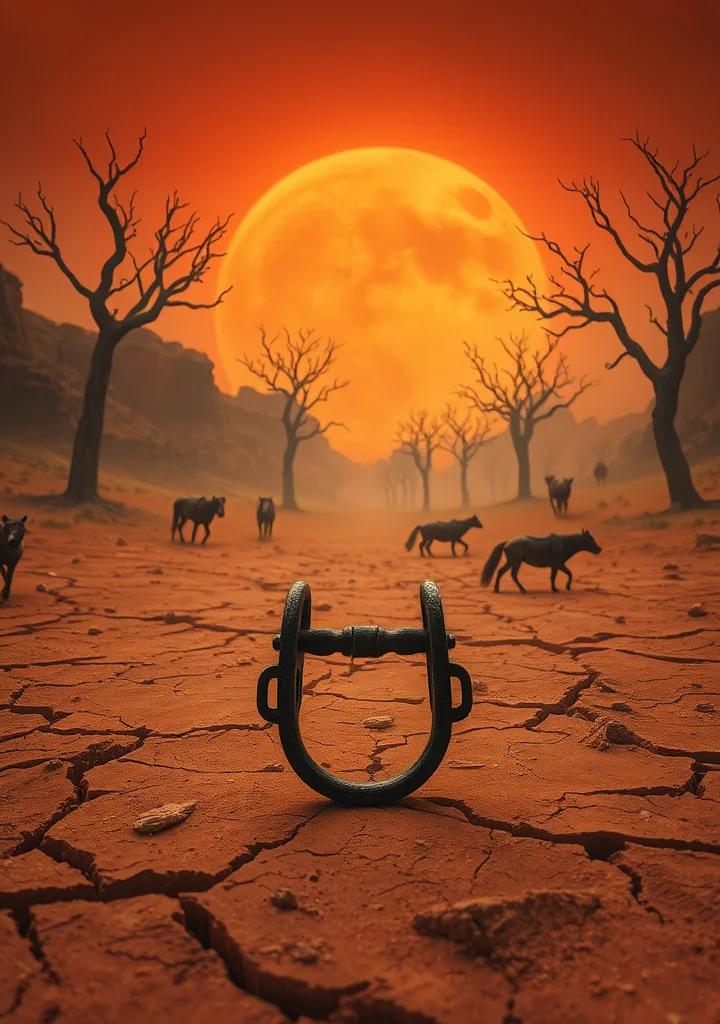
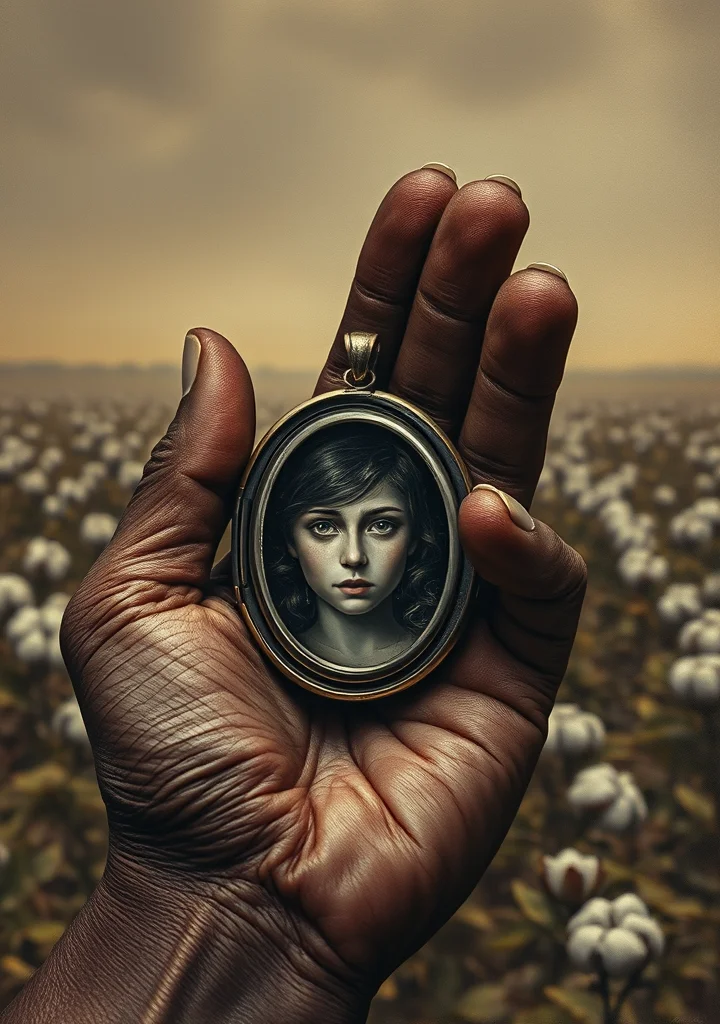
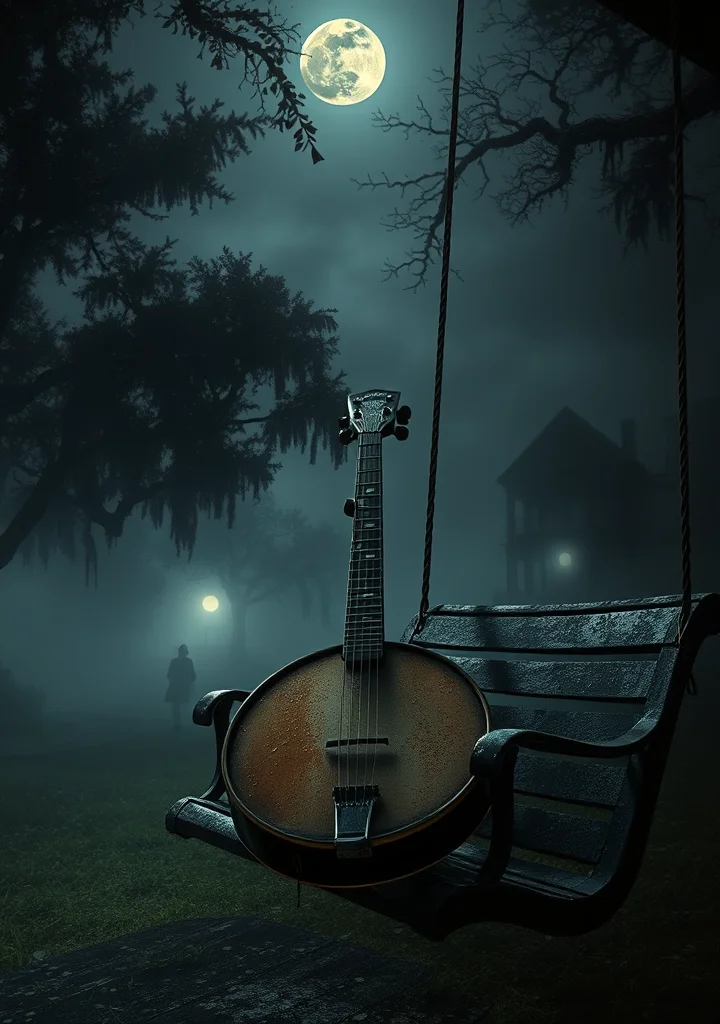
A shadowed landscape of the American South breathes through these pages, steeped in the melancholic hues of twilight and regret. Dust motes dance in the fading light of plantation houses, haunted by the echoes of forgotten songs and the weight of unmourned lives. The narrative unfolds not as a linear journey, but as fragments—spectral visions glimpsed through fog-draped cypress trees, fragments of a fractured self reflected in the murky waters of racial division. A heavy stillness clings to each story, broken only by the mournful call of spirituals and the stifled cries of a people caught between worlds. It is a place where the boundaries between the living and the dead blur, where the past is a living presence, and the soul itself is a landscape scarred by the fires of injustice. The air tastes of iron and decay, of promises broken and dreams deferred. A creeping dread permeates the prose, not of overt horror, but of a slow, suffocating sorrow—the quiet erosion of dignity under the weight of centuries. Each voice is a wail in the darkness, a testament to the enduring spirit that clings to existence even as it is consumed by the encroaching shadows. The very ink bleeds with the weight of untold stories, and the pages themselves seem to whisper with the voices of those lost to the void.
Copyright: Public Domain
This license allows anyone to use your story for any purpose, including printing, selling, or adapting it into a film freely.
This license allows anyone to use your story for any purpose, including printing, selling, or adapting it into a film freely.
Chapter List
-
« The Souls of Black Folk »📖 Continue Reading
-
« Chapter_3 »
-
« The Forethought »
-
« The Souls of Black Folk »
-
« Chapter_6 »
-
« Chapter_7 »
-
« Chapter_8 »
-
« Chapter_9 »
-
« Chapter_10 »
-
« Chapter_11 »
-
« Chapter_12 »
-
« Chapter_13 »
-
« Chapter_14 »
-
« Chapter_15 »
-
« Chapter_16 »
-
« Chapter_17 »
-
« Chapter_18 »
-
« Chapter_19 »
-
« The Afterthought »
19
-
« The Souls of Black Folk »
-
« Chapter_3 »
-
« The Forethought »
-
« The Souls of Black Folk »
-
« Chapter_6 »
-
« Chapter_7 »
-
« Chapter_8 »
-
« Chapter_9 »
-
« Chapter_10 »
-
« Chapter_11 »
-
« Chapter_12 »
-
« Chapter_13 »
-
« Chapter_14 »
-
« Chapter_15 »
-
« Chapter_16 »
-
« Chapter_17 »
-
« Chapter_18 »
-
« Chapter_19 »
-
« The Afterthought »
More like this