
-
Read 264
-
0
-
Part 14
Completed, First published Mar 02, 2026
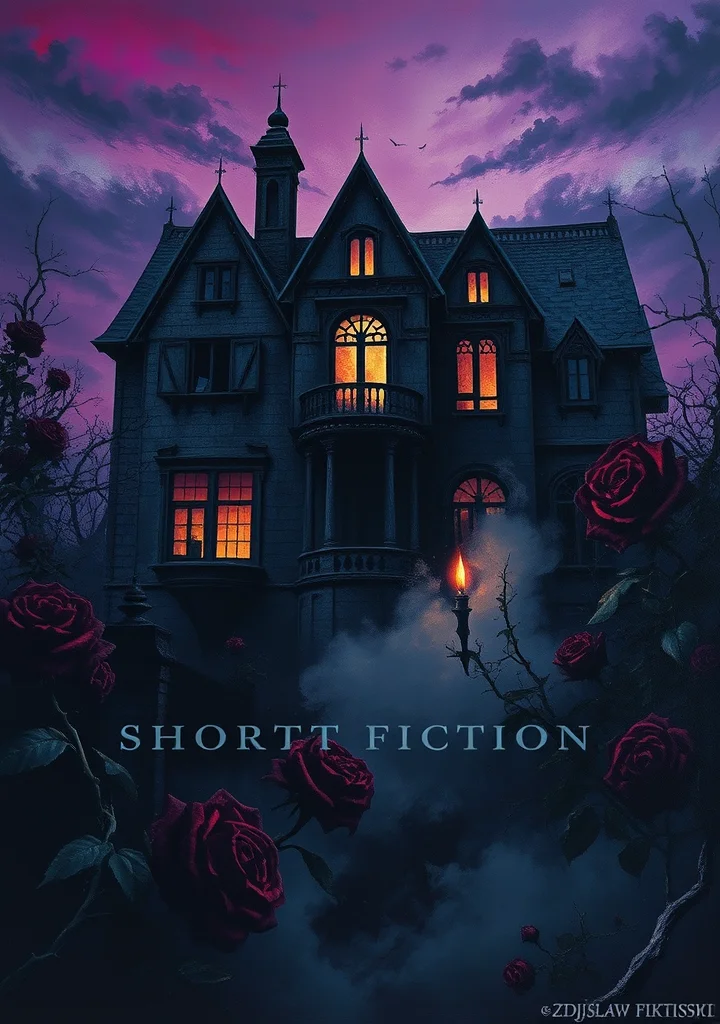
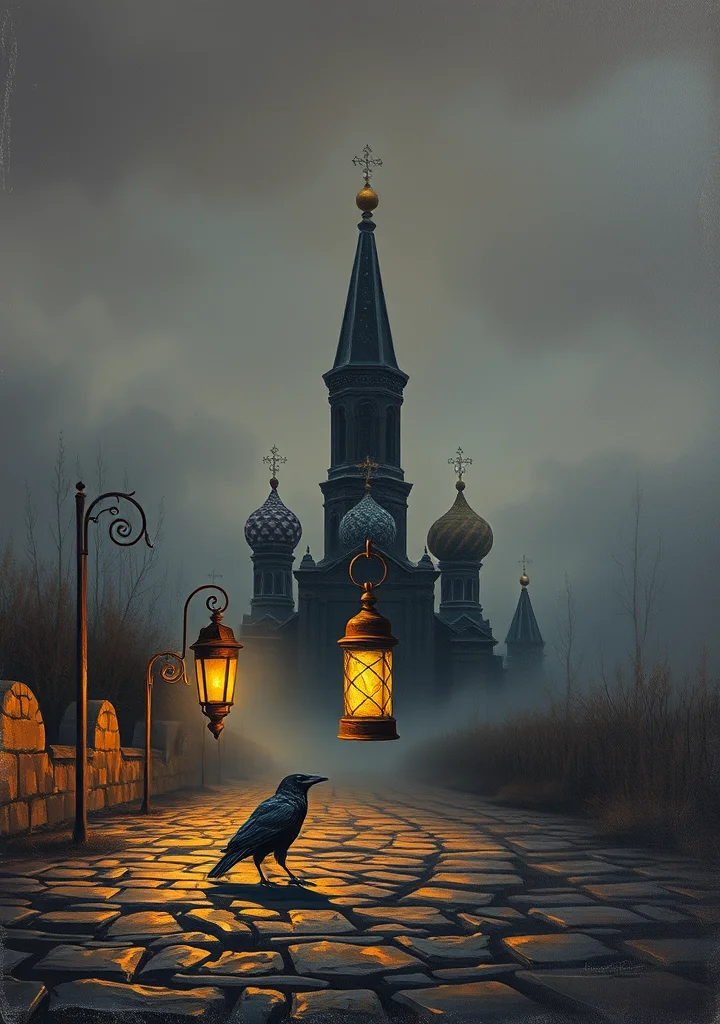
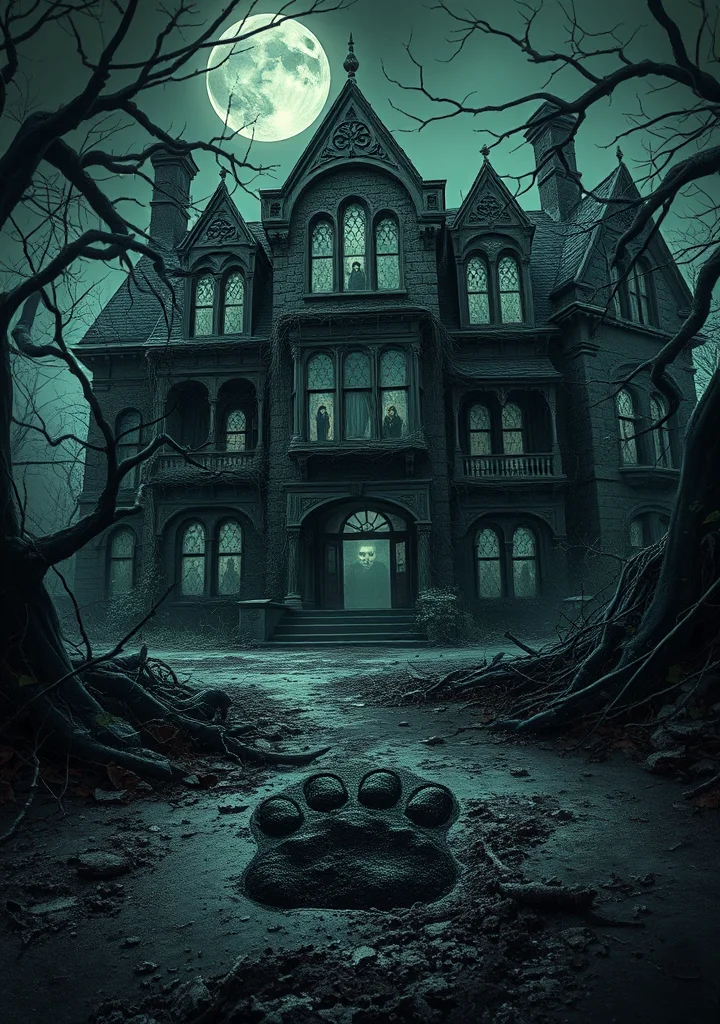
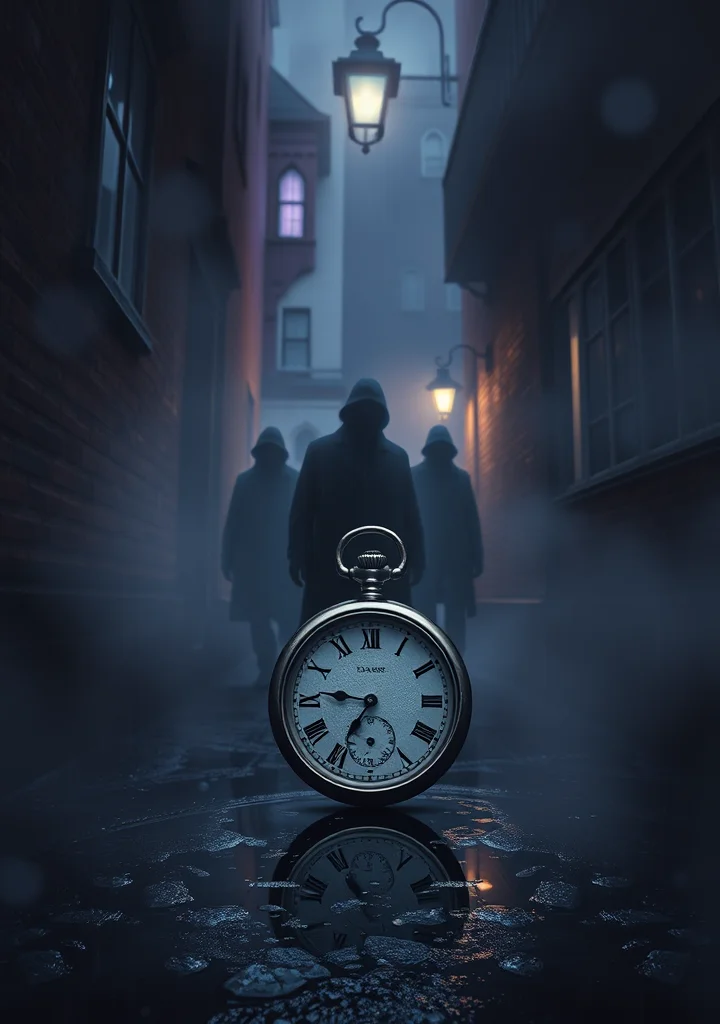
A creeping dread clings to the shadowed alleys of London, a city choked by fog and the whispers of discontent. Wallace’s narrative unfolds not as a chase of criminals, but as a haunting unraveling of their impossible absence. Four men, each with a shadowed past and a fortune’s weight in stolen gems, vanish into the very fabric of the metropolis. Their disappearances aren’t mere escapes, but spectral shifts, leaving behind only phantom echoes and the chilling certainty they’ve become something *other*.
The narrative breathes with the stifling claustrophobia of Victorian drawing rooms, the chill of damp cobblestones under gaslight, and the mounting paranoia of a Scotland Yard baffled by a logic beyond their grasp. Each chapter feels like a descent into a labyrinthine nightmare, where the pursuit of these four men leads not to capture, but to a horrifying revelation: they have weaponized invisibility, becoming ghosts in a world already decaying with secrets. The air thickens with the scent of betrayal, the weight of desperation, and the cold, elegant terror of men who have traded their humanity for the power to simply…not be. It is a story of not *who* committed the crime, but *how* it was erased, leaving a vacuum of fear where justice once stood.
Copyright: Public Domain
This license allows anyone to use your story for any purpose, including printing, selling, or adapting it into a film freely.
This license allows anyone to use your story for any purpose, including printing, selling, or adapting it into a film freely.
More like this