
-
Read 472
-
0
-
Part 20
Completed, First published Mar 02, 2026
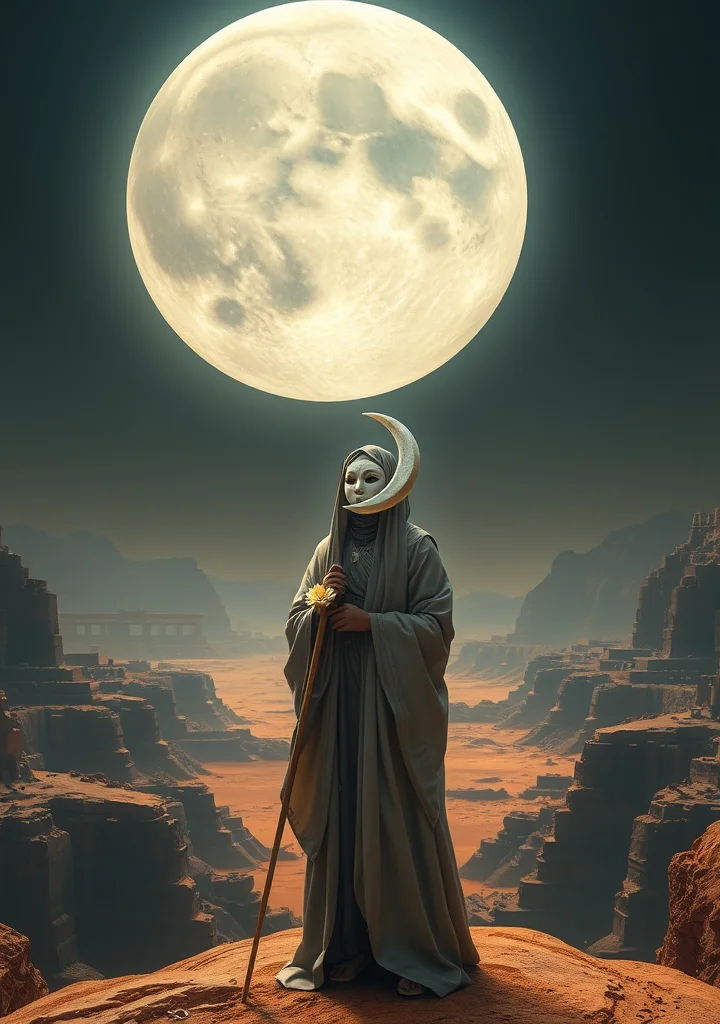
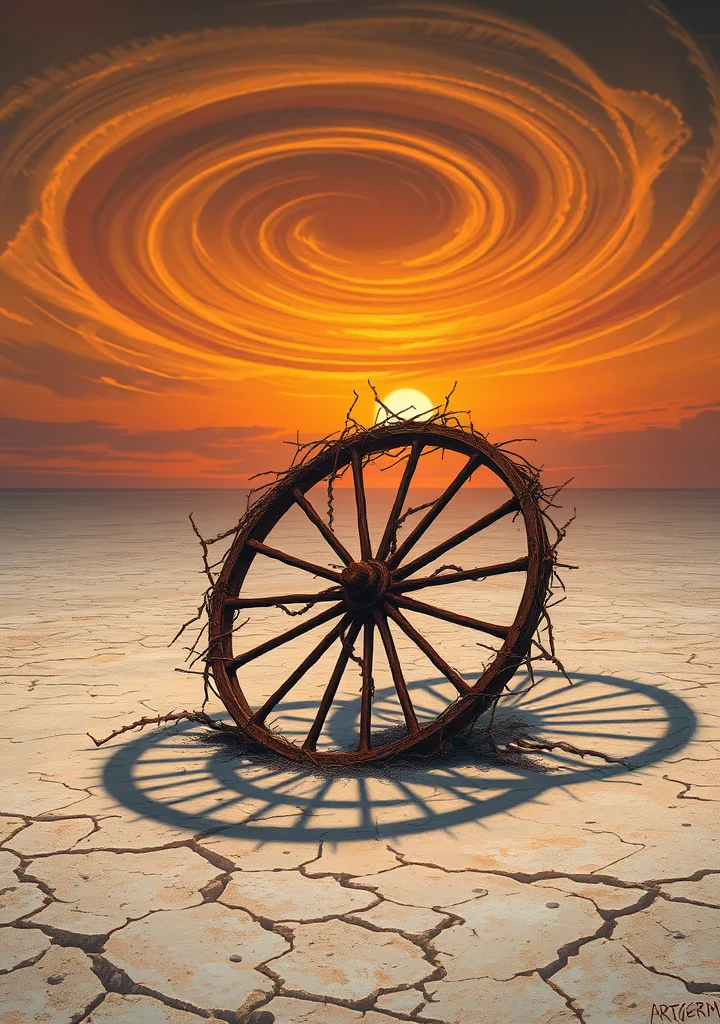
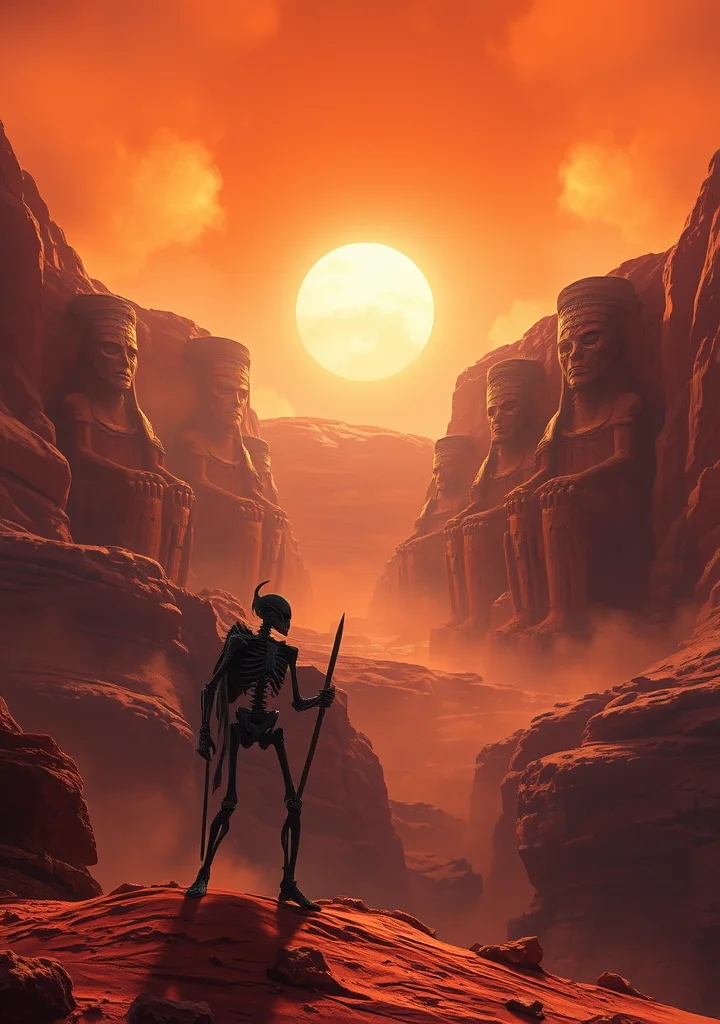
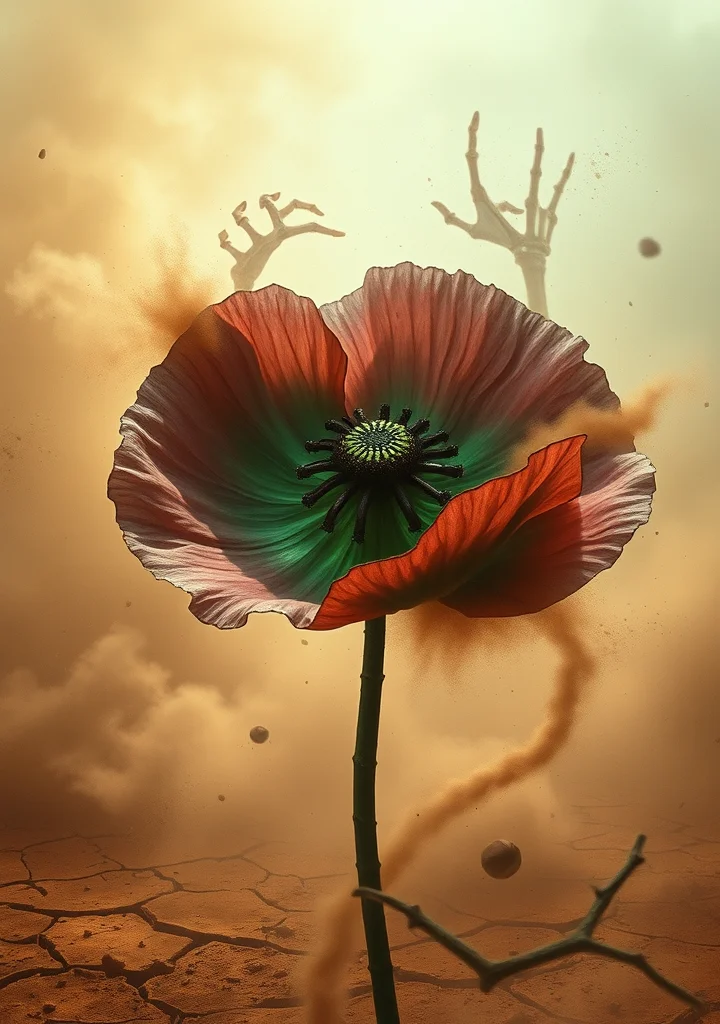
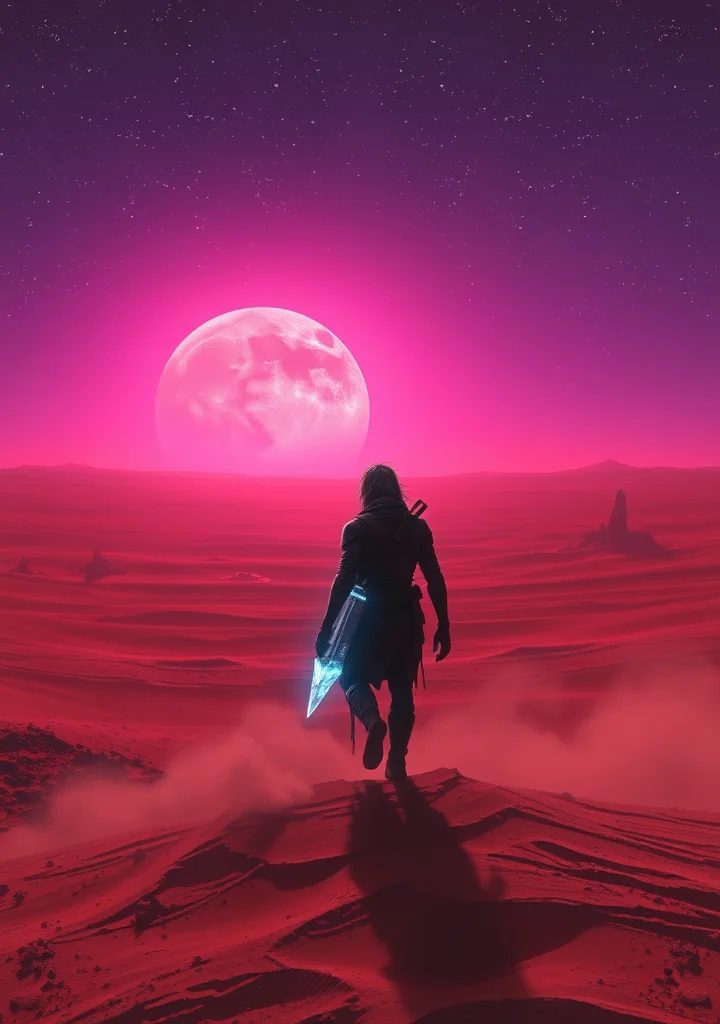
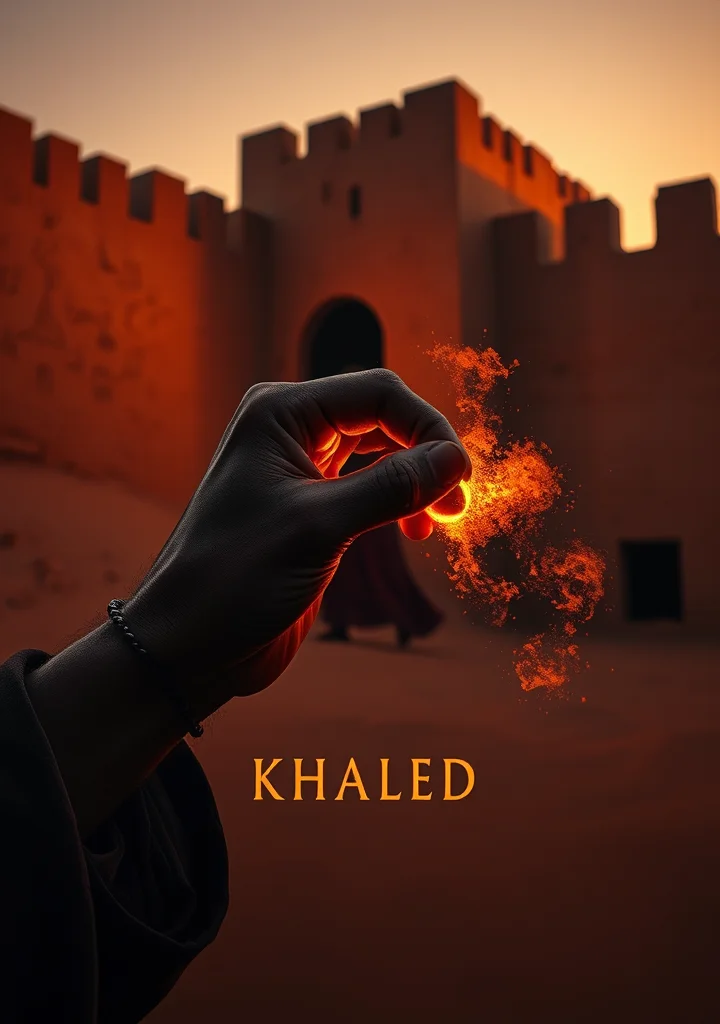
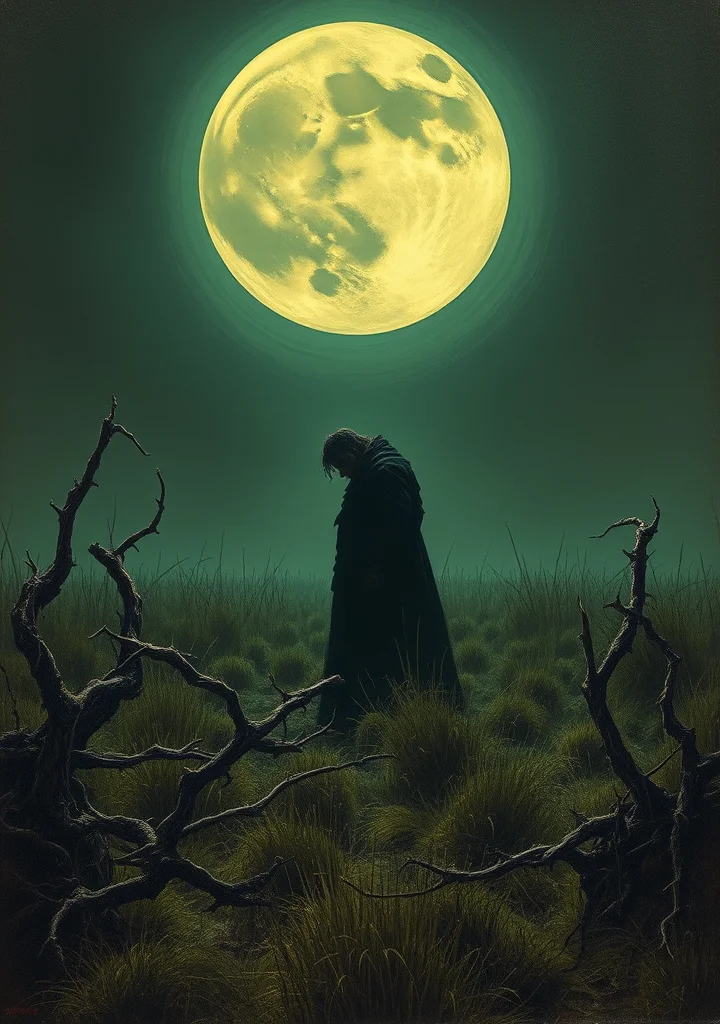
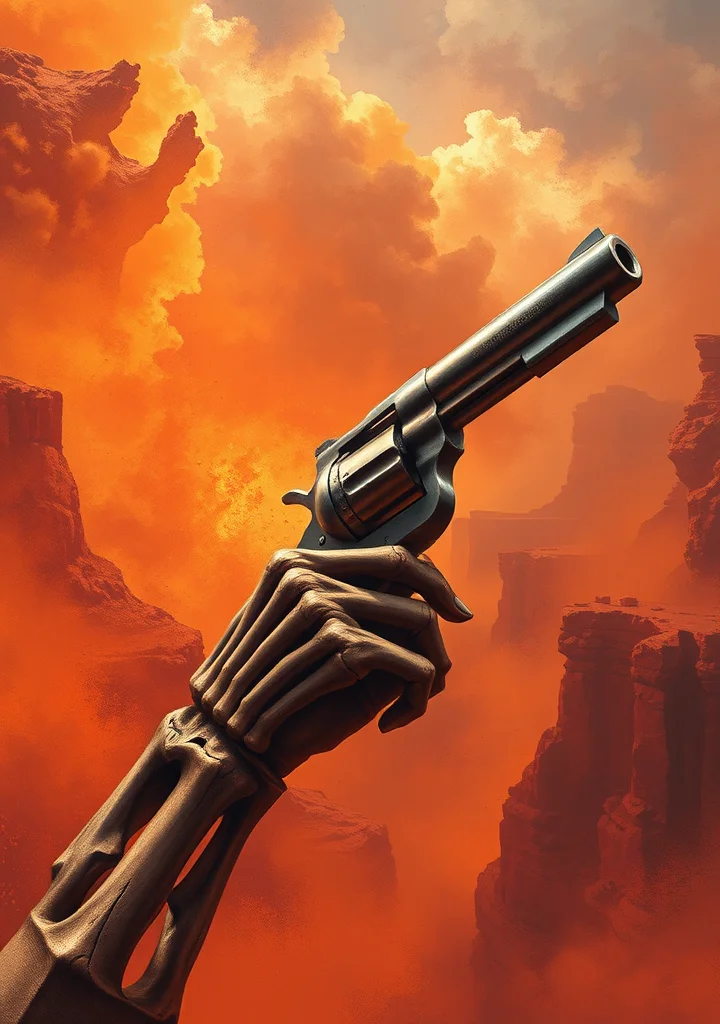
Dust devils dance across a crimson horizon, mirroring the fevered landscape within the outlaw’s heart. Burroughs paints not a simple chase across the arid wastes, but a descent into a fractured kingdom built on bone and regret. The sun bleeds across canyons echoing with the ghosts of a forgotten dynasty, where the outlaw, a man branded by betrayal and sandstorms, stalks a vengeance as relentless as the desert’s hunger. He is shadowed by a cult whispering of ancient gods and shadowed kings, their rituals performed under a moon that hangs like a chipped ivory skull. The air itself tastes of decay and the scent of iron. Each step through the crumbling adobe cities is a trespass into a realm where loyalty is a phantom limb and mercy a forgotten language. The narrative clings to the outlaw's ragged breath, to the grit under his nails, and to the gnawing suspicion that his hunt isn’t for justice, but for absolution in a land where even the stones weep with the weight of forgotten sins. A creeping dread permeates the canyons, a sense of being watched not by men, but by the very desert itself, as if the outlaw's pursuit awakens something ancient and terrible buried beneath the shifting sands. The horizon promises not escape, but a final reckoning with the ghosts of a kingdom consumed by its own shadow.
Copyright: Public Domain
This license allows anyone to use your story for any purpose, including printing, selling, or adapting it into a film freely.
This license allows anyone to use your story for any purpose, including printing, selling, or adapting it into a film freely.
More like this