
-
Read 1.4K
-
0
-
Part 190
Completed, First published Mar 02, 2026
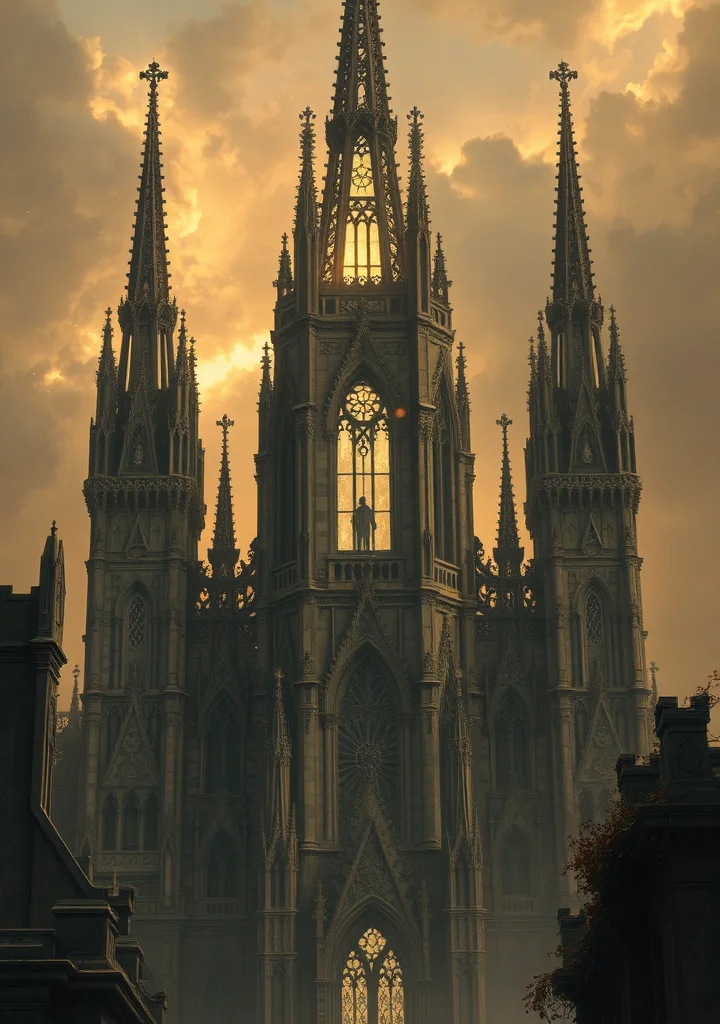
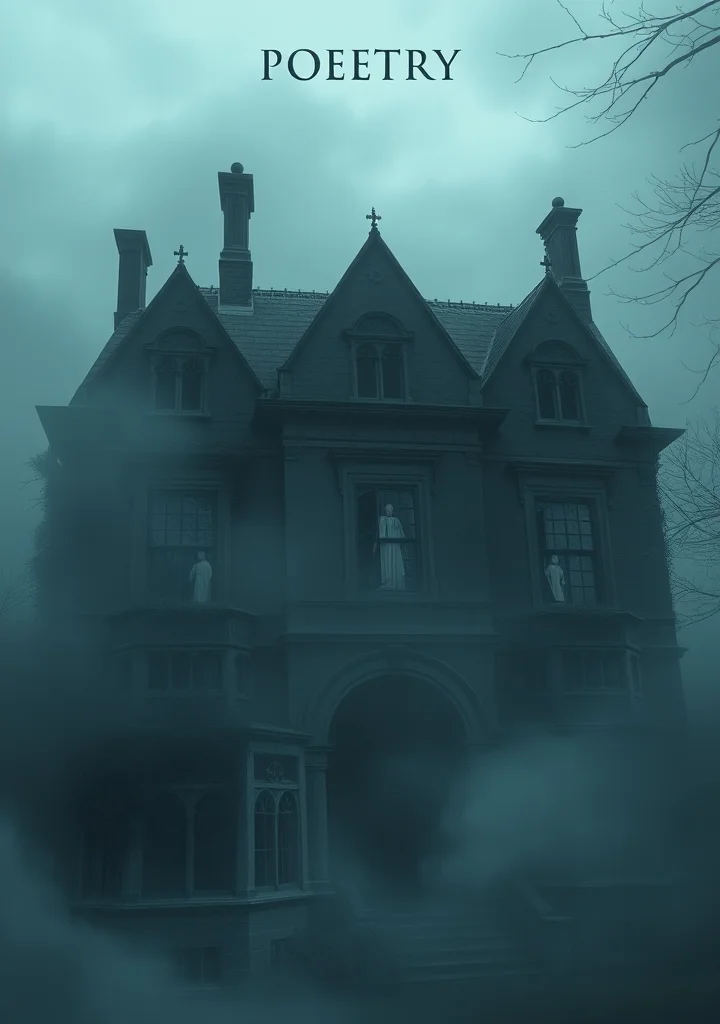
A creeping fog clings to the shadowed corners of the English countryside, mirroring the melancholy that permeates these verses. Arnold doesn't offer grand tales of horror, but a slow unraveling of faith and belonging. Each poem is a crumbling manor house, haunted by the ghosts of lost ideals and the chill of a world grown indifferent. The sea, a vast, grey expanse, whispers of isolation and the futility of human striving. A pervasive sense of decay clings to the language, like damp moss on stone. Here, the darkness isn’t one of monsters, but of a quiet despair – a recognition of the void at the heart of modern life. Sunlight, when it appears, feels not warming, but like a brief, spectral visitation before the encroaching gloom reclaims all. The very air is thick with regret, and the reader is left to wander through echoing chambers of doubt, forever shadowed by the melancholy of a world slipping into twilight. It is a landscape of the soul, where every horizon is veiled in mist and every echo carries the weight of unanswered questions.
Copyright: Public Domain
This license allows anyone to use your story for any purpose, including printing, selling, or adapting it into a film freely.
This license allows anyone to use your story for any purpose, including printing, selling, or adapting it into a film freely.
Chapter List
-
« Poetry »📖 Continue Reading
-
« I »
-
« I »
-
« II »
-
« III »
-
« IV »
-
« V »
-
« VI »
-
« VII »
-
« VIII »
-
« IX »
-
« X »
-
« XI »
-
« XII »
-
« XIII »
-
« XIV »
-
« XV »
-
« XVI »
-
« XVII »
-
« XVIII »
-
« XIX »
-
« XX »
-
« XXI »
-
« XXII »
-
« XXIII »
-
« XXIV »
-
« XXV »
-
« XXVI »
-
« XXVII »
-
« XXVIII »
-
« XXIX »
-
« XXX »
-
« XXXI »
-
« XXXII »
-
« XXXIII »
-
« XXXIV »
-
« XXXV »
-
« XXXVI »
-
« XXXVII »
-
« XXXVIII »
-
« Chapter_42 »
-
« To a Gipsy Child by the Seashore »
-
« Mycerinus »
-
« The Hayswater Boat »
-
« The New Sirens »
-
« Desire »
-
« The Voice »
-
« To Fausta »
-
« Shakespeare »
-
« To the Duke of Wellington »
-
« Written in Butler’s Sermons »
-
« Written in Emerson’s Essays »
-
« To an Independent Preacher »
-
« In Utrumque Paratus »
-
« Horatian Echo »
-
« To George Cruikshank,Esq. »
-
« Fragment of anAntigone »
-
« Fragment of Chorus of aDejaneira »
-
« The Strayed Reveller »
-
« The Sick King in Bukhara »
-
« Resignation »
-
« The Forsaken Merman »
-
« The World and the Quietist »
-
« To a Republican Friend, 1848 »
-
« Continued »
-
« Religious Isolation »
-
« To a Friend »
-
« Quiet Work »
-
« A Memory-Picture »
-
« A Modern Sappho »
-
« Consolation »
-
« Sonnet to the Hungarian Nation »
-
« Switzerland »
-
« I »
-
« II »
-
« III »
-
« IV »
-
« V »
-
« VI »
-
« VII »
-
« Stanzas in Memory of the Author ofObermann »
-
« Human Life »
-
« Courage »
-
« Self-Dependence »
-
« Destiny »
-
« Youth’s Agitations »
-
« The World’s Triumphs »
-
« Empedocles on Etna »
-
« Persons »
-
« ActI »
-
« SceneI »
-
« SceneII »
-
« ActII »
-
« Lines Written by a Death-Bed »
-
« Tristram and Iseult »
-
« I »
-
« II »
-
« III »
-
« Youth and Calm »
-
« Memorial Verses »
-
« Faded Leaves »
-
« I »
-
« II »
-
« III »
-
« IV »
-
« V »
-
« Calais Sands »
-
« Urania »
-
« Euphrosyne »
-
« Dover Beach »
-
« Stanzas »
-
« The Youth of Nature »
-
« The Youth of Man »
-
« Lines Written in Kensington Gardens »
-
« Morality »
-
« Progress »
-
« The Future »
-
« A Summer Night »
-
« The Buried Life »
-
« Self-Deception »
-
« The Second Best »
-
« Despondency »
-
« Revolutions »
-
« The Neckan »
-
« A Caution to Poets »
-
« Stanzas from the Grande Chartreuse »
-
« The Church of Brou »
-
« I »
-
« II »
-
« III »
-
« Sohrab and Rostam »
-
« The Scholar Gipsy »
-
« A Dream »
-
« Requiescat »
-
« Philomela »
-
« Thekla’s Answer »
-
« Balder Dead »
-
« I »
-
« II »
-
« III »
-
« Haworth Churchyard »
-
« Early Death and Fame »
-
« Merope »
-
« Historical Introduction »
-
« Persons of the Drama »
-
« Merope »
-
« Rugby Chapel »
-
« Men of Genius »
-
« Stanzas Composed at Carnac »
-
« A Southern Night »
-
« Saint Brandan »
-
« Heine’s Grave »
-
« A Picture at Newstead »
-
« Rachel »
-
« I »
-
« II »
-
« III »
-
« East London »
-
« West London »
-
« The Better Part »
-
« Immortality »
-
« Worldly Place »
-
« The Divinity »
-
« The Good Shepherd with the Kid »
-
« Austerity of Poetry »
-
« East and West »
-
« Monica’s Last Prayer »
-
« Palladium »
-
« Chapter_170 »
-
« Epilogue to Lessing’s Laocoön »
-
« A Wish »
-
« Chapter_173 »
-
« Persistency of Poetry »
-
« Bacchanalia; or, the New Age »
-
« I »
-
« II »
-
« Growing Old »
-
« The Progress of Poesy »
-
« A Nameless Epitaph »
-
« I »
-
« II »
-
« The Last Word »
-
« Pis Aller »
-
« New Rome »
-
« Rome-Sickness »
-
« S.S.Lusitania »
-
« Geist’s Grave »
-
« Westminster Abbey »
-
« Poor Matthias »
-
« Kaiser Dead »
190
-
« Poetry »
-
« I »
-
« I »
-
« II »
-
« III »
-
« IV »
-
« V »
-
« VI »
-
« VII »
-
« VIII »
-
« IX »
-
« X »
-
« XI »
-
« XII »
-
« XIII »
-
« XIV »
-
« XV »
-
« XVI »
-
« XVII »
-
« XVIII »
-
« XIX »
-
« XX »
-
« XXI »
-
« XXII »
-
« XXIII »
-
« XXIV »
-
« XXV »
-
« XXVI »
-
« XXVII »
-
« XXVIII »
-
« XXIX »
-
« XXX »
-
« XXXI »
-
« XXXII »
-
« XXXIII »
-
« XXXIV »
-
« XXXV »
-
« XXXVI »
-
« XXXVII »
-
« XXXVIII »
-
« Chapter_42 »
-
« To a Gipsy Child by the Seashore »
-
« Mycerinus »
-
« The Hayswater Boat »
-
« The New Sirens »
-
« Desire »
-
« The Voice »
-
« To Fausta »
-
« Shakespeare »
-
« To the Duke of Wellington »
-
« Written in Butler’s Sermons »
-
« Written in Emerson’s Essays »
-
« To an Independent Preacher »
-
« In Utrumque Paratus »
-
« Horatian Echo »
-
« To George Cruikshank,Esq. »
-
« Fragment of anAntigone »
-
« Fragment of Chorus of aDejaneira »
-
« The Strayed Reveller »
-
« The Sick King in Bukhara »
-
« Resignation »
-
« The Forsaken Merman »
-
« The World and the Quietist »
-
« To a Republican Friend, 1848 »
-
« Continued »
-
« Religious Isolation »
-
« To a Friend »
-
« Quiet Work »
-
« A Memory-Picture »
-
« A Modern Sappho »
-
« Consolation »
-
« Sonnet to the Hungarian Nation »
-
« Switzerland »
-
« I »
-
« II »
-
« III »
-
« IV »
-
« V »
-
« VI »
-
« VII »
-
« Stanzas in Memory of the Author ofObermann »
-
« Human Life »
-
« Courage »
-
« Self-Dependence »
-
« Destiny »
-
« Youth’s Agitations »
-
« The World’s Triumphs »
-
« Empedocles on Etna »
-
« Persons »
-
« ActI »
-
« SceneI »
-
« SceneII »
-
« ActII »
-
« Lines Written by a Death-Bed »
-
« Tristram and Iseult »
-
« I »
-
« II »
-
« III »
-
« Youth and Calm »
-
« Memorial Verses »
-
« Faded Leaves »
-
« I »
-
« II »
-
« III »
-
« IV »
-
« V »
-
« Calais Sands »
-
« Urania »
-
« Euphrosyne »
-
« Dover Beach »
-
« Stanzas »
-
« The Youth of Nature »
-
« The Youth of Man »
-
« Lines Written in Kensington Gardens »
-
« Morality »
-
« Progress »
-
« The Future »
-
« A Summer Night »
-
« The Buried Life »
-
« Self-Deception »
-
« The Second Best »
-
« Despondency »
-
« Revolutions »
-
« The Neckan »
-
« A Caution to Poets »
-
« Stanzas from the Grande Chartreuse »
-
« The Church of Brou »
-
« I »
-
« II »
-
« III »
-
« Sohrab and Rostam »
-
« The Scholar Gipsy »
-
« A Dream »
-
« Requiescat »
-
« Philomela »
-
« Thekla’s Answer »
-
« Balder Dead »
-
« I »
-
« II »
-
« III »
-
« Haworth Churchyard »
-
« Early Death and Fame »
-
« Merope »
-
« Historical Introduction »
-
« Persons of the Drama »
-
« Merope »
-
« Rugby Chapel »
-
« Men of Genius »
-
« Stanzas Composed at Carnac »
-
« A Southern Night »
-
« Saint Brandan »
-
« Heine’s Grave »
-
« A Picture at Newstead »
-
« Rachel »
-
« I »
-
« II »
-
« III »
-
« East London »
-
« West London »
-
« The Better Part »
-
« Immortality »
-
« Worldly Place »
-
« The Divinity »
-
« The Good Shepherd with the Kid »
-
« Austerity of Poetry »
-
« East and West »
-
« Monica’s Last Prayer »
-
« Palladium »
-
« Chapter_170 »
-
« Epilogue to Lessing’s Laocoön »
-
« A Wish »
-
« Chapter_173 »
-
« Persistency of Poetry »
-
« Bacchanalia; or, the New Age »
-
« I »
-
« II »
-
« Growing Old »
-
« The Progress of Poesy »
-
« A Nameless Epitaph »
-
« I »
-
« II »
-
« The Last Word »
-
« Pis Aller »
-
« New Rome »
-
« Rome-Sickness »
-
« S.S.Lusitania »
-
« Geist’s Grave »
-
« Westminster Abbey »
-
« Poor Matthias »
-
« Kaiser Dead »
More like this