
-
Read 855
-
0
-
Part 74
Completed, First published Mar 02, 2026
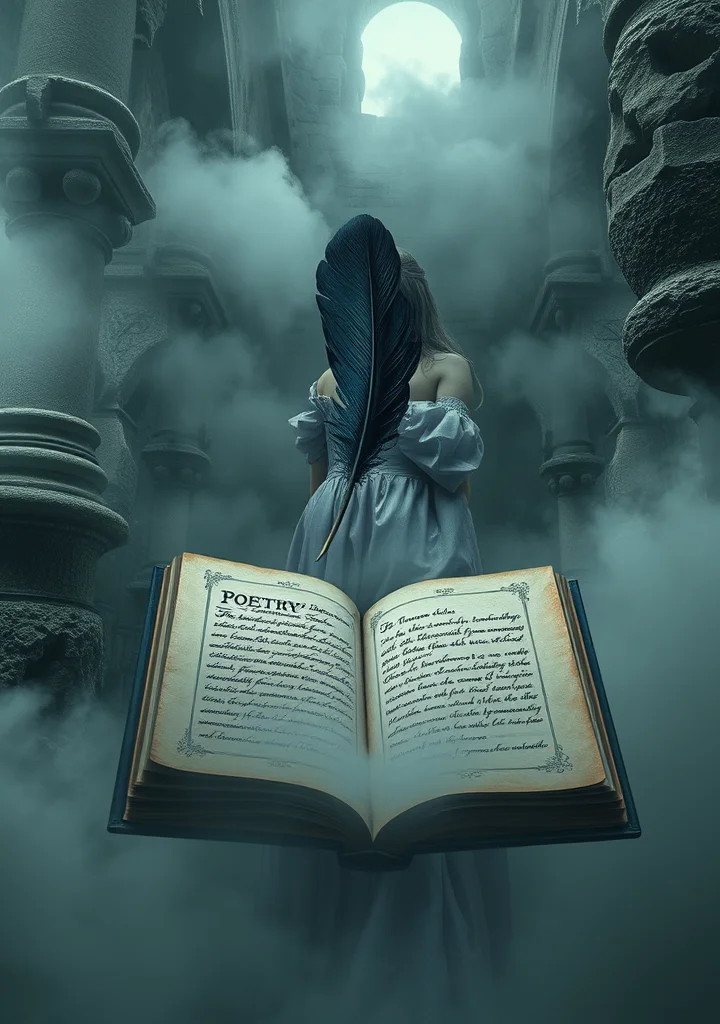
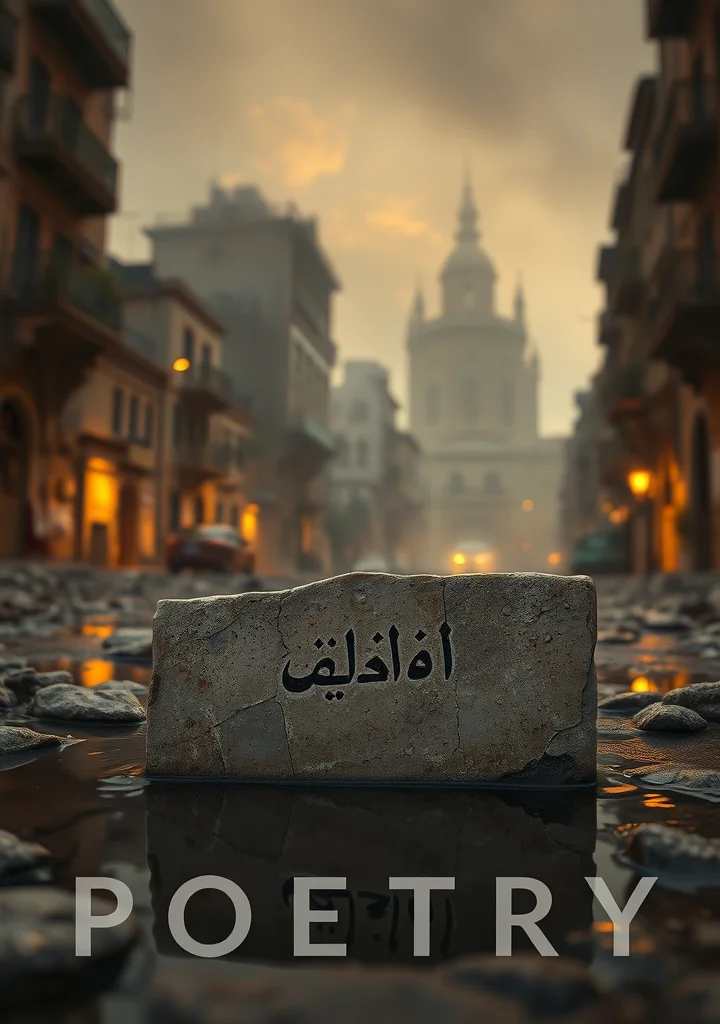
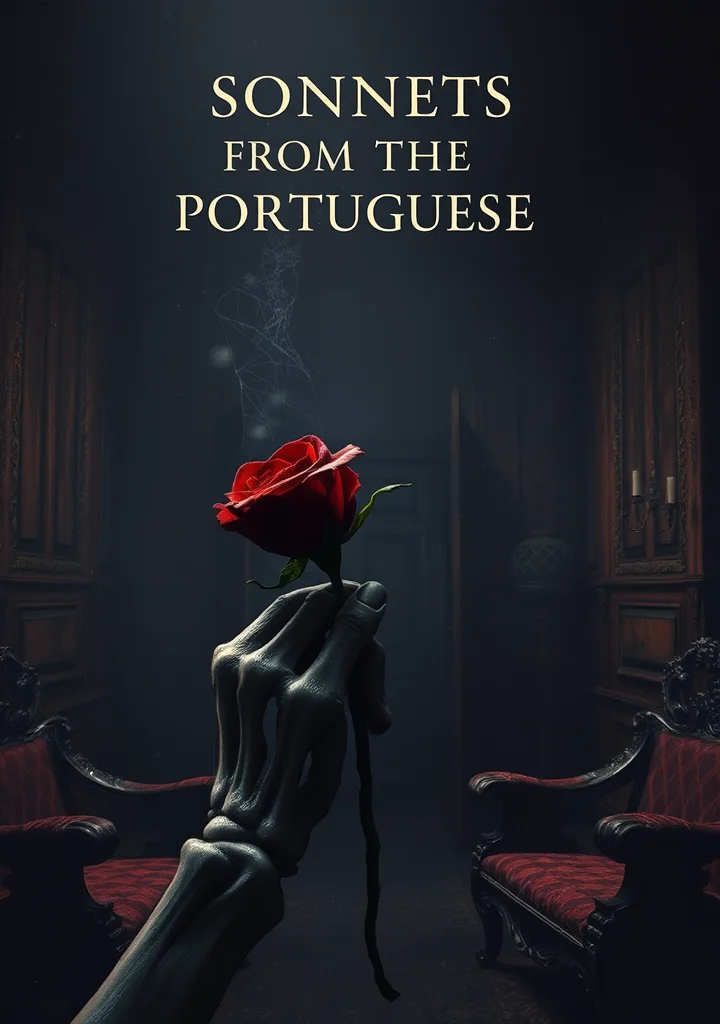
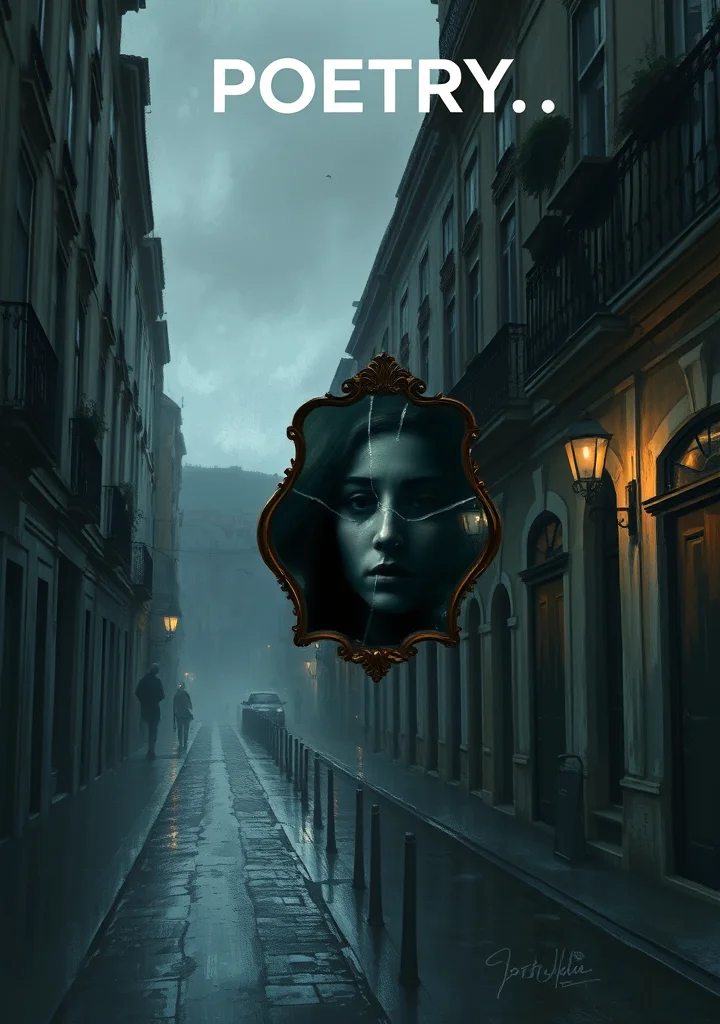
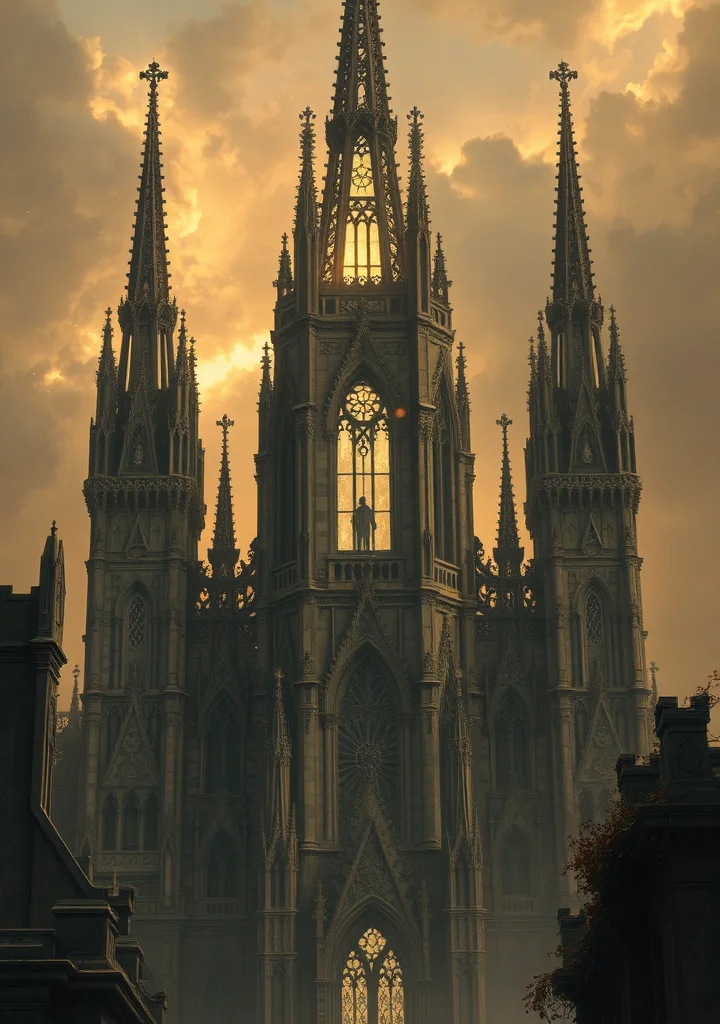
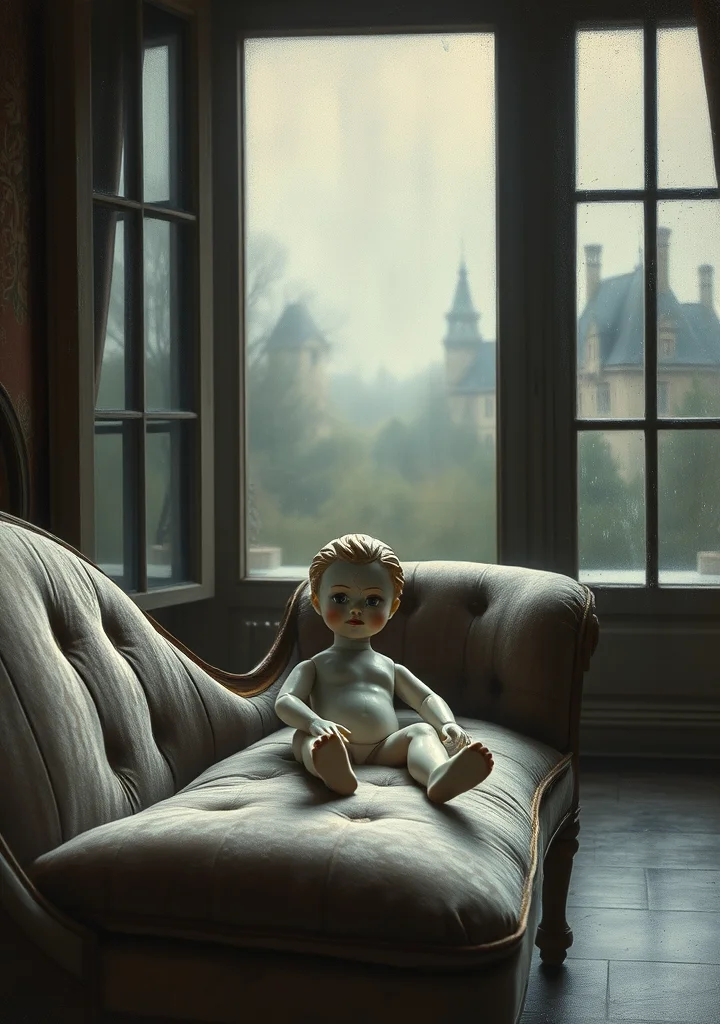
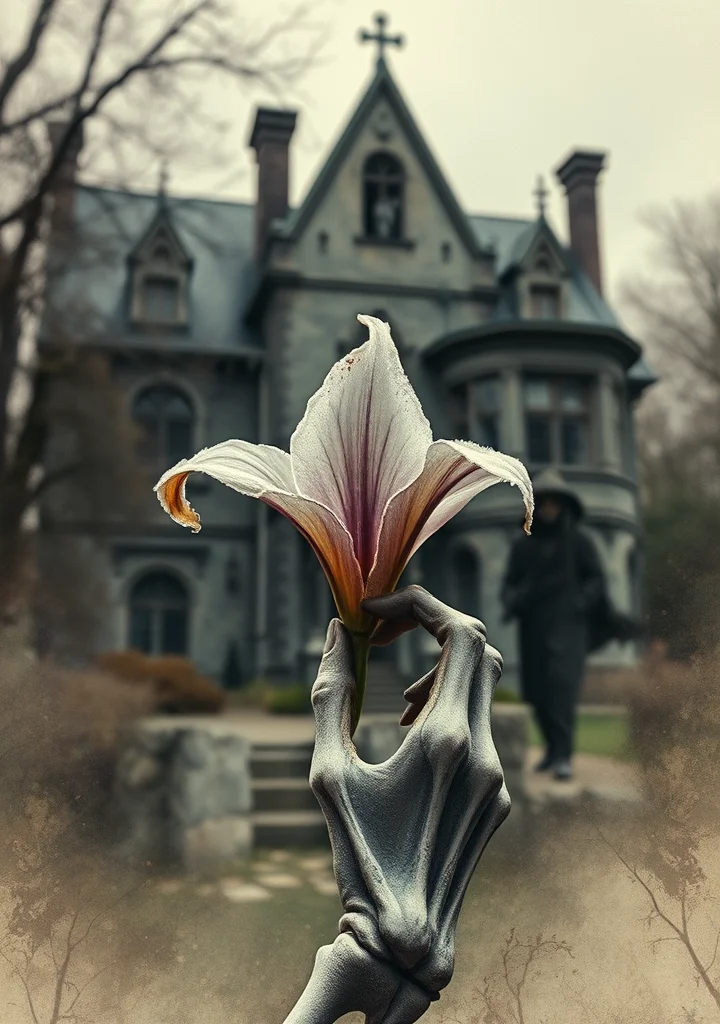
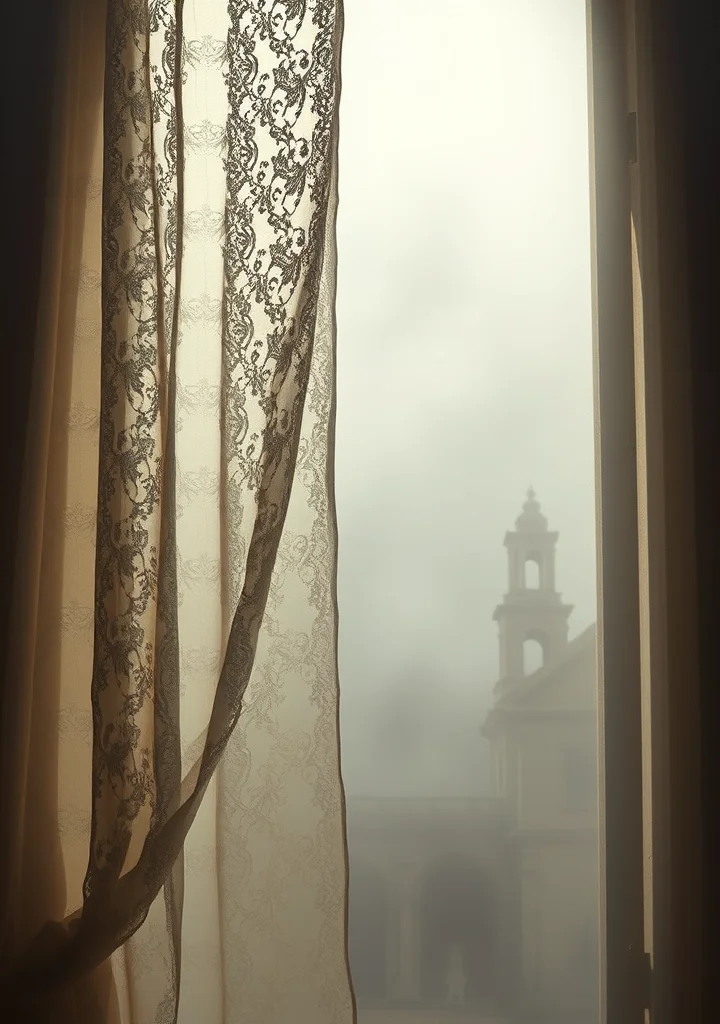
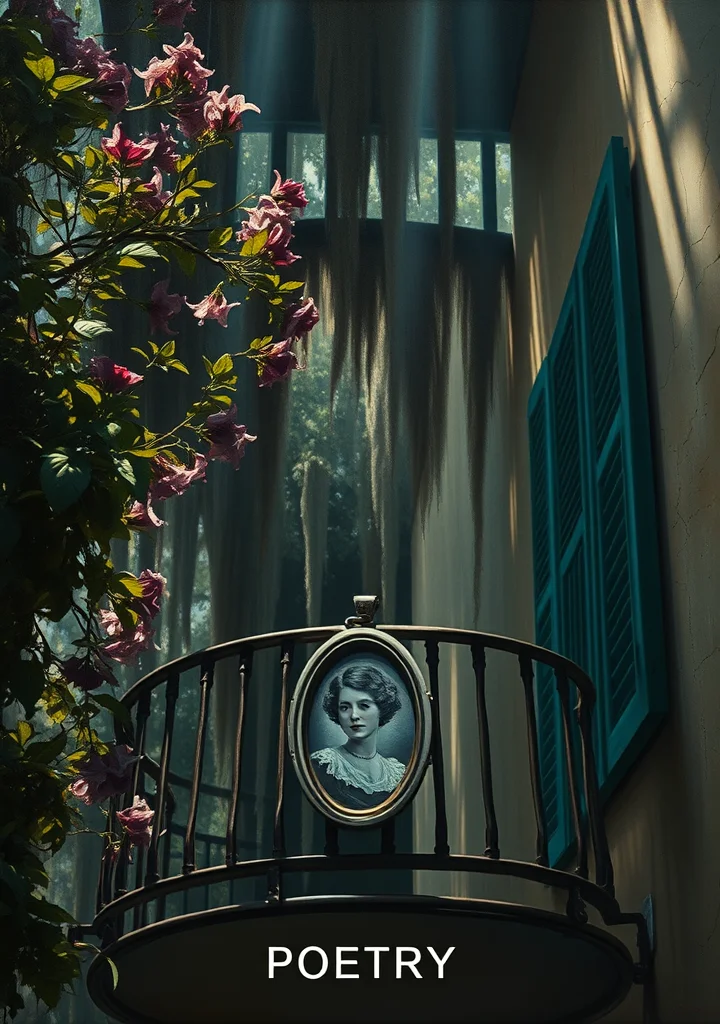
A suffocating humidity clings to the wrought-iron balconies and shadowed streets of Charleston, even as the narrative exhales a languid, decaying elegance. The air itself seems thick with the ghosts of generations past, whispering through palmetto fronds and crumbling plaster. Every doorway exhudes the scent of jasmine and something older—a brine of regret and faded grandeur. The story unfolds not as a rush of events, but as a slow seepage of consciousness, a fever dream mirroring the city’s languor. Rooms are lit by slivers of moonlight, revealing dust motes dancing in the oppressive heat, and faces veiled in secrets. The weight of inherited histories presses down on the characters, a suffocating inheritance of sorrow and unspoken truths. The very architecture feels mournful, buildings leaning in to overhear confessions and exhale sighs of resignation. A sense of inevitable decay permeates everything, a premonition that the world within is slowly dissolving into shadow, and the boundaries between the living and the dead blur with each humid breath. The narrative coils like Spanish moss around ancient oaks, beautiful, parasitic, and utterly inescapable. It's a story steeped in the scent of dying flowers and the murmur of forgotten prayers, where the past doesn't haunt, it *is*.
Copyright: Public Domain
This license allows anyone to use your story for any purpose, including printing, selling, or adapting it into a film freely.
This license allows anyone to use your story for any purpose, including printing, selling, or adapting it into a film freely.
Chapter List
-
« Poetry »📖 Continue Reading
-
« Lift Ev’ry Voice and Sing »
-
« Chapter_4 »
-
« To America »
-
« O Black and Unknown Bards »
-
« O Southland! »
-
« To Horace Bumstead »
-
« Chapter_9 »
-
« The Black Mammy »
-
« Chapter_11 »
-
« Brothers »
-
« Fragment »
-
« The White Witch »
-
« Mother Night »
-
« The Young Warrior »
-
« The Glory of the Day Was in Her Face »
-
« From the Spanish »
-
« Before a Painting »
-
« I Hear the Stars Still Singing »
-
« Girl of Fifteen »
-
« The Suicide »
-
« Down by the Carib Sea »
-
« I »
-
« II »
-
« III »
-
« IV »
-
« V »
-
« VI »
-
« And the Greatest of These Is War »
-
« A Mid-Day Dreamer »
-
« The Temptress »
-
« Ghosts of the Old Year »
-
« The Ghost of Deacon Brown »
-
« “Lazy” »
-
« Omar »
-
« Deep in the Quiet Wood »
-
« Voluptas »
-
« The Word of an Engineer »
-
« Life »
-
« Sleep »
-
« Prayer at Sunrise »
-
« The Gift to Sing »
-
« Morning, Noon and Night »
-
« Her Eyes Twin Pools »
-
« The Awakening »
-
« Beauty That Is Never Old »
-
« Venus in a Garden »
-
« Vashti »
-
« The Reward »
-
« Sence You Went Away »
-
« Chapter_52 »
-
« Chapter_53 »
-
« Chapter_54 »
-
« Chapter_55 »
-
« A Plantation Bacchanal »
-
« July in Georgy »
-
« A Banjo Song »
-
« Answer to Prayer »
-
« Dat Gal o’ Mine »
-
« The Seasons »
-
« Chapter_62 »
-
« Brer Rabbit, You’s de Cutes’ of ’Em All »
-
« An Explanation »
-
« De Little Pickaninny’s Gone to Sleep »
-
« The Rivals »
-
« Listen Lord »
-
« The Creation »
-
« The Prodigal Son »
-
« Go Down Death »
-
« Noah Built the Ark »
-
« The Crucifixion »
-
« Let My People Go »
-
« The Judgment Day »
-
« Chapter_75 »
74
-
« Poetry »
-
« Lift Ev’ry Voice and Sing »
-
« Chapter_4 »
-
« To America »
-
« O Black and Unknown Bards »
-
« O Southland! »
-
« To Horace Bumstead »
-
« Chapter_9 »
-
« The Black Mammy »
-
« Chapter_11 »
-
« Brothers »
-
« Fragment »
-
« The White Witch »
-
« Mother Night »
-
« The Young Warrior »
-
« The Glory of the Day Was in Her Face »
-
« From the Spanish »
-
« Before a Painting »
-
« I Hear the Stars Still Singing »
-
« Girl of Fifteen »
-
« The Suicide »
-
« Down by the Carib Sea »
-
« I »
-
« II »
-
« III »
-
« IV »
-
« V »
-
« VI »
-
« And the Greatest of These Is War »
-
« A Mid-Day Dreamer »
-
« The Temptress »
-
« Ghosts of the Old Year »
-
« The Ghost of Deacon Brown »
-
« “Lazy” »
-
« Omar »
-
« Deep in the Quiet Wood »
-
« Voluptas »
-
« The Word of an Engineer »
-
« Life »
-
« Sleep »
-
« Prayer at Sunrise »
-
« The Gift to Sing »
-
« Morning, Noon and Night »
-
« Her Eyes Twin Pools »
-
« The Awakening »
-
« Beauty That Is Never Old »
-
« Venus in a Garden »
-
« Vashti »
-
« The Reward »
-
« Sence You Went Away »
-
« Chapter_52 »
-
« Chapter_53 »
-
« Chapter_54 »
-
« Chapter_55 »
-
« A Plantation Bacchanal »
-
« July in Georgy »
-
« A Banjo Song »
-
« Answer to Prayer »
-
« Dat Gal o’ Mine »
-
« The Seasons »
-
« Chapter_62 »
-
« Brer Rabbit, You’s de Cutes’ of ’Em All »
-
« An Explanation »
-
« De Little Pickaninny’s Gone to Sleep »
-
« The Rivals »
-
« Listen Lord »
-
« The Creation »
-
« The Prodigal Son »
-
« Go Down Death »
-
« Noah Built the Ark »
-
« The Crucifixion »
-
« Let My People Go »
-
« The Judgment Day »
-
« Chapter_75 »
More like this