
-
Read 651
-
0
-
Part 43
Completed, First published Mar 02, 2026
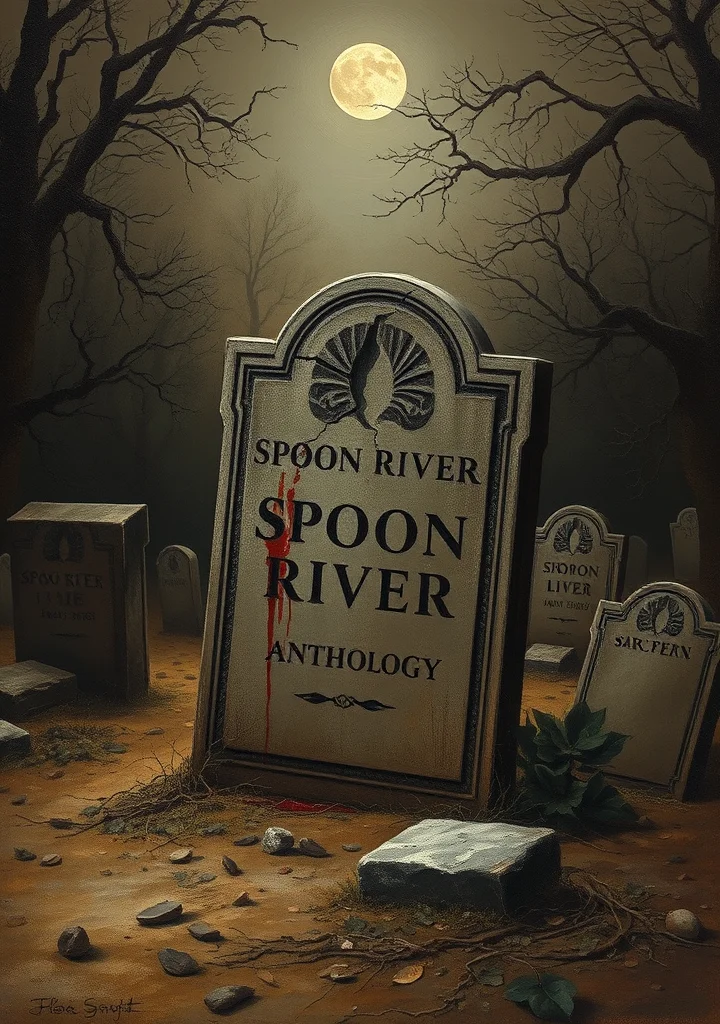
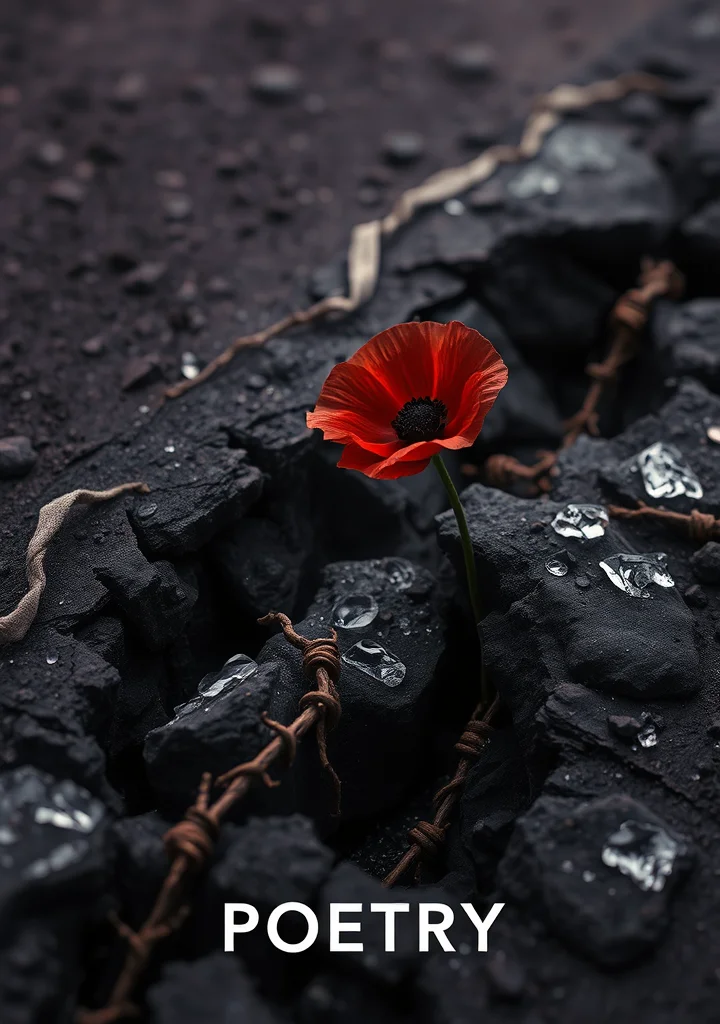
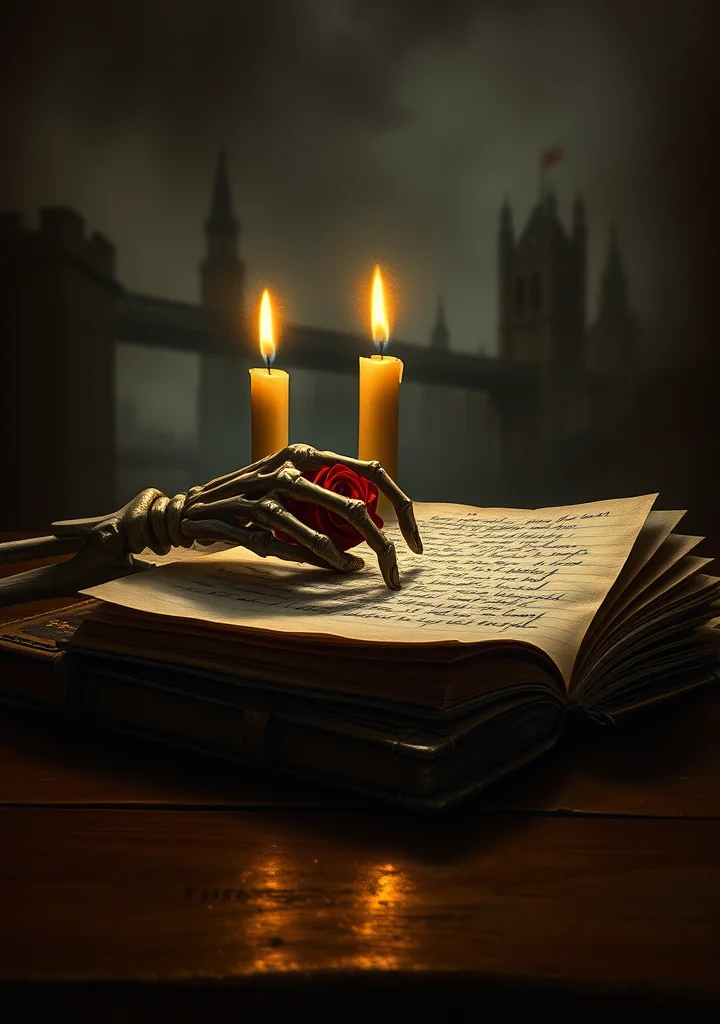
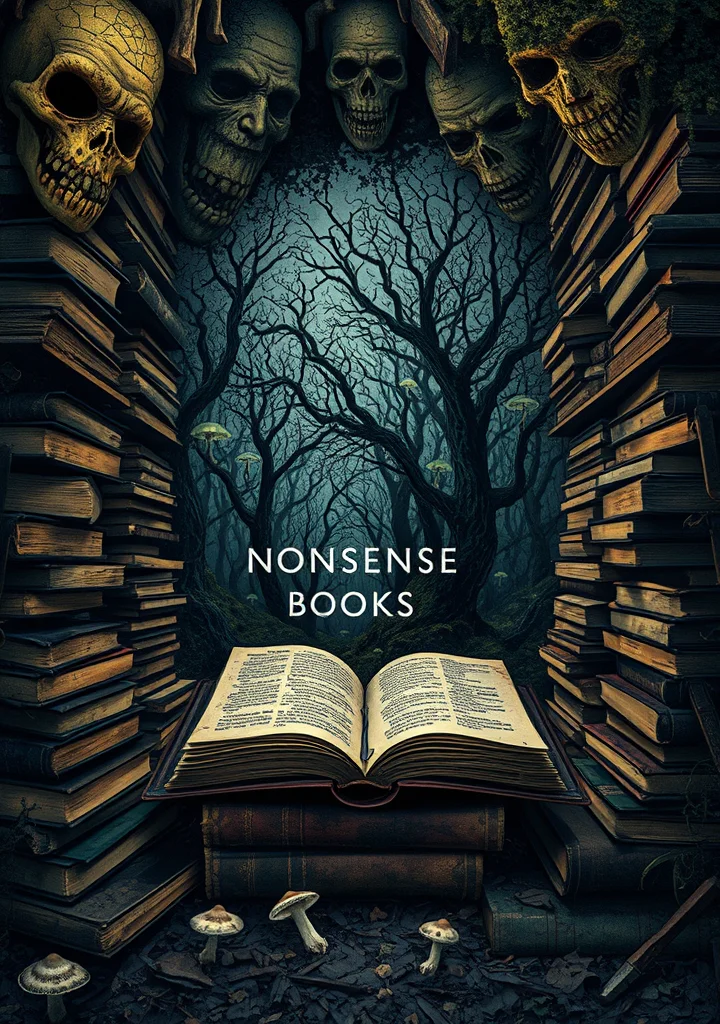
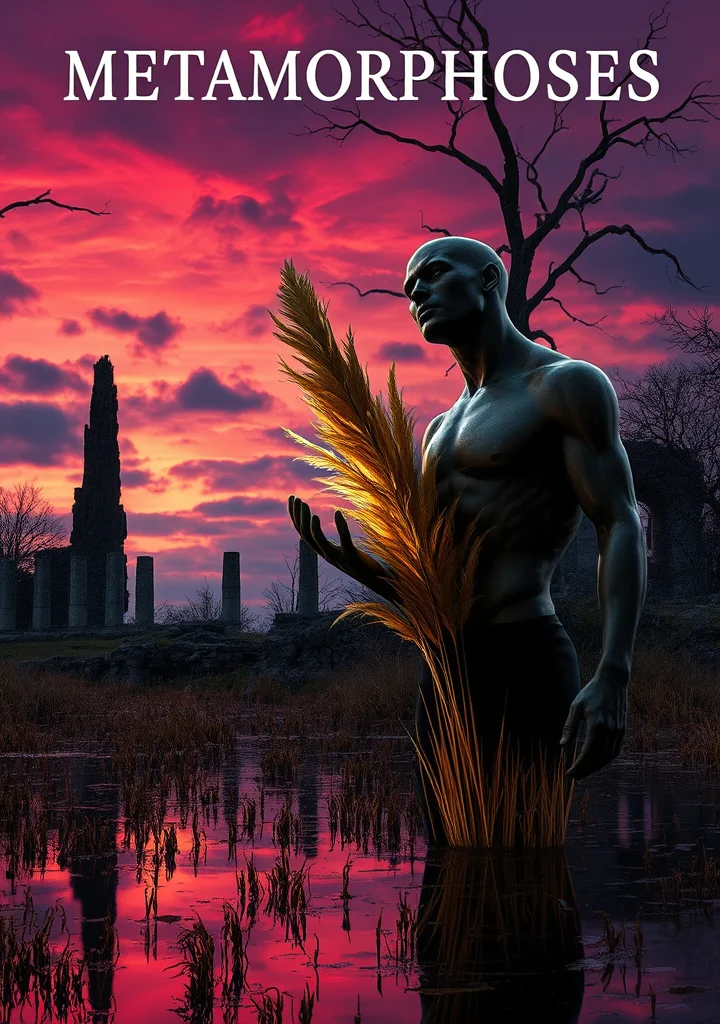
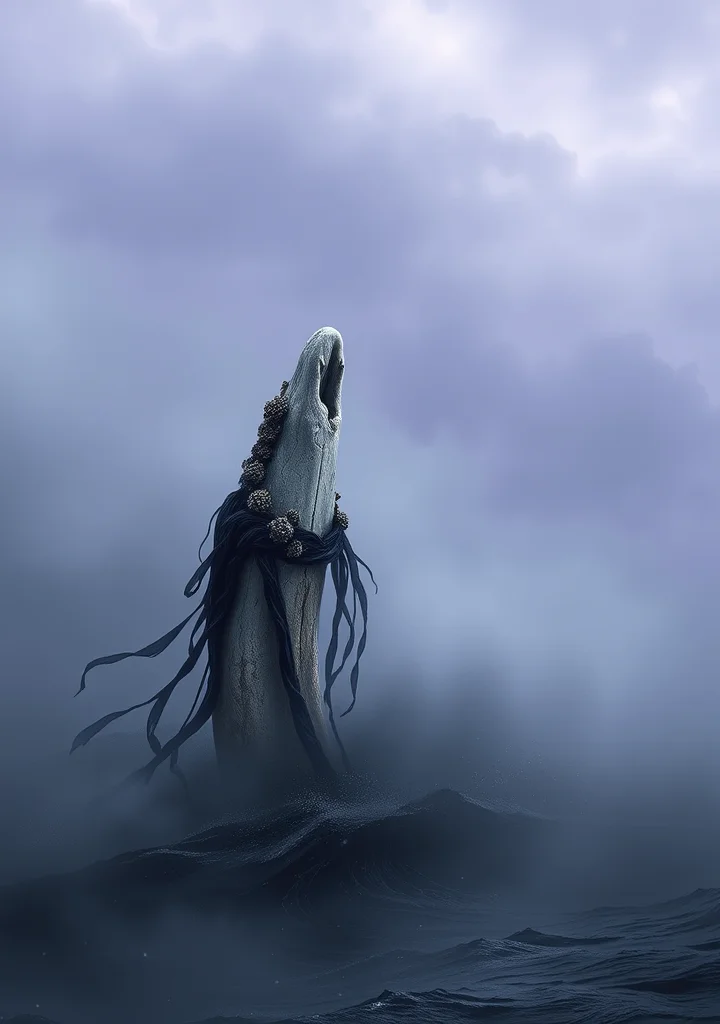
A creeping fog, thick with the scent of brine and decay, clings to the salt-blasted shores of memory. Within, a fractured coastline of verse—not of polished stone, but of splintered bone and drowned silk. This is not a collection of poems as much as an excavation of a soul laid bare by grief and defiance. Each stanza breathes with the chill of an unyielding winter sea, echoing the author’s own spectral presence as she wanders the desolate moors of anarchic thought.
Here, the language is less a comforting embrace than a cold hand pressed against the throat. Shadows lengthen with every line, stretching from the ruins of lost loves to the battlefields of the spirit. The cadence is haunted—a rhythmic pulse that mimics the desperate beat of a heart refusing to succumb.
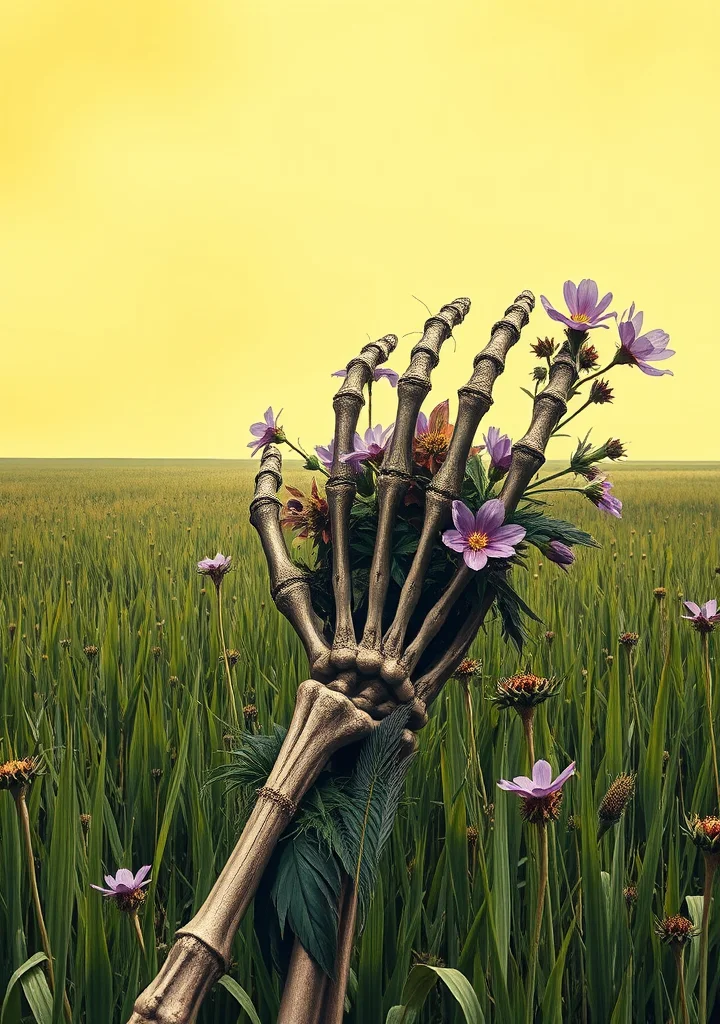
Expect not solace, but the raw ache of defiance born from witnessing the world’s cruelty. A suffocating beauty permeates the text, laced with the venom of unshed tears and the brittle fragility of a hope long since abandoned. The poems themselves feel less written than *grown* from the earth, pushing up through layers of sorrow and rebellion, each bloom a thorny testament to a life lived on the precipice of oblivion. A darkness clings to these pages, a darkness that whispers of forgotten gods and the cold comfort of solitude.
Copyright: Public Domain
This license allows anyone to use your story for any purpose, including printing, selling, or adapting it into a film freely.
This license allows anyone to use your story for any purpose, including printing, selling, or adapting it into a film freely.
Chapter List
-
« Poetry »📖 Continue Reading
-
« The Burial of My Past Self »
-
« Night on the Graves »
-
« Chapter_5 »
-
« The Freethinker’s Plea »
-
« To My Mother »
-
« Betrayed »
-
« Optimism »
-
« At the Grave in Waldheim »
-
« Chapter_11 »
-
« Chapter_12 »
-
« The Dirge of the Sea »
-
« Bastard Born »
-
« I Am »
-
« Life or Death »
-
« Chapter_17 »
-
« Chapter_18 »
-
« The Toast of Despair »
-
« The New Hope »
-
« Chapter_21 »
-
« Out of the Darkness »
-
« Mary Wollstonecraft »
-
« The Gods and the People »
-
« Chapter_25 »
-
« The Cry of the Unfit »
-
« Chapter_27 »
-
« Chapter_28 »
-
« Chapter_29 »
-
« Chapter_30 »
-
« Chapter_31 »
-
« Chapter_32 »
-
« Chapter_33 »
-
« Chapter_34 »
-
« Chapter_35 »
-
« Chapter_36 »
-
« Chapter_37 »
-
« Love’s Compensation »
-
« Chapter_39 »
-
« Chapter_40 »
-
« Angiolillo »
-
« Ave et Vale »
-
« Chapter_43 »
-
« Chapter_44 »
43
-
« Poetry »
-
« The Burial of My Past Self »
-
« Night on the Graves »
-
« Chapter_5 »
-
« The Freethinker’s Plea »
-
« To My Mother »
-
« Betrayed »
-
« Optimism »
-
« At the Grave in Waldheim »
-
« Chapter_11 »
-
« Chapter_12 »
-
« The Dirge of the Sea »
-
« Bastard Born »
-
« I Am »
-
« Life or Death »
-
« Chapter_17 »
-
« Chapter_18 »
-
« The Toast of Despair »
-
« The New Hope »
-
« Chapter_21 »
-
« Out of the Darkness »
-
« Mary Wollstonecraft »
-
« The Gods and the People »
-
« Chapter_25 »
-
« The Cry of the Unfit »
-
« Chapter_27 »
-
« Chapter_28 »
-
« Chapter_29 »
-
« Chapter_30 »
-
« Chapter_31 »
-
« Chapter_32 »
-
« Chapter_33 »
-
« Chapter_34 »
-
« Chapter_35 »
-
« Chapter_36 »
-
« Chapter_37 »
-
« Love’s Compensation »
-
« Chapter_39 »
-
« Chapter_40 »
-
« Angiolillo »
-
« Ave et Vale »
-
« Chapter_43 »
-
« Chapter_44 »
More like this