
-
Read 1.7K
-
0
-
Part 157
Completed, First published Mar 02, 2026
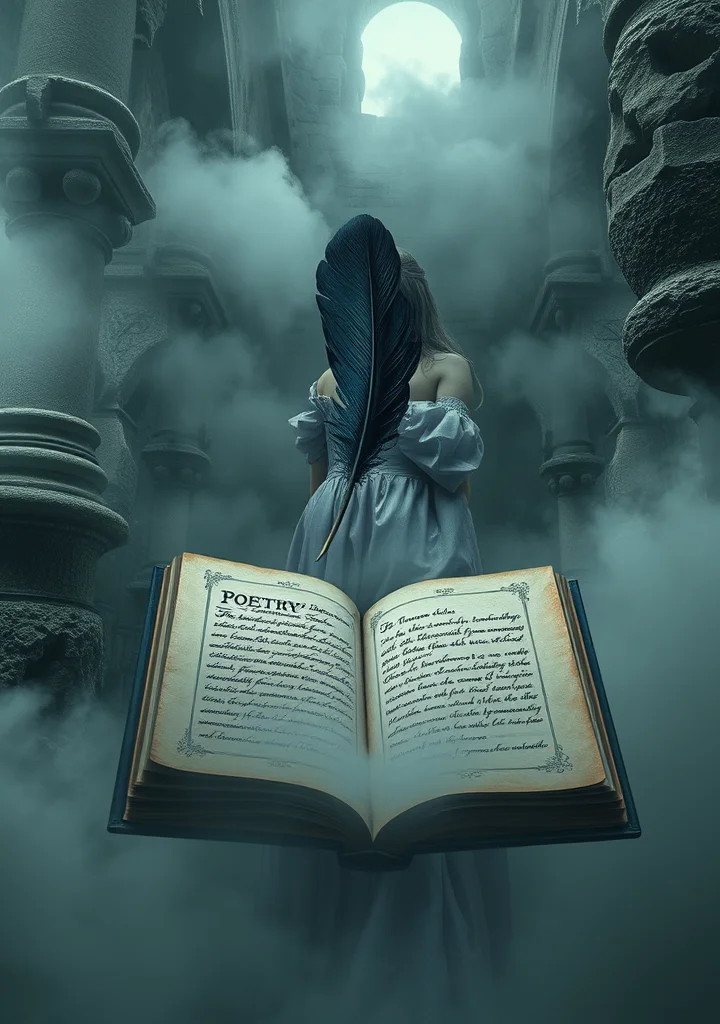
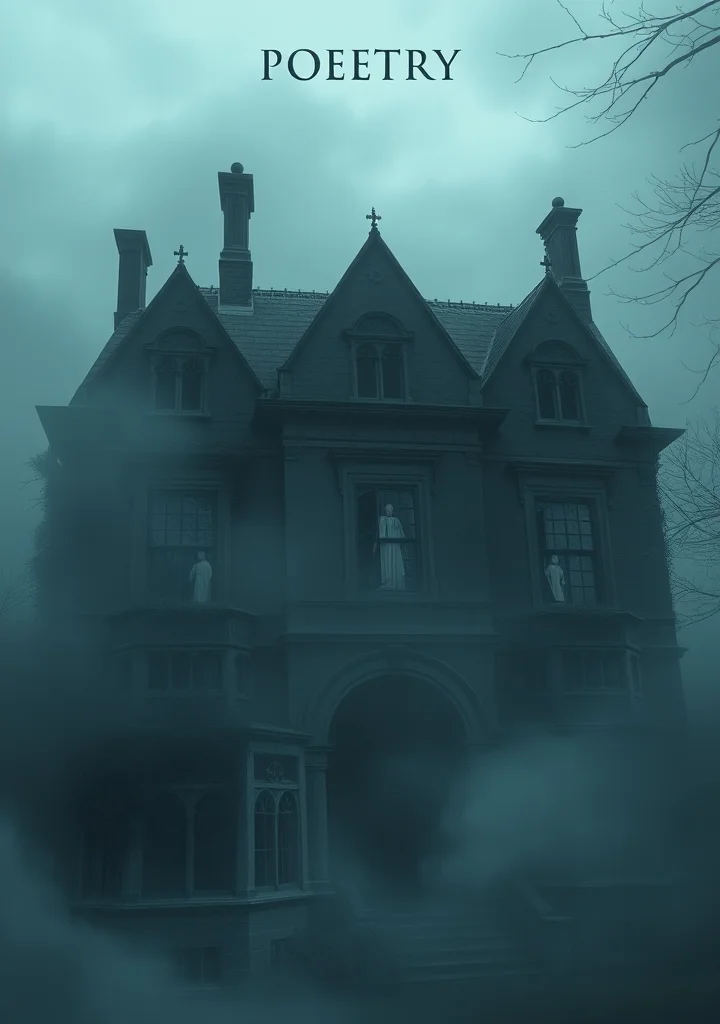
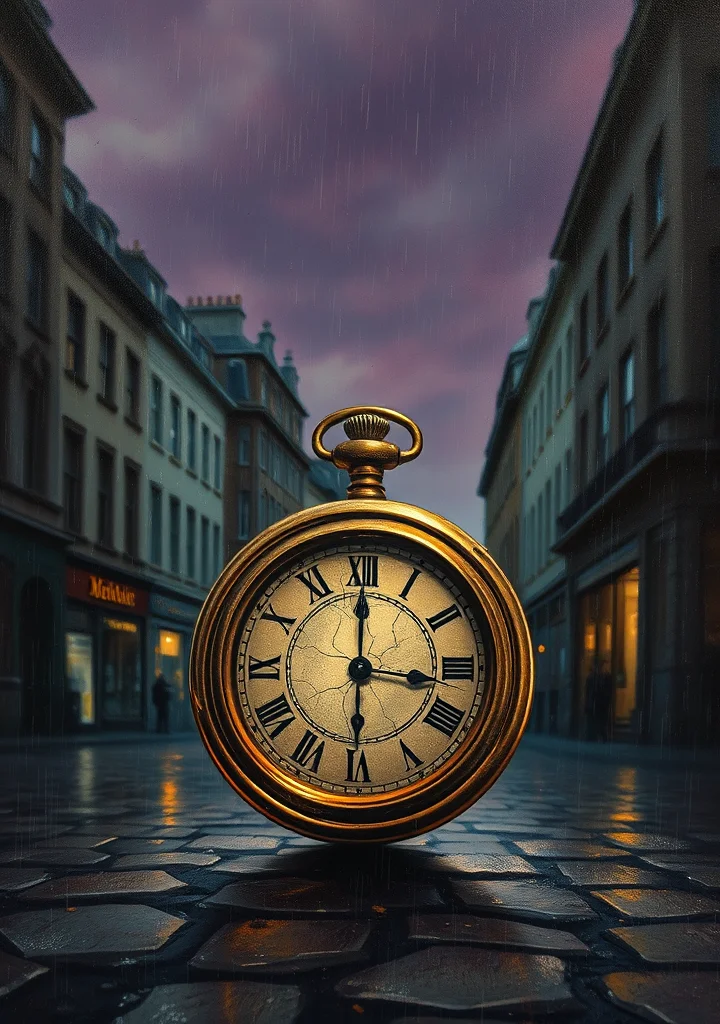
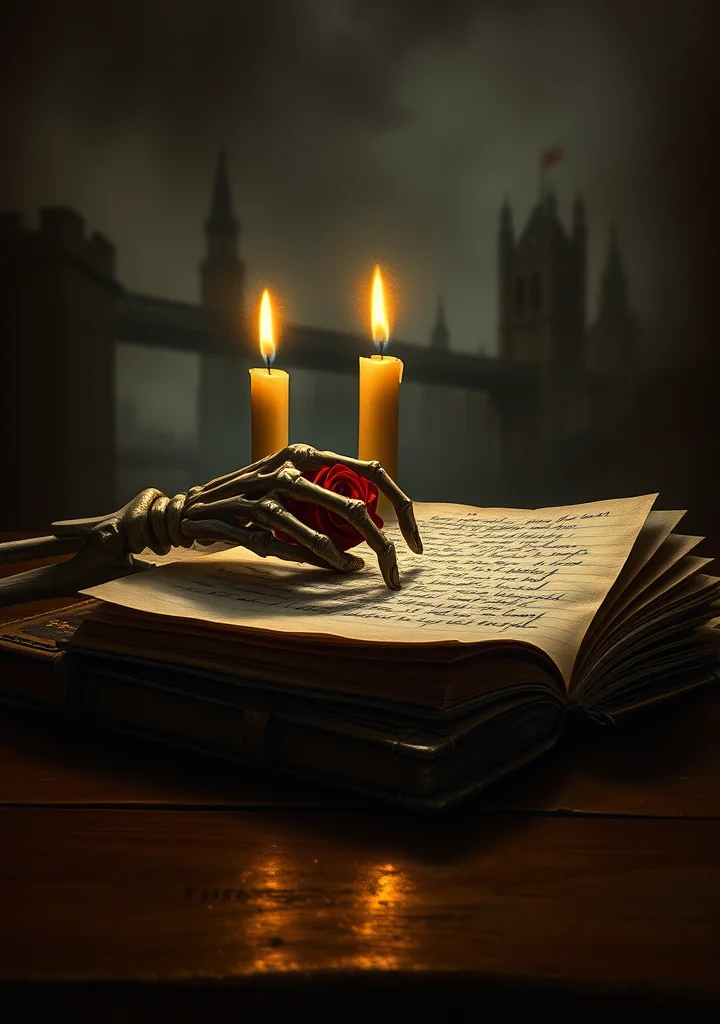
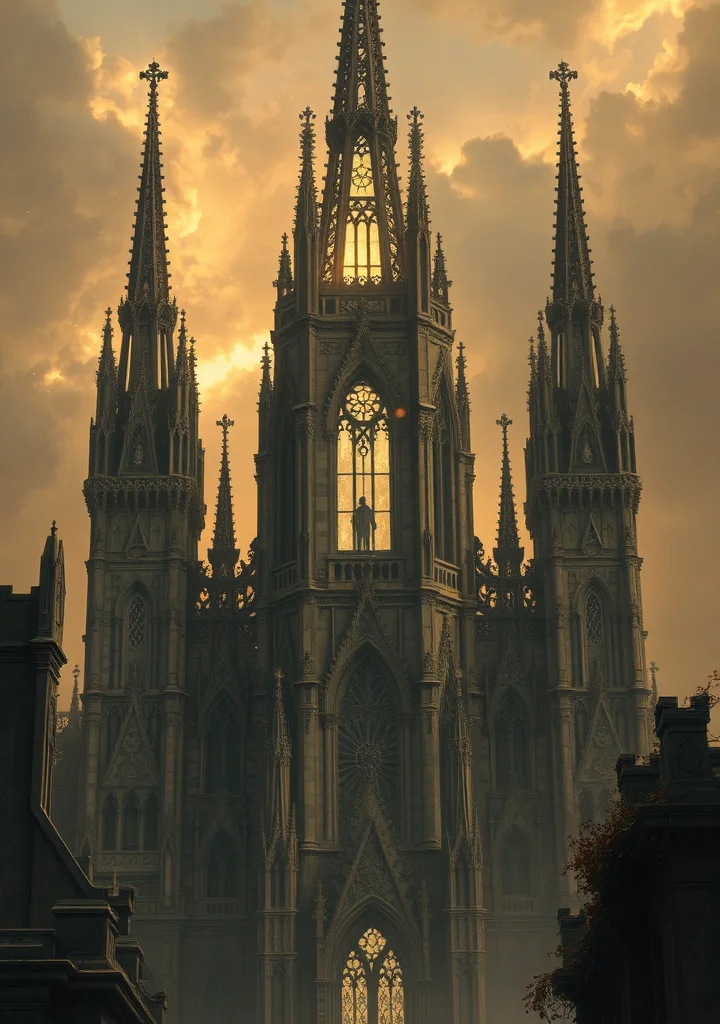
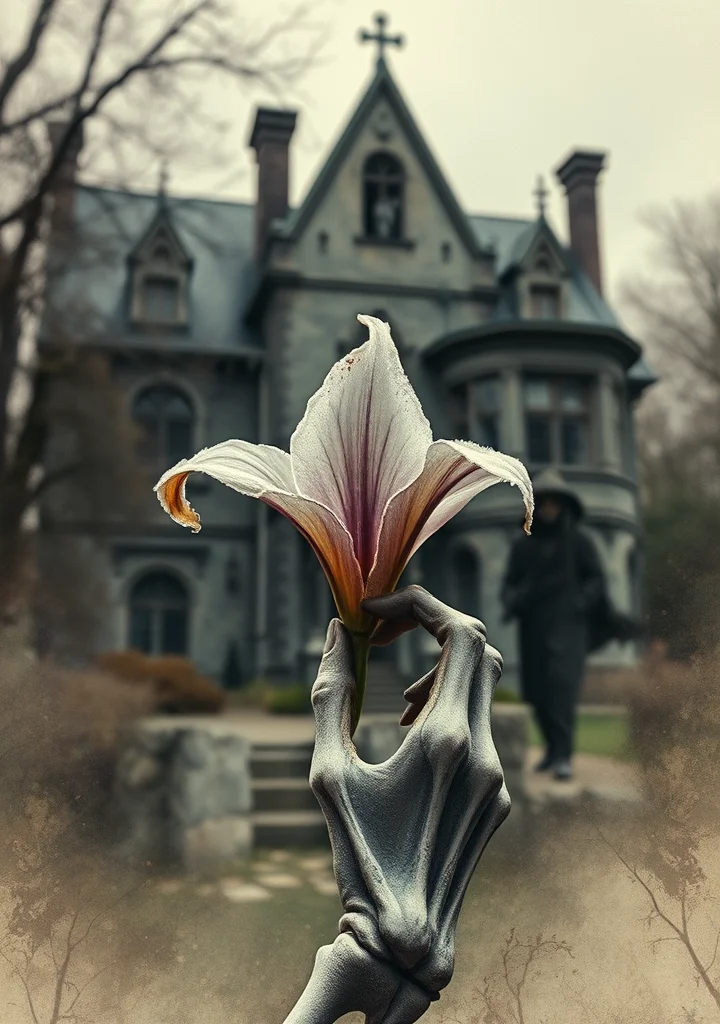
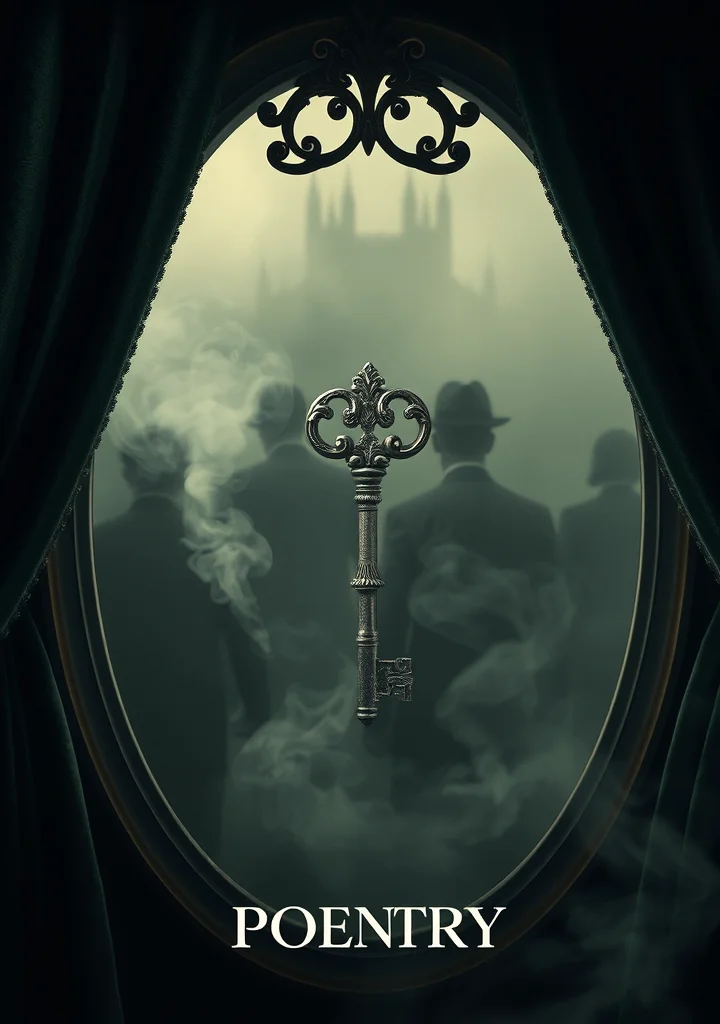
A creeping fog of decadence clings to the shadowed streets where Wilde’s verses bleed into reality. Within these pages, London is not a city of brick and stone, but a labyrinth of velvet drapes and whispered sins. Each poem is a keyhole glimpse into rooms haunted by languor, regret, and the gilded cages of the heart. The air tastes of absinthe and regret, heavy with the weight of unspoken desires. A perpetual twilight descends upon the characters, their faces pale as lilies in winter, their stories unraveling like silk threads in the gloom. There is a rot beneath the beauty, a brittle fragility woven into every line. The narrative isn’t a journey *through* London, but a descent *into* its shadowed soul—a place where beauty consumes itself, leaving only the echoing emptiness of desire and the slow bloom of decay. The city breathes with a mournful sigh, and the poems themselves are the ghosts that haunt its elegant, crumbling corners.
Copyright: Public Domain
This license allows anyone to use your story for any purpose, including printing, selling, or adapting it into a film freely.
This license allows anyone to use your story for any purpose, including printing, selling, or adapting it into a film freely.
Chapter List
-
« Poetry »📖 Continue Reading
-
« Chorus of Cloud Maidens »
-
« Στροφή »
-
« Άντιστροφή »
-
« From Spring Days to Winter »
-
« Chapter_7 »
-
« Chapter_8 »
-
« Στροφή »
-
« Στροφή »
-
« Στροφή »
-
« Άντιστροφή »
-
« Στροφή Β »
-
« Άντιστροφή Β »
-
« I »
-
« I »
-
« II »
-
« III »
-
« IV »
-
« V »
-
« Wasted Days »
-
« A Fragment from theAgamemnonof Aeschylos »
-
« The Theatre at Argos »
-
« I »
-
« I »
-
« II »
-
« III »
-
« IV »
-
« V »
-
« VI »
-
« VII »
-
« Sen Artysty »
-
« Hélas! »
-
« Eleutheria »
-
« Sonnet to Liberty »
-
« Ave Imperatrix »
-
« To Milton »
-
« Louis Napoleon »
-
« Sonnet »
-
« Quantum Mutata »
-
« Libertatis Sacra Fames »
-
« Theoretikos »
-
« The Garden of Eros »
-
« Rosa Mystica »
-
« Requiescat »
-
« Sonnet on Approaching Italy »
-
« San Miniato »
-
« Ave Maria Gratia Plena »
-
« Italia »
-
« Sonnet »
-
« Rome Unvisited »
-
« I »
-
« II »
-
« III »
-
« IV »
-
« Urbs Sacra Aeterna »
-
« Sonnet »
-
« Easter Day »
-
« E Tenebris »
-
« Vita Nuova »
-
« Madonna Mia »
-
« The New Helen »
-
« The Burden of Itys »
-
« Wind Flowers »
-
« Impression du Matin »
-
« Magdalen Walks »
-
« Athanasia »
-
« Serenade »
-
« Endymion »
-
« La Bella Donna Della Mia Mente »
-
« Chanson »
-
« Charmides »
-
« I »
-
« II »
-
« III »
-
« Flowers of Gold »
-
« Impressions »
-
« I »
-
« II »
-
« The Grave of Keats »
-
« Theocritus »
-
« In the Gold Room »
-
« Ballade de Marguerite »
-
« The Dole of the King’s Daughter »
-
« Amor Intellectualis »
-
« Santa Decca »
-
« A Vision »
-
« Impression de Voyage »
-
« The Grave of Shelley »
-
« By the Arno »
-
« Impressions de Théâtre »
-
« Fabien Dei Franchi »
-
« Phèdre »
-
« Written at the Lyceum Theatre »
-
« I »
-
« II »
-
« III »
-
« Panthea »
-
« The Fourth Movement »
-
« Impression »
-
« At Verona »
-
« Apologia »
-
« Quia Multum Amavi »
-
« Silentium Amoris »
-
« Her Voice »
-
« My Voice »
-
« Taedium Vitae »
-
« Humanitad »
-
« Flower of Love »
-
« Impressions »
-
« I »
-
« II »
-
« Under the Balcony »
-
« The Harlot’s House »
-
« Le Jardin des Tuileries »
-
« On the Sale by Auction of Keats’ Love Letters »
-
« The New Remorse »
-
« Fantaisies Décoratives »
-
« I »
-
« II »
-
« Canzonet »
-
« Symphony in Yellow »
-
« In the Forest »
-
« To My Wife »
-
« With a Copy ofA House of Pomegranates »
-
« Roses and Rue »
-
« Désespoir »
-
« Pan »
-
« I »
-
« II »
-
« Chapter_131 »
-
« Chapter_132 »
-
« Chapter_133 »
-
« Chapter_134 »
-
« Chapter_135 »
-
« Chapter_136 »
-
« Chapter_137 »
-
« Chapter_138 »
-
« Chapter_139 »
-
« Chapter_140 »
-
« Chapter_141 »
-
« Chapter_142 »
-
« Chapter_143 »
-
« Chapter_144 »
-
« Poems in Prose »
-
« The Artist »
-
« The Doer of Good »
-
« The Disciple »
-
« The Master »
-
« The House of Judgment »
-
« The Teacher of Wisdom »
-
« I »
-
« I »
-
« II »
-
« III »
-
« IV »
-
« V »
-
« VI »
157
-
« Poetry »
-
« Chorus of Cloud Maidens »
-
« Στροφή »
-
« Άντιστροφή »
-
« From Spring Days to Winter »
-
« Chapter_7 »
-
« Chapter_8 »
-
« Στροφή »
-
« Στροφή »
-
« Στροφή »
-
« Άντιστροφή »
-
« Στροφή Β »
-
« Άντιστροφή Β »
-
« I »
-
« I »
-
« II »
-
« III »
-
« IV »
-
« V »
-
« Wasted Days »
-
« A Fragment from theAgamemnonof Aeschylos »
-
« The Theatre at Argos »
-
« I »
-
« I »
-
« II »
-
« III »
-
« IV »
-
« V »
-
« VI »
-
« VII »
-
« Sen Artysty »
-
« Hélas! »
-
« Eleutheria »
-
« Sonnet to Liberty »
-
« Ave Imperatrix »
-
« To Milton »
-
« Louis Napoleon »
-
« Sonnet »
-
« Quantum Mutata »
-
« Libertatis Sacra Fames »
-
« Theoretikos »
-
« The Garden of Eros »
-
« Rosa Mystica »
-
« Requiescat »
-
« Sonnet on Approaching Italy »
-
« San Miniato »
-
« Ave Maria Gratia Plena »
-
« Italia »
-
« Sonnet »
-
« Rome Unvisited »
-
« I »
-
« II »
-
« III »
-
« IV »
-
« Urbs Sacra Aeterna »
-
« Sonnet »
-
« Easter Day »
-
« E Tenebris »
-
« Vita Nuova »
-
« Madonna Mia »
-
« The New Helen »
-
« The Burden of Itys »
-
« Wind Flowers »
-
« Impression du Matin »
-
« Magdalen Walks »
-
« Athanasia »
-
« Serenade »
-
« Endymion »
-
« La Bella Donna Della Mia Mente »
-
« Chanson »
-
« Charmides »
-
« I »
-
« II »
-
« III »
-
« Flowers of Gold »
-
« Impressions »
-
« I »
-
« II »
-
« The Grave of Keats »
-
« Theocritus »
-
« In the Gold Room »
-
« Ballade de Marguerite »
-
« The Dole of the King’s Daughter »
-
« Amor Intellectualis »
-
« Santa Decca »
-
« A Vision »
-
« Impression de Voyage »
-
« The Grave of Shelley »
-
« By the Arno »
-
« Impressions de Théâtre »
-
« Fabien Dei Franchi »
-
« Phèdre »
-
« Written at the Lyceum Theatre »
-
« I »
-
« II »
-
« III »
-
« Panthea »
-
« The Fourth Movement »
-
« Impression »
-
« At Verona »
-
« Apologia »
-
« Quia Multum Amavi »
-
« Silentium Amoris »
-
« Her Voice »
-
« My Voice »
-
« Taedium Vitae »
-
« Humanitad »
-
« Flower of Love »
-
« Impressions »
-
« I »
-
« II »
-
« Under the Balcony »
-
« The Harlot’s House »
-
« Le Jardin des Tuileries »
-
« On the Sale by Auction of Keats’ Love Letters »
-
« The New Remorse »
-
« Fantaisies Décoratives »
-
« I »
-
« II »
-
« Canzonet »
-
« Symphony in Yellow »
-
« In the Forest »
-
« To My Wife »
-
« With a Copy ofA House of Pomegranates »
-
« Roses and Rue »
-
« Désespoir »
-
« Pan »
-
« I »
-
« II »
-
« Chapter_131 »
-
« Chapter_132 »
-
« Chapter_133 »
-
« Chapter_134 »
-
« Chapter_135 »
-
« Chapter_136 »
-
« Chapter_137 »
-
« Chapter_138 »
-
« Chapter_139 »
-
« Chapter_140 »
-
« Chapter_141 »
-
« Chapter_142 »
-
« Chapter_143 »
-
« Chapter_144 »
-
« Poems in Prose »
-
« The Artist »
-
« The Doer of Good »
-
« The Disciple »
-
« The Master »
-
« The House of Judgment »
-
« The Teacher of Wisdom »
-
« I »
-
« I »
-
« II »
-
« III »
-
« IV »
-
« V »
-
« VI »
More like this