
Room 13
  • 272
  • 1
  • 34
  • Reads 272
  • 1
  • Part 34
Completed, First published Mar 02, 2026

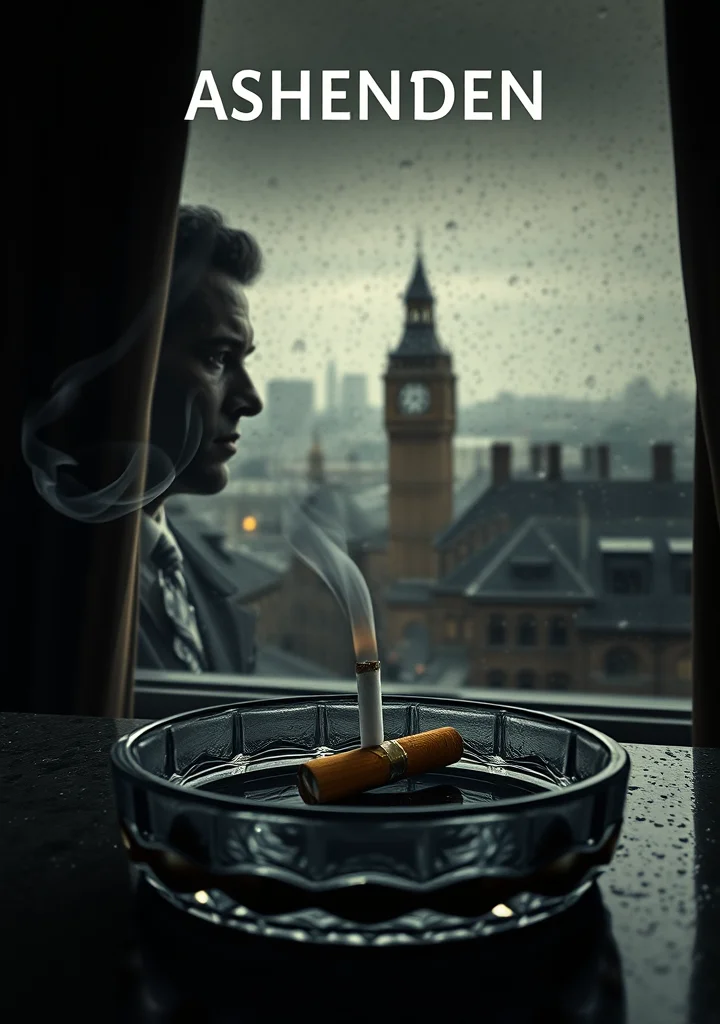
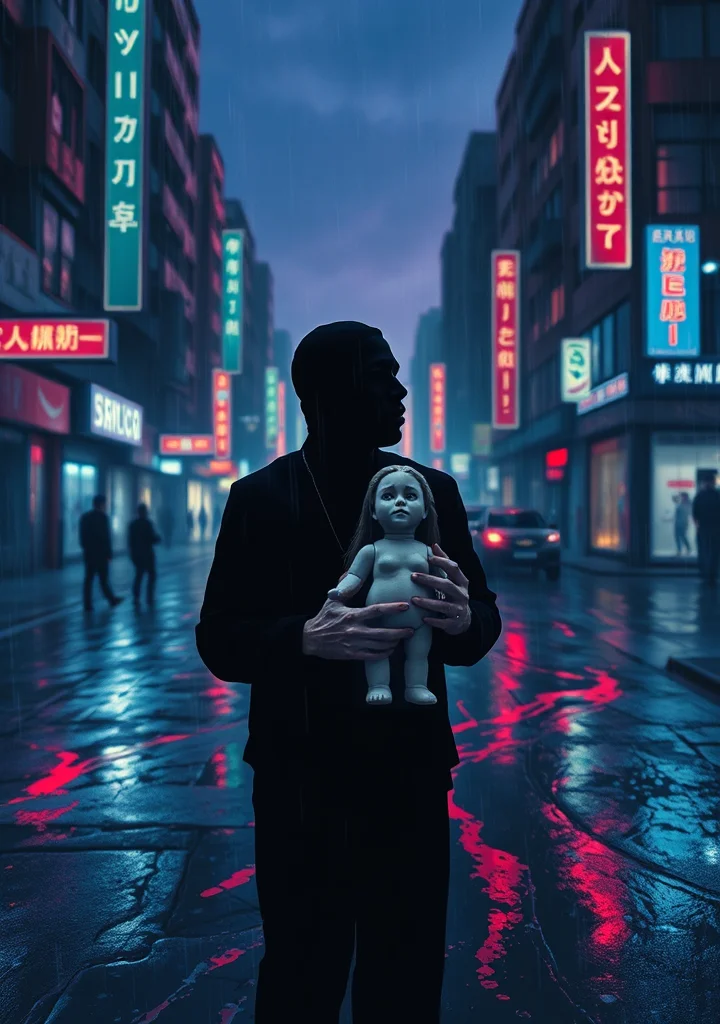
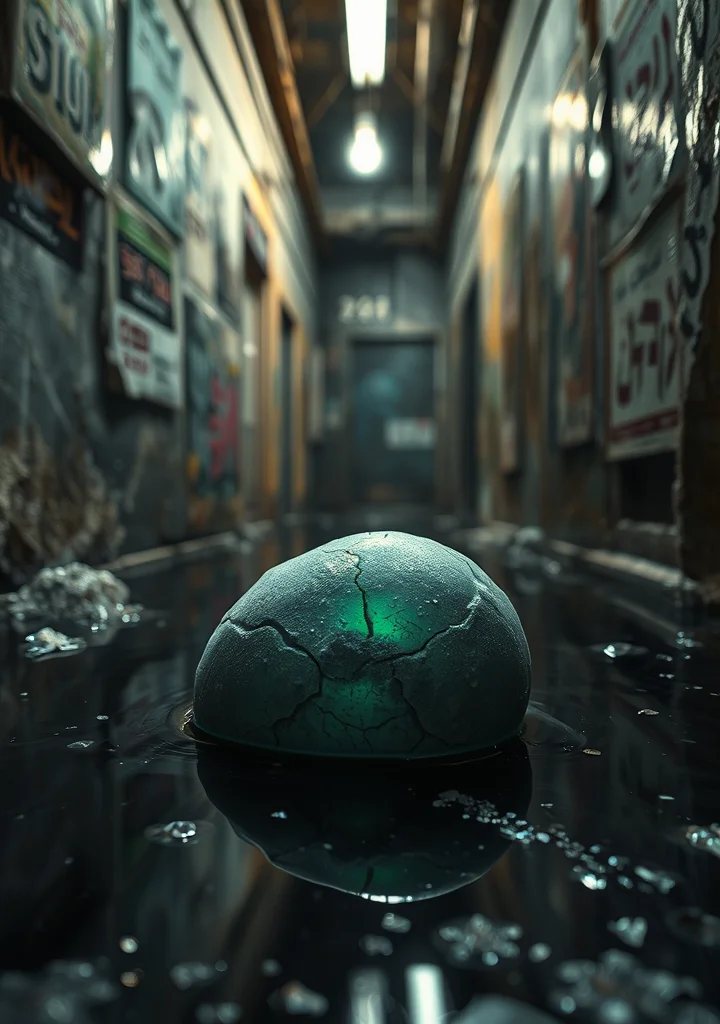
A suffocating dread clings to the corridors of the Grand Metropolitan Hotel. Not a tale of spectral hauntings, but of shadowed men and whispered conspiracies woven within its opulent, yet decaying, heart. Wallace doesn’t offer ghosts, but the suffocating weight of secrets held in polished mahogany and behind locked doors. Room 13 isn’t merely a number, it’s a pressure point – a crucible where desperation breeds betrayal and the line between innocence and complicity dissolves into a murky, gaslit haze. The narrative unfolds like a tightening noose, each chapter drawing you deeper into a labyrinth of false identities, illicit affairs, and the metallic tang of impending violence. A pervasive dampness permeates the prose, mirroring the moral rot that festers beneath the hotel’s veneer of respectability. Expect no heroic clarity; only the flickering lamplight revealing glimpses of shattered lives, a creeping sense of helplessness, and the chilling realization that within those gilded walls, every guest is either predator or prey. The air itself tastes of ash and regret, promising not resolution, but a descent into the darkness where even the most carefully constructed lies crumble to dust.
Copyright: Public Domain
This license allows anyone to use your story for any purpose, including printing, selling, or adapting it into a film freely.
Recommended for you
53 Part
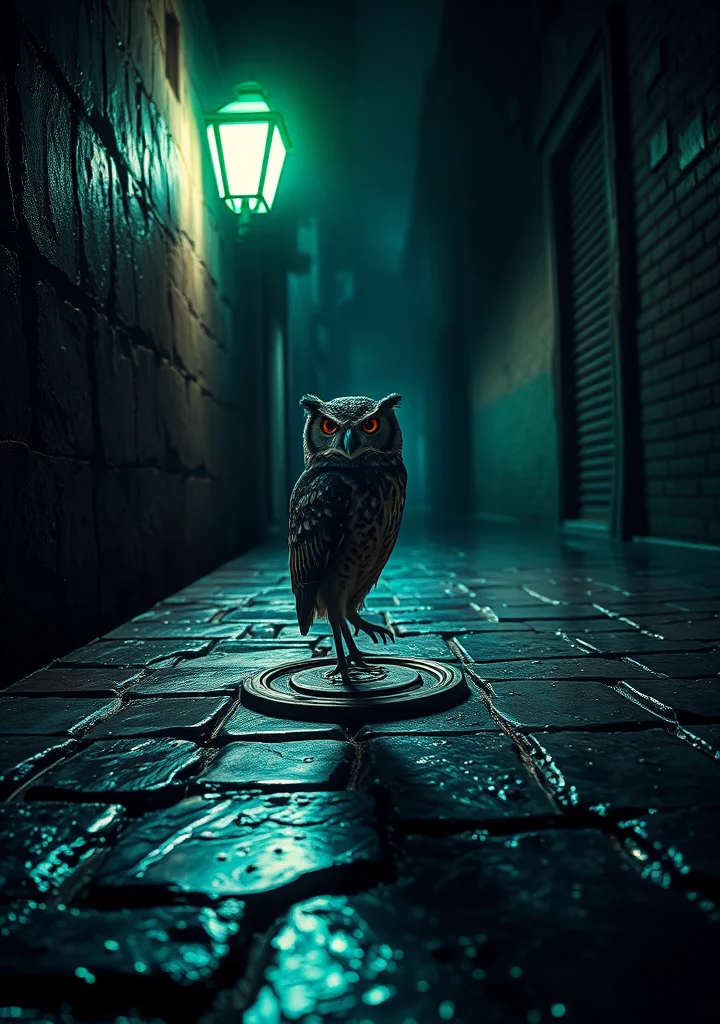
A creeping dread clings to the marshes of northern England, a suffocating fog mirroring the insidious presence that stalks the lives of Arthur Grimstone and his neighbors. It begins with whispers—a monstrous shape glimpsed in the peat bogs, livestock mutilated with unnatural precision, a chillingly human intelligence behind acts of escalating violence. The village of Stilton, already steeped in the melancholy of isolation, is slowly consumed by a terror born of the mire, a thing both animalistic and eerily, deliberately *aware*. Grimstone, a man haunted by his own rigid morality and the suffocating weight of Victorian expectation, finds himself drawn into a desperate pursuit of this creature—a pursuit that unravels not just the boundaries of his sanity, but the very foundations of his world. The Beetle is not merely a beast; it is a distortion, a parasite of the soul, weaving itself into the fabric of their lives, mirroring their darkest desires and festering resentments. Each encounter leaves a residue of cold, damp fear, the scent of decay clinging to the air long after the creature vanishes. The narrative descends into a labyrinth of shadowed alleys, decaying workhouses, and the claustrophobic interiors of Victorian homes—a suffocating world where the line between hunter and hunted blurs, and the monstrous Beetle becomes a terrifying reflection of the darkness within us all. The creeping dread isn't merely *of* the creature, but of the creeping rot *within* the very heart of the village, and within Grimstone himself.


35 Part
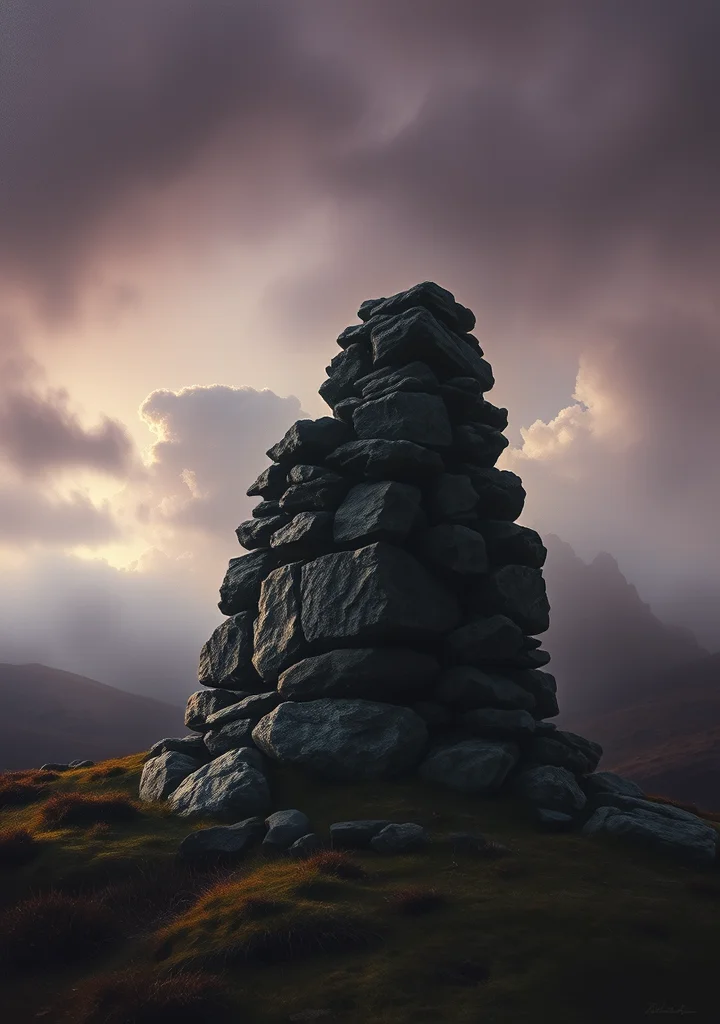
A creeping dread clings to the crumbling estates of the Rohmer estate, a legacy steeped in shadow and whispered blasphemies. The air hangs thick with the scent of decay and the cloying sweetness of night-blooming jasmine, mirroring the rot within the ancestral line. Here, amidst the suffocating grandeur of decaying manor houses and forgotten crypts, a lineage cursed by ancient pacts stirs. The narrative unfolds as a descent into a suffocating matriarchy—a dynasty of women who weave their power from the loam of the land, from the bones of their ancestors. Each generation births a witch-queen, her beauty a gilded cage concealing an iron will and a hunger that transcends mortality. A chilling wind howls through the skeletal branches of ancient oaks, carrying the screams of those who dared to cross the threshold of the Black Abbey—the heart of the Queen’s dominion. The shadows lengthen, twisting into monstrous shapes that writhe with the secrets of the family’s pact with the darkness. This is not a tale of mere witchcraft, but a chronicle of possession, of bodies and wills surrendered to a hunger that predates the stones themselves. It’s a suffocating atmosphere of inherited madness and the insidious corruption of bloodlines, where every kiss is a binding, every birth a sacrifice to the Queen's insatiable hunger. The very earth breathes with her malice, and the ancient stones weep with the sorrow of those consumed by her shadow. The narrative is a spiral into a darkness where the veil between worlds thins, and the boundaries between sanity and oblivion dissolve into a suffocating, sweet-rotted haze.
21 Part
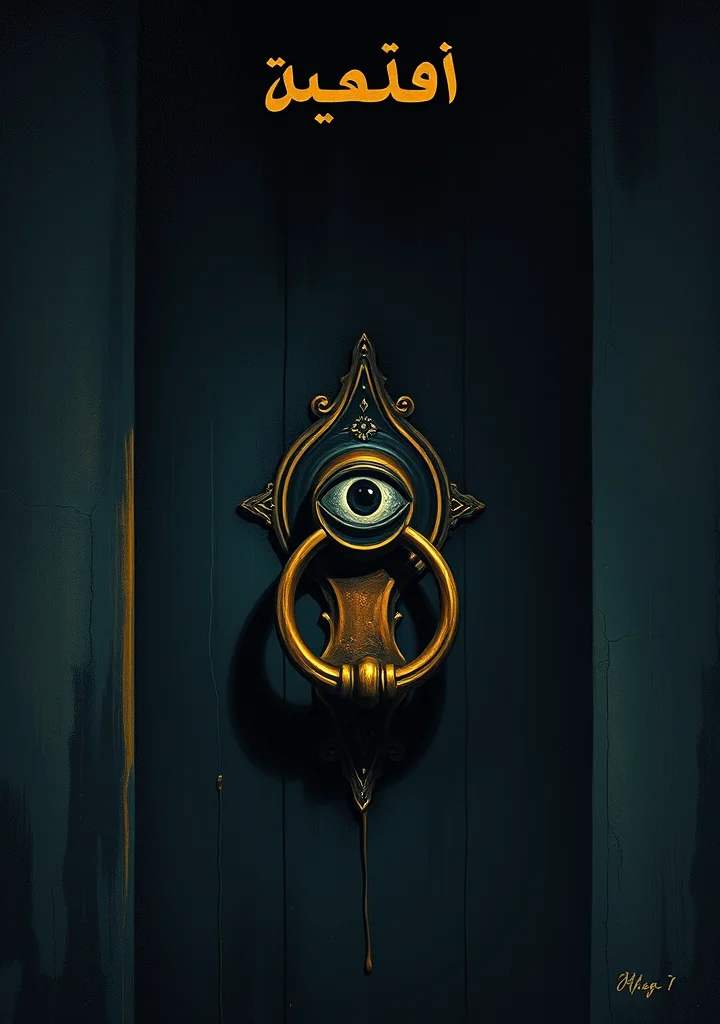
Dust motes dance in the perpetual twilight of the Egyptian desert, mirroring the fractured memories of Dr. Elias Thorne. He arrives at the crumbling estate of Lord Ashworth, summoned to authenticate a relic – the Eye of Osiris, a gem said to gaze into the soul’s decay. But the manor breathes with a history of madness, its stone corridors echoing with whispers of a lineage cursed by obsession. Each room, a suffocating tableau of shadowed portraits and decaying grandeur, seems to watch Thorne as he unravels the Ashworths’ descent into a morbid fascination with the artifact. The desert wind carries not only sand, but the scent of ancient grief, seeping from the very foundations of the house. Thorne’s investigation is less a search for authenticity, and more a slow immersion into a suffocating dread. He finds himself haunted by reflections, by the unsettling stillness of servants who bear the hollowed eyes of those possessed. The Eye isn’t merely observed, it *compels* – feeding on the fragile sanity of its keepers, revealing glimpses of a forgotten god’s hunger. As Thorne delves deeper, the line between artifact and curse blurs. The estate itself becomes a labyrinth of shifting allegiances, of shadowed figures who seem to emerge from the very walls. He discovers a rot within the Ashworth bloodline, a ritualistic madness enacted under the gaze of the gem. The desert’s sun bleeds into the stained glass of the manor’s chapel, painting the stone floors with crimson, and Thorne realizes he isn’t merely cataloging a relic’s history, but charting his own descent into a darkness older than the sands themselves. The Eye doesn’t just see *into* the soul; it consumes it, leaving only echoes in the endless, echoing halls.