
Running a Thousand Miles for Freedom
  • 58
  • 0
  • 7
  • Reads 58
  • 0
  • Part 7
Completed, First published Mar 02, 2026

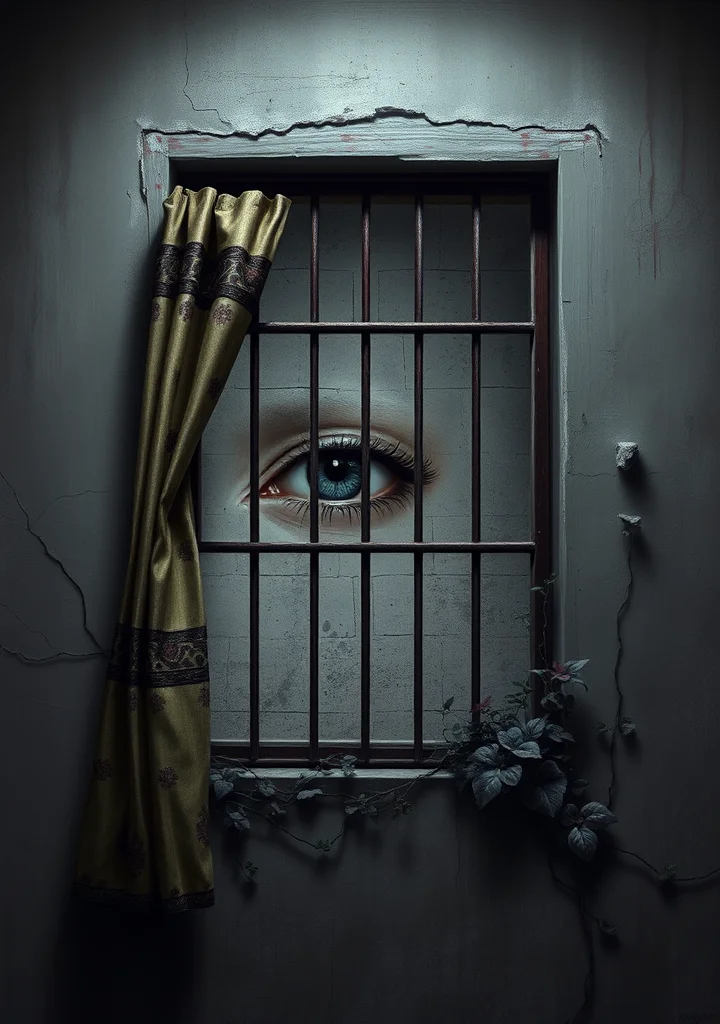
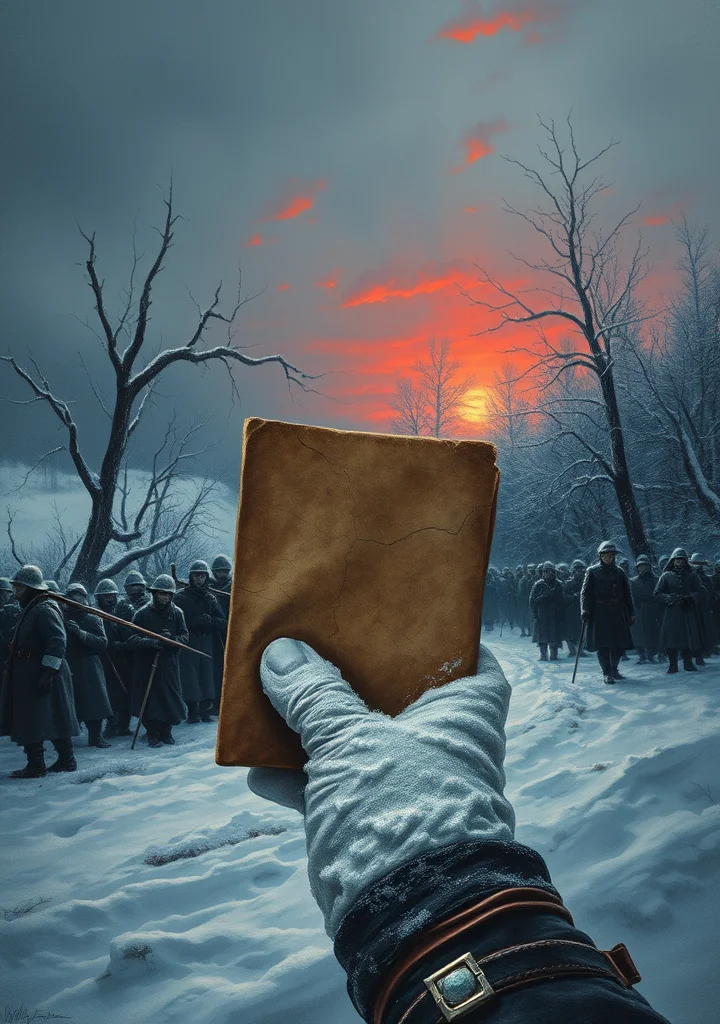
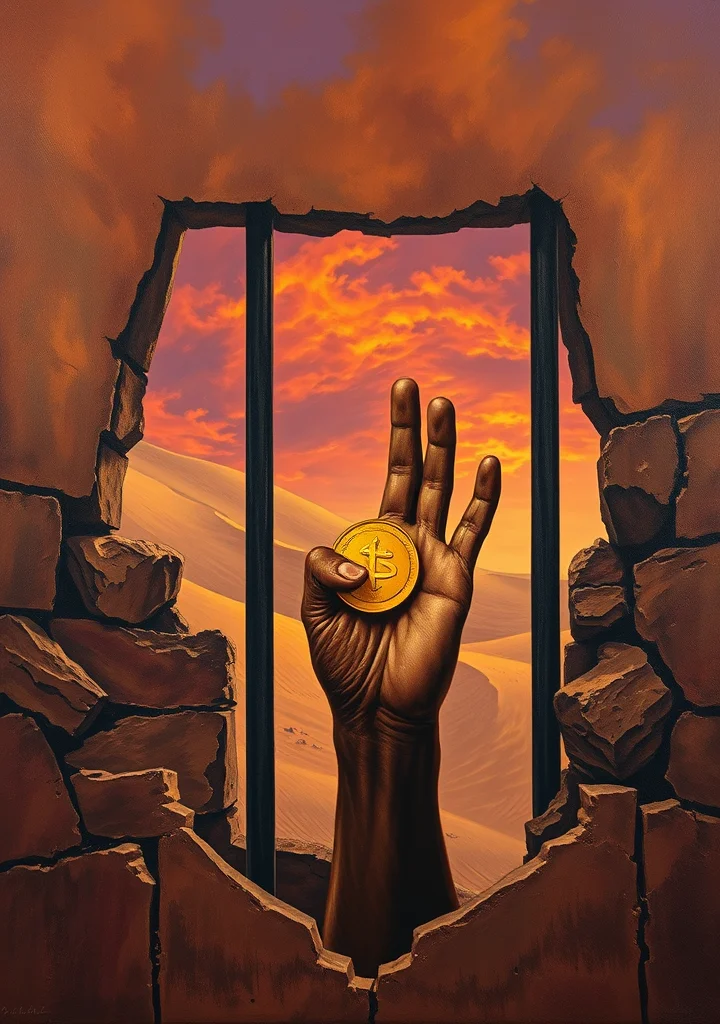
The air hangs thick with the scent of pine and decay, a perpetual twilight clinging to the shadowed forests where a man remade himself, not in repentance, but in cunning. He runs not *from* a place, but *toward* a phantom liberty, each mile devoured a desperate prayer against the iron grip of ownership. The narrative unfolds as a splintered echo of stolen breaths and whispered betrayals, mirroring the fractured body he contorts within—a vessel built for escape, for the hollow ache of distance. Every rustle of leaves becomes a pursuer’s footfall, every star a mocking witness to his desperate pilgrimage. The land itself seems to conspire against him, offering fleeting respite only to reveal deeper, more insidious traps. He’s haunted by the weight of what’s left behind, the faces branded onto his memory like burns, and fueled by the feverish hope of a future he can only taste in stolen moments. This is not a tale of heroism, but of a raw, animal instinct to survive, woven through with the chilling elegance of desperation. The very earth bleeds with the residue of broken promises, and the freedom he chases is as much a curse as it is a salvation—a thousand miles purchased with fragments of a life willingly shattered and remade in the darkness. The pulse of dread doesn’t reside in the threat of capture, but in the creeping realization that even in reaching freedom, he may have left his soul behind.
Copyright: Public Domain
This license allows anyone to use your story for any purpose, including printing, selling, or adapting it into a film freely.
Recommended for you
22 Part
Dust motes dance in perpetual twilight within the shadowed halls of Misselton House, a boarding school steeped in the chill of London fog and the whispers of forgotten childhoods. Young Sara Crewe arrives, gilded in privilege, yet swiftly descends into a labyrinth of grey routine and stifled grief. Her father’s disappearance casts a pall over her days, mirroring the encroaching damp that clings to the stone walls and seeps into the very marrow of her bones. The narrative isn’t one of grand horrors, but of a slow, creeping despair, a brittle beauty blooming within a landscape of neglect. The grandeur of Sara’s past becomes a phantom limb, haunting her every waking moment. Each stolen moment of imagination, each ragged scrap of kindness offered in the attic, is lit by a flickering candle against the encroaching darkness. The air thickens with the scent of coal smoke and the stifled cries of lonely children, their stories swallowed by the vast, indifferent house. It’s a story not of monsters under the bed, but of the monstrous indifference of the world, and the fragile, tenacious flame of hope flickering against the wind. The very silence of the house feels alive with unspoken sorrows, and the gardens, glimpsed through frost-rimed windows, feel less like escape than extensions of a creeping, melancholic embrace. Even the smallest acts of cruelty feel like shards of glass in a winter wind, leaving Sara bleeding not with wounds, but with a chilling awareness of her own vulnerability. The world narrows to the dimensions of a forgotten room, and the narrative breathes with the same slow, suffocating rhythm as a heart breaking in the shadows.
11 Part
The Alpine air chills not just the skin, but the very bone, in Johanna Spyri’s *Cornelli*. This is not a tale of pastoral idyll, but of a fractured inheritance clinging to a precipice of stone and shadow. The story unfolds within a fortress of a farmhouse, carved into a mountainside that seems to bleed into the grey sky. A young woman, adrift from a fractured family, finds herself bound to this lonely place – a ward of its ancient, echoing rooms and the silence that clings to them like a shroud. The weight of generations presses down with every gust of wind, and the surrounding peaks seem to watch with cold, unforgiving eyes. The narrative doesn’t rush, but *seeps* into the reader’s consciousness, mirroring the slow erosion of the mountains themselves. It’s a landscape of muted colours, of perpetual twilight, where even the sun feels distant and spectral. The house itself breathes with a history of loss and isolation, each room a mausoleum of forgotten lives. A creeping sense of dread permeates the narrative, not from any overt horror, but from the suffocating weight of loneliness and the unyielding grip of the mountains. *Cornelli* is a novel of confinement, not merely physical, but within the echoing chambers of a haunted past, where the secrets of the land and the family’s history are buried as deep as the roots of the ancient pines. The atmosphere is one of pervasive melancholy, a slow, beautiful decay that clings to the reader long after the final page is turned.