
-
Read 222
-
0
-
Part 10
Completed, First published Mar 02, 2026
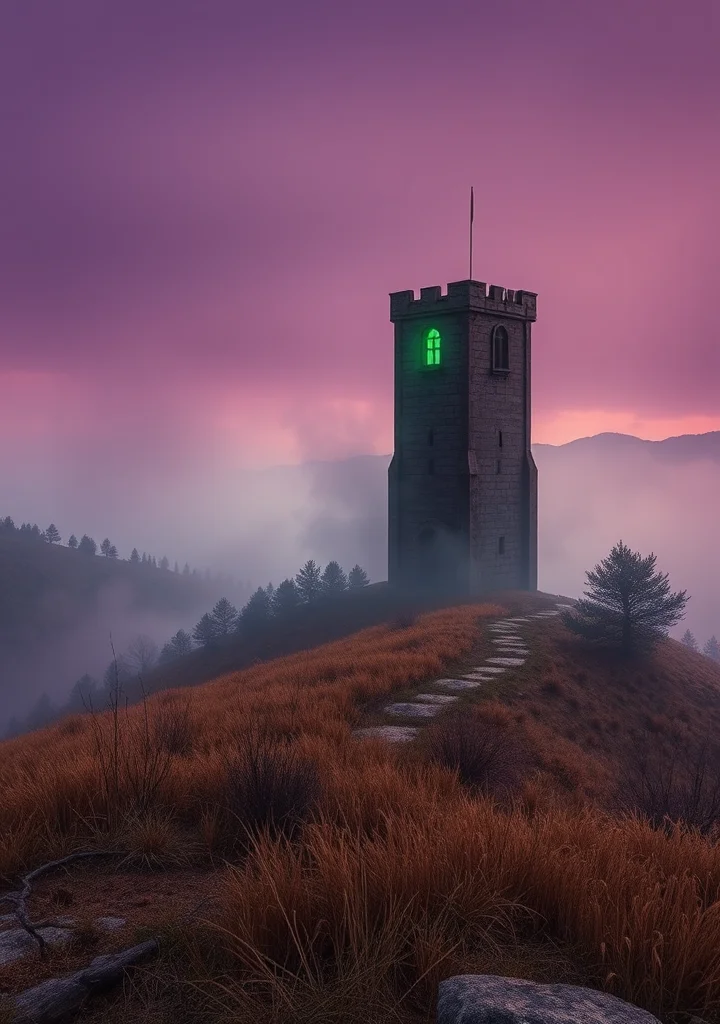
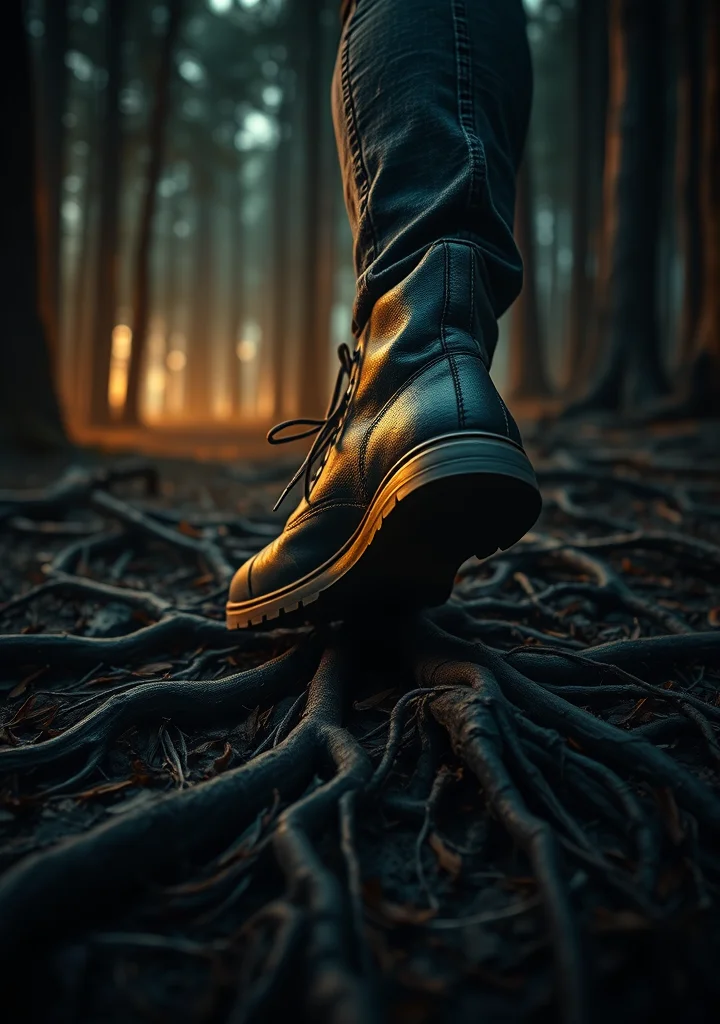
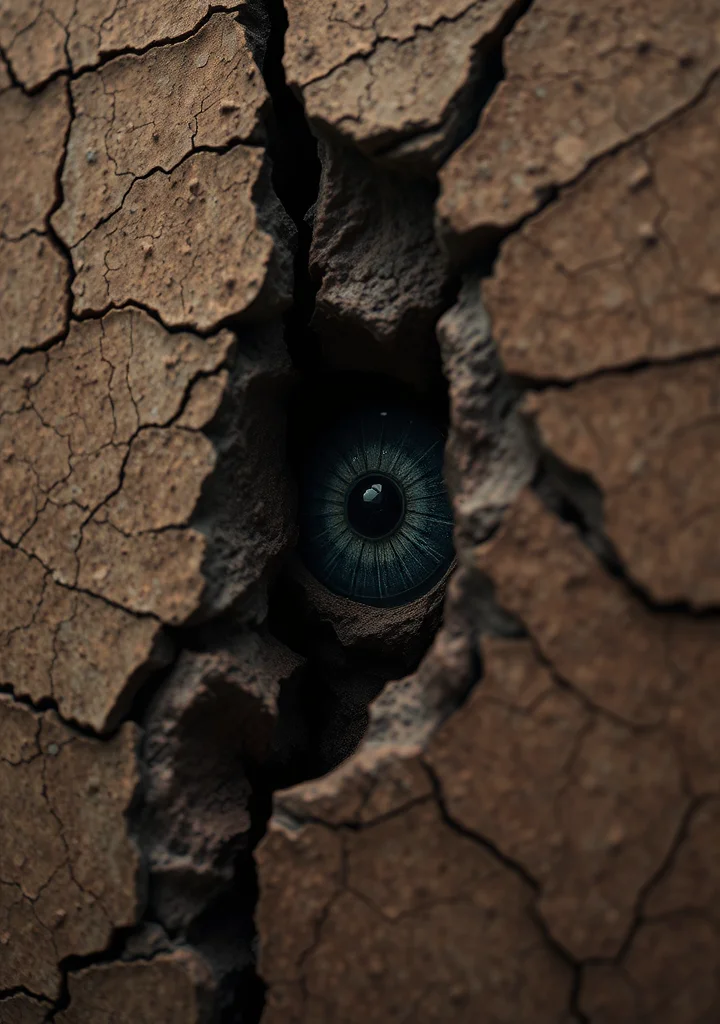
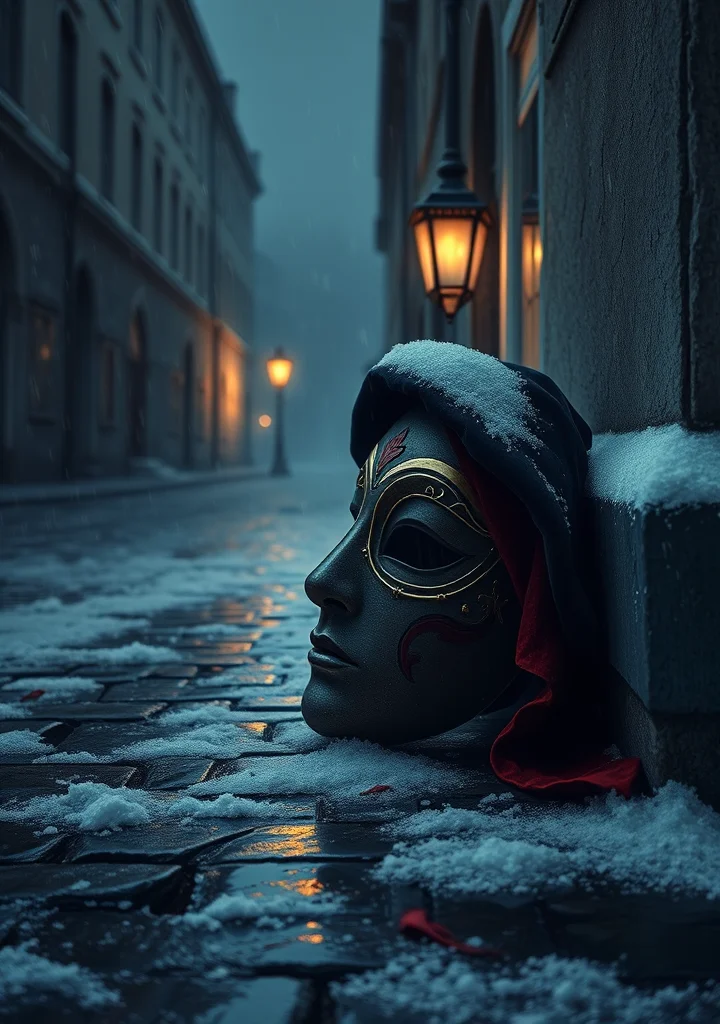
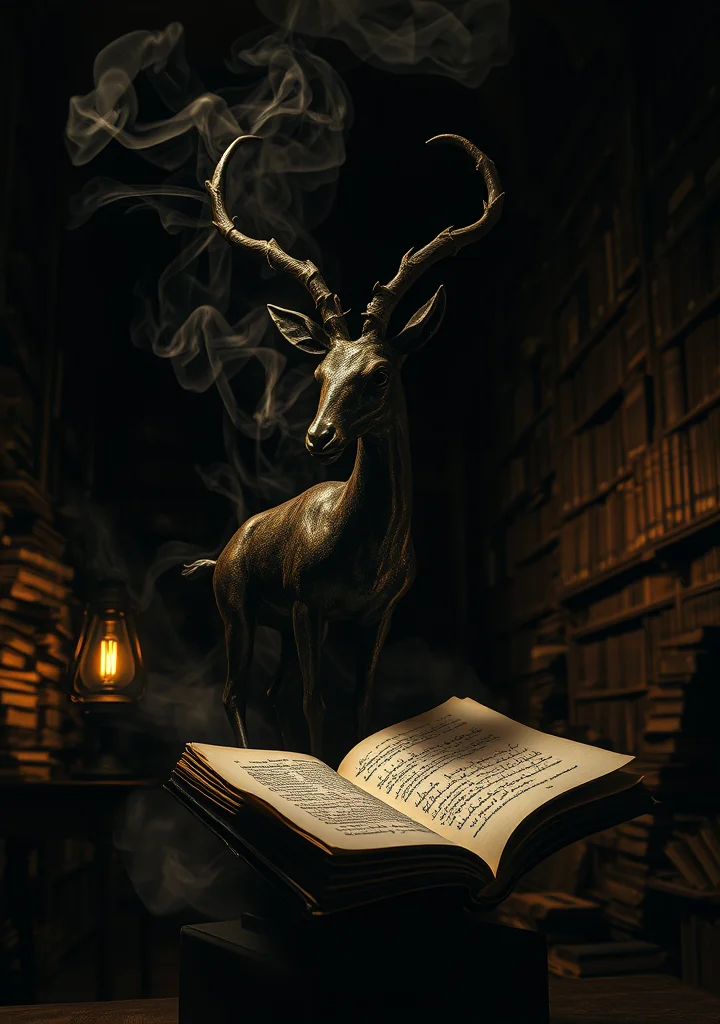
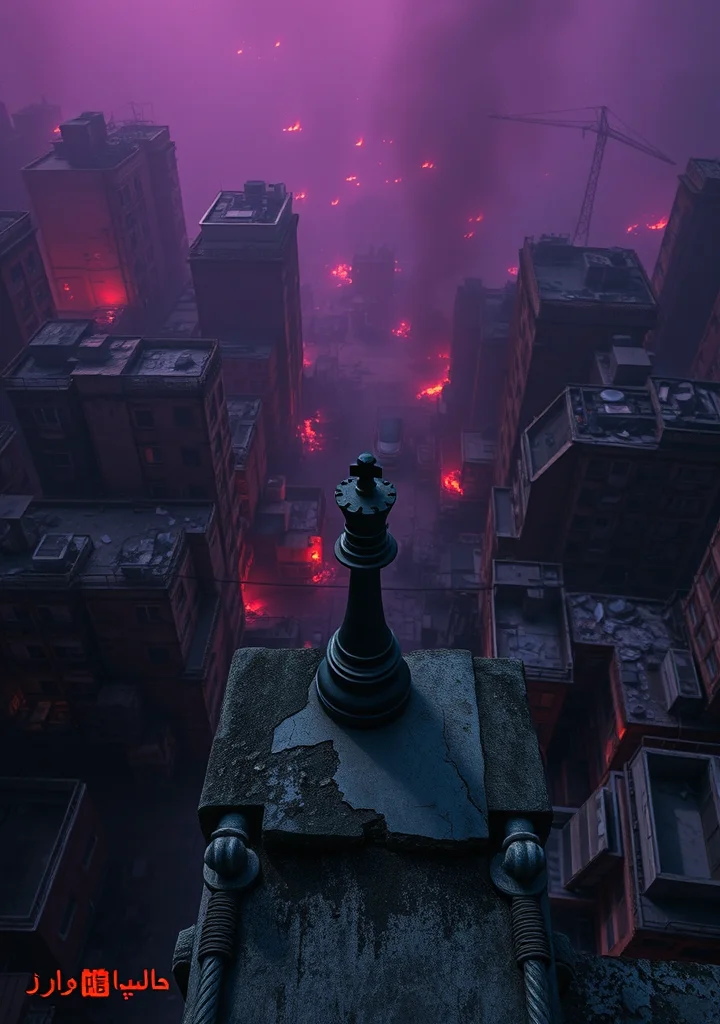
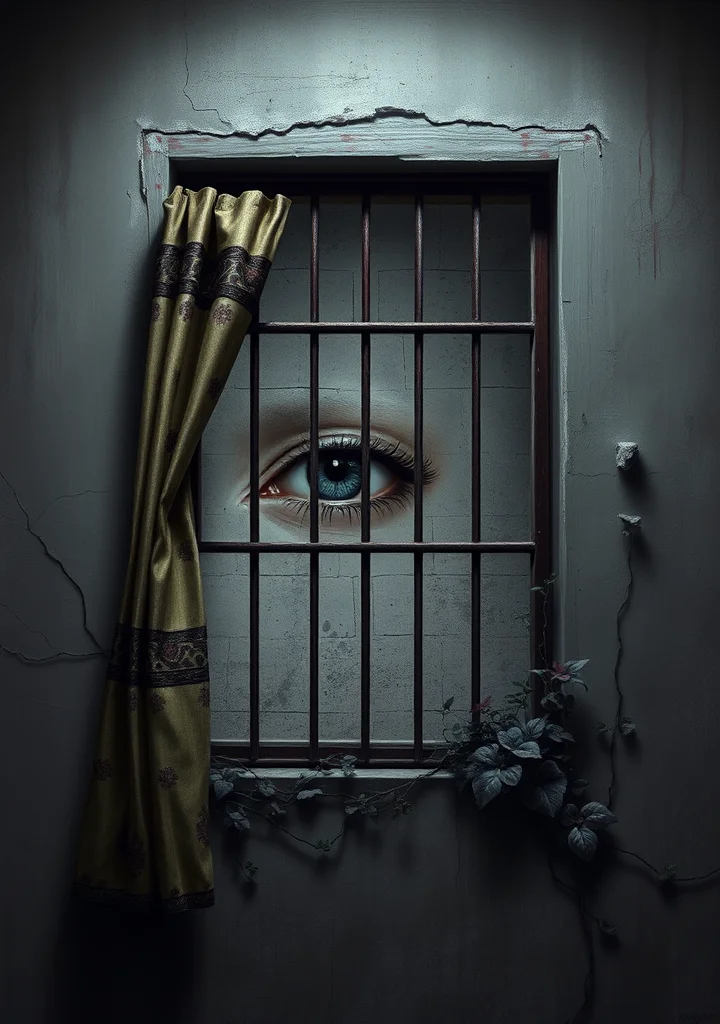
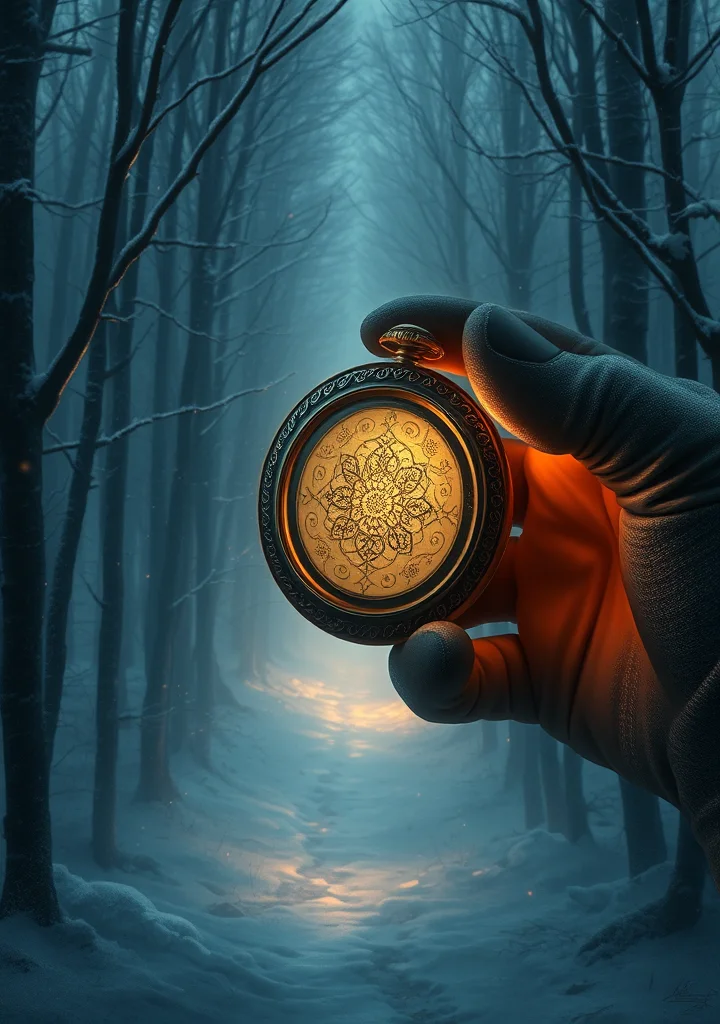
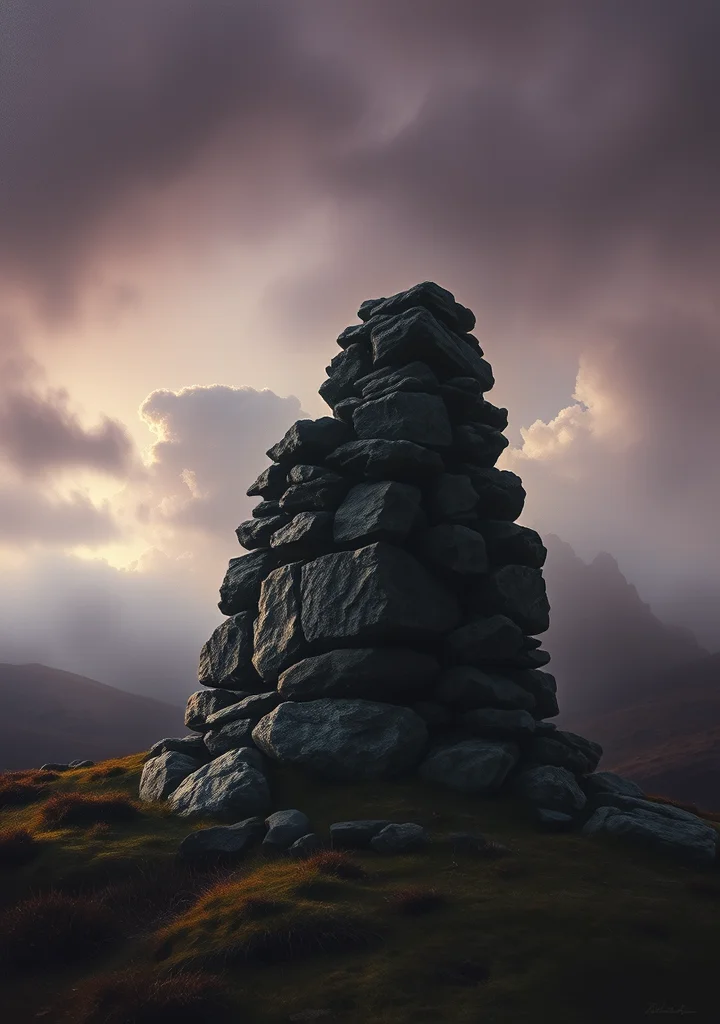
A creeping dread clings to the Scottish Highlands, a landscape mirrored in the fractured sanity of a nation bracing for unseen war. The narrative unfolds not as a triumphant chase, but as a suffocating descent into paranoia. Every moor, every stone cottage, breathes with the scent of betrayal. Buchan doesn’t offer adventure; he delivers a relentless, creeping unease as Richard Hannay, stripped of identity, flees a phantom conspiracy. The pursuit isn’t merely across miles, but through layers of doubt, each footstep echoing with the weight of a stolen secret. Fog-choked villages become mausoleums of suspicion, where every face is a mask and every kindness a potential snare. The narrative is less about catching a criminal, and more about the chilling erosion of trust, a tightening vise of fear that squeezes the breath from the very soil of England. The steps themselves aren’t merely numbered, but are the measured cadence of a man losing himself within a labyrinth of shadows, haunted by the specter of a nation’s collapse and his own complicity in averting it. A darkness lingers long after the final chase, a cold echo of what might have been.
Copyright: Public Domain
This license allows anyone to use your story for any purpose, including printing, selling, or adapting it into a film freely.
This license allows anyone to use your story for any purpose, including printing, selling, or adapting it into a film freely.
More like this