
-
Read 616
-
0
-
Part 26
Completed, First published Mar 02, 2026
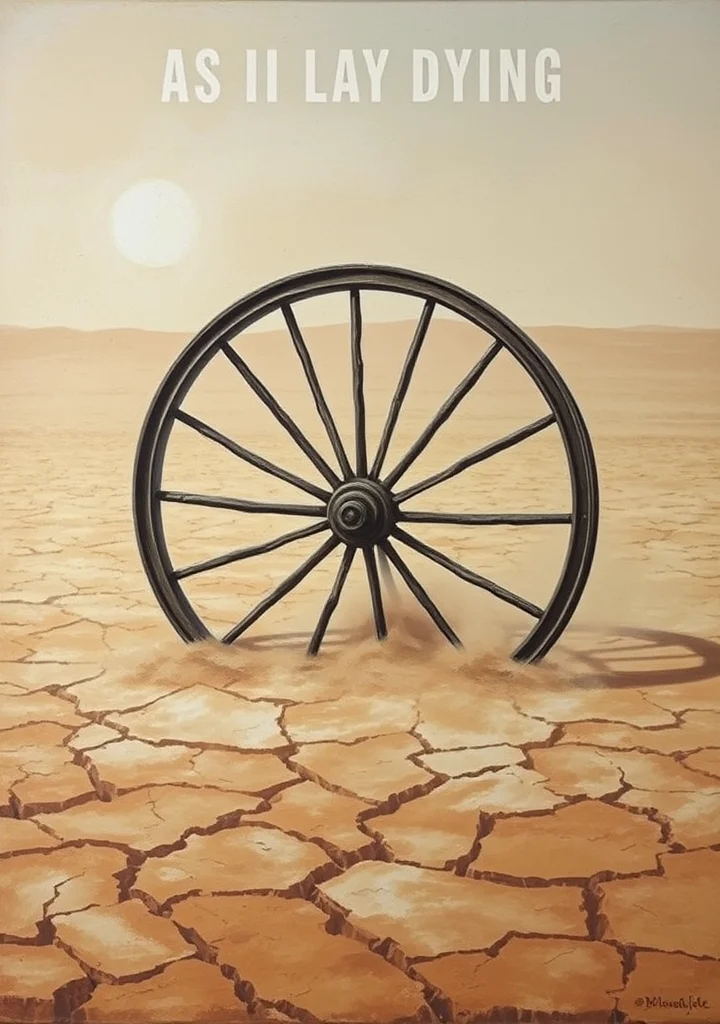
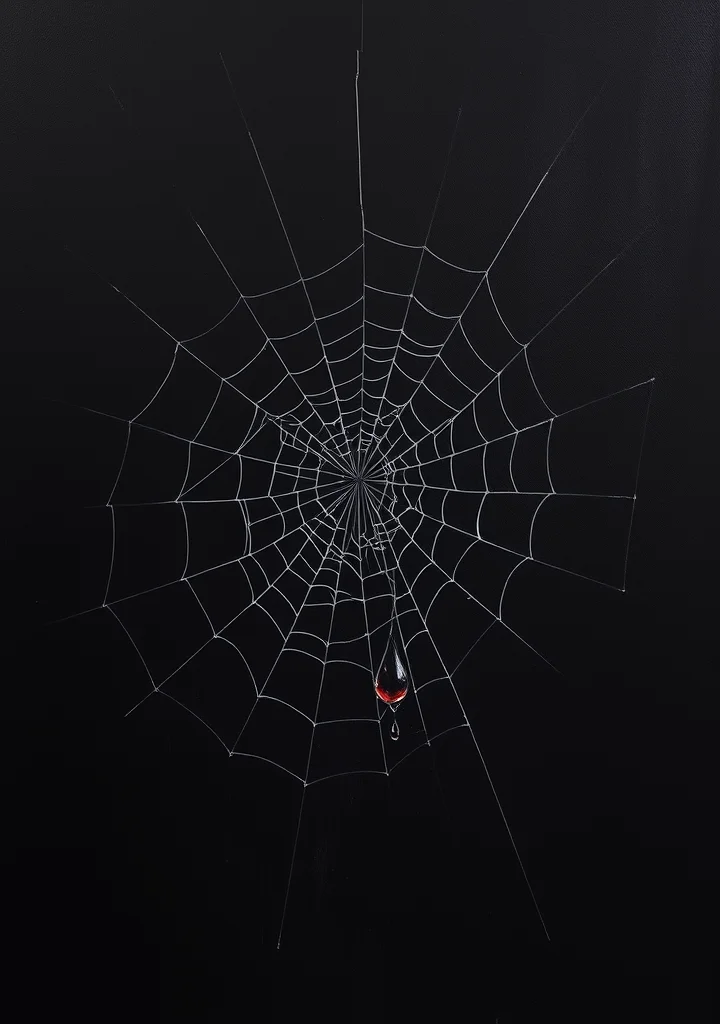
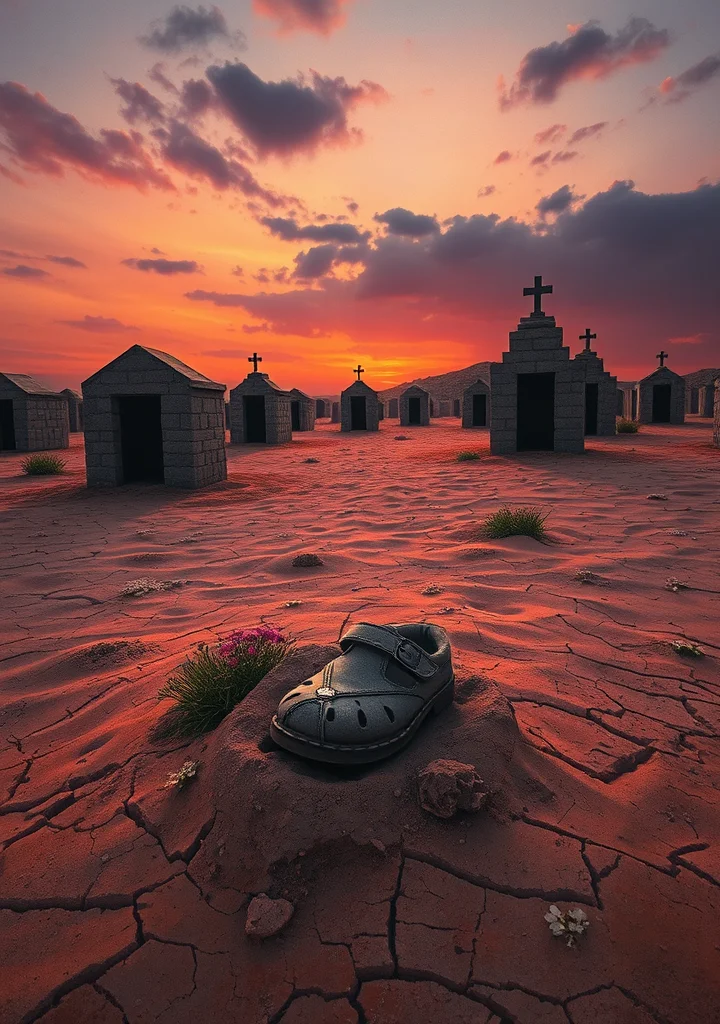
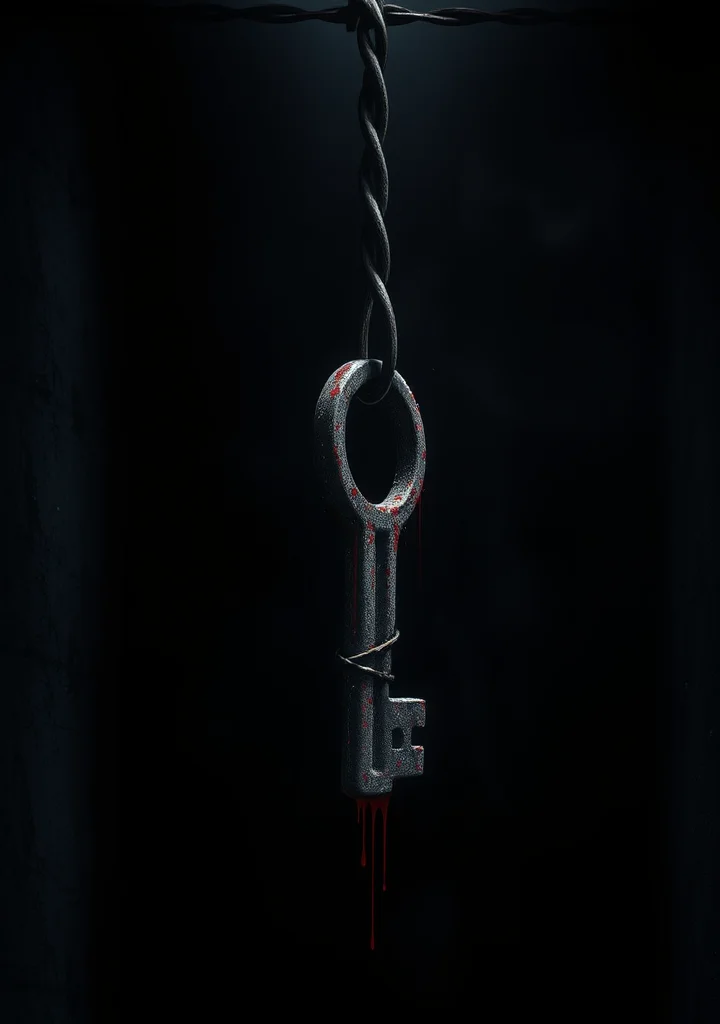
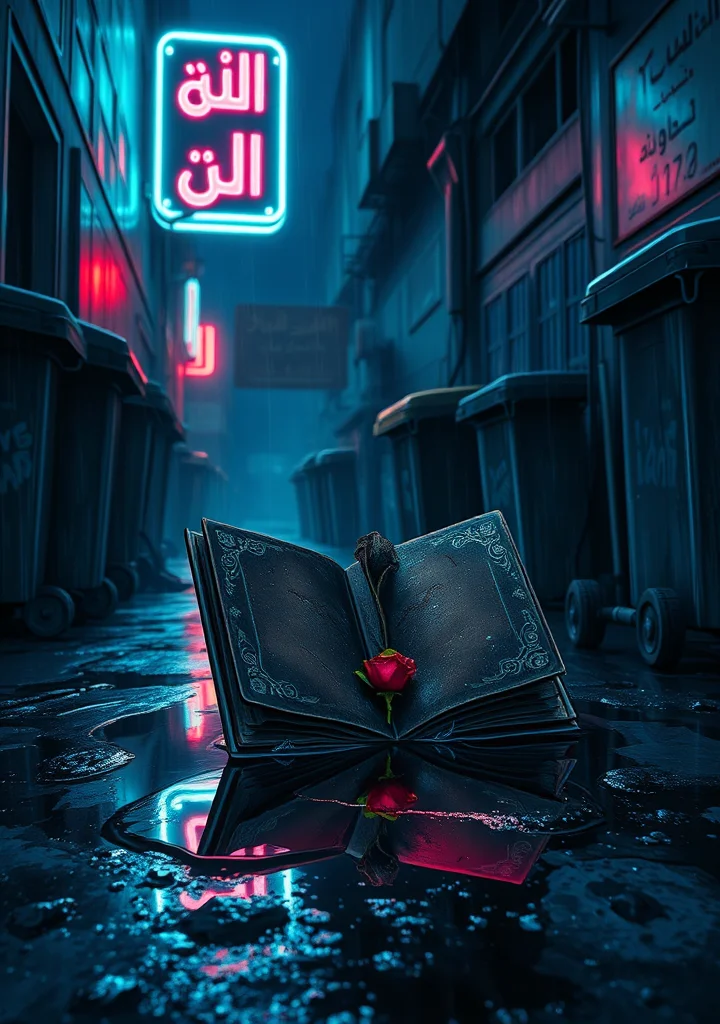
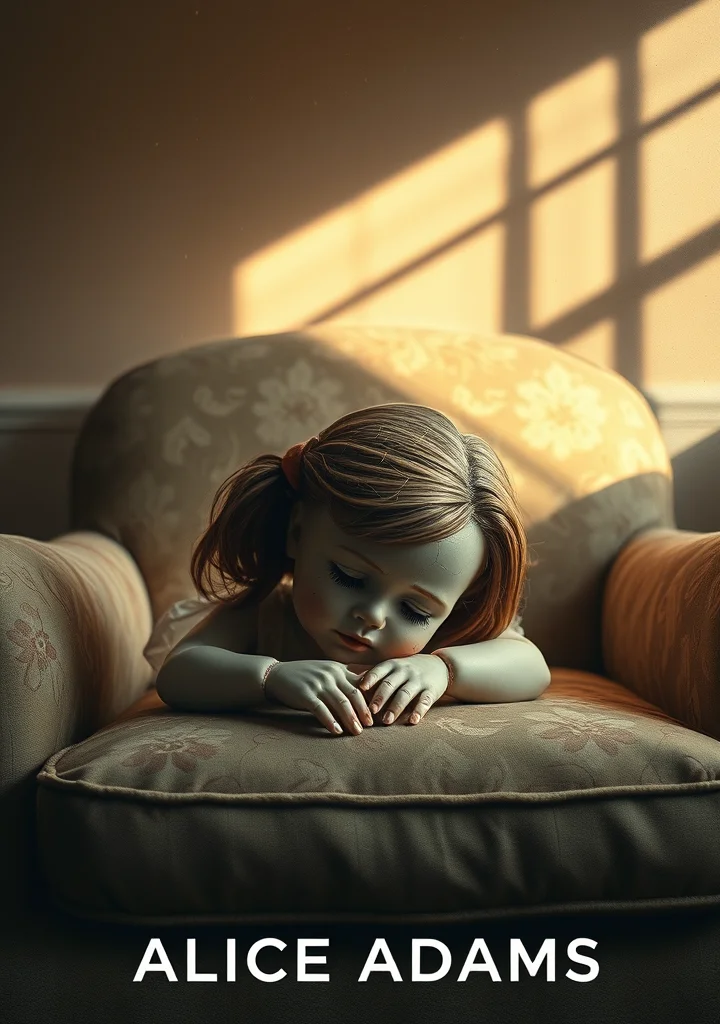
Dust motes dance in the perpetual twilight of a Midwestern drawing-room, mirroring the slow decay of Alice Adams’ spirit. The novel breathes with the stifled ambitions of a woman bound by circumstance, a life measured not in years but in the dwindling acreage of her husband’s farm. A creeping sense of unease clings to the narrative like the damp chill of autumn evenings. It isn't a tale of grand horrors, but of the insidious rot of disappointment—a silent erosion of hope that leaves behind a brittle shell of propriety. Every forced smile, every carefully worded conversation, is shadowed by the weight of unfulfilled desires. The farm itself becomes a character, its very soil seeming to weep with the unspoken sorrows of generations. A suffocating realism permeates the story, turning the mundane rhythms of rural life into a haunting lament. The air hangs heavy with the scent of decay—not just of crops failing, but of dreams withering in the face of an unforgiving landscape. A subtle, yet pervasive dread settles in the reader’s heart as Alice navigates a world where even kindness is laced with a quiet desperation, where the very foundations of a life can crumble under the weight of silent expectations. The narrative whispers of the darkness that resides within the ordinary, a darkness that festers beneath the veneer of respectability.
Copyright: Public Domain
This license allows anyone to use your story for any purpose, including printing, selling, or adapting it into a film freely.
This license allows anyone to use your story for any purpose, including printing, selling, or adapting it into a film freely.
More like this