
-
Read 445
-
0
-
Part 21
Completed, First published Mar 02, 2026
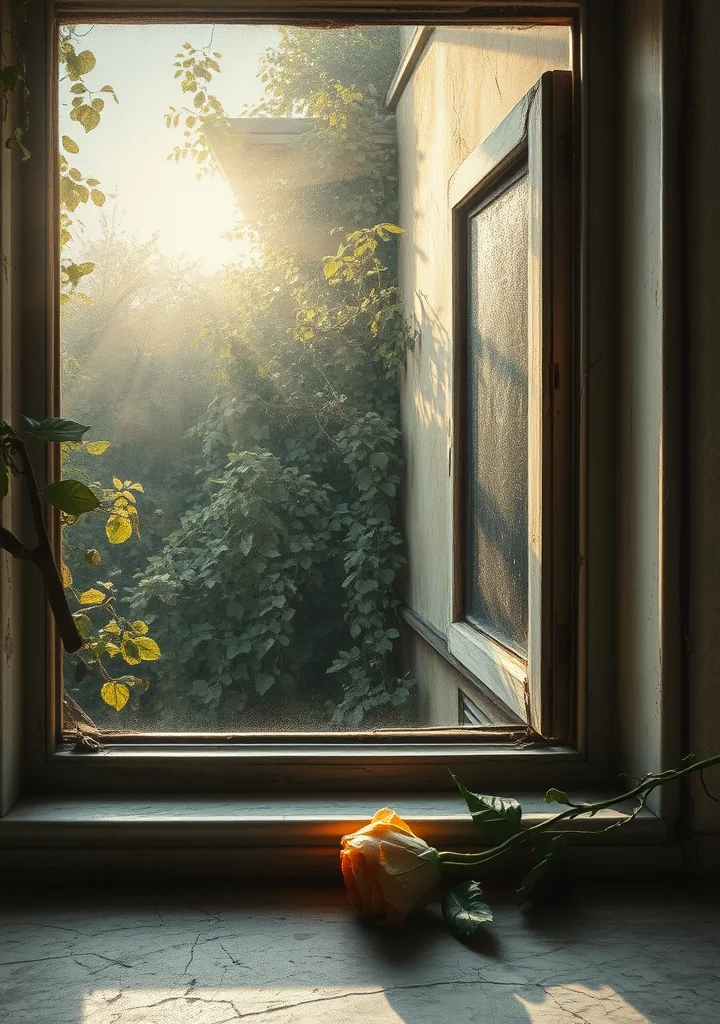
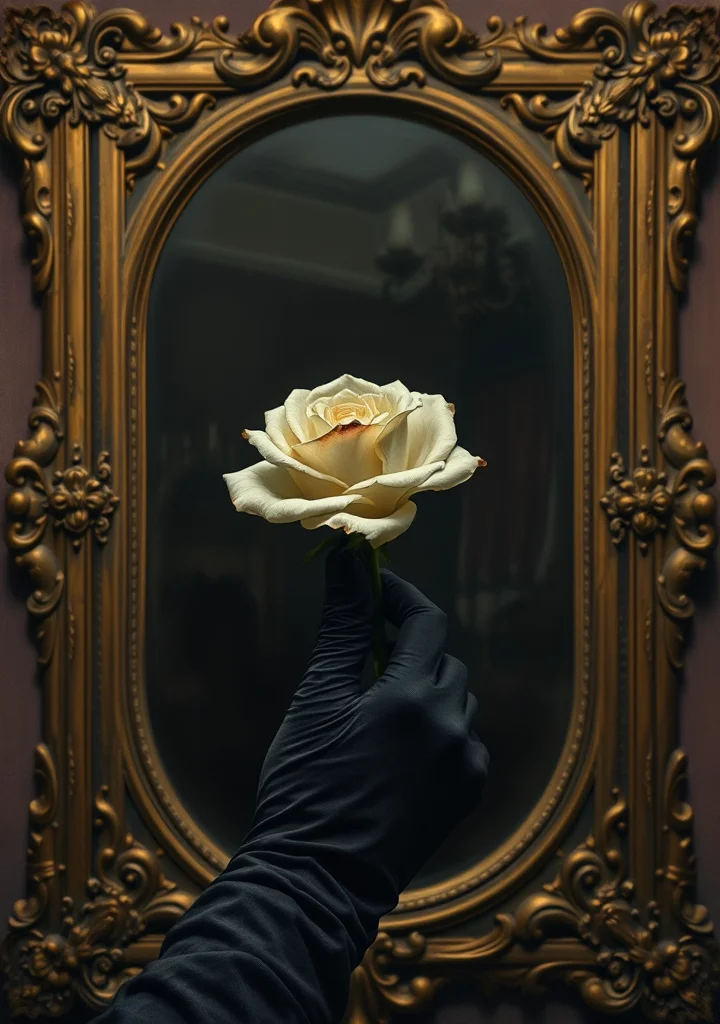
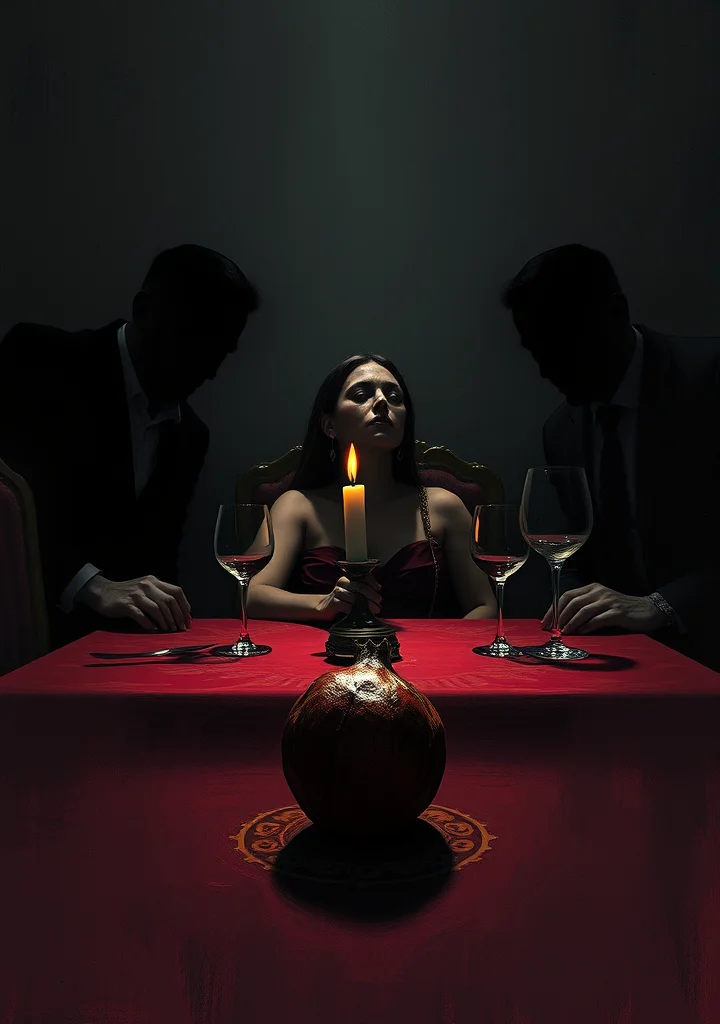
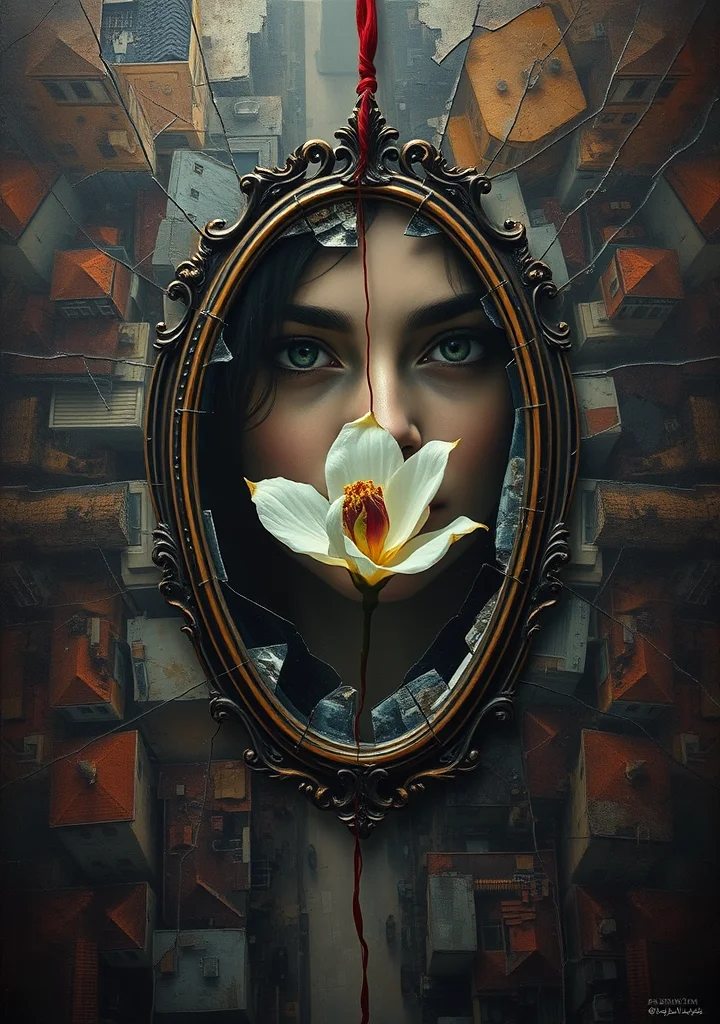
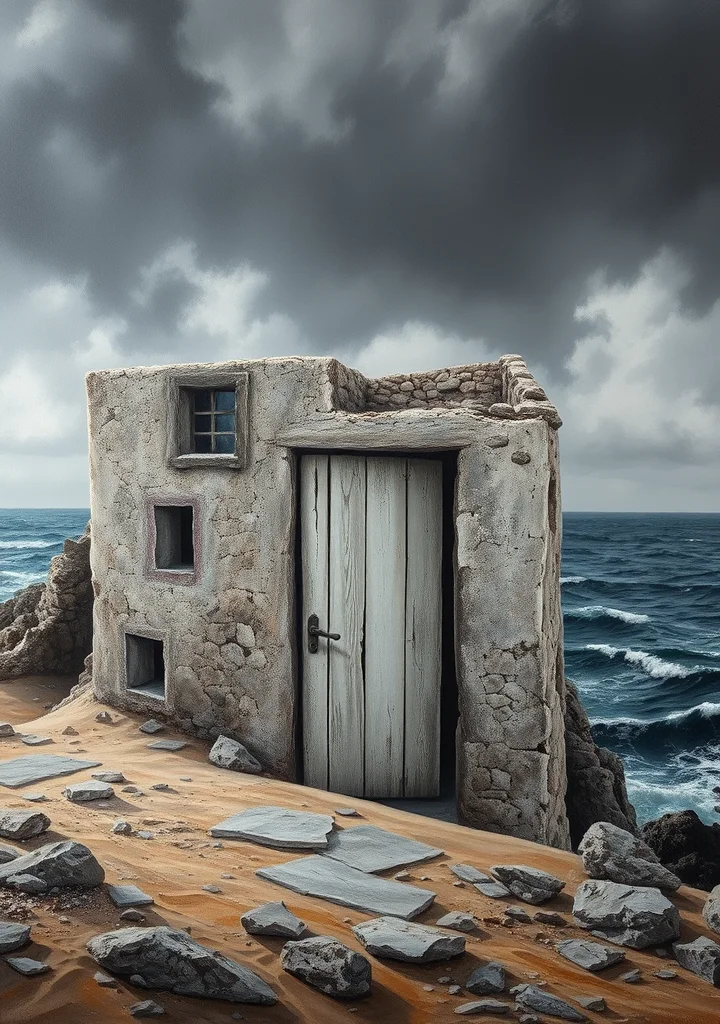
The salt-crusted stones of Sardinia bear witness to a grief older than the granite they’re carved from. Here, where the wind tastes of brine and regret, a woman named Agata is not merely unbound from her marriage, but *unmade* by it. The aftermath isn’t freedom, but a slow, creeping dissolution into the landscape’s own desolate heart. Her house, once a haven, becomes a hollow echo of her former life, each room breathing with the ghost of a husband lost to the sea and a daughter consumed by a feverish, silent grief.
Days bleed into nights under a bruised, plum-colored sky, mirroring Agata’s descent into a melancholic trance. The scent of myrtle and decay clings to everything, a suffocating sweetness that masks the bitterness of her solitude. The villagers whisper of curses and ill-omens, claiming the house itself mourns alongside Agata, absorbing her sorrow into its very foundations.
But there’s a deeper current beneath the surface - a haunting awareness of the sea's cold embrace, a primal fear that her husband’s fate isn’t merely watery oblivion, but a claiming by something ancient and hungry. It’s a world where the lines between the living and the dead blur with the rising mist, and Agata’s unraveling is less a story of heartbreak than a surrender to the island's shadowed dominion. Every creak of the floorboards, every cry of the seabirds, feels like a warning – a chilling promise that even in letting go, she is irrevocably bound to the ghosts of her past.
Copyright: Public Domain
This license allows anyone to use your story for any purpose, including printing, selling, or adapting it into a film freely.
This license allows anyone to use your story for any purpose, including printing, selling, or adapting it into a film freely.
More like this