
-
Read 435
-
0
-
Part 32
Completed, First published Mar 02, 2026
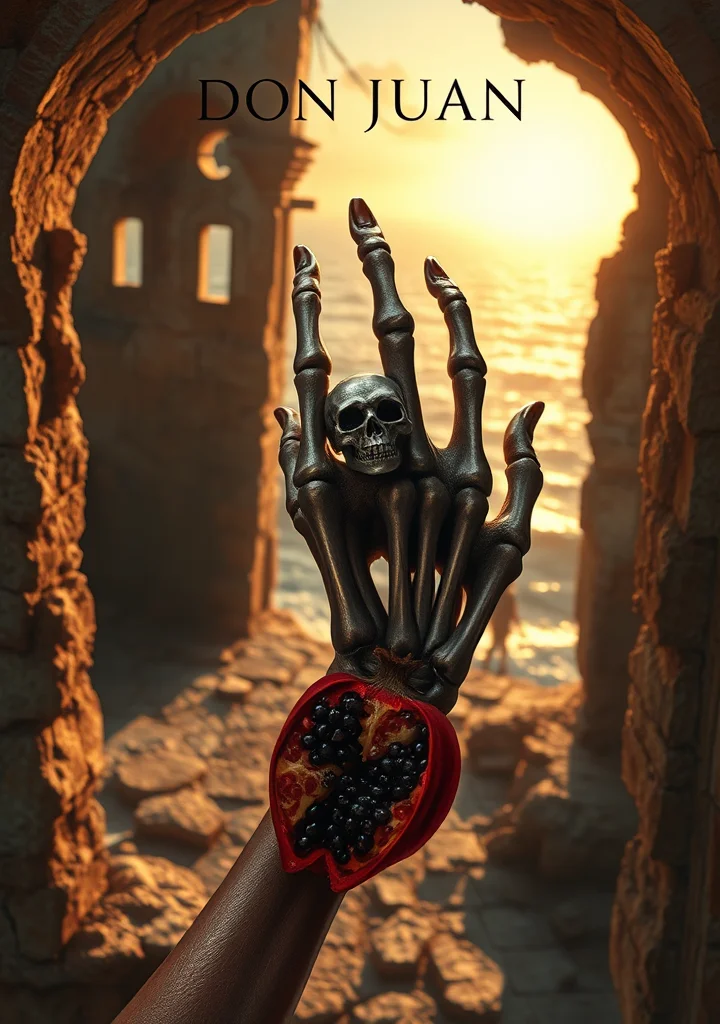
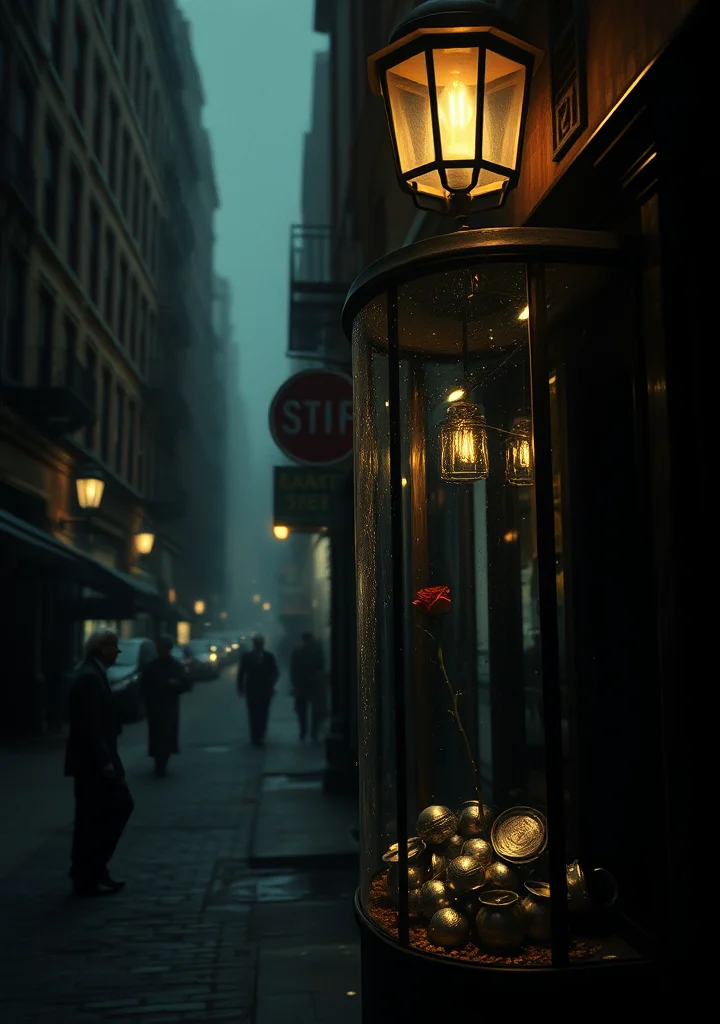
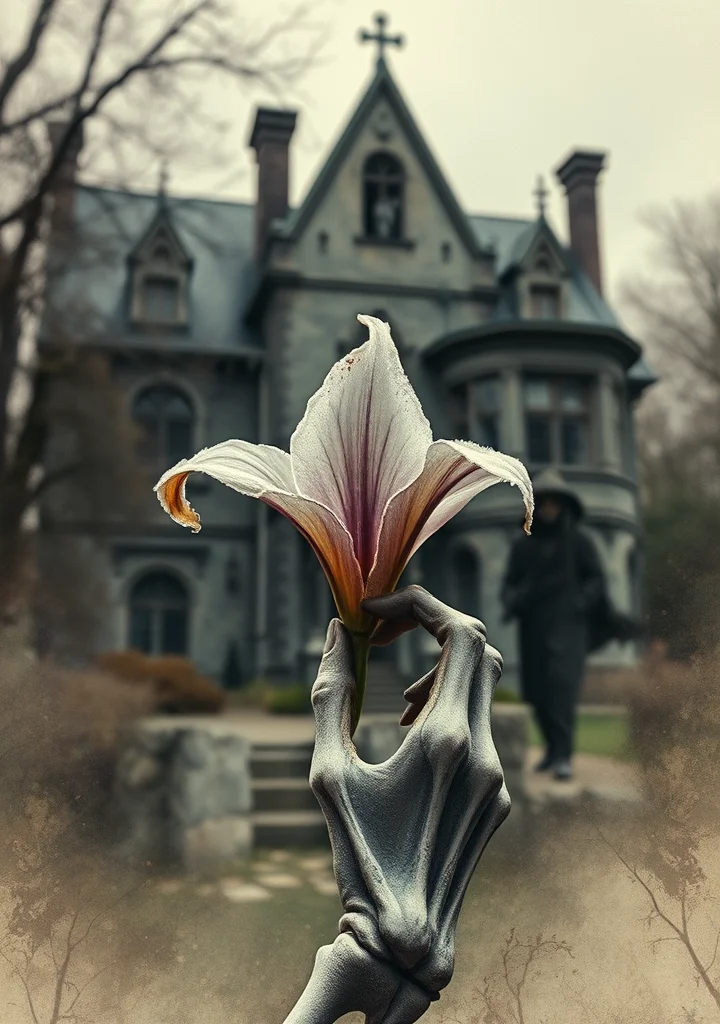
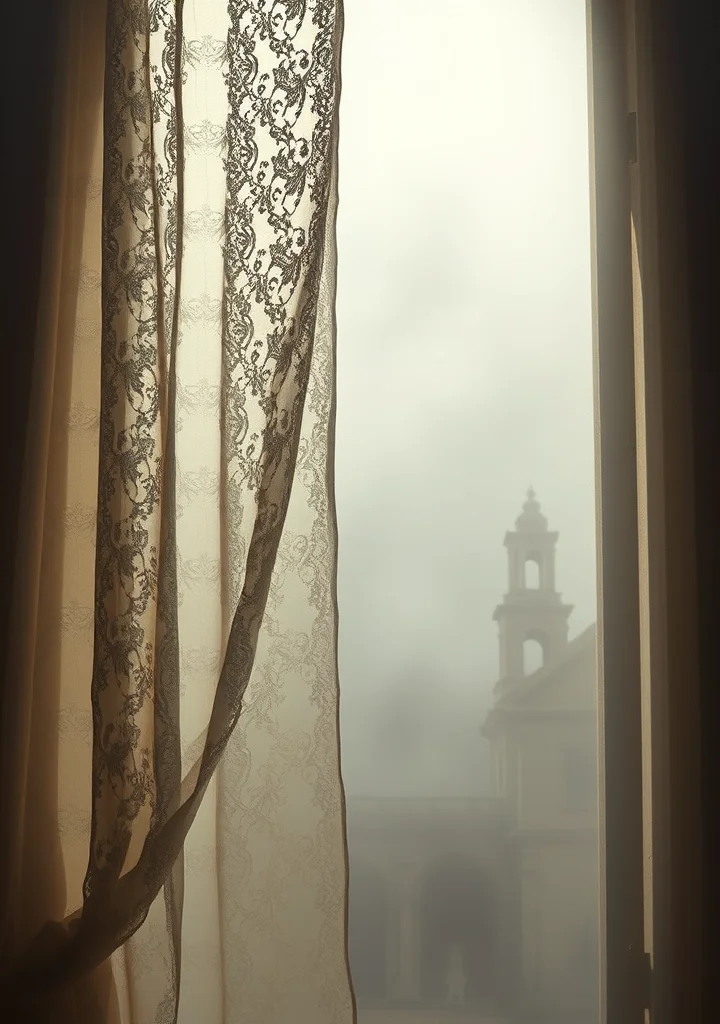
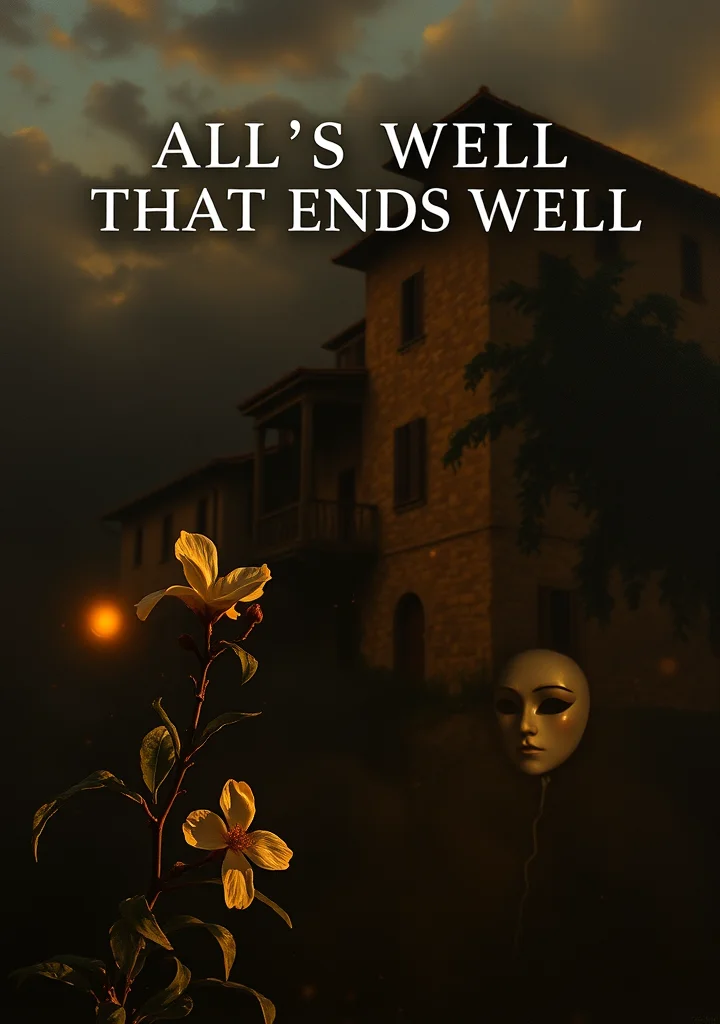
A creeping dread clings to the Tuscan landscape as shadows lengthen from the sun-drenched villas. Though ostensibly a comedy, this tale bleeds with the melancholic hues of loss and deception. Dust motes dance in the crumbling chapels where hidden debts are paid with stolen affections. The masquerade unravels not into joyous revelation, but into a hollow echo of desire fulfilled through calculated lies. The air hangs thick with the scent of jasmine and regret, as a young woman’s calculated pursuit of a cynical lord exposes the rot beneath gilded surfaces. Every whispered bargain, every shadowed exchange, is laced with the premonition of a reckoning – not of love’s triumph, but of the brittle fragility of fortune. The final act descends into a suffocating stillness, where the well-being of all is purchased at the cost of innocence, and the echoing laughter feels like the brittle crack of bone beneath silk. A darkness lingers even in the ‘happy’ ending, a subtle rot blooming in the heart of the Italian sun.
Copyright: Public Domain
This license allows anyone to use your story for any purpose, including printing, selling, or adapting it into a film freely.
This license allows anyone to use your story for any purpose, including printing, selling, or adapting it into a film freely.
Chapter List
-
« All’s Well That Ends Well »📖 Continue Reading
-
« Dramatis Personae »
-
« All’s Well That Ends Well »
-
« ActI »
-
« SceneI »
-
« SceneII »
-
« SceneIII »
-
« ActII »
-
« SceneI »
-
« SceneII »
-
« SceneIII »
-
« SceneIV »
-
« SceneV »
-
« ActIII »
-
« SceneI »
-
« SceneII »
-
« SceneIII »
-
« SceneIV »
-
« SceneV »
-
« SceneVI »
-
« SceneVII »
-
« ActIV »
-
« SceneI »
-
« SceneII »
-
« SceneIII »
-
« SceneIV »
-
« SceneV »
-
« ActV »
-
« SceneI »
-
« SceneII »
-
« SceneIII »
-
« Epilogue »
32
-
« All’s Well That Ends Well »
-
« Dramatis Personae »
-
« All’s Well That Ends Well »
-
« ActI »
-
« SceneI »
-
« SceneII »
-
« SceneIII »
-
« ActII »
-
« SceneI »
-
« SceneII »
-
« SceneIII »
-
« SceneIV »
-
« SceneV »
-
« ActIII »
-
« SceneI »
-
« SceneII »
-
« SceneIII »
-
« SceneIV »
-
« SceneV »
-
« SceneVI »
-
« SceneVII »
-
« ActIV »
-
« SceneI »
-
« SceneII »
-
« SceneIII »
-
« SceneIV »
-
« SceneV »
-
« ActV »
-
« SceneI »
-
« SceneII »
-
« SceneIII »
-
« Epilogue »
More like this