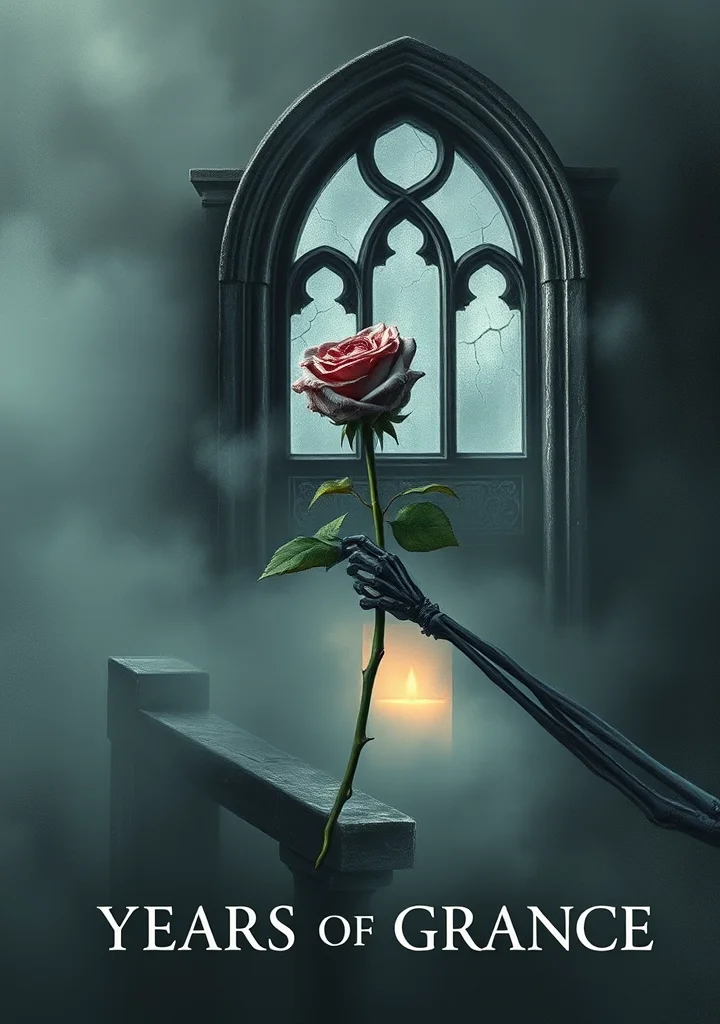

Years of Grace
  • 457
  • 0
  • 115
  • Reads 457
  • 0
  • Part 115
Completed, First published Mar 02, 2026

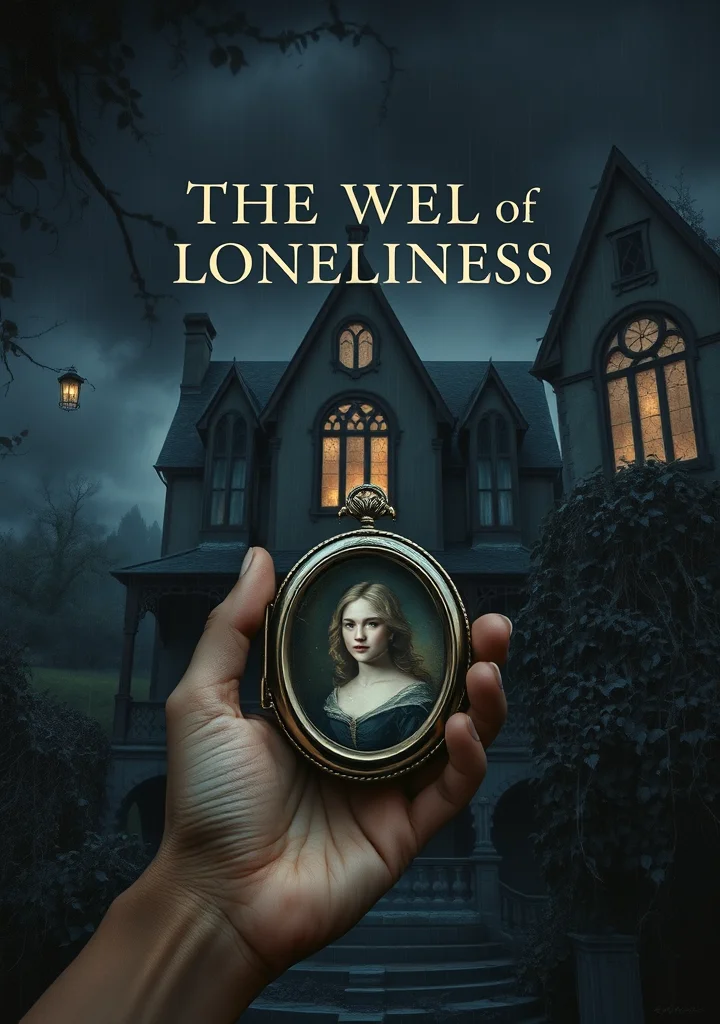
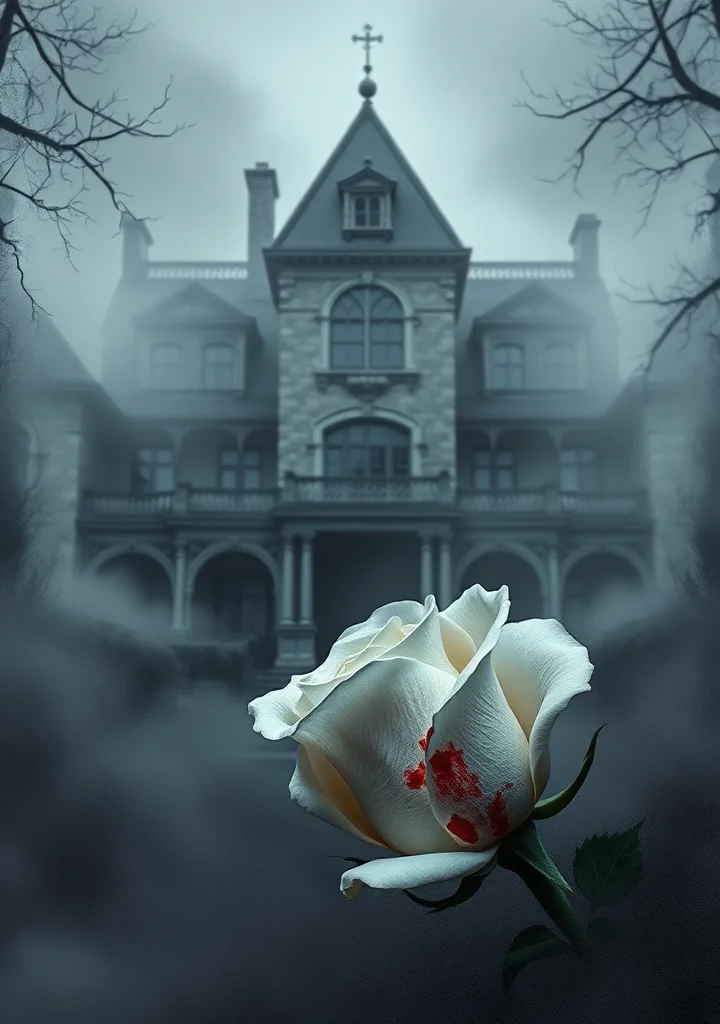
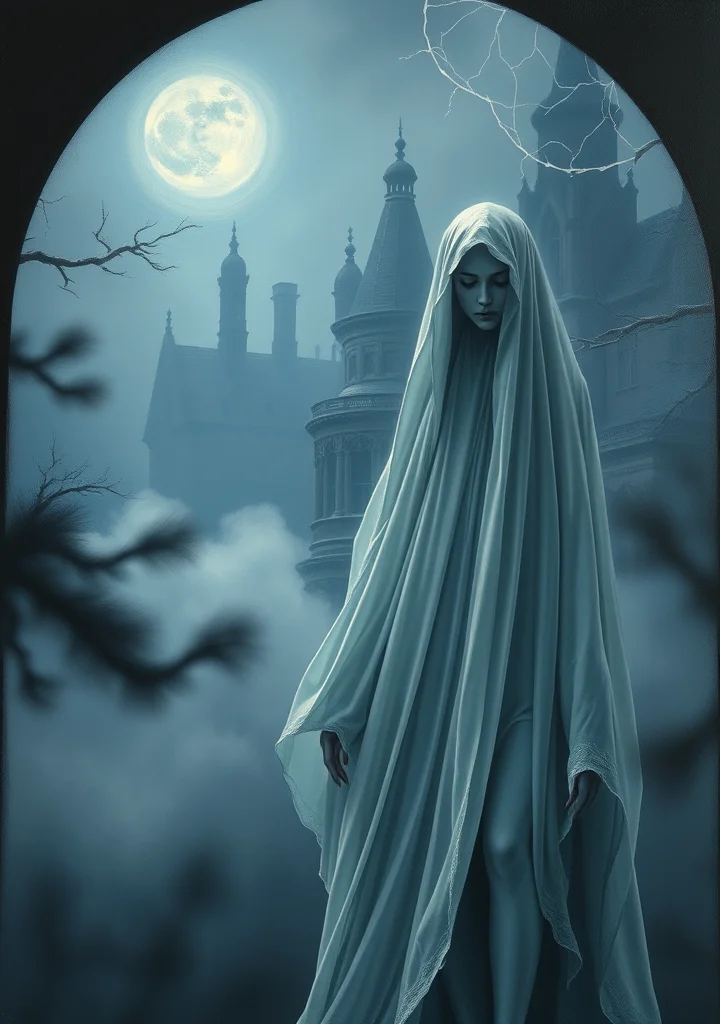
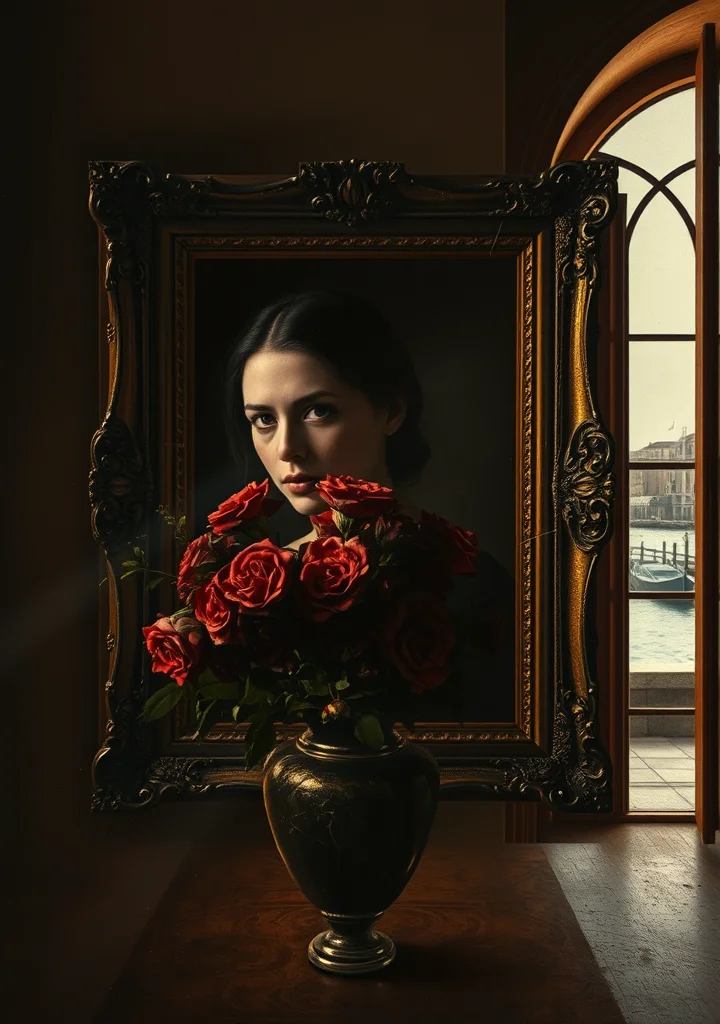
A creeping dread clings to the salt-laced air of the Maine coast. Within the decaying grandeur of the Penhallow manor, shadowed by generations of stifled ambition and brittle piety, Eleanor Penhallow exists as a phantom in her own inheritance. Years bleed into one another, each marked by the slow erosion of her vitality and the oppressive weight of family legacy. The granite walls seem to breathe with the secrets of those who came before – whispers of drowned sailors, fortunes built on shadowed trades, and the chilling stillness of lives sacrificed to the sea’s cold embrace. A suffocating grace pervades every room, a gilded cage where Eleanor is watched by portraits whose eyes follow every tremor of her hand. The scent of brine and decaying roses is a constant reminder of the encroaching loneliness, a loneliness woven into the very fabric of the house. Her husband, a man carved from the same harsh stone as the coastline, offers a cold comfort, a presence as much a warden as a spouse. The narrative unfolds like a tide pulling at hidden wreckage, revealing fractured memories and a deepening sense of confinement, not merely within the house, but within the stifling, beautifully rendered prison of Eleanor's own fading spirit. The very stones weep with a history of loss, promising only a descent into a silence as vast and unforgiving as the ocean itself.
Copyright: Public Domain
This license allows anyone to use your story for any purpose, including printing, selling, or adapting it into a film freely.
Chapter List

115

Recommended for you
81 Part
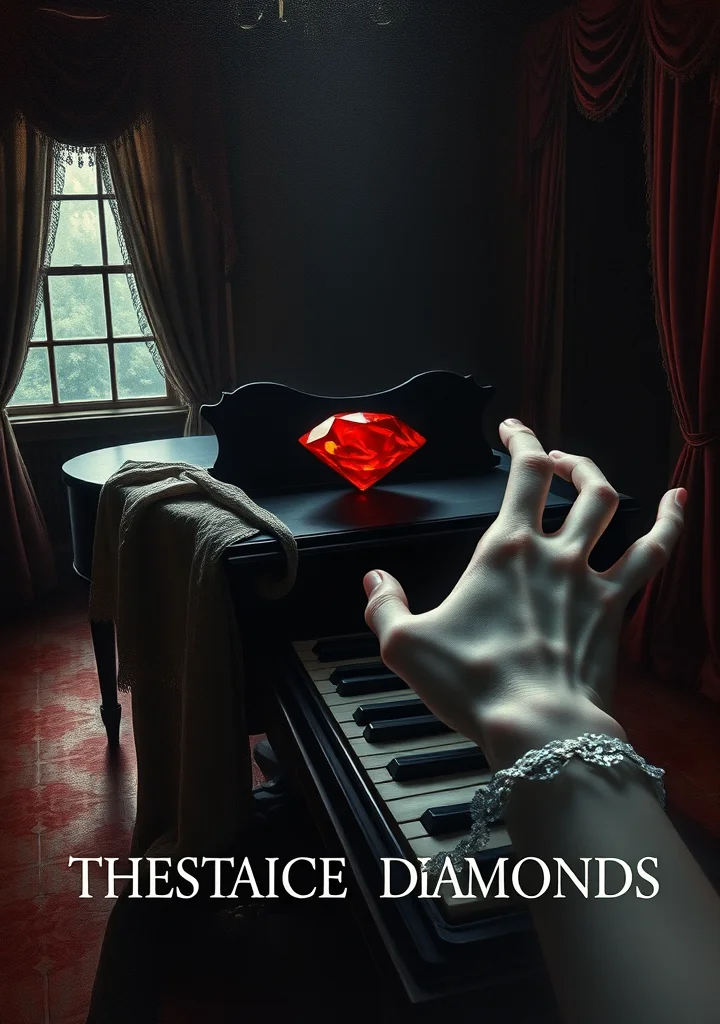
A creeping dread clings to the manor houses and polished drawing rooms of mid-Victorian England, a chill that isn't merely seasonal. The Eustace Diamonds, glittering heirlooms passed down through generations, become less jewels and more spectral witnesses to a fractured lineage. Their fate mirrors the unraveling of young Lady Eustace Greystock, a woman whose beauty and desperation intertwine with the grasping ambitions of men circling like carrion birds. The narrative unfolds in shadowed parlors and echoing hallways, where whispered anxieties and concealed debts fester beneath a veneer of polite society. A suffocating politeness masks the ravenous hunger for wealth and status, a hunger that threatens to devour the very foundations of respectability. Each glittering facet of the diamonds reflects a distorted truth, illuminating the decaying moral landscape of a world obsessed with appearances. The air is thick with the scent of fading roses and unspoken resentments, a stifling fragrance that clings to the silk gowns and tailored coats of those entangled in the diamonds’ orbit. A slow, relentless pressure builds as the novel progresses, mirroring the tightening coils of a snare. The narrative doesn’t rush, but *persists* - like the slow drip of water eroding stone, or the insidious growth of mold within a forgotten crypt. It’s a story steeped in the gray morality of provincial life, where fortunes are won and lost on a whisper, and where the weight of expectation threatens to crush the fragile bloom of a woman’s ambition. The diamonds themselves become a curse, attracting shadows and breeding decay, a glittering symbol of the rot at the heart of a gilded age.
56 Part
A creeping dread clings to the shadowed corners of Jurgen’s world, a land steeped in the melancholic decay of ancient magic. The tale unfolds as a descent into a half-remembered nightmare, where the boundaries between dream and reality blur with each echoing chime of distant bells. Jurgen himself, a man of humble origins, is swept into a labyrinth of perverse desires and forgotten gods. His journey is not one of heroism, but of insidious corruption, a slow unraveling of innocence amidst courts of spectral royalty and monstrous appetites. The air hangs thick with the scent of moldering tapestries and the rustle of unseen things. Forests breathe with a sentience both alluring and terrifying, and the laughter of faeries carries the chilling promise of stolen souls. Every encounter feels less like progress and more like a tightening coil around the heart. A pervasive sense of loneliness permeates the narrative; Jurgen is always just beyond reach, a phantom glimpsed through fogged windows. The story breathes with a morbid elegance, a decadent rot blossoming beneath a veneer of polite society. It’s a world where kindness is a curse, and every act of love is shadowed by a looming, unspeakable price. The landscapes themselves seem to weep, mirroring the slow, agonizing erosion of Jurgen’s spirit as he becomes irrevocably entangled in the web of his own making. It’s a descent into a darkness that promises not oblivion, but a twisted, eternal mockery of life.
26 Part
A creeping mist clings to the painted lawns of Ozma’s kingdom, a land perpetually twilight-veiled. Not the vibrant, sun-drenched Oz of Dorothy’s first journey, but a realm of shadowed groves and whispering stone. Here, enchantment curdles into a brittle stillness, where the laughter of fairy folk feels less like joy and more like the echo of forgotten promises. The air hangs thick with the scent of decaying blossoms and damp earth, a fragrance that clings to the velvet robes of the Princess herself. This is an Oz where enchantment is fracturing, where the very magic that birthed the land seems to weep into the soil. The narrative unfolds like a fever dream, a labyrinth of emerald corridors and echoing caverns. Lost within this labyrinth, a young boy is ensnared by a sorceress whose beauty masks a heart of frost. She doesn’t crave dominion, but *absence* – the slow unraveling of Oz’s shimmering threads. The story bleeds into a world of living statues, haunted forests teeming with grotesque bird-like creatures, and the unnerving calm of an underground kingdom built on bone. A creeping dread permeates every chapter, as the characters stumble through a landscape where every turn reveals a new, unsettling reflection of their own vulnerabilities. The familiar comforts of Oz are replaced by an exquisite melancholy, a sense that something beautiful is slowly, irrevocably fading into dust. It is a journey not towards a happy ending, but into the heart of a gilded ruin.
27 Part
A creeping dread clings to these tales, woven from the dampest corners of the human psyche and the echoing silences between worlds. Blackwood doesn’t offer horror in the conventional sense, but a chilling unraveling of perception, where the veil thins and something ancient, something *other*, observes from just beyond the reach of lamplight. John Silence, a blind man gifted – or cursed – with an interior vision, navigates a landscape of shadowed sanatoriums, fog-choked moorlands, and the suffocating weight of inherited trauma. His stories aren’t of monsters, but of resonances—a subtle discordance in the fabric of reality that preys on the vulnerable. Each encounter leaves a residue of unease, a blurring of the boundaries between sanity and dissolution. The atmosphere is one of perpetual twilight, a stifling stillness where every creak of the floorboard, every flicker of gaslight, suggests a presence unseen, yet intimately felt. These aren't tales to be *read*, but to be *absorbed*, like a slow poison seeping into the marrow of your bones. The true terror lies not in what Silence *sees*, but in the realization that what he perceives may already be within you, waiting to bloom in the darkness. Expect not jump scares, but the lingering chill of a forgotten room, a face glimpsed in the periphery, and the unsettling certainty that some doors are best left unopened. The stories breathe with a melancholic beauty, a haunting melody born from the decay of reason and the echoes of a world just beyond our grasp.