
-
Read 1.6K
-
0
-
Part 129
Completed, First published Mar 02, 2026
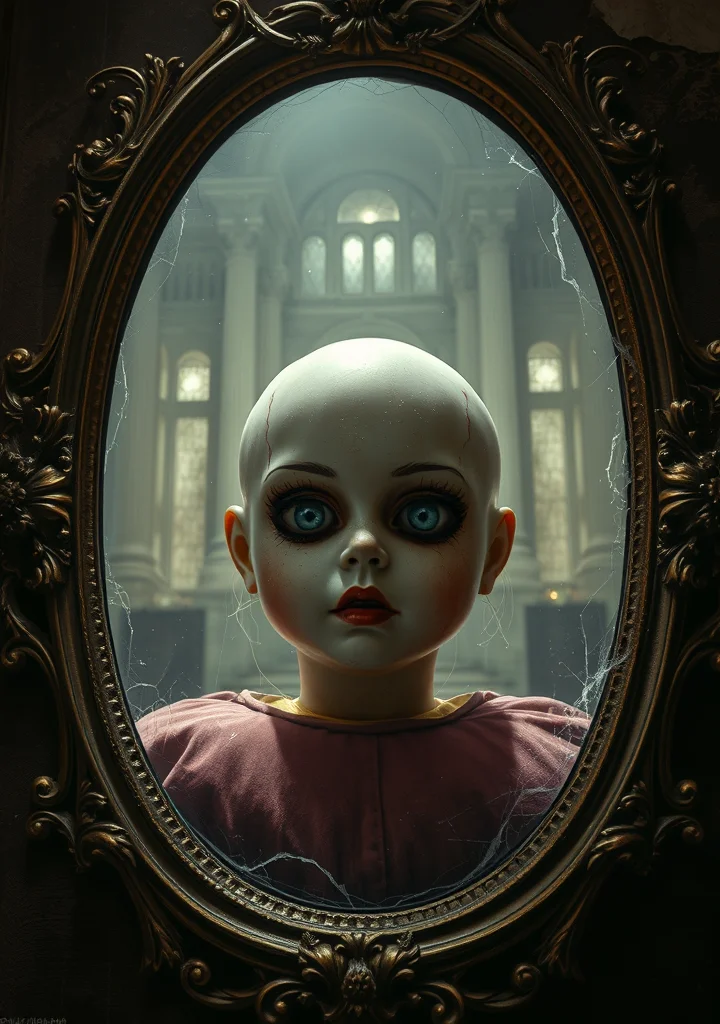
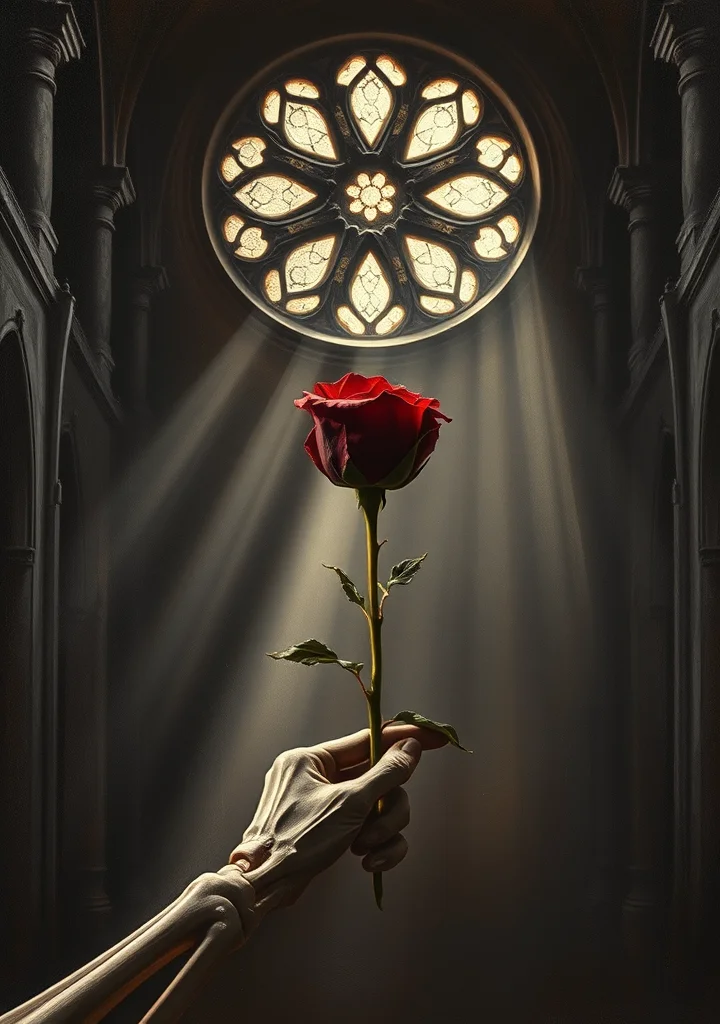
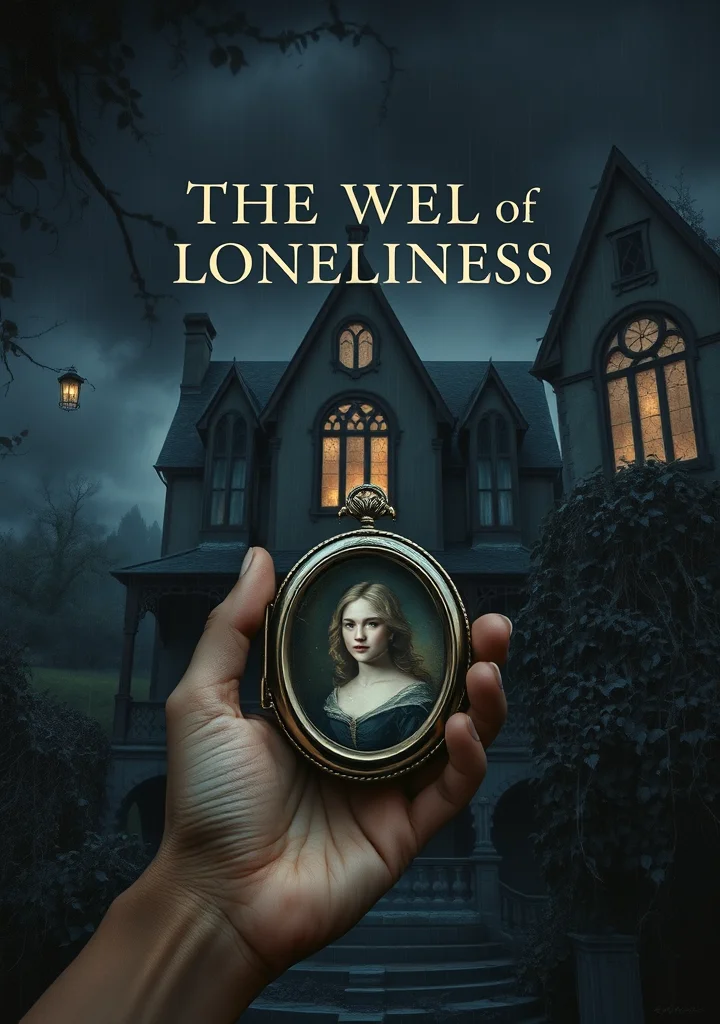
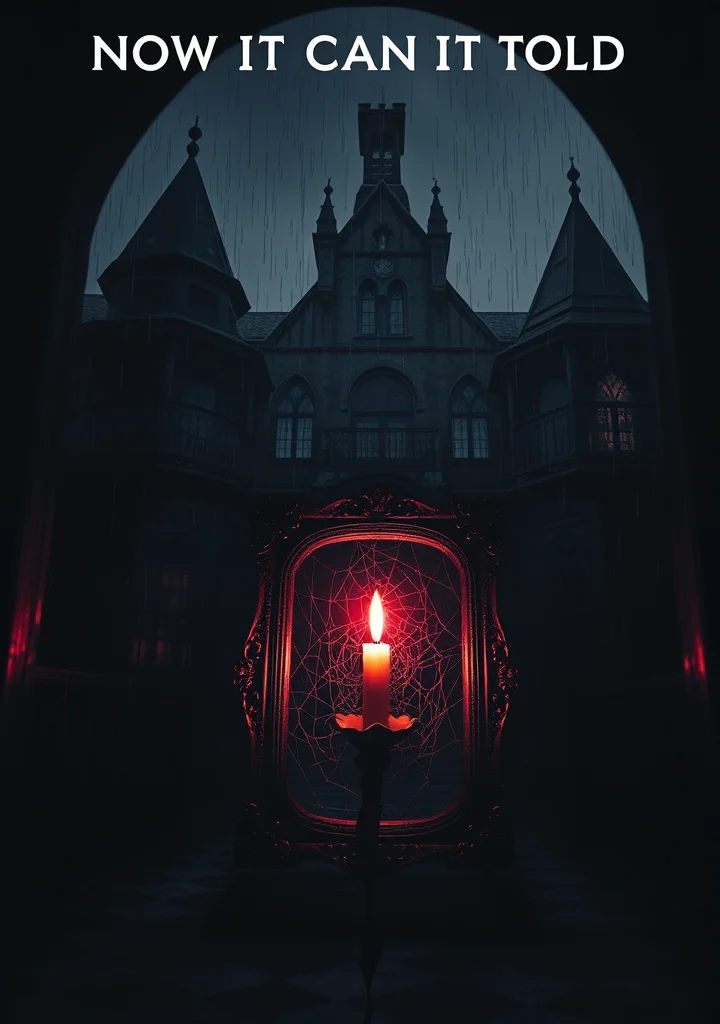
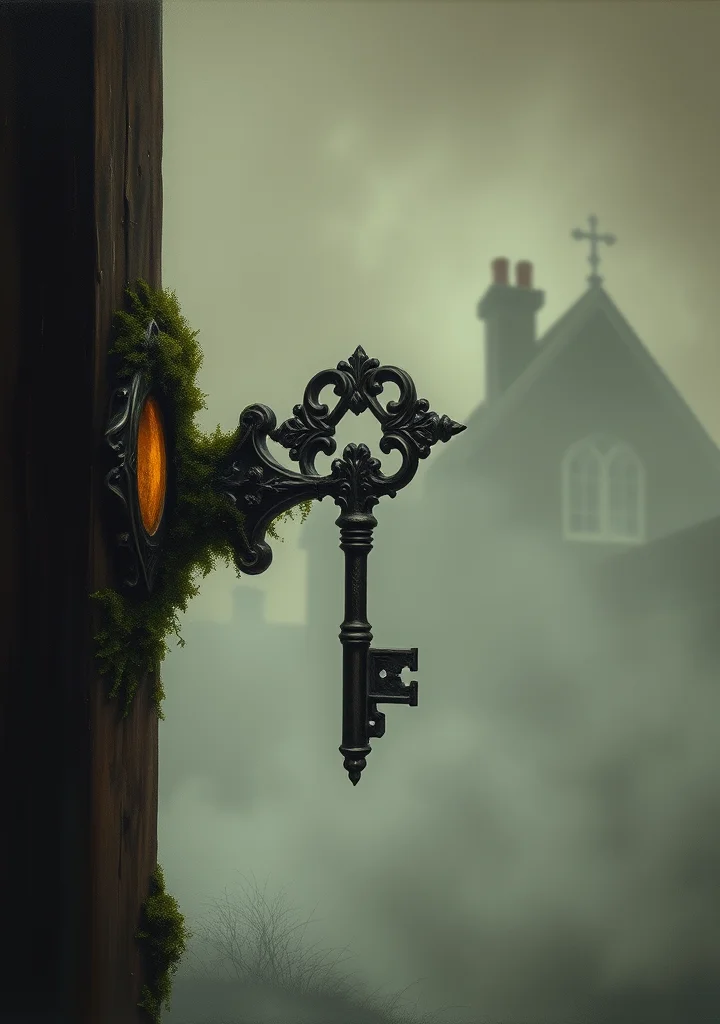
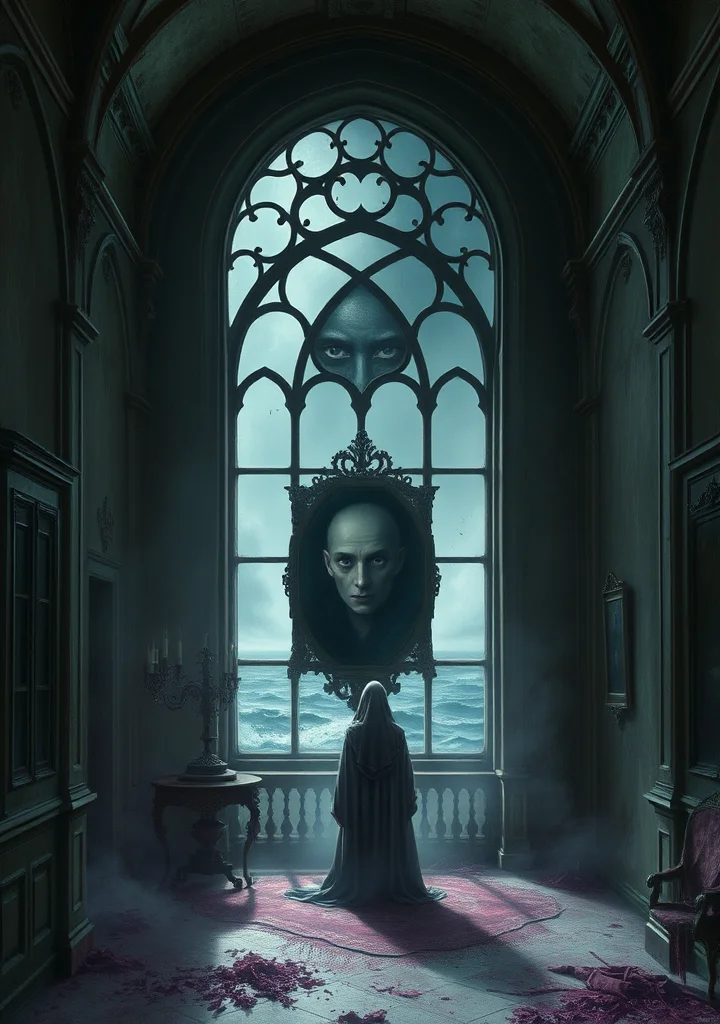
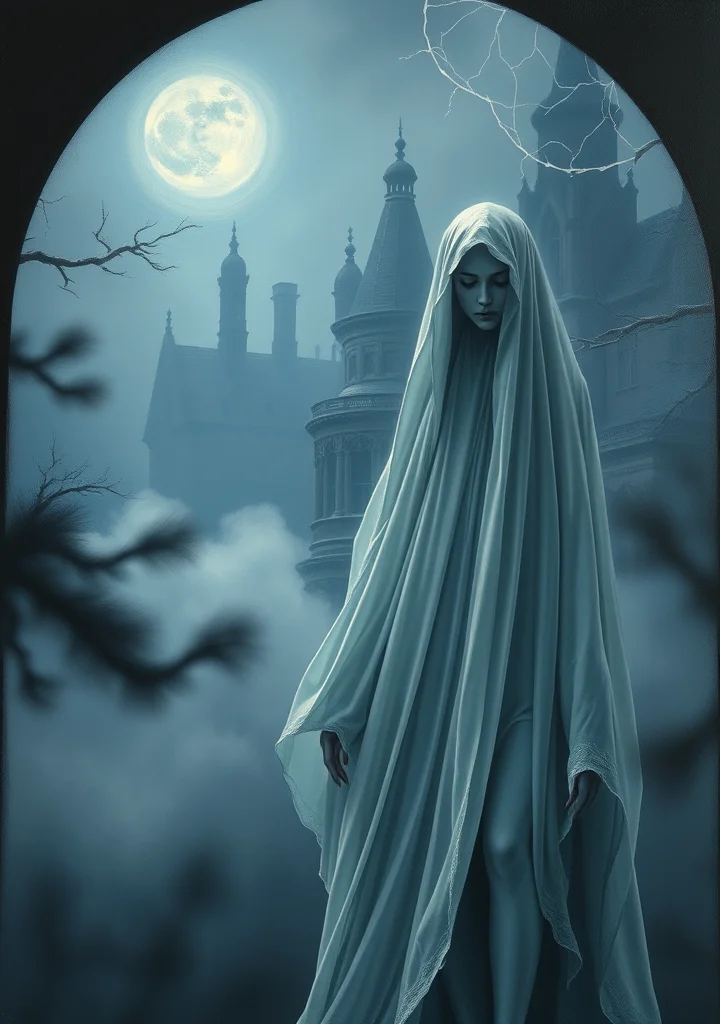
A creeping dread clings to the shadowed halls of Forsyte House, a dynasty built on ambition and the slow rot of inherited wealth. Generations exhale their discontent within gilded cages, each acquisition—silver, portraits, a coveted wife—a binding chain forged in the dim light of Victorian drawing rooms. The air thickens with unspoken resentments, the scent of decaying lace and the bitter taste of thwarted desires. A suffocating politeness masks a ravenous hunger for legacy, where love is bartered as property and the heart, a brittle thing, is slowly fractured against the unforgiving stone of family. Whispers follow the portraits, echoes of fortunes won and lost, and a pervasive sense of confinement, as if the very walls of the estate conspire to trap the Forsytes within their own gilded decline. The saga unfolds not with grand spectacle, but with the insidious drip of time, eroding trust and leaving only the skeletal remains of a once-proud lineage haunting the periphery of their opulent prison. A darkness descends, not from without, but from the insidious growth of avarice within the very heart of the Forsyte name.
Copyright: Public Domain
This license allows anyone to use your story for any purpose, including printing, selling, or adapting it into a film freely.
This license allows anyone to use your story for any purpose, including printing, selling, or adapting it into a film freely.
Chapter List
-
« The Forsyte Saga »📖 Continue Reading
-
« Chapter_3 »
-
« Preface »
-
« The Forsyte Saga »
-
« Chapter_7 »
-
« Chapter_8 »
-
« I »
-
« II »
-
« III »
-
« IV »
-
« V »
-
« VI »
-
« VII »
-
« VIII »
-
« IX »
-
« I »
-
« II »
-
« III »
-
« IV »
-
« V »
-
« VI »
-
« VII »
-
« VIII »
-
« IX »
-
« X »
-
« XI »
-
« XII »
-
« XIII »
-
« XIV »
-
« I »
-
« II »
-
« III »
-
« IV »
-
« V »
-
« VI »
-
« VII »
-
« VIII »
-
« IX »
-
« Interlude »
-
« Chapter_45 »
-
« Chapter_46 »
-
« I »
-
« II »
-
« III »
-
« IV »
-
« V »
-
« Chapter_53 »
-
« Chapter_54 »
-
« I »
-
« II »
-
« III »
-
« IV »
-
« V »
-
« VI »
-
« VII »
-
« VIII »
-
« IX »
-
« X »
-
« XI »
-
« XII »
-
« XIII »
-
« XIV »
-
« I »
-
« II »
-
« III »
-
« IV »
-
« V »
-
« VI »
-
« VII »
-
« VIII »
-
« IX »
-
« X »
-
« XI »
-
« XII »
-
« XIII »
-
« XIV »
-
« I »
-
« II »
-
« III »
-
« IV »
-
« V »
-
« VI »
-
« VII »
-
« VIII »
-
« IX »
-
« X »
-
« XI »
-
« XII »
-
« XIII »
-
« XIV »
-
« Awakening »
-
« Chapter_101 »
-
« Chapter_102 »
-
« Chapter_104 »
-
« Chapter_105 »
-
« I »
-
« II »
-
« III »
-
« IV »
-
« V »
-
« VI »
-
« VII »
-
« VIII »
-
« IX »
-
« X »
-
« XI »
-
« XII »
-
« I »
-
« II »
-
« III »
-
« IV »
-
« V »
-
« VI »
-
« VII »
-
« VIII »
-
« IX »
-
« X »
-
« XI »
-
« I »
-
« II »
-
« III »
-
« IV »
-
« V »
-
« VI »
-
« VII »
-
« VIII »
-
« IX »
-
« X »
-
« XI »
129
-
« The Forsyte Saga »
-
« Chapter_3 »
-
« Preface »
-
« The Forsyte Saga »
-
« Chapter_7 »
-
« Chapter_8 »
-
« I »
-
« II »
-
« III »
-
« IV »
-
« V »
-
« VI »
-
« VII »
-
« VIII »
-
« IX »
-
« I »
-
« II »
-
« III »
-
« IV »
-
« V »
-
« VI »
-
« VII »
-
« VIII »
-
« IX »
-
« X »
-
« XI »
-
« XII »
-
« XIII »
-
« XIV »
-
« I »
-
« II »
-
« III »
-
« IV »
-
« V »
-
« VI »
-
« VII »
-
« VIII »
-
« IX »
-
« Interlude »
-
« Chapter_45 »
-
« Chapter_46 »
-
« I »
-
« II »
-
« III »
-
« IV »
-
« V »
-
« Chapter_53 »
-
« Chapter_54 »
-
« I »
-
« II »
-
« III »
-
« IV »
-
« V »
-
« VI »
-
« VII »
-
« VIII »
-
« IX »
-
« X »
-
« XI »
-
« XII »
-
« XIII »
-
« XIV »
-
« I »
-
« II »
-
« III »
-
« IV »
-
« V »
-
« VI »
-
« VII »
-
« VIII »
-
« IX »
-
« X »
-
« XI »
-
« XII »
-
« XIII »
-
« XIV »
-
« I »
-
« II »
-
« III »
-
« IV »
-
« V »
-
« VI »
-
« VII »
-
« VIII »
-
« IX »
-
« X »
-
« XI »
-
« XII »
-
« XIII »
-
« XIV »
-
« Awakening »
-
« Chapter_101 »
-
« Chapter_102 »
-
« Chapter_104 »
-
« Chapter_105 »
-
« I »
-
« II »
-
« III »
-
« IV »
-
« V »
-
« VI »
-
« VII »
-
« VIII »
-
« IX »
-
« X »
-
« XI »
-
« XII »
-
« I »
-
« II »
-
« III »
-
« IV »
-
« V »
-
« VI »
-
« VII »
-
« VIII »
-
« IX »
-
« X »
-
« XI »
-
« I »
-
« II »
-
« III »
-
« IV »
-
« V »
-
« VI »
-
« VII »
-
« VIII »
-
« IX »
-
« X »
-
« XI »
More like this