
-
Read 1.1K
-
0
-
Part 80
Completed, First published Mar 02, 2026
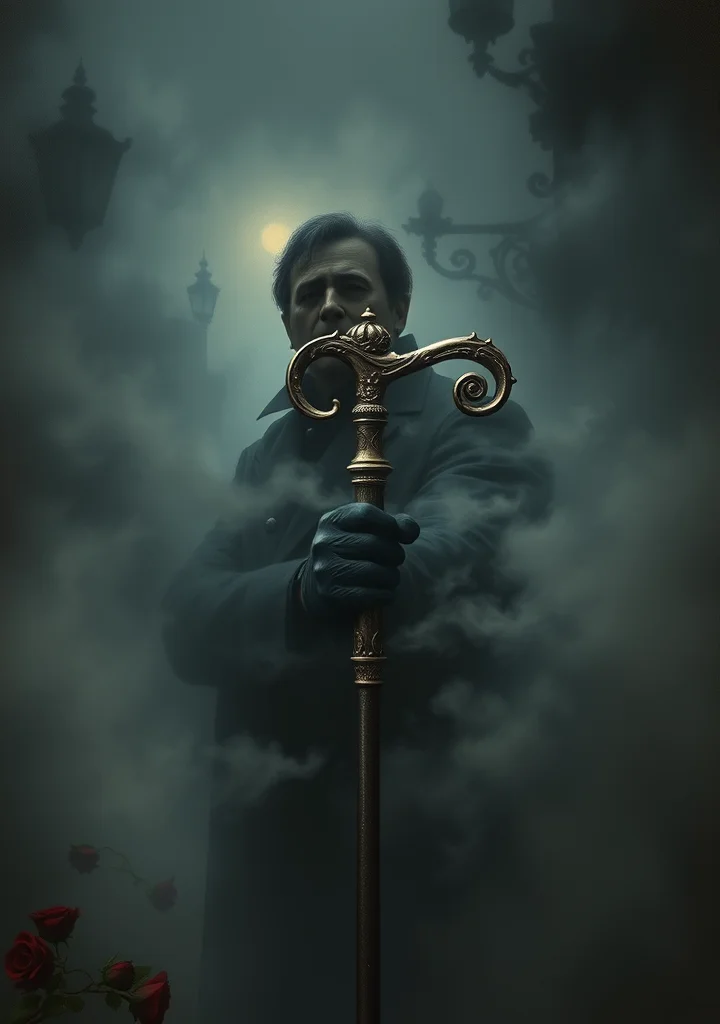
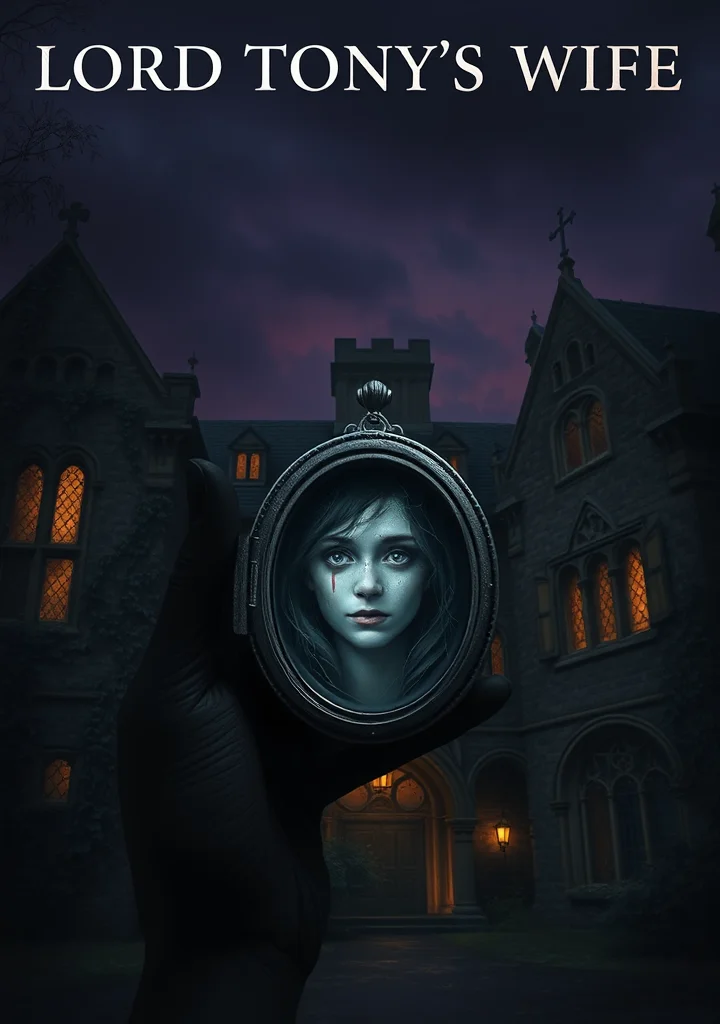
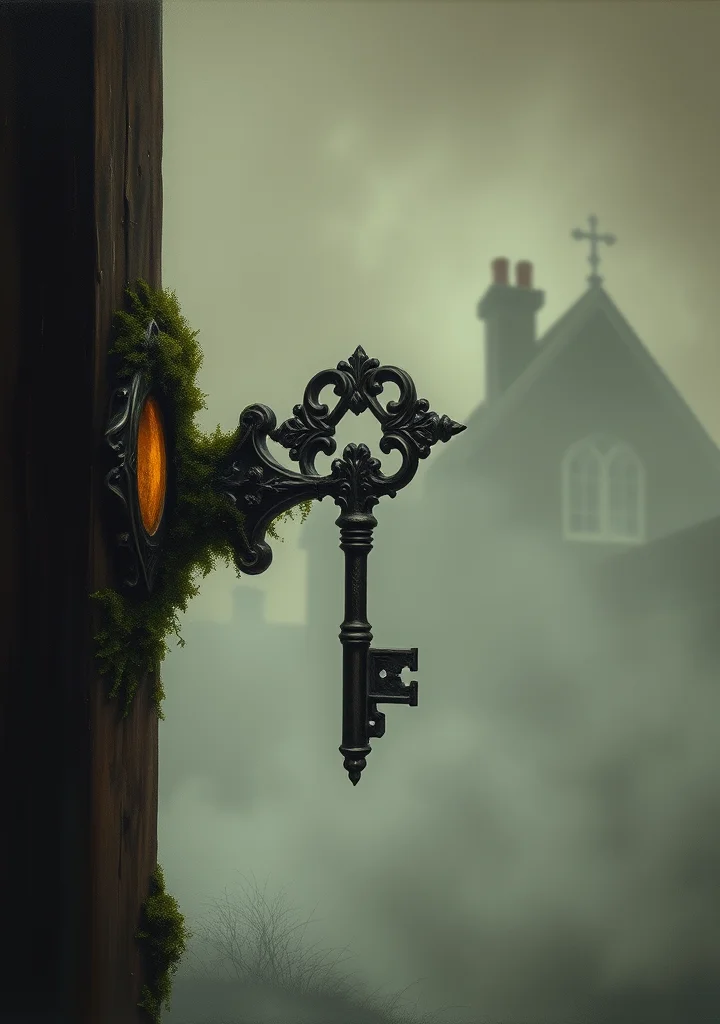
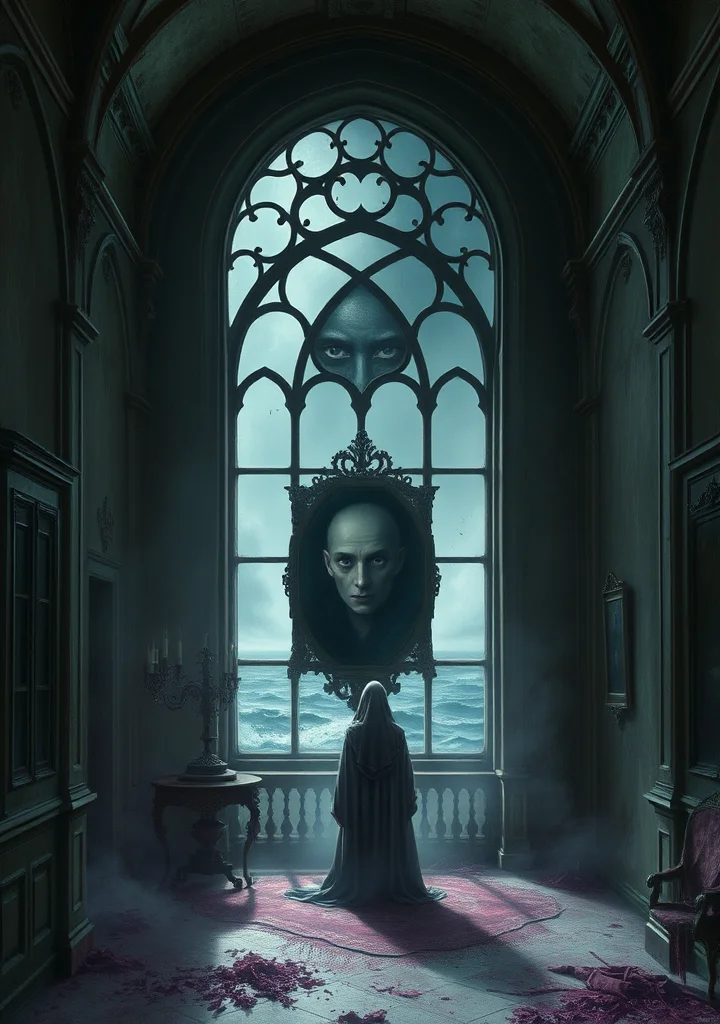
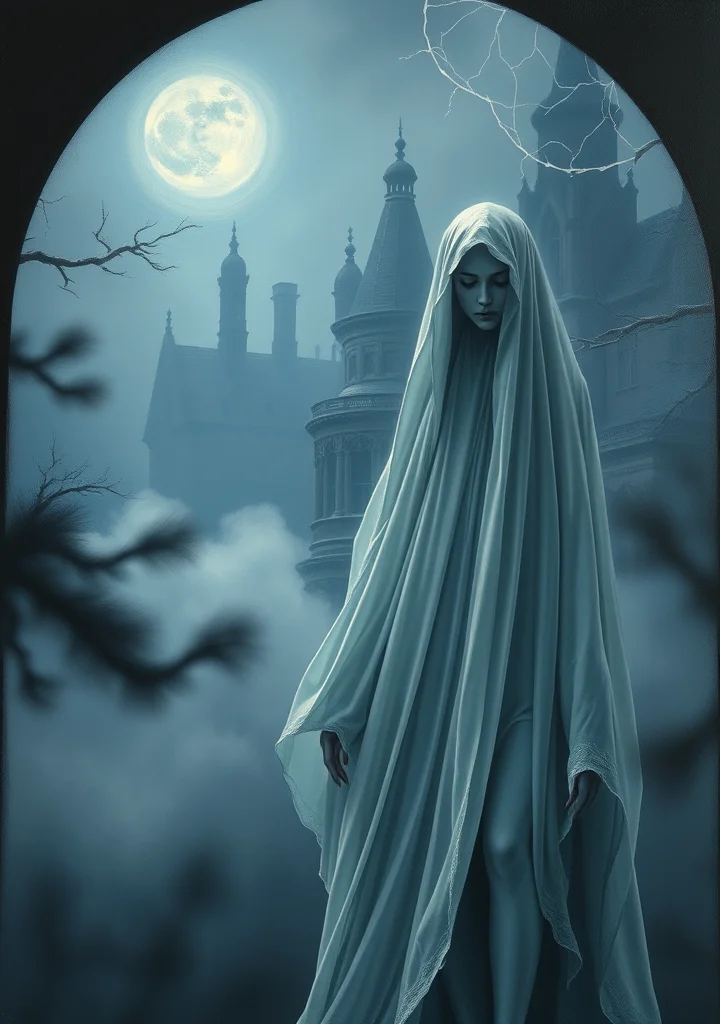
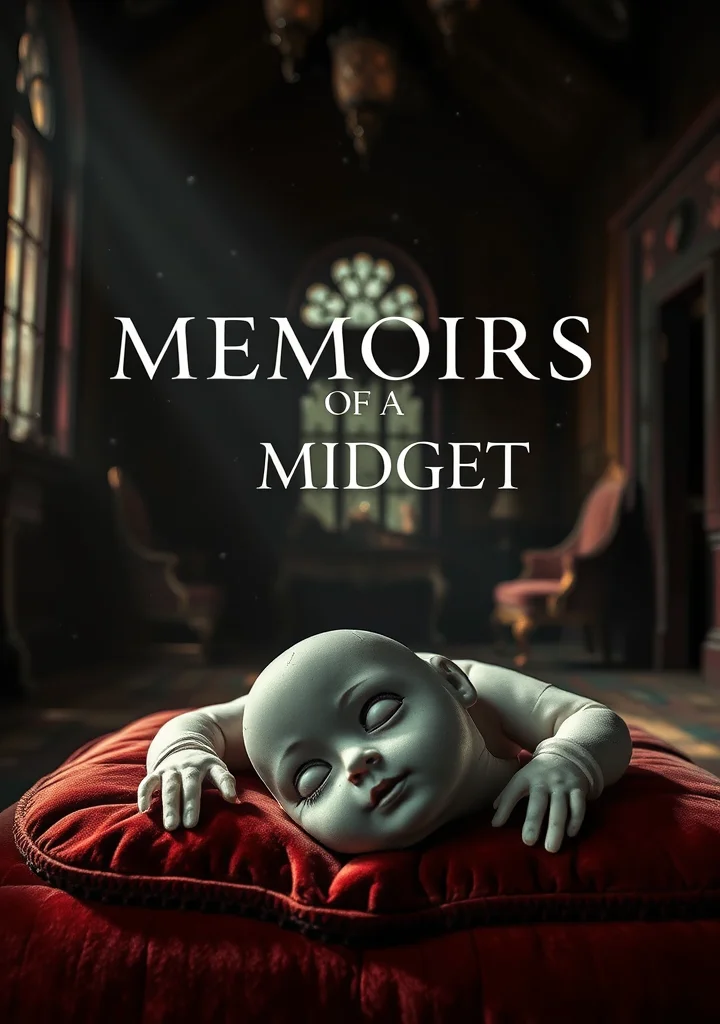
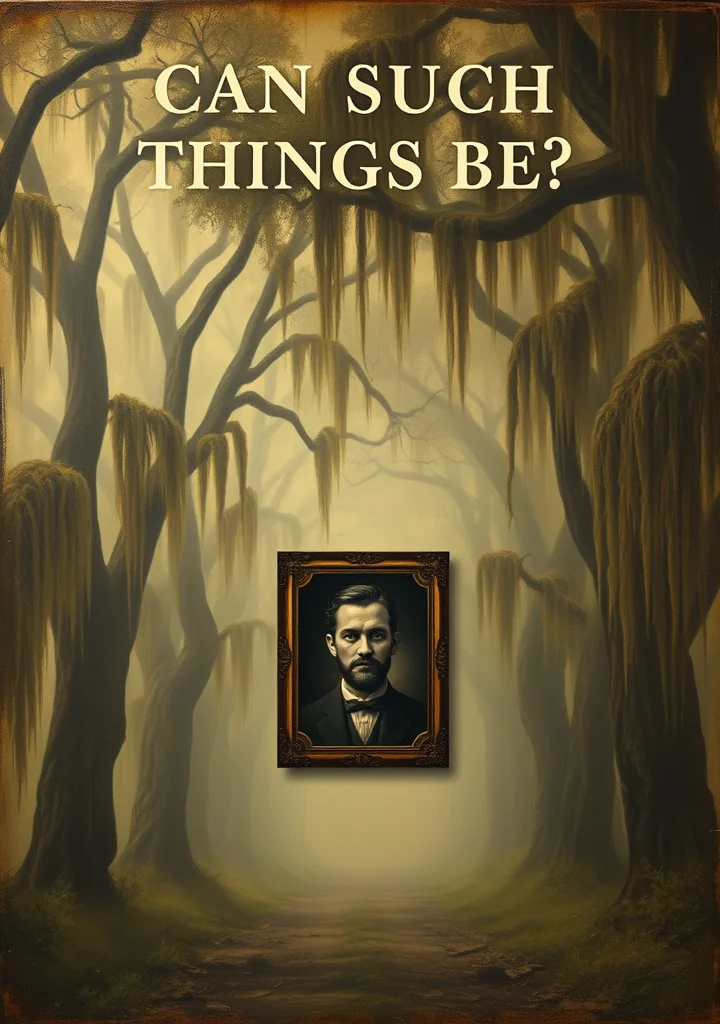
A fog-choked Louisiana sugar plantation, steeped in the rot of yellow fever and the decay of a forgotten aristocracy. Dust motes dance in the perpetual twilight filtering through cypress draped with Spanish moss, illuminating portraits whose eyes follow every trespass. The narrative clings to the humid air like a shroud, detailing the unnerving precision of a post-mortem photograph – a likeness preserved not by art, but by a horrifying, inexplicable stillness. Every corner breathes with the suffocating weight of familial obligation, shadowed by the creeping suspicion that the subject’s final breath was not merely cessation, but a deliberate, spectral act of defiance. The house itself seems to exhale a miasma of suppressed grief, the scent of jasmine and decay mingling with the metallic tang of recent tragedy. It’s a stillness that begs not for explanation, but for surrender to the unnerving possibility that death, in this place, is merely another form of possession—a haunting echo that clings to the living, forever blurring the lines between the seen and the remembered. The air thickens with the scent of fear, as the meticulous details reveal a story less of murder, and more of a hauntingly perfect imitation of life, arrested at its most brittle moment. It's a story whispered in the humid dark, where the boundaries of sanity fray alongside the crumbling estate.
Copyright: Public Domain
This license allows anyone to use your story for any purpose, including printing, selling, or adapting it into a film freely.
This license allows anyone to use your story for any purpose, including printing, selling, or adapting it into a film freely.
Chapter List
-
« Can Such Things Be? »📖 Continue Reading
-
« I »
-
« I »
-
« II »
-
« III »
-
« IV »
-
« The Secret of Macarger’s Gulch »
-
« One Summer Night »
-
« The Moonlit Road »
-
« I »
-
« II »
-
« III »
-
« A Diagnosis of Death »
-
« Moxon’s Master »
-
« A Tough Tussle »
-
« One of Twins »
-
« The Haunted Valley »
-
« I »
-
« II »
-
« A Jug of Syrup »
-
« Staley Fleming’s Hallucination »
-
« A Resumed Identity »
-
« I »
-
« II »
-
« III »
-
« A Baby Tramp »
-
« The Night-Doings at “Deadman’s” »
-
« Beyond the Wall »
-
« A Psychological Shipwreck »
-
« The Middle Toe of the Right Foot »
-
« I »
-
« II »
-
« III »
-
« John Mortonson’s Funeral »
-
« The Realm of the Unreal »
-
« I »
-
« II »
-
« III »
-
« IV »
-
« V »
-
« John Bartine’s Watch »
-
« The Damned Thing »
-
« I »
-
« II »
-
« III »
-
« IV »
-
« Haïta the Shepherd »
-
« Chapter_49 »
-
« The Stranger »
-
« The Ways of Ghosts »
-
« Chapter_52 »
-
« Present at a Hanging »
-
« A Cold Greeting »
-
« A Wireless Message »
-
« An Arrest »
-
« Soldier-Folk »
-
« A Man with Two Lives »
-
« Three and One Are One »
-
« A Baffled Ambuscade »
-
« Two Military Executions »
-
« Some Haunted Houses »
-
« The Isle of Pines »
-
« A Fruitless Assignment »
-
« A Vine on a House »
-
« At Old Man Eckert’s »
-
« The Spook House »
-
« The Other Lodgers »
-
« The Thing at Nolan »
-
« Bodies of the Dead »
-
« That of Granny Magone »
-
« A Light Sleeper »
-
« The Mystery of Charles Farquharson »
-
« Dead and “Gone” »
-
« A Cold Night »
-
« A Creature of Habit »
-
« “Mysterious Disappearances” »
-
« The Difficulty of Crossing a Field »
-
« An Unfinished Race »
-
« Charles Ashmore’s Trail »
-
« Science to the Front »
80
-
« Can Such Things Be? »
-
« I »
-
« I »
-
« II »
-
« III »
-
« IV »
-
« The Secret of Macarger’s Gulch »
-
« One Summer Night »
-
« The Moonlit Road »
-
« I »
-
« II »
-
« III »
-
« A Diagnosis of Death »
-
« Moxon’s Master »
-
« A Tough Tussle »
-
« One of Twins »
-
« The Haunted Valley »
-
« I »
-
« II »
-
« A Jug of Syrup »
-
« Staley Fleming’s Hallucination »
-
« A Resumed Identity »
-
« I »
-
« II »
-
« III »
-
« A Baby Tramp »
-
« The Night-Doings at “Deadman’s” »
-
« Beyond the Wall »
-
« A Psychological Shipwreck »
-
« The Middle Toe of the Right Foot »
-
« I »
-
« II »
-
« III »
-
« John Mortonson’s Funeral »
-
« The Realm of the Unreal »
-
« I »
-
« II »
-
« III »
-
« IV »
-
« V »
-
« John Bartine’s Watch »
-
« The Damned Thing »
-
« I »
-
« II »
-
« III »
-
« IV »
-
« Haïta the Shepherd »
-
« Chapter_49 »
-
« The Stranger »
-
« The Ways of Ghosts »
-
« Chapter_52 »
-
« Present at a Hanging »
-
« A Cold Greeting »
-
« A Wireless Message »
-
« An Arrest »
-
« Soldier-Folk »
-
« A Man with Two Lives »
-
« Three and One Are One »
-
« A Baffled Ambuscade »
-
« Two Military Executions »
-
« Some Haunted Houses »
-
« The Isle of Pines »
-
« A Fruitless Assignment »
-
« A Vine on a House »
-
« At Old Man Eckert’s »
-
« The Spook House »
-
« The Other Lodgers »
-
« The Thing at Nolan »
-
« Bodies of the Dead »
-
« That of Granny Magone »
-
« A Light Sleeper »
-
« The Mystery of Charles Farquharson »
-
« Dead and “Gone” »
-
« A Cold Night »
-
« A Creature of Habit »
-
« “Mysterious Disappearances” »
-
« The Difficulty of Crossing a Field »
-
« An Unfinished Race »
-
« Charles Ashmore’s Trail »
-
« Science to the Front »
More like this