
-
Read 1.4K
-
0
-
Part 114
Completed, First published Mar 02, 2026
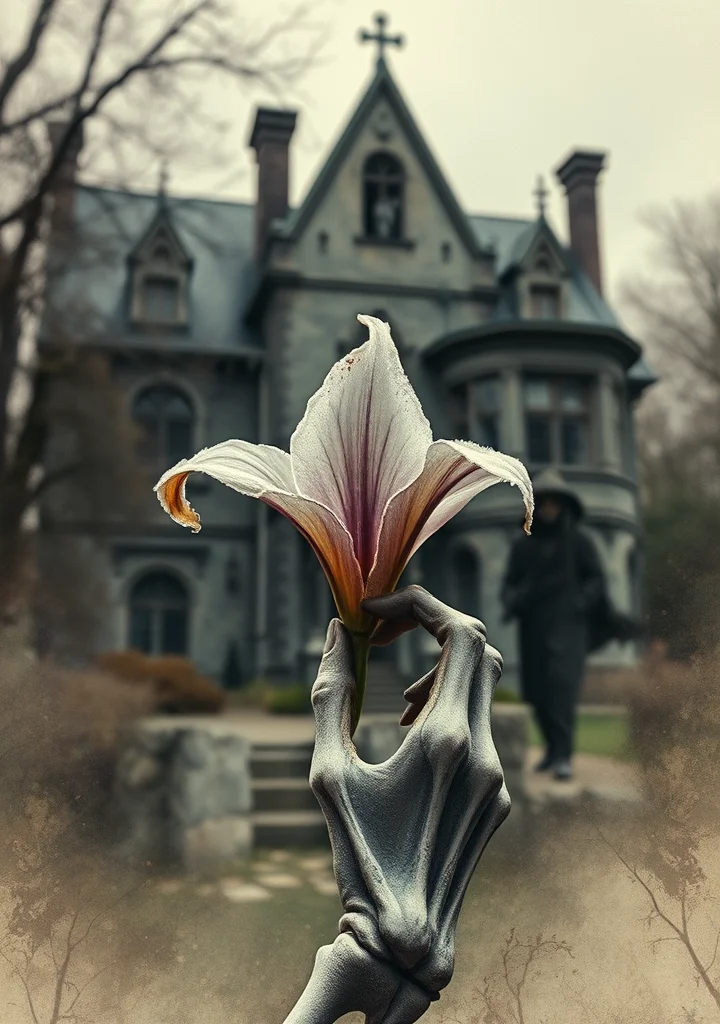
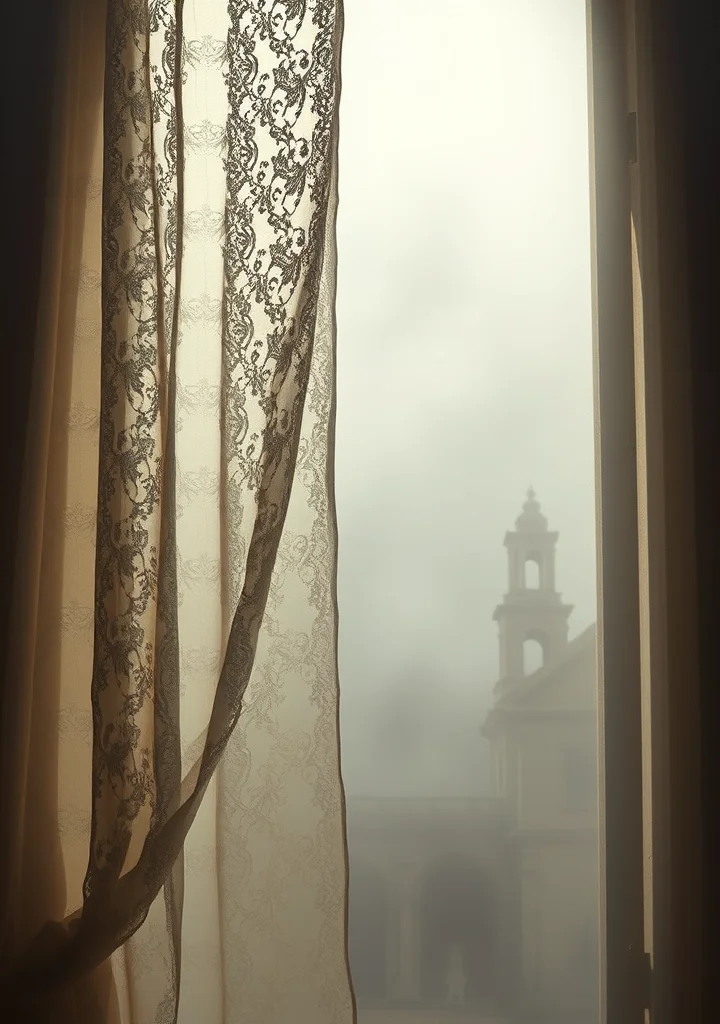
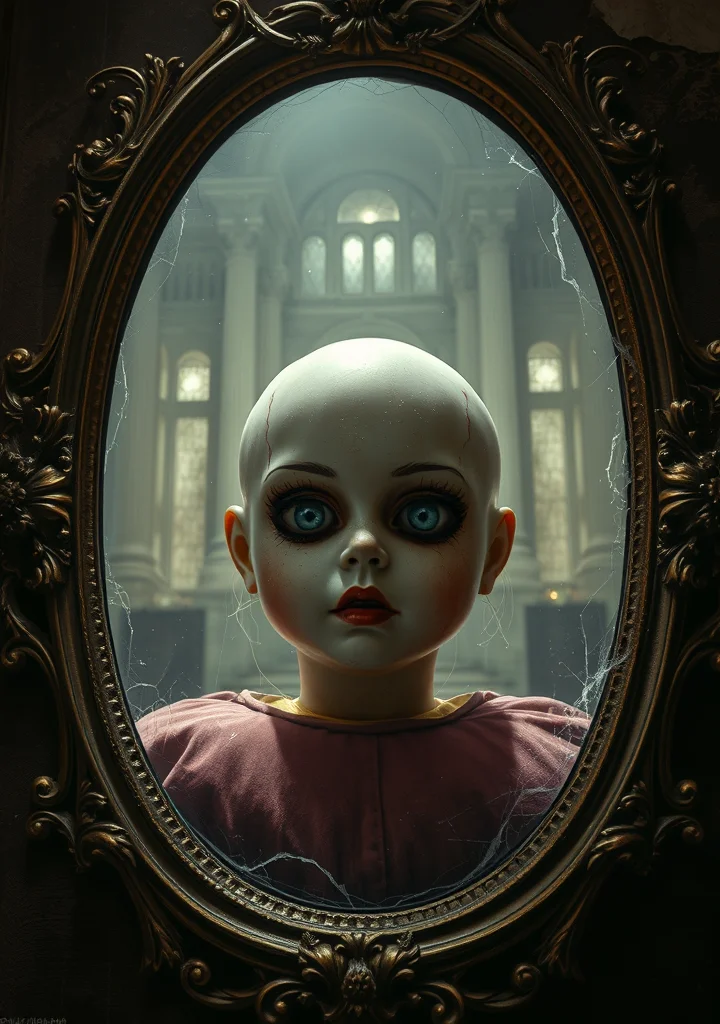
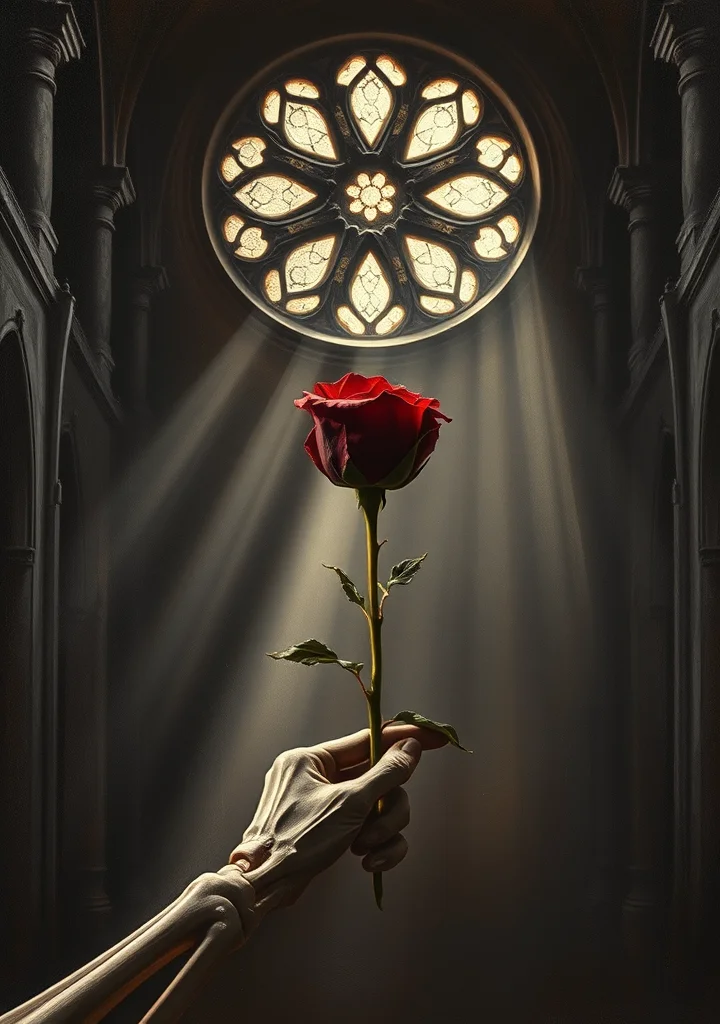
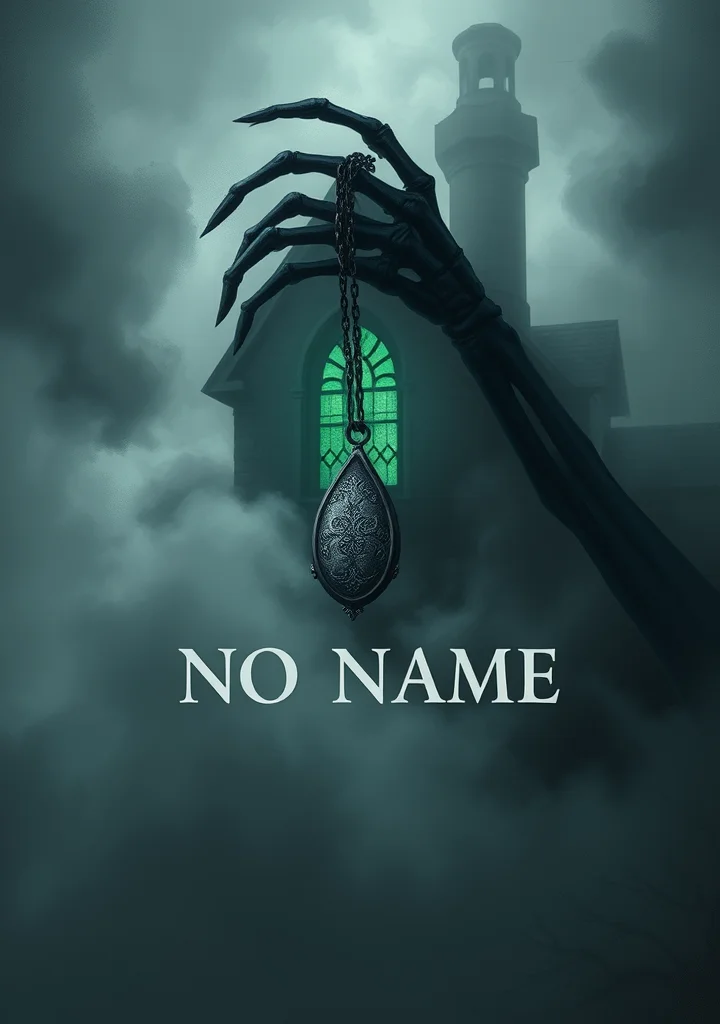
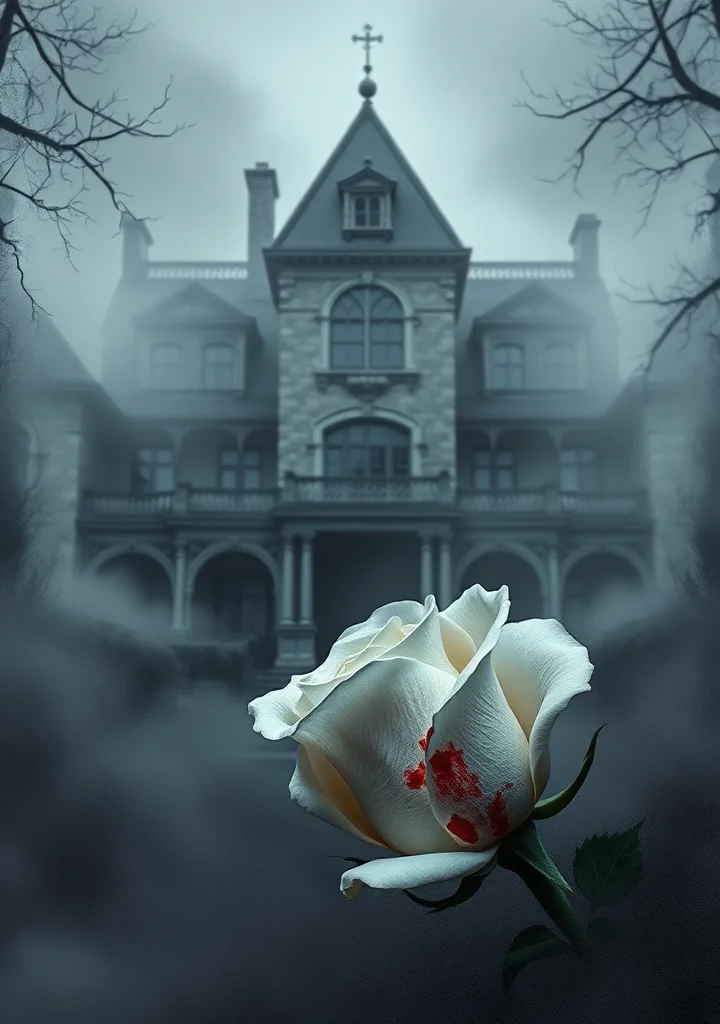
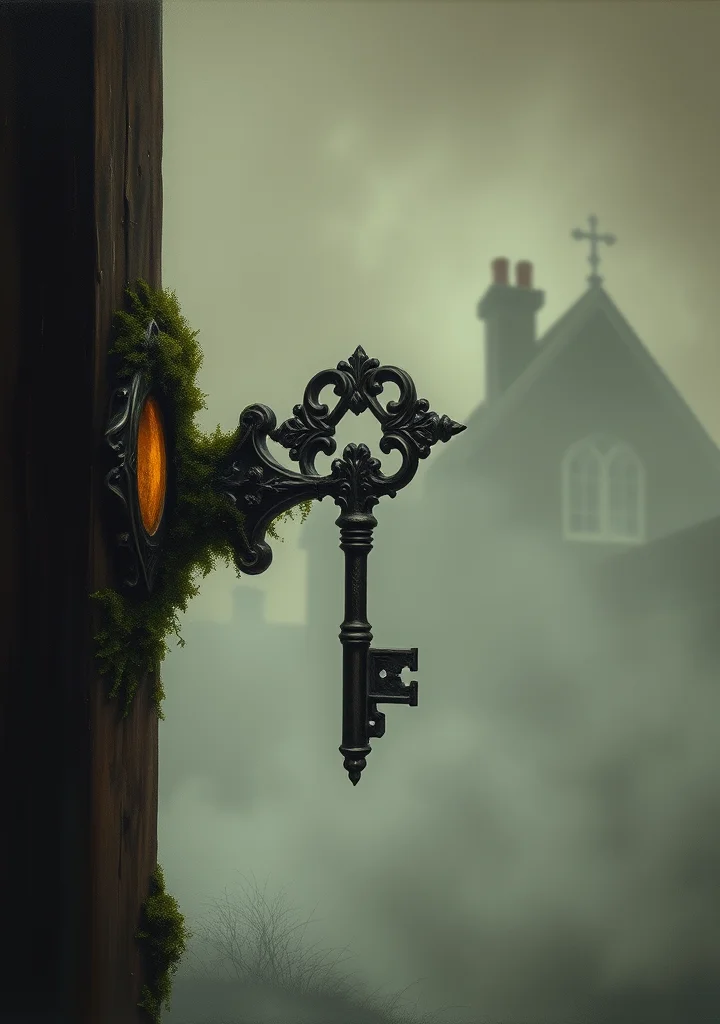
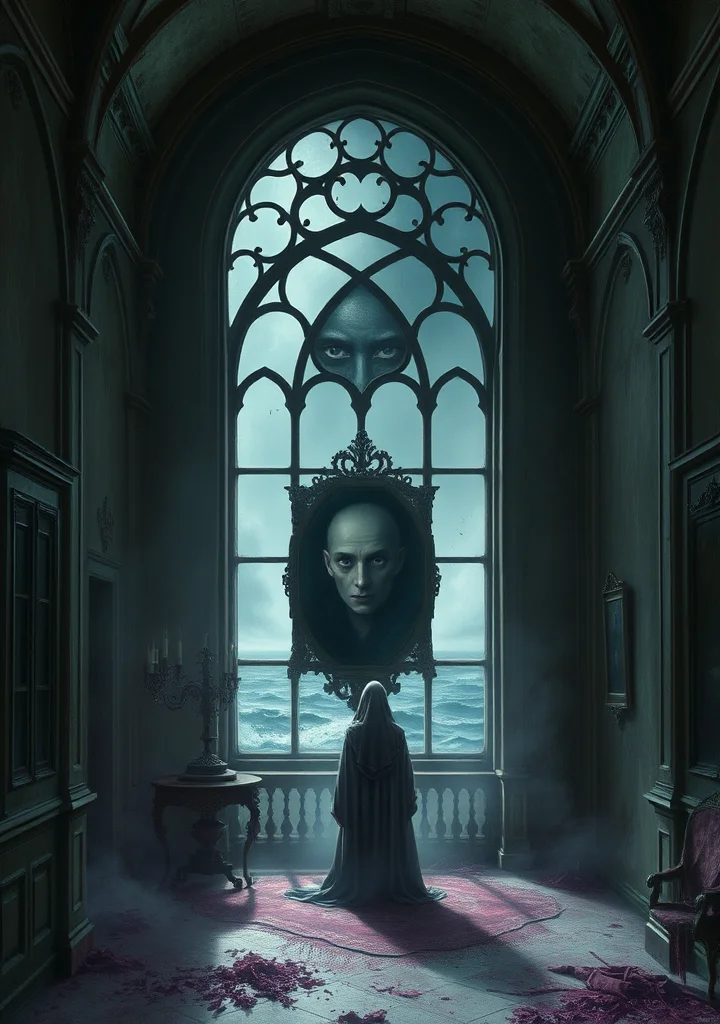
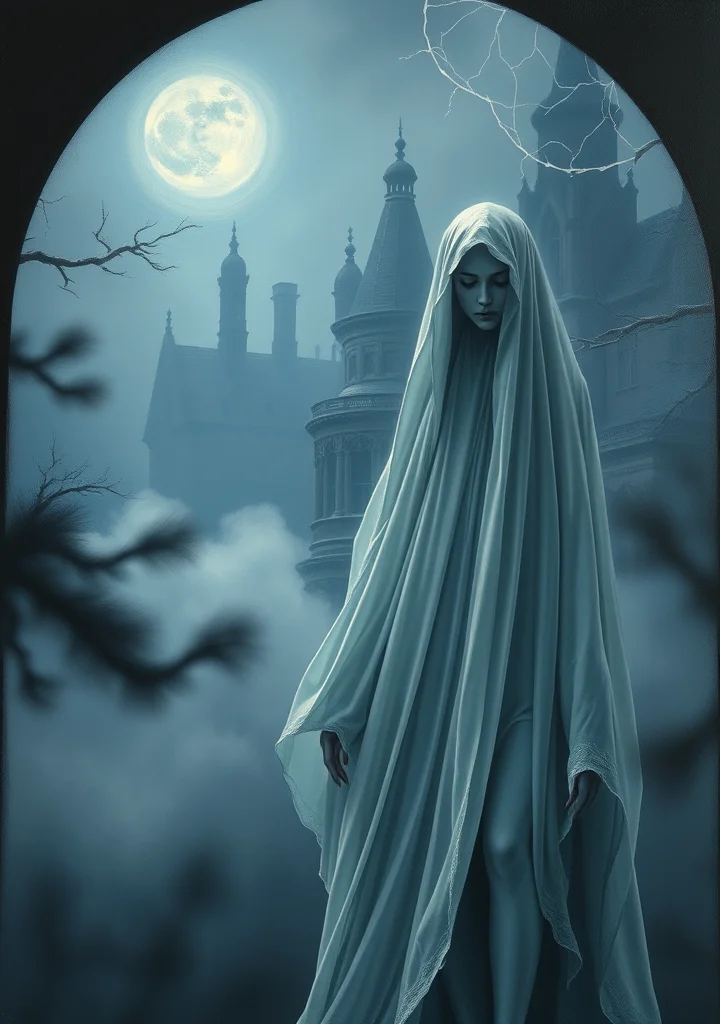
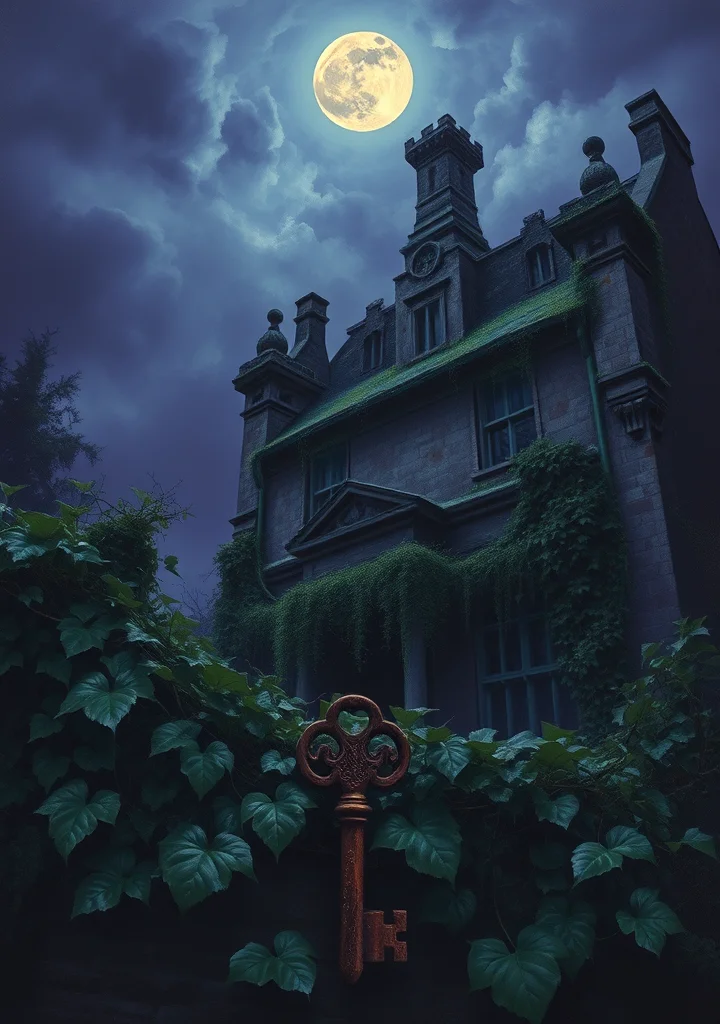
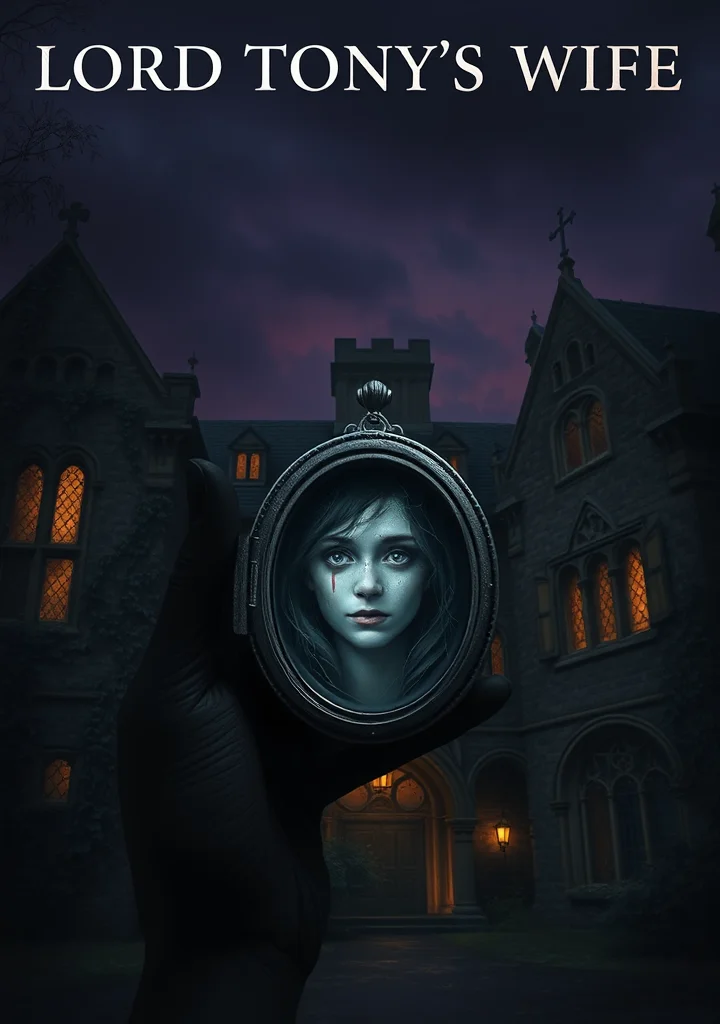
A perpetual twilight clings to Blackwood Grange, mirroring the shadowed corners of Lady Eleanor’s heart. Married to the infamous Lord Tony, a man whispered to have dealings with shadows and debts owed in crimson, she finds herself a gilded cage within his ancestral estate. The air hangs thick with the scent of decay – not just of crumbling stone and overgrown gardens, but of promises broken and lives forfeit. Each echoing footstep in the vast, labyrinthine halls hints at a history of betrayal, while the portraits lining the gallery seem to watch Eleanor’s descent into a chilling awareness of her husband’s true nature. A creeping dread permeates every room, woven into the very fabric of the house; a dread born not of ghostly apparitions, but of the suffocating weight of secrets held too long. The moorland surrounding Blackwood Grange breathes with a cold, hungry wind, carrying fragments of rumors and the cries of those lost to Lord Tony’s machinations. Eleanor is trapped within a suffocating elegance, where every smile feels like a calculated threat and every shadow a potential witness to her unraveling. The narrative unfolds like a slow poison, drawing the reader into a suffocating atmosphere of suspicion, where love is measured in bartered favors and loyalty is purchased with blood. The very stones of Blackwood Grange seem to weep with the despair of those who dared to cross Lord Tony’s path, and Eleanor’s fate hangs precariously balanced upon a single, unraveling thread of hope.
Copyright: Public Domain
This license allows anyone to use your story for any purpose, including printing, selling, or adapting it into a film freely.
This license allows anyone to use your story for any purpose, including printing, selling, or adapting it into a film freely.
Chapter List
-
« Lord Tony’s Wife »📖 Continue Reading
-
« Chapter_3 »
-
« Lord Tony’s Wife »
-
« Prologue »
-
« I »
-
« II »
-
« III »
-
« IV »
-
« V »
-
« VI »
-
« I »
-
« I »
-
« II »
-
« III »
-
« IV »
-
« II »
-
« I »
-
« II »
-
« III »
-
« IV »
-
« V »
-
« VI »
-
« VII »
-
« III »
-
« I »
-
« II »
-
« III »
-
« IV »
-
« V »
-
« VI »
-
« VII »
-
« IV »
-
« I »
-
« II »
-
« III »
-
« V »
-
« I »
-
« II »
-
« III »
-
« IV »
-
« V »
-
« VI »
-
« VII »
-
« VI »
-
« VII »
-
« I »
-
« II »
-
« III »
-
« VIII »
-
« I »
-
« II »
-
« III »
-
« IV »
-
« V »
-
« IX »
-
« I »
-
« II »
-
« III »
-
« I »
-
« I »
-
« II »
-
« III »
-
« IV »
-
« V »
-
« VI »
-
« VII »
-
« II »
-
« I »
-
« II »
-
« III »
-
« IV »
-
« V »
-
« III »
-
« I »
-
« II »
-
« III »
-
« IV »
-
« V »
-
« IV »
-
« I »
-
« II »
-
« III »
-
« IV »
-
« V »
-
« I »
-
« II »
-
« III »
-
« VI »
-
« I »
-
« II »
-
« III »
-
« IV »
-
« V »
-
« VII »
-
« I »
-
« II »
-
« III »
-
« IV »
-
« V »
-
« VIII »
-
« I »
-
« II »
-
« III »
-
« IV »
-
« V »
-
« IX »
-
« I »
-
« II »
-
« II »
-
« IV »
-
« V »
-
« X »
-
« I »
-
« II »
114
-
« Lord Tony’s Wife »
-
« Chapter_3 »
-
« Lord Tony’s Wife »
-
« Prologue »
-
« I »
-
« II »
-
« III »
-
« IV »
-
« V »
-
« VI »
-
« I »
-
« I »
-
« II »
-
« III »
-
« IV »
-
« II »
-
« I »
-
« II »
-
« III »
-
« IV »
-
« V »
-
« VI »
-
« VII »
-
« III »
-
« I »
-
« II »
-
« III »
-
« IV »
-
« V »
-
« VI »
-
« VII »
-
« IV »
-
« I »
-
« II »
-
« III »
-
« V »
-
« I »
-
« II »
-
« III »
-
« IV »
-
« V »
-
« VI »
-
« VII »
-
« VI »
-
« VII »
-
« I »
-
« II »
-
« III »
-
« VIII »
-
« I »
-
« II »
-
« III »
-
« IV »
-
« V »
-
« IX »
-
« I »
-
« II »
-
« III »
-
« I »
-
« I »
-
« II »
-
« III »
-
« IV »
-
« V »
-
« VI »
-
« VII »
-
« II »
-
« I »
-
« II »
-
« III »
-
« IV »
-
« V »
-
« III »
-
« I »
-
« II »
-
« III »
-
« IV »
-
« V »
-
« IV »
-
« I »
-
« II »
-
« III »
-
« IV »
-
« V »
-
« I »
-
« II »
-
« III »
-
« VI »
-
« I »
-
« II »
-
« III »
-
« IV »
-
« V »
-
« VII »
-
« I »
-
« II »
-
« III »
-
« IV »
-
« V »
-
« VIII »
-
« I »
-
« II »
-
« III »
-
« IV »
-
« V »
-
« IX »
-
« I »
-
« II »
-
« II »
-
« IV »
-
« V »
-
« X »
-
« I »
-
« II »
More like this