
-
Read 534
-
0
-
Part 34
Completed, First published Mar 02, 2026
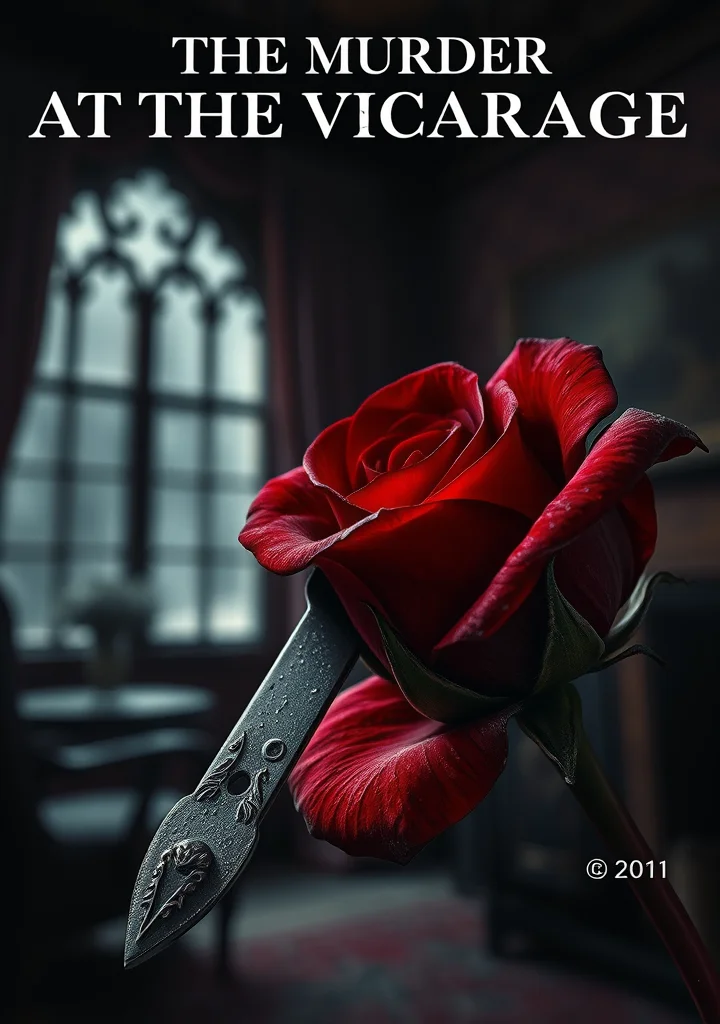
A suffocating stillness hangs over St. Mary Mead, a village steeped in secrets and shadowed by ancient resentments. The air is thick with the scent of decaying roses and whispered accusations following the brutal slaying of the esteemed Colonel Bantry within the very walls of the vicarage. Every polished surface gleams with a deceptive innocence, concealing a web of petty grievances and simmering passions. The investigation unravels not in grand spectacle, but in the claustrophobic confines of drawing rooms and hushed garden paths, where polite conversation masks a venomous undercurrent. A suffocating piety clings to the residents, each a carefully constructed façade hiding envy, spite, and the lingering ghosts of long-held betrayals. The truth, when it surfaces, is as brittle and stained as a forgotten photograph, revealing a darkness lurking beneath the veneer of village respectability – a darkness that clings to the stone walls and lingers in the shadowed corners long after the final confession. The scent of fear is stronger than the summer blooms, and the echoes of the gunshot reverberate through the quiet lanes, leaving a chilling residue of suspicion and despair.
Copyright: Public Domain
This license allows anyone to use your story for any purpose, including printing, selling, or adapting it into a film freely.
This license allows anyone to use your story for any purpose, including printing, selling, or adapting it into a film freely.
Chapter List
-
« The Murder at the Vicarage »📖 Continue Reading
-
« The Murder at the Vicarage »
-
« I »
-
« II »
-
« III »
-
« IV »
-
« V »
-
« VI »
-
« VII »
-
« VIII »
-
« IX »
-
« X »
-
« XI »
-
« XII »
-
« XIII »
-
« XIV »
-
« XV »
-
« XVI »
-
« XVII »
-
« XVIII »
-
« XIX »
-
« XX »
-
« XXI »
-
« XXII »
-
« XXIII »
-
« XXIV »
-
« XXV »
-
« XXVI »
-
« XXVII »
-
« XXVIII »
-
« XXIX »
-
« XXX »
-
« XXXI »
-
« XXXII »
34
-
« The Murder at the Vicarage »
-
« The Murder at the Vicarage »
-
« I »
-
« II »
-
« III »
-
« IV »
-
« V »
-
« VI »
-
« VII »
-
« VIII »
-
« IX »
-
« X »
-
« XI »
-
« XII »
-
« XIII »
-
« XIV »
-
« XV »
-
« XVI »
-
« XVII »
-
« XVIII »
-
« XIX »
-
« XX »
-
« XXI »
-
« XXII »
-
« XXIII »
-
« XXIV »
-
« XXV »
-
« XXVI »
-
« XXVII »
-
« XXVIII »
-
« XXIX »
-
« XXX »
-
« XXXI »
-
« XXXII »
More like this