
-
Read 384
-
0
-
Part 28
Completed, First published Mar 02, 2026
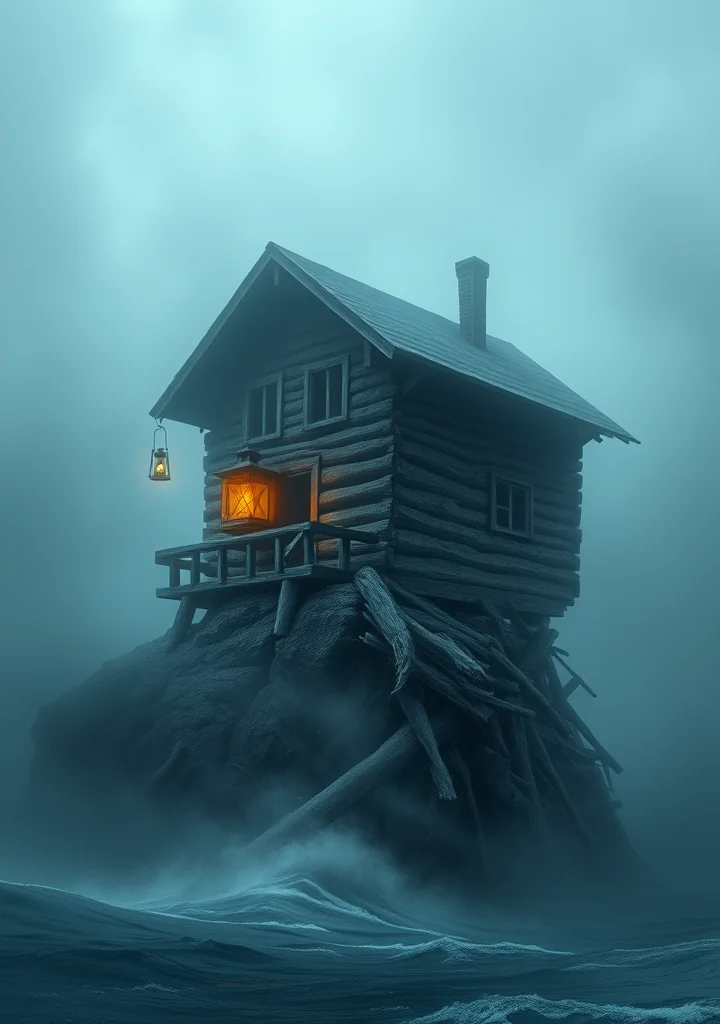
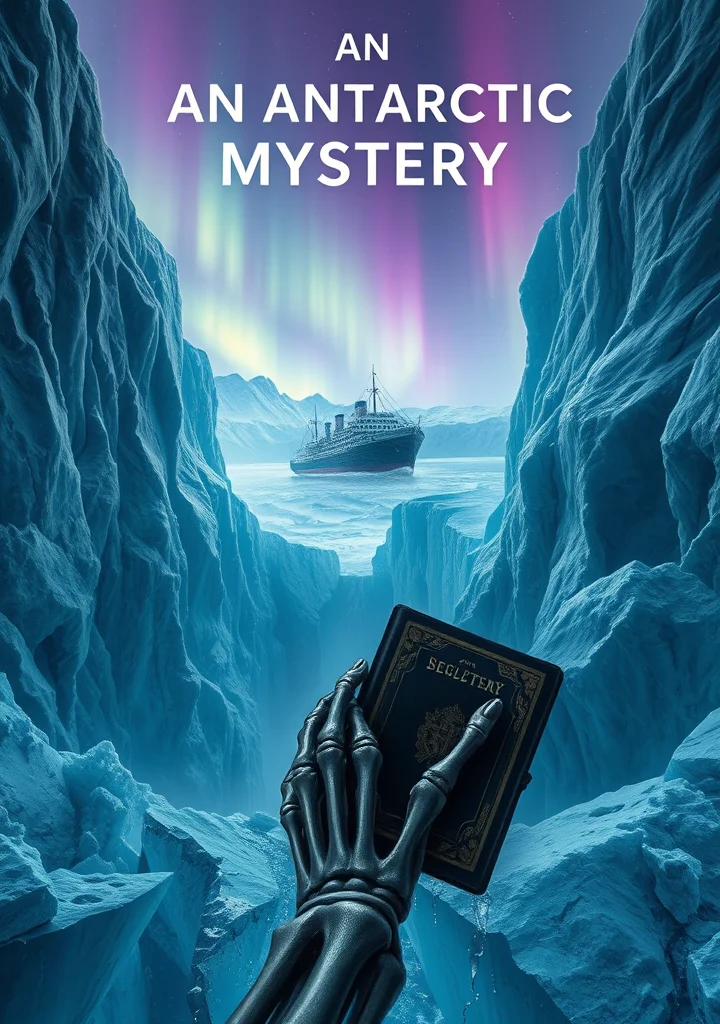
The ice breathes secrets. Verne doesn’t simply present a frozen continent; he sculpts a mausoleum of white, where the horizon isn’t a boundary but a dissolving edge of sanity. Within this glacial kingdom, a vessel—the *Southern Cross*—is less ship than coffin, adrift amongst pressures that mimic the tightening grip of obsession. A vanished baron, a castaway’s diary, and a phantom crew driven to madness by the perpetual twilight weave a tapestry of encroaching despair. The narrative chills not with cold, but with the slow, insidious erosion of hope. Each chapter is a drift deeper into the shadowed heart of the continent, mirroring the descent into the Baron’s own fractured memories. Sunlight refracts as a morbid luminescence, illuminating not salvation, but the skeletal remains of ambition. The silence isn’t emptiness; it’s the echo of screams swallowed by the blizzard, the whisper of a frozen god demanding sacrifice. The air itself is a suffocating weight, laced with the metallic tang of blood and the brine of forgotten sins. This is not merely an expedition to the pole, but a pilgrimage to the precipice of madness, where the white wastes claim not just life, but the very notion of reality. The reader feels the frost bloom on their own lungs, the creeping dread of being utterly, irrevocably lost in a landscape that doesn’t want to be found.
Copyright: Public Domain
This license allows anyone to use your story for any purpose, including printing, selling, or adapting it into a film freely.
This license allows anyone to use your story for any purpose, including printing, selling, or adapting it into a film freely.
More like this