
A Strange Disappearance
  • 177
  • 0
  • 21
  • Reads 177
  • 0
  • Part 21
Completed, First published Mar 02, 2026

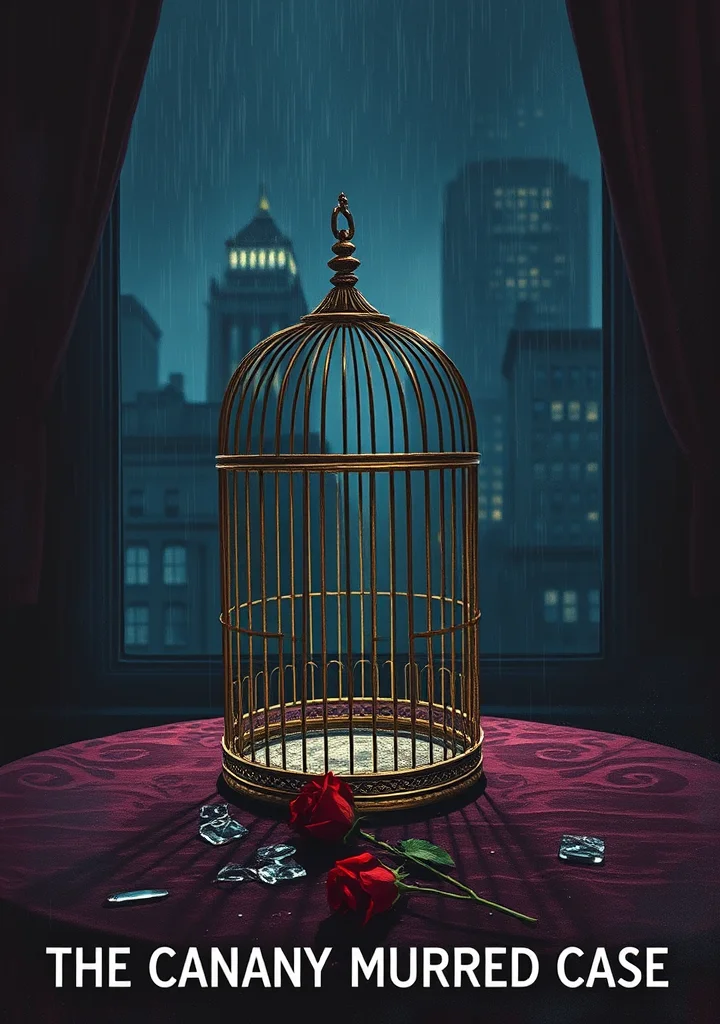
The fog clings to the cobbled streets of New York, mirroring the anxieties that tighten around the throat of the city’s elite. A vanished heiress, Evadne Forrester, leaves behind a legacy of whispers – shadowed inheritances, a stifled engagement, and a chillingly precise trail of clues deliberately left for her twin brother. But the house itself, a mausoleum of darkened parlors and looming portraits, feels less a residence and more a vessel for secrets. Each polished surface reflects a distorted truth, while the servants, steeped in generations of silent observation, harbor a complicity that chills the bone. The investigation unravels not through deduction, but through a creeping sense of dread. Every locked room breathes with the weight of unsaid things, and the very architecture seems to conspire against discovery. A suffocating sense of predetermination permeates the narrative, as if the disappearance was not a crime committed *in* the house, but *by* the house itself. The scent of lilies and decay clings to every page, a reminder that beauty and corruption are inextricably intertwined within the Forrester estate. The truth, when it finally surfaces, is less a revelation and more a splinter of ice lodged in the heart – a haunting echo of a life consumed by ambition, jealousy, and the suffocating elegance of a gilded cage.
Copyright: Public Domain
This license allows anyone to use your story for any purpose, including printing, selling, or adapting it into a film freely.
Recommended for you
32 Part
The salt-laced air hangs thick with the scent of decay, mirroring the crumbling timbers of the Nova Scotian fishing village where the tale unfolds. A chilling draught whispers through the narrative, born not of wind, but of the encroaching madness that clings to the manuscript’s pages. It’s a story pulled from the brine-soaked depths of memory, a fragmented confession unearthed within a sealed copper cylinder—a vessel seemingly designed to contain, not preserve, the horror within. The prose itself is feverish, a descent into delirium as the unnamed narrator recounts his journey aboard the *Aurora*, a vessel swallowed by the Arctic’s icy grip. Sunken hulls, phantom ships, and the spectral echoes of a doomed crew bleed into the present, blurring the lines between waking nightmare and frozen reality. A creeping dread permeates every passage, not from monstrous beasts or supernatural horrors, but from the insidious erosion of sanity, the slow unraveling of a man confronted by an impossible truth. The cylinder’s weight, the copper’s cold embrace—these become tangible elements of the narrative’s claustrophobia. The reader is submerged alongside the narrator, adrift on a sea of escalating terror, trapped within a narrative that threatens to consume all reason. It's a story less about what happened, and more about the fracturing of the mind *during* what happened—a descent into the black, echoing void where the Aurora vanished, and something monstrous returned with the thaw. The manuscript doesn’t offer answers, only the chilling certainty that some horrors are best left entombed in the ice, and within the corroded metal of a forgotten cylinder.
40 Part
A creeping dread permeates the provincial air of this forgotten corner of Russia. The narrative clings to the suffocating heat of summer, to the stifling interiors of decaying estates, and the feverish imaginings of a boy named Mitya. He is not merely mischievous, but possessed—a vessel for something ancient and malevolent that stirs within the stagnant pools of his family’s decline. The story unfolds through the distorted lens of a local schoolmaster, obsessed with cataloging Mitya’s every transgression, every whispered blasphemy. But it is not Mitya's actions that haunt, but the suffocating weight of his inevitability. The boy’s ‘demonism’ isn't a mere childish outburst; it's a rot blooming from the heart of the land itself. Each chapter descends further into a mire of suspicion, where the boundary between reality and hallucination dissolves in the oppressive humidity. Whispers of pagan rites, the stench of decaying flowers, and the echoing silences of abandoned churches weave a tapestry of decay. The true horror isn't the boy’s monstrous acts, but the realization that the rot is not contained within him—it’s woven into the very fabric of their lives, a slow, insidious possession of the soul. The narrative is suffocated by the scent of dust, the weight of unsaid things, and the suffocating knowledge that something terrible has been unleashed, not upon the world, but *within* it. The atmosphere is one of unbearable, creeping stagnation—a world where even sunlight feels like a suffocating weight.