
Piccadilly Jim
  • 187
  • 0
  • 27
  • Reads 187
  • 0
  • Part 27
Completed, First published Mar 02, 2026

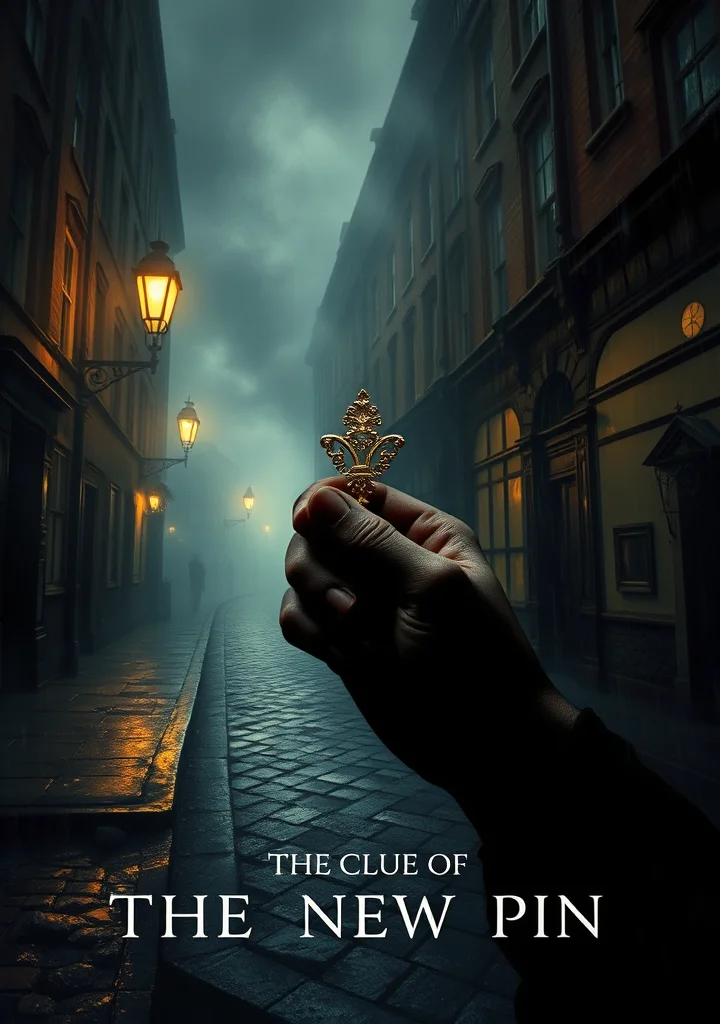
A fog clings to the London streets, thick as regret, mirroring the haze of confusion surrounding the fortunes of Piccadilly Jim, a man adrift in a sea of inherited wealth and inconvenient affections. The narrative unfolds not with grand horror, but with a creeping unease born of societal constraint and the stifling weight of expectation. A stolen necklace, a misplaced identity, and a love triangle woven with the threads of social climbing – these are not elements of terror, but of a slow, elegant suffocation. The manor houses of the countryside breathe with a chilly formality, each drawing room a gilded cage. The air is thick with the scent of beeswax polish and unspoken desires, where fortunes are bartered and hearts are traded as casually as a hand of cards. A creeping sense of dread isn’t found in monstrous figures, but in the precise, calculated maneuvers of a society where a single misstep can unravel an entire life. The shadows lengthen with each deception, the laughter of the privileged masking a brittle desperation. The very architecture seems to conspire to trap its inhabitants in a cycle of polite despair, a world where the most sinister act is the perfect, devastatingly polite betrayal.
Copyright: Public Domain
This license allows anyone to use your story for any purpose, including printing, selling, or adapting it into a film freely.
Recommended for you
32 Part
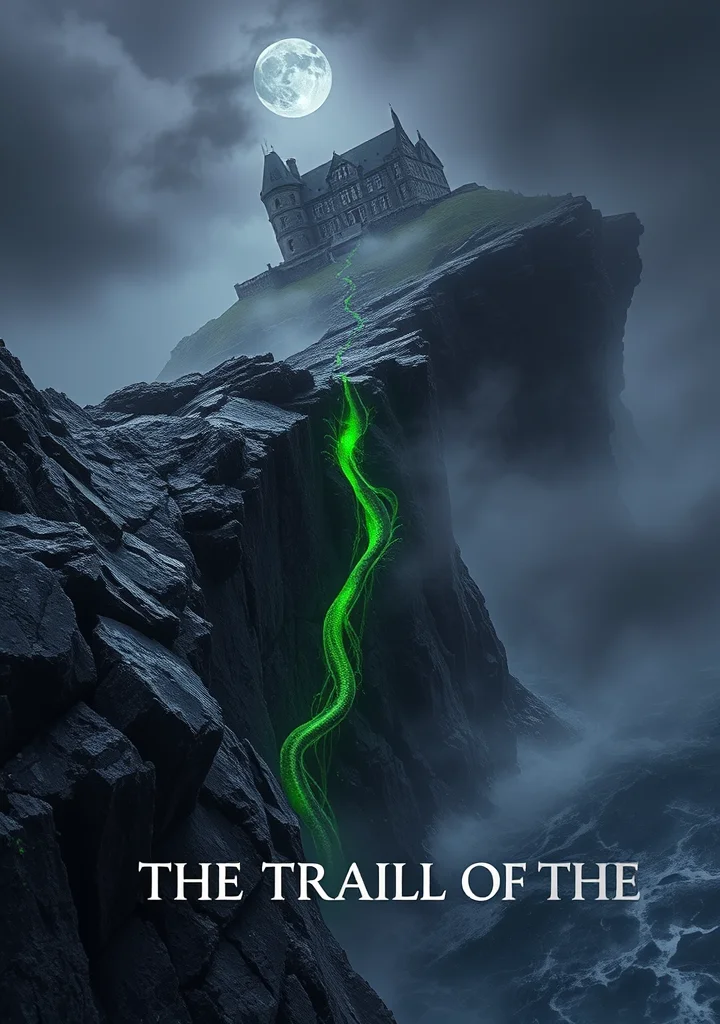
A perpetual twilight clings to the shadowed corners of New Moon, a desolate, windswept inheritance haunted by whispers of misfortune. The orphaned Emily Byrd, a creature of wild imagination and fiery spirit, arrives to claim her legacy—a decaying ancestral home steeped in the lore of a cursed lineage. But the house breathes with a sorrow that seeps into Emily's very soul, mirroring the spectral grief of her mother, a phantom presence woven into the very fabric of the moors. The narrative unfolds as a slow, melancholic descent into a world where dreams and realities blur, where the scent of heather and brine mingles with the bitterness of forgotten promises. Each chamber of New Moon holds a fragment of the past—a tarnished mirror reflecting a forgotten face, a faded portrait hinting at a tragic fate, a diary bound in leather stained with tears. Emily’s burgeoning poetic gifts become a conduit to the unseen, drawing her closer to the secrets buried within the family’s history. She is watched over by the silent, watchful eyes of the old servants, their faces etched with the weight of generations past. But the beauty of the landscape is deceptive, for the moor itself seems to possess a hungry darkness, a longing to reclaim what was lost. As Emily’s heart blossoms with both love and loss, she finds herself entangled in a web of family secrets, shadowed by the looming possibility that she too is destined to be consumed by the curse of New Moon. The novel is a slow burn, a haunting exploration of loneliness, resilience, and the enduring power of memory—a place where the boundary between life and death feels fragile as a moonbeam on a stormy sea.
38 Part
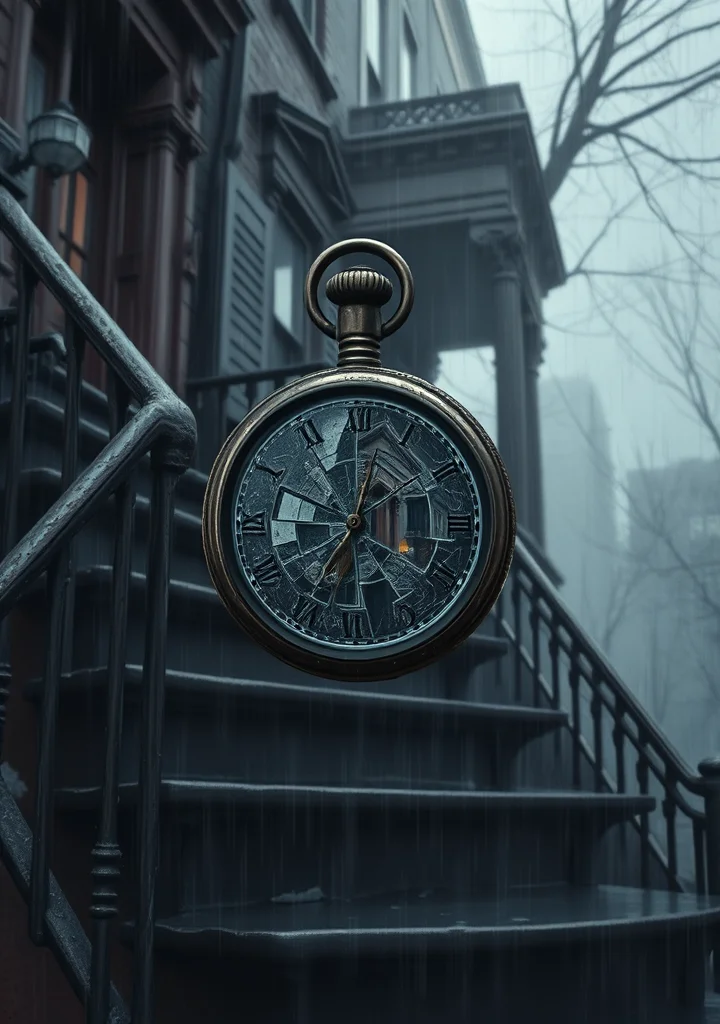
A suffocating fog clings to the opulent, yet decaying, mansions of post-war New York, mirroring the secrets festering within the Greene family. Within the suffocatingly ornate parlor, a labyrinth of shadowed furniture and dust-motes dancing in weak lamplight, lies the cold, rigid form of the millionaire, Simon Greene. The air itself tastes of old money, bitter regret, and the metallic tang of recent violence. Every polished surface reflects a fractured glimpse of the household—a brittle matriarch draped in mourning silks, a volatile son haunted by gambling debts, a niece with eyes like chipped emeralds, and a devoted secretary who whispers too softly to be believed. The investigation unravels not as a hunt for a killer, but as an excavation of a family’s rot. Each room breathes with suppressed resentments, each object—a misplaced letter, a chipped porcelain doll, a forgotten scent—becomes a morbid clue in a danse macabre of deceit. The narrative clings to the shadows like a creeping vine, thickening with the weight of unspoken accusations and the suffocating pressure of societal expectations. A relentless, almost clinical unraveling of alibis occurs, but the true horror isn't the method of murder, but the chilling realization that every member of this gilded cage possessed both motive and opportunity, their lives woven into a tapestry of suffocating desperation. The Greene house itself is a silent witness, its very architecture seeming to conspire to keep its secrets buried beneath layers of privilege and decay.


15 Part
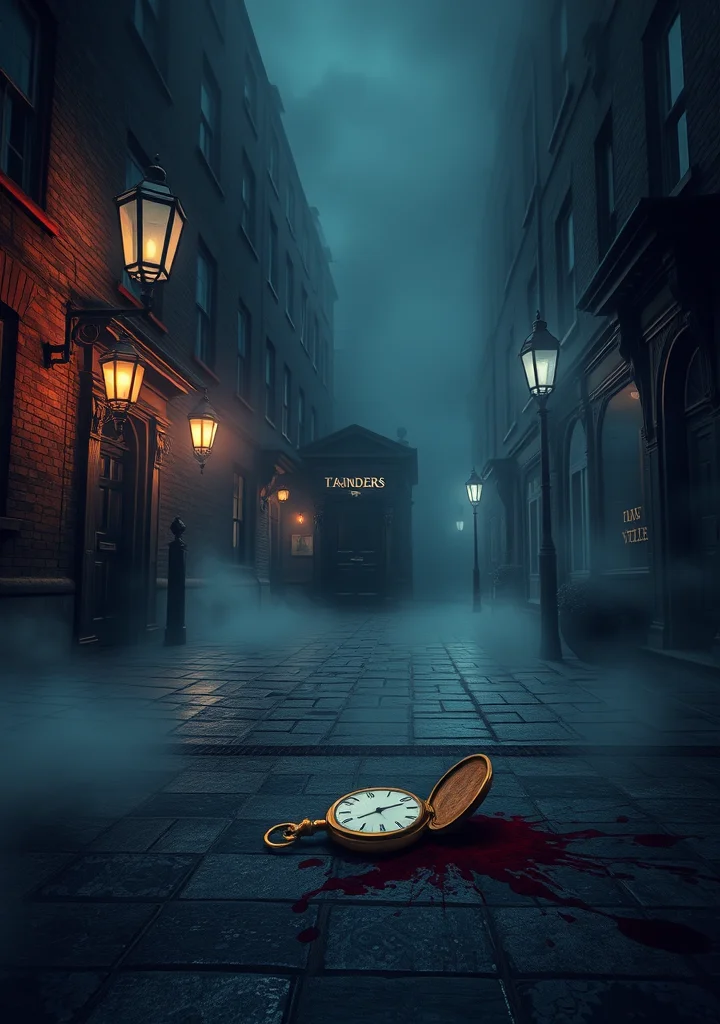
Dust motes dance in the perpetual twilight of a London nursery, where a carpet woven with ancient symbols stirs to life. Not with thread and dye, but with the embers of forgotten djinn, bound to obey a boy’s whim. A phoenix, magnificent and terrible, unfolds from its crimson threads, a creature of scorching desire and ash-grey regret. The house itself seems to breathe with the bird’s fiery heart, shadows lengthening into monstrous shapes as the carpet’s magic pulls at the seams of reality. The scent of cinnamon and burning feathers clings to the air, thick with whispers of a past where wishes are bought with stolen sunsets. Each flight of the phoenix, each murmured command, unravels another layer of the nursery’s gilded cage, revealing a world both exhilarating and deeply, unnervingly lonely. The very floorboards groan beneath the weight of impossible journeys, echoing with the laughter of children lost in the labyrinth of their own making. A creeping dread settles amongst the velvet curtains and porcelain dolls, a premonition that the power granted is not freely given. The carpet doesn't merely transport; it *remembers*. It holds the echoes of every longing, every secret, every shadowed bargain struck within its weave. And as the phoenix circles higher, the nursery – and the lives bound within it – begin to unravel, consumed by a hunger that stretches beyond the reach of childish dreams. The air itself tastes of smoke and forgotten promises.