
The Casebook of Sherlock Holmes
  • 137
  • 0
  • 15
  • Reads 137
  • 0
  • Part 15
Completed, First published Mar 02, 2026

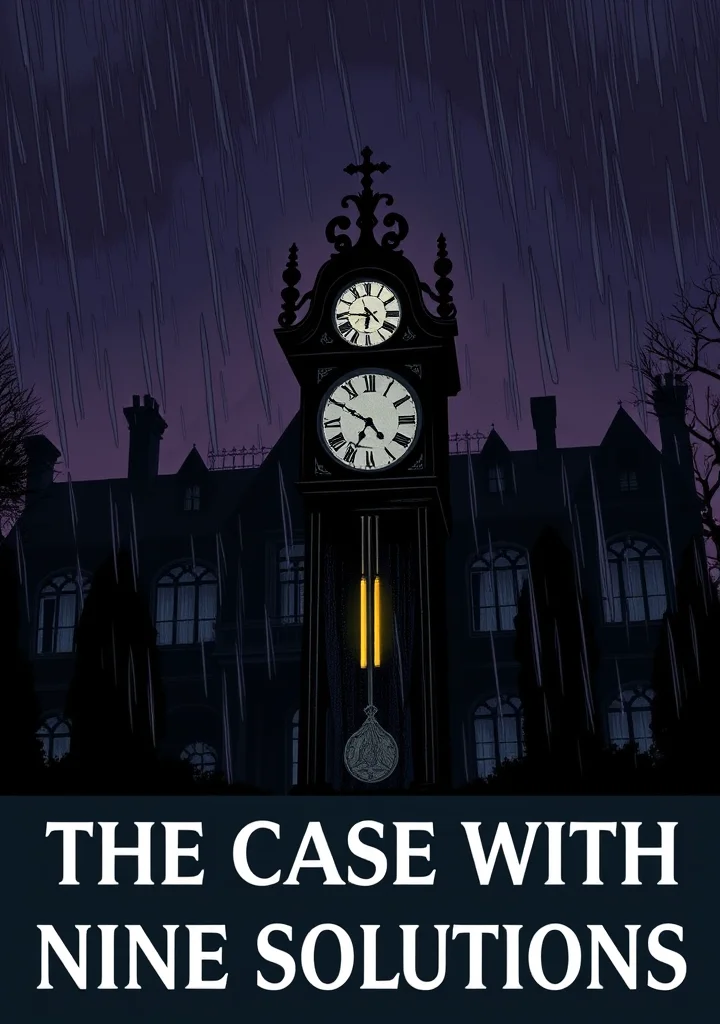
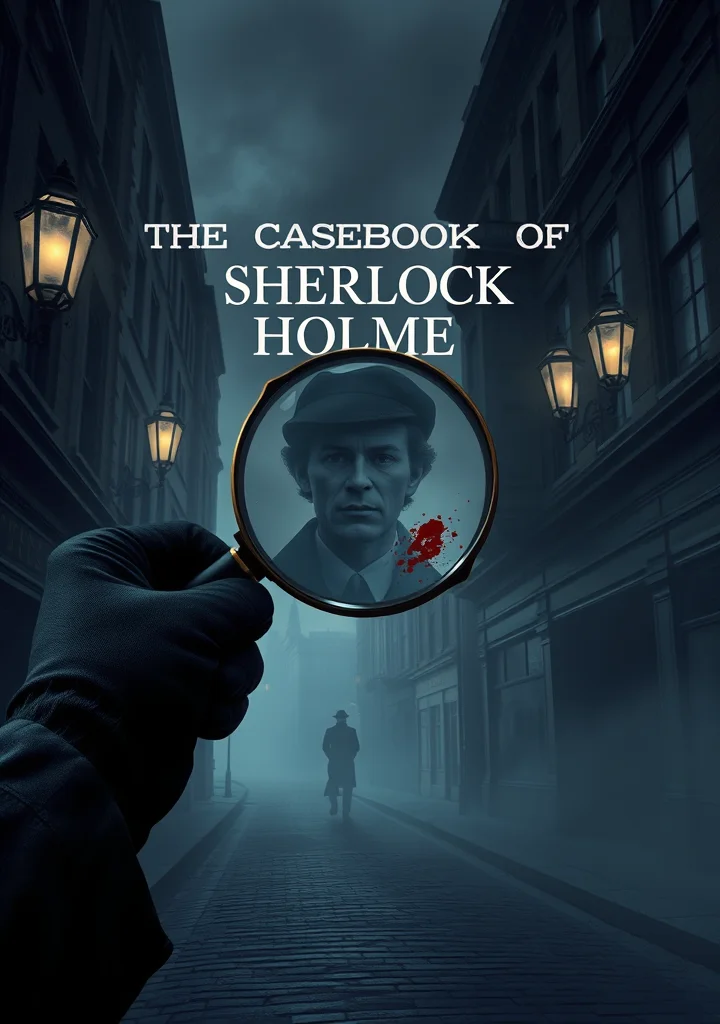
A perpetual London fog clings to these pages, thick with coal smoke and the chill of unanswered questions. Within, shadows lengthen and distort, mirroring the fractured minds of those who seek the detective’s aid. Each case unfolds not as a puzzle to be solved, but as a creeping dread revealed in gaslit alleys and opulent, decaying mansions. The scent of damp earth and regret permeates every room, from the stifled screams echoing in empty manor houses to the silent, calculating gaze of a murderer lurking in the theatrical darkness. A suffocating weight of Victorian morality, fractured by desperate acts and hidden deprivities, presses down on the reader. The narratives are less about deduction and more about the unraveling of souls, the creeping corruption beneath the veneer of respectability. A cold, clinical dissection of despair, where the logic of Holmes only serves to illuminate the monstrous shapes lurking within the human heart. The very air seems to hold its breath, awaiting the inevitable descent into darkness with each turn of the page.
Copyright: Public Domain
This license allows anyone to use your story for any purpose, including printing, selling, or adapting it into a film freely.
Recommended for you
21 Part
A suffocating heat clings to the docks of colonial Saigon, thick with the scent of jasmine and decay. The narrative unravels not with grand adventure, but with the stifled desperation of a man purchased – a phantom commodity traded between shadowy brokers. He’s known only as the Passenger, his origins a deliberate erasure etched in the ledger as ‘Ticket No. 9672.’ The air itself feels haunted by the weight of forgotten currencies, of lives quantified and sold. Each chapter is a peeling layer of circumstance, revealing a man consumed by a creeping, nameless dread. He exists in the humid confines of a crumbling mansion, a gilded cage furnished with the whispers of opium dens and the mournful cries of caged birds. His captors are less concerned with his loyalty than his silence—a silence he struggles to maintain as fragments of a former life bleed into the present. The story doesn't soar with rockets to the moon, but spirals downward into the claustrophobic labyrinth of a mind unraveling. The descriptions are saturated with the oppressive weight of velvet drapes, the glint of tarnished silver, and the sickly sweet aroma of rotting fruit. It’s a story of imprisonment not by bars, but by the insidious erosion of memory, the slow suffocation of identity within a system designed to erase every trace of self. The final pages hint at a reckoning not of escape, but of acceptance, as the Passenger discovers he's not merely owned—but *constructed* by the very forces he seeks to defy.
48 Part
Dust clings to the sun-bleached plains, mirroring the grit that coats the heart of young Stella Farraday. This is a story not of grand romance, but of a slow, creeping suffocation within a landscape that promises freedom yet delivers only the stifling weight of expectation. The Australian bush, rendered not as a vibrant Eden, but as a vast, indifferent witness to a woman’s ambition. Every sun-cracked homestead, every whispered rumour carries the scent of decay – not of flesh, but of potential, of dreams left to wither under the relentless gaze of a society that deems brilliance a dangerous bloom in the female soil. A loneliness permeates the narrative, a chill that settles not in the weather, but in the silences between polite conversations, in the measured glances of men who see only duty fulfilled. Stella’s defiance isn’t a fiery rebellion, but a quiet erosion of the self, a chipping away at the stone of convention until only the raw, exposed nerve of her intellect remains. The brilliance itself feels less like a beacon and more like a fever – a consuming heat that isolates her within a gilded cage of her own making. The narrative unfolds like a slow burn, the embers of her passion fanned by the harsh winds of practicality. There's a sense of being watched, not by malicious intent, but by the unforgiving judgement of a world that can’t comprehend a woman daring to choose herself over the prescribed roles. It’s a ghost story of a life unlived, haunting the reader with the question of what blooms in the darkness when a brilliant mind is denied the sun.
51 Part
A creeping dread clings to the shadowed halls of Lilith, a tale spun from the decaying threads of Victorian piety and the suffocating bloom of pre-Raphaelite melancholy. MacDonald doesn’t offer simple ghosts, but a haunting inheritance of sorrow woven into the very stones of a crumbling manor. The air is thick with the scent of damp earth and forgotten prayers, as a young woman, awakened from a feverish sleep, finds herself bound to a legacy of spectral griefs. Her world is one of languid decay, where portraits weep with unseen tears and the weight of ancestral despair presses down like velvet shrouds. The house itself breathes – a living organism of sorrow, its chambers echoing with the whispers of those long vanished. A strange, ethereal presence, both alluring and terrifying, claims dominion over the estate, weaving a web of influence that ensnares the heroine in a dance with shadows. The narrative unfolds not with the clang of gothic horror, but with the slow drip of melancholia, the rustle of unseen silk, and the chilling realization that the boundaries between dream and reality, life and death, are porous and fragile. It is a story of inheritance not of wealth, but of affliction, a descent into the labyrinthine depths of a soul haunted by a past it can scarcely comprehend, yet is irrevocably bound to endure. A subtle poison of unease permeates every page, promising not a violent climax, but a quiet, insidious unraveling of the self within the suffocating embrace of Lilith’s spectral dominion.
113 Part
Dust motes dance in the perpetual twilight of Gandersheim Abbey, where the echoes of chanted prayers cling to stone walls thick with centuries of silence. Within its shadowed scriptorium, a young novice, shadowed by visions and whispers, begins to transcribe the plays—not for performance, but for penance. Each line penned, each character sketched, bleeds into the fabric of her waking nightmares, mirroring the fractured history of the convent itself. The dramas are not tales of saints and salvation, but fractured accounts of forgotten queens, possessed by ambition and regret, their stories woven with the scent of damp earth and the taste of iron. The plays are not merely written, they *are* summoned—drawn from the decaying memories of the women who preceded her, each performance a spectral re-enactment within the novice’s mind. A creeping dread descends as she discovers the plays aren’t merely records of past performances, but keys to unlocking something far older, something tethered to the very foundations of the abbey. The lines blur between script and reality, between the living and the dead, until the novice finds herself not writing the plays, but *becoming* them, consumed by the echoing cries of queens dethroned and gods betrayed. The abbey itself breathes with a cold hunger, a silent audience to the unfolding horror as the novice’s hand trembles with the weight of forgotten sins and the chilling truth that the plays are not a lament for the past, but a prophecy of what is to come.