
-
Read 1.3K
-
0
-
Part 112
Completed, First published Mar 02, 2026
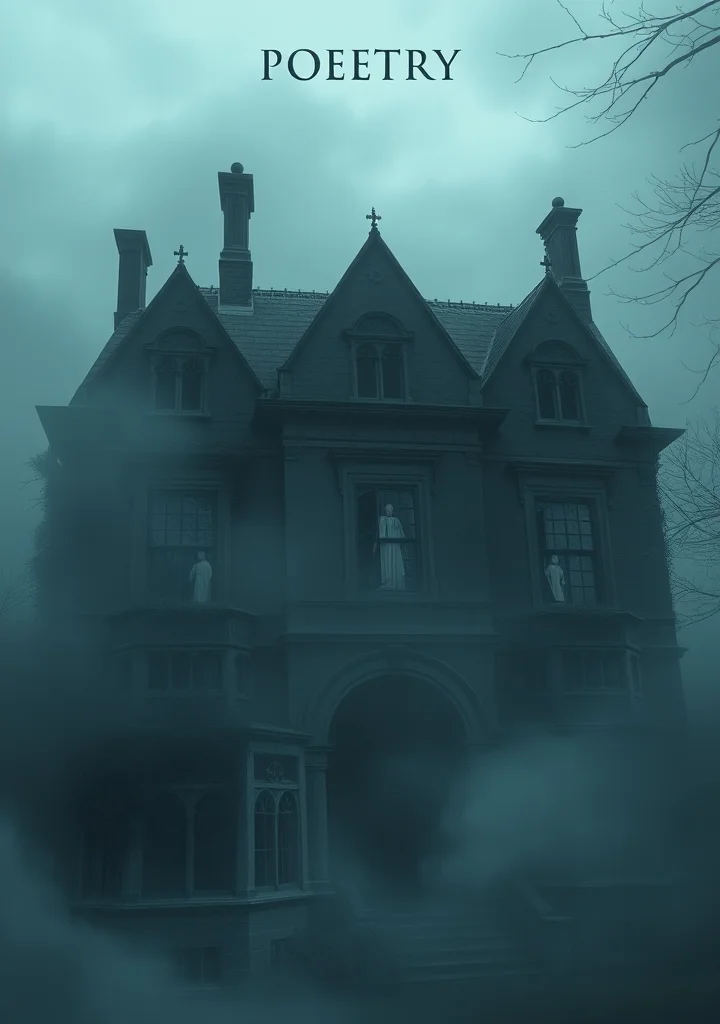
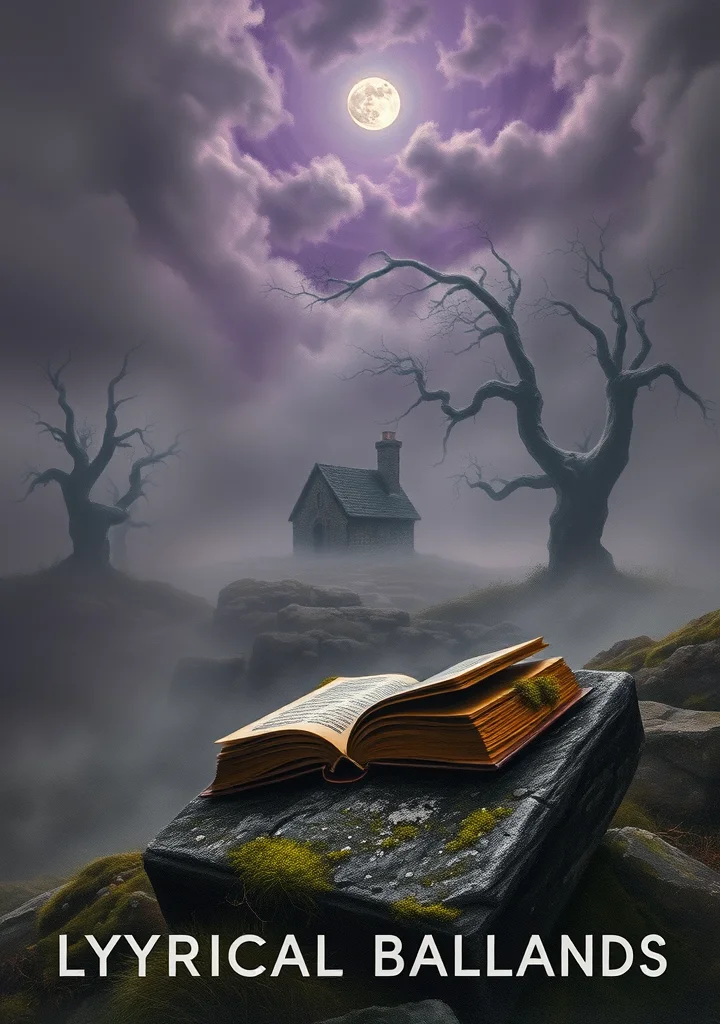
A creeping mist clings to the moorland paths, mirroring the melancholic drift of memory within these pages. Wordsworth’s ballads are not tales of grand horror, but of a subtler dread—the chill of isolation, the weight of forgotten things, and the lingering specter of loss woven into the very fabric of the landscape. Each verse exhales the damp earth smell of graveyards and the hollow echo of ruined cottages. The old beggar’s tale, the wandering minstrel’s lament—they resonate with a loneliness that seeps into the reader’s bones. Shadows lengthen with each story, blurring the line between the living world and the spectral realm. A pervasive stillness hangs over the poems, broken only by the rustling of wind through skeletal trees and the distant cries of unseen creatures. These are not stories to be shouted, but whispered in the gloom, where the boundaries of reality dissolve into the haunted spaces within the heart. A darkness not of monsters, but of the slow, relentless decay of hope itself. The ballads breathe with the scent of rain-soaked wool and the dust of forgotten generations, beckoning one to wander lost among the crumbling stones of a past that refuses to stay buried.
Copyright: Public Domain
This license allows anyone to use your story for any purpose, including printing, selling, or adapting it into a film freely.
This license allows anyone to use your story for any purpose, including printing, selling, or adapting it into a film freely.
Chapter List
-
« Lyrical Ballads »📖 Continue Reading
-
« Preface »
-
« Chapter_4 »
-
« Lyrical Ballads »
-
« VolumeI »
-
« Expostulation and Reply »
-
« The Tables Turned »
-
« Animal Tranquillity and Decay »
-
« Goody Blake and Harry Gill »
-
« The Last of the Flock »
-
« Lines Left Upon a Seat in a Yew-Tree, Which Stands Near the Lake of Estwaithe, on a Desolate Part of the Shore, Yet Commanding a Beautiful Prospect »
-
« The Foster-Mother’s Tale »
-
« The Thorn »
-
« I »
-
« II »
-
« III »
-
« IV »
-
« V »
-
« VI »
-
« VII »
-
« VIII »
-
« IX »
-
« X »
-
« XI »
-
« XII »
-
« XIII »
-
« XIV »
-
« XV »
-
« XVI »
-
« XVII »
-
« XVIII »
-
« XIX »
-
« XX »
-
« XXI »
-
« XXII »
-
« XXIII »
-
« We Are Seven »
-
« Anecdote for Fathers »
-
« Lines Written at a Small Distance from My House, and Sent by My Little Boy to the Person to Whom They Are Addressed »
-
« The Female Vagrant »
-
« Lines Written in Early Spring »
-
« Simon Lee, the Old Huntsman »
-
« The Nightingale »
-
« The Idiot Boy »
-
« Love »
-
« The Mad Mother »
-
« The Ancient Mariner »
-
« I »
-
« II »
-
« III »
-
« IV »
-
« V »
-
« VI »
-
« VII »
-
« Lines Written a Few Miles Above Tintern Abbey, on Revisiting the Banks of the Wye During a Tour »
-
« VolumeII »
-
« PartSecond »
-
« Chapter_59 »
-
« PartSecond »
-
« There Was a Boy »
-
« The Brothers »
-
« Ellen Irwin »
-
« Strange Fits of Passion I Have Known »
-
« She Dwelt Among th’ Untrodden Ways »
-
« The Waterfall and the Eglantine »
-
« The Oak and the Broom »
-
« Chapter_68 »
-
« Lucy Gray »
-
« ’Tis Said, That Some Have Died for Love »
-
« The Idle Shepherd-Boys »
-
« I »
-
« II »
-
« III »
-
« IV »
-
« V »
-
« VI »
-
« VII »
-
« VIII »
-
« IX »
-
« Poor Susan »
-
« Inscription »
-
« Lines Written with a Pencil Upon a Stone in the Wall of the House (An Out-House) on the Island at Grasmere »
-
« To a Sexton »
-
« Andrew Jones »
-
« Ruth »
-
« Lines Written with a Slate-Pencil, Upon a Stone, the Largest of a Heap Lying Near a Deserted Quarry, Upon One of the Islands at Rydale »
-
« Chapter_88 »
-
« The Two April Mornings »
-
« The Fountain »
-
« Nutting »
-
« Three Years She Grew in Sun and Shower »
-
« The Pet-Lamb »
-
« Chapter_94 »
-
« The Childless Father »
-
« Chapter_96 »
-
« Rural Architecture »
-
« A Poet’s Epitaph »
-
« A Fragment »
-
« Poems on the Naming of Places »
-
« Advertisement »
-
« I »
-
« II »
-
« III »
-
« IV »
-
« V »
-
« Lines Written When Sailing in a Boat at Evening »
-
« Remembrance of Collins »
-
« The Two Thieves »
-
« A Whirl-Blast from Behind the Hill »
-
« Song for the Wandering Jew »
-
« Michael »
-
« Appendix »
112
-
« Lyrical Ballads »
-
« Preface »
-
« Chapter_4 »
-
« Lyrical Ballads »
-
« VolumeI »
-
« Expostulation and Reply »
-
« The Tables Turned »
-
« Animal Tranquillity and Decay »
-
« Goody Blake and Harry Gill »
-
« The Last of the Flock »
-
« Lines Left Upon a Seat in a Yew-Tree, Which Stands Near the Lake of Estwaithe, on a Desolate Part of the Shore, Yet Commanding a Beautiful Prospect »
-
« The Foster-Mother’s Tale »
-
« The Thorn »
-
« I »
-
« II »
-
« III »
-
« IV »
-
« V »
-
« VI »
-
« VII »
-
« VIII »
-
« IX »
-
« X »
-
« XI »
-
« XII »
-
« XIII »
-
« XIV »
-
« XV »
-
« XVI »
-
« XVII »
-
« XVIII »
-
« XIX »
-
« XX »
-
« XXI »
-
« XXII »
-
« XXIII »
-
« We Are Seven »
-
« Anecdote for Fathers »
-
« Lines Written at a Small Distance from My House, and Sent by My Little Boy to the Person to Whom They Are Addressed »
-
« The Female Vagrant »
-
« Lines Written in Early Spring »
-
« Simon Lee, the Old Huntsman »
-
« The Nightingale »
-
« The Idiot Boy »
-
« Love »
-
« The Mad Mother »
-
« The Ancient Mariner »
-
« I »
-
« II »
-
« III »
-
« IV »
-
« V »
-
« VI »
-
« VII »
-
« Lines Written a Few Miles Above Tintern Abbey, on Revisiting the Banks of the Wye During a Tour »
-
« VolumeII »
-
« PartSecond »
-
« Chapter_59 »
-
« PartSecond »
-
« There Was a Boy »
-
« The Brothers »
-
« Ellen Irwin »
-
« Strange Fits of Passion I Have Known »
-
« She Dwelt Among th’ Untrodden Ways »
-
« The Waterfall and the Eglantine »
-
« The Oak and the Broom »
-
« Chapter_68 »
-
« Lucy Gray »
-
« ’Tis Said, That Some Have Died for Love »
-
« The Idle Shepherd-Boys »
-
« I »
-
« II »
-
« III »
-
« IV »
-
« V »
-
« VI »
-
« VII »
-
« VIII »
-
« IX »
-
« Poor Susan »
-
« Inscription »
-
« Lines Written with a Pencil Upon a Stone in the Wall of the House (An Out-House) on the Island at Grasmere »
-
« To a Sexton »
-
« Andrew Jones »
-
« Ruth »
-
« Lines Written with a Slate-Pencil, Upon a Stone, the Largest of a Heap Lying Near a Deserted Quarry, Upon One of the Islands at Rydale »
-
« Chapter_88 »
-
« The Two April Mornings »
-
« The Fountain »
-
« Nutting »
-
« Three Years She Grew in Sun and Shower »
-
« The Pet-Lamb »
-
« Chapter_94 »
-
« The Childless Father »
-
« Chapter_96 »
-
« Rural Architecture »
-
« A Poet’s Epitaph »
-
« A Fragment »
-
« Poems on the Naming of Places »
-
« Advertisement »
-
« I »
-
« II »
-
« III »
-
« IV »
-
« V »
-
« Lines Written When Sailing in a Boat at Evening »
-
« Remembrance of Collins »
-
« The Two Thieves »
-
« A Whirl-Blast from Behind the Hill »
-
« Song for the Wandering Jew »
-
« Michael »
-
« Appendix »
More like this