
-
Read 892
-
0
-
Part 45
Completed, First published Mar 02, 2026
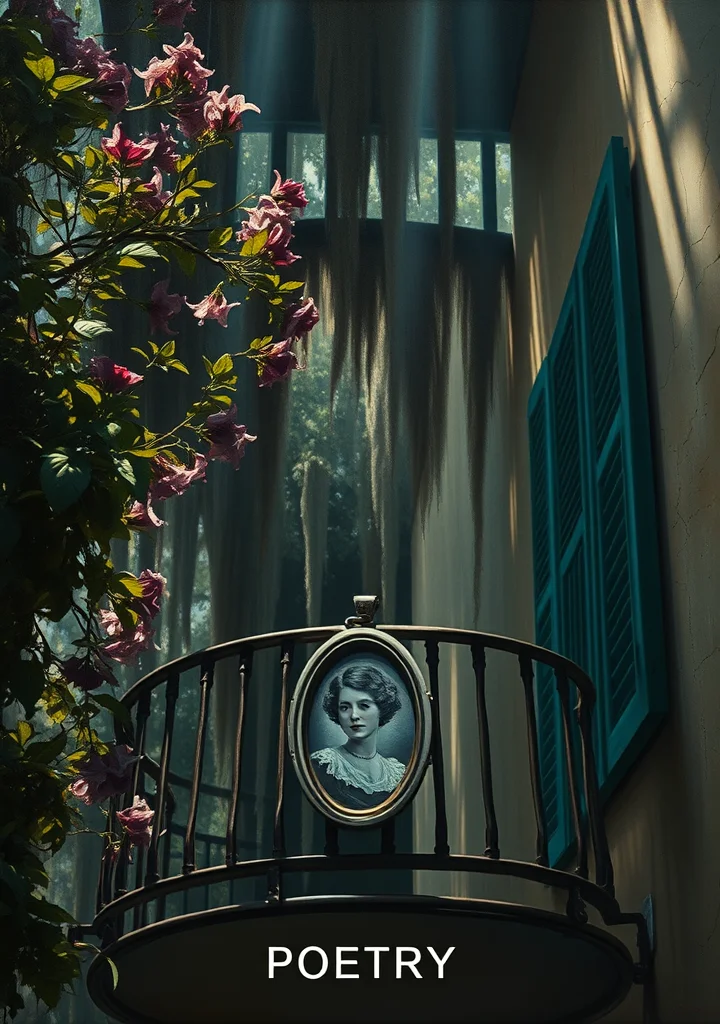
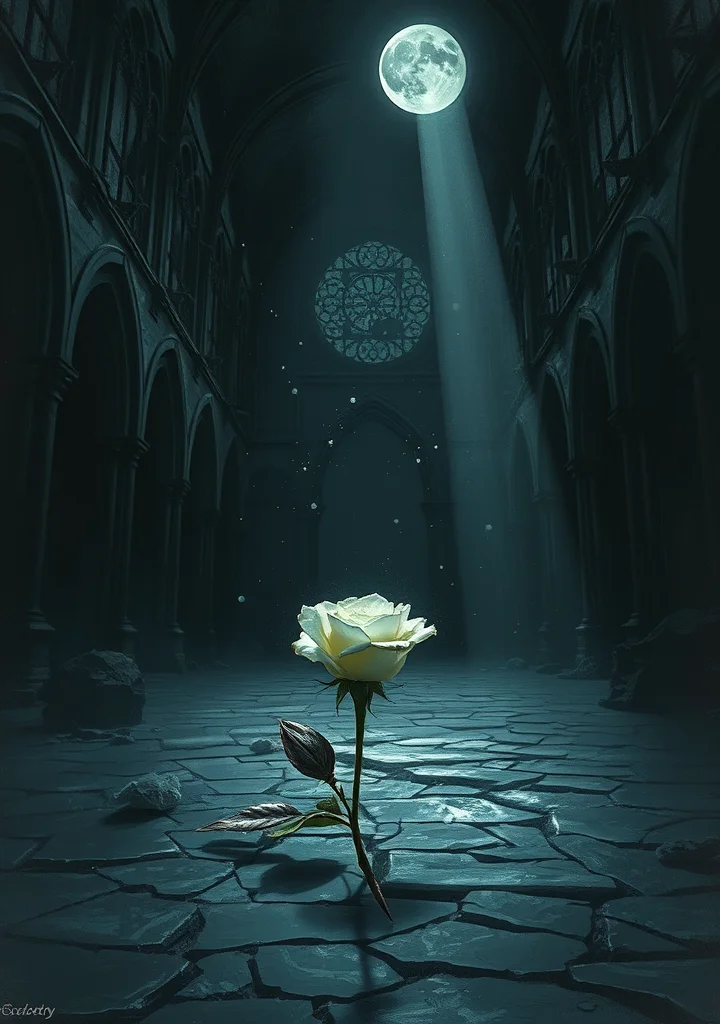
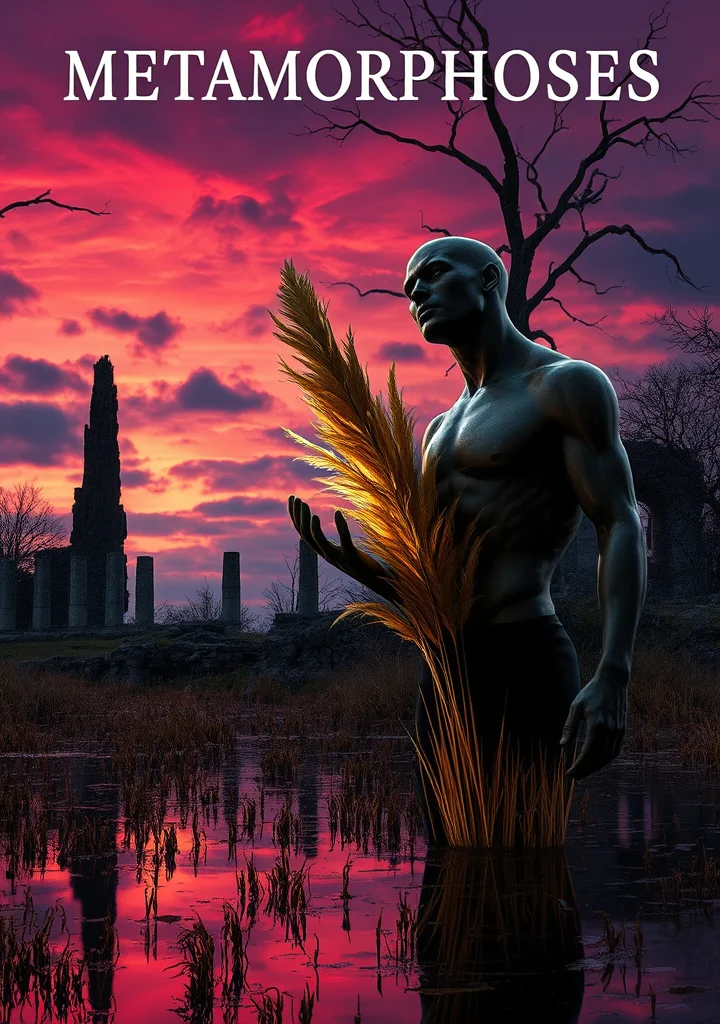
A shadowed manor of the heart, where grief blooms like a poisonous rose. These sonnets are not declarations of love, but missives from a woman already half-consumed by sorrow, her affections a fragile offering to a man who may or may not return her devotion. Each verse is a whispered confession within echoing chambers, the scent of decay clinging to the velvet curtains. A melancholic fog descends with every line, obscuring the edges of desire and resignation. The narrative unfolds not as a courtship, but as a slow, deliberate unraveling—a descent into a beautiful, haunted stillness. Shadows stretch from the windows of the soul, lengthening with each plea for remembrance. It is a love story told in the language of ghosts, a delicate architecture of yearning built upon the ruins of a life already marked by loss. The air within these pages is thick with unspoken longing, and the weight of unanswered prayers. A muted, spectral romance where the very act of writing becomes a form of spectral communion, reaching out across the gulf of absence to a phantom lover.
Copyright: Public Domain
This license allows anyone to use your story for any purpose, including printing, selling, or adapting it into a film freely.
This license allows anyone to use your story for any purpose, including printing, selling, or adapting it into a film freely.
Chapter List
-
« Sonnets from the Portuguese »📖 Continue Reading
-
« I »
-
« II »
-
« III »
-
« IV »
-
« V »
-
« VI »
-
« VII »
-
« VIII »
-
« IX »
-
« X »
-
« XI »
-
« XII »
-
« XIII »
-
« XIV »
-
« XV »
-
« XVI »
-
« XVII »
-
« XVIII »
-
« XIX »
-
« XX »
-
« XXI »
-
« XXII »
-
« XXIII »
-
« XXIV »
-
« XXV »
-
« XXVI »
-
« XXVII »
-
« XXVIII »
-
« XXIX »
-
« XXX »
-
« XXXI »
-
« XXXII »
-
« XXXIII »
-
« XXXIV »
-
« XXXV »
-
« XXXVI »
-
« XXXVII »
-
« XXXVIII »
-
« XXXIX »
-
« XL »
-
« XLI »
-
« XLII »
-
« XLIII »
-
« XLIV »
45
-
« Sonnets from the Portuguese »
-
« I »
-
« II »
-
« III »
-
« IV »
-
« V »
-
« VI »
-
« VII »
-
« VIII »
-
« IX »
-
« X »
-
« XI »
-
« XII »
-
« XIII »
-
« XIV »
-
« XV »
-
« XVI »
-
« XVII »
-
« XVIII »
-
« XIX »
-
« XX »
-
« XXI »
-
« XXII »
-
« XXIII »
-
« XXIV »
-
« XXV »
-
« XXVI »
-
« XXVII »
-
« XXVIII »
-
« XXIX »
-
« XXX »
-
« XXXI »
-
« XXXII »
-
« XXXIII »
-
« XXXIV »
-
« XXXV »
-
« XXXVI »
-
« XXXVII »
-
« XXXVIII »
-
« XXXIX »
-
« XL »
-
« XLI »
-
« XLII »
-
« XLIII »
-
« XLIV »
More like this