
-
Read 1.6K
-
0
-
Part 168
Completed, First published Mar 02, 2026
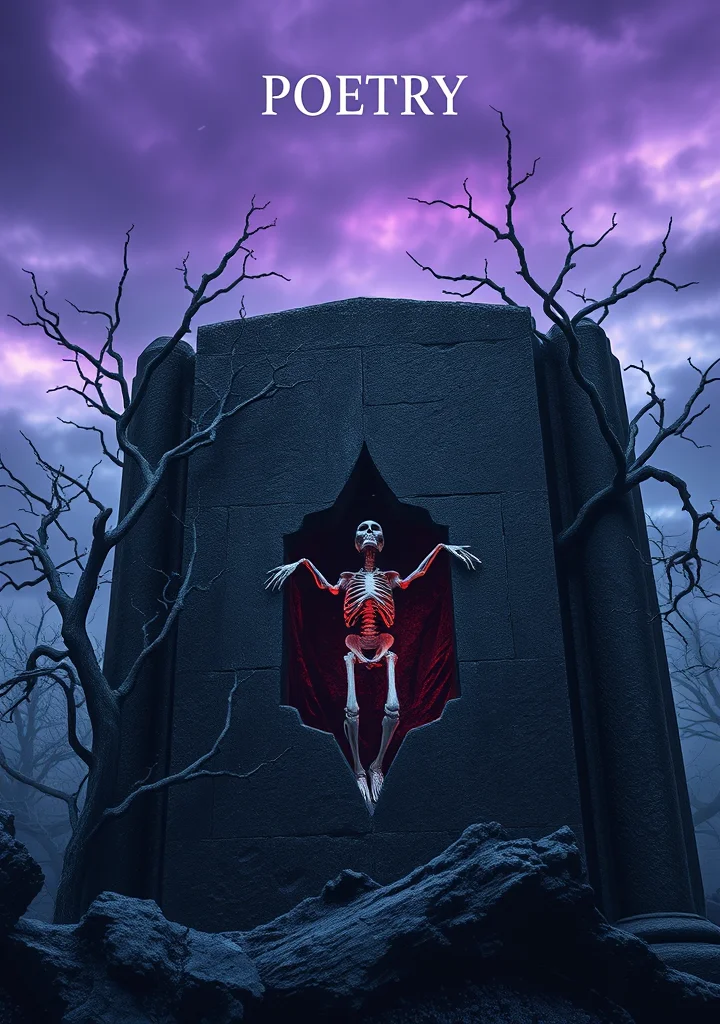
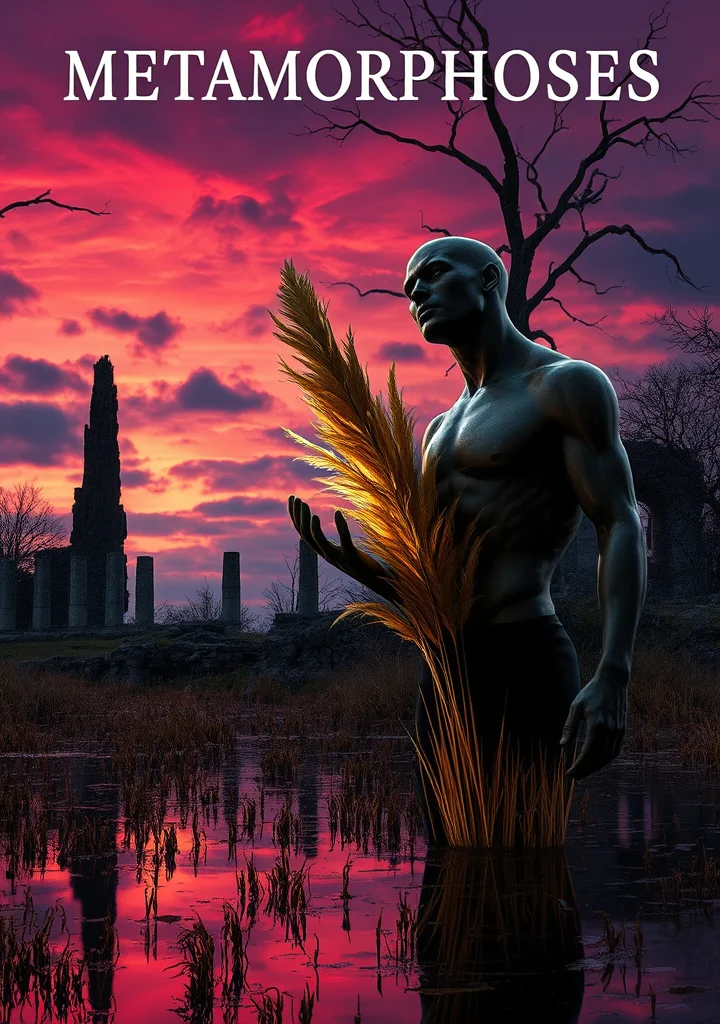
A stillness clings to these pages, not of peace, but of dust motes dancing in perpetual twilight. Each verse is a chipped shard of memory, reflecting a fractured city bathed in industrial grey. The poems themselves aren't stories, but echoes – the hollow clang of a forgotten trolley, the scent of bruised plums rotting in a brown bag, the skeletal architecture of fire escapes reaching for a sky perpetually obscured by soot. They are fragments of lives lived in the shadow of brick and steel, observed through a rain-streaked pane. A peculiar loneliness permeates the collection, not of isolation, but of being *seen* too much, the mundane rendered grotesque, the beautiful rendered brittle. The language itself is pared down, almost skeletal, as if stripped bare by the cold winds blowing through alleyways. It is a world where even a single red wheelbarrow, gleaming in the rain, feels like a relic unearthed from a forgotten catacomb, a morbid curiosity in a landscape of decay. The silences between the lines are as vast and echoing as the abandoned factories that loom in the background, hinting at a deeper, unseen rot. This is poetry born of concrete and rust, a melancholic hymn to the things we leave behind.
Copyright: Public Domain
This license allows anyone to use your story for any purpose, including printing, selling, or adapting it into a film freely.
This license allows anyone to use your story for any purpose, including printing, selling, or adapting it into a film freely.
Chapter List
-
« Poetry »📖 Continue Reading
-
« Peace on Earth »
-
« Postlude »
-
« First Praise »
-
« Homage »
-
« The Fool’s Song »
-
« From “The Birth of Venus,” Song »
-
« Immortal »
-
« Mezzo Forte »
-
« An After Song »
-
« Crude Lament »
-
« The Ordeal »
-
« The Death of Franco of Cologne: His Prophecy of Beethoven »
-
« Portent »
-
« Con Brio »
-
« Ad Infinitum »
-
« Translations from the Spanish, “El Romancero” »
-
« I »
-
« II »
-
« III »
-
« IV »
-
« Hic Jacet »
-
« Contemporania »
-
« To Wish Myself Courage »
-
« Sub Terra »
-
« Pastoral »
-
« Chickory and Daisies »
-
« I »
-
« II »
-
« Metric Figure »
-
« Woman Walking »
-
« Gulls »
-
« Appeal »
-
« In Harbor »
-
« Winter Sunset »
-
« Apology »
-
« Pastoral »
-
« Love Song »
-
« M. B. »
-
« Tract »
-
« Promenade »
-
« I »
-
« II »
-
« III »
-
« El Hombre »
-
« Hero »
-
« Libertad! Igualdad! Fraternidad! »
-
« Canthara »
-
« Mujer »
-
« Summer Song »
-
« Love Song »
-
« Foreign »
-
« A Prelude »
-
« History »
-
« I »
-
« II »
-
« III »
-
« IV »
-
« V »
-
« Winter Quiet »
-
« Dawn »
-
« Good Night »
-
« Danse Russe »
-
« Portrait of a Woman in Bed »
-
« Virtue »
-
« Chapter_67 »
-
« Portrait of a Young Man with a Bad Heart »
-
« Keller Gegen Dom »
-
« Smell! »
-
« Ballet »
-
« Sympathetic Portrait of a Child »
-
« The Ogre »
-
« Riposte »
-
« The Old Men »
-
« Pastoral »
-
« Spring Strains »
-
« Trees »
-
« A Portrait in Greys »
-
« Invitation »
-
« Divertimiento »
-
« January Morning »
-
« I »
-
« II »
-
« III »
-
« IV »
-
« V »
-
« VI »
-
« VII »
-
« VIII »
-
« IX »
-
« X »
-
« XI »
-
« XII »
-
« XIII »
-
« XIV »
-
« XV »
-
« To a Solitary Disciple »
-
« Dedication for a Plot of Ground »
-
« K. McB. »
-
« Love Song »
-
« The Wanderer »
-
« Advent »
-
« Clarity »
-
« Broadway »
-
« Paterson—The Strike »
-
« Abroad »
-
« Soothsay »
-
« St.James’ Grove »
-
« The Late Singer »
-
« March »
-
« I »
-
« II »
-
« III »
-
« IV »
-
« V »
-
« Berket and the Stars »
-
« A Celebration »
-
« April »
-
« A Goodnight »
-
« Overture to a Dance of Locomotives »
-
« I »
-
« II »
-
« Romance Moderne »
-
« The Desolate Field »
-
« Willow Poem »
-
« Approach of Winter »
-
« January »
-
« Blizzard »
-
« To Waken an Old Lady »
-
« Winter Trees »
-
« Complaint »
-
« The Cold Night »
-
« Spring Storm »
-
« The Delicacies »
-
« Thursday »
-
« The Dark Day »
-
« Time the Hangman »
-
« To a Friend »
-
« The Gentle Man »
-
« The Soughing Wind »
-
« Spring »
-
« Play »
-
« Lines »
-
« The Poor »
-
« Complete Destruction »
-
« Memory of April »
-
« Epitaph »
-
« Daisy »
-
« Primrose »
-
« Queen-Ann’s-Lace »
-
« Great Mullen »
-
« Waiting »
-
« The Hunter »
-
« Arrival »
-
« To a Friend Concerning Several Ladies »
-
« Youth and Beauty »
-
« The Thinker »
-
« The Disputants »
-
« The Tulip Bed »
-
« The Birds »
-
« The Nightingales »
-
« Spouts »
-
« Blueflags »
-
« The Widow’s Lament in Springtime »
-
« Light Hearted William »
-
« Portrait of the Author »
-
« The Lonely Street »
-
« The Great Figure »
168
-
« Poetry »
-
« Peace on Earth »
-
« Postlude »
-
« First Praise »
-
« Homage »
-
« The Fool’s Song »
-
« From “The Birth of Venus,” Song »
-
« Immortal »
-
« Mezzo Forte »
-
« An After Song »
-
« Crude Lament »
-
« The Ordeal »
-
« The Death of Franco of Cologne: His Prophecy of Beethoven »
-
« Portent »
-
« Con Brio »
-
« Ad Infinitum »
-
« Translations from the Spanish, “El Romancero” »
-
« I »
-
« II »
-
« III »
-
« IV »
-
« Hic Jacet »
-
« Contemporania »
-
« To Wish Myself Courage »
-
« Sub Terra »
-
« Pastoral »
-
« Chickory and Daisies »
-
« I »
-
« II »
-
« Metric Figure »
-
« Woman Walking »
-
« Gulls »
-
« Appeal »
-
« In Harbor »
-
« Winter Sunset »
-
« Apology »
-
« Pastoral »
-
« Love Song »
-
« M. B. »
-
« Tract »
-
« Promenade »
-
« I »
-
« II »
-
« III »
-
« El Hombre »
-
« Hero »
-
« Libertad! Igualdad! Fraternidad! »
-
« Canthara »
-
« Mujer »
-
« Summer Song »
-
« Love Song »
-
« Foreign »
-
« A Prelude »
-
« History »
-
« I »
-
« II »
-
« III »
-
« IV »
-
« V »
-
« Winter Quiet »
-
« Dawn »
-
« Good Night »
-
« Danse Russe »
-
« Portrait of a Woman in Bed »
-
« Virtue »
-
« Chapter_67 »
-
« Portrait of a Young Man with a Bad Heart »
-
« Keller Gegen Dom »
-
« Smell! »
-
« Ballet »
-
« Sympathetic Portrait of a Child »
-
« The Ogre »
-
« Riposte »
-
« The Old Men »
-
« Pastoral »
-
« Spring Strains »
-
« Trees »
-
« A Portrait in Greys »
-
« Invitation »
-
« Divertimiento »
-
« January Morning »
-
« I »
-
« II »
-
« III »
-
« IV »
-
« V »
-
« VI »
-
« VII »
-
« VIII »
-
« IX »
-
« X »
-
« XI »
-
« XII »
-
« XIII »
-
« XIV »
-
« XV »
-
« To a Solitary Disciple »
-
« Dedication for a Plot of Ground »
-
« K. McB. »
-
« Love Song »
-
« The Wanderer »
-
« Advent »
-
« Clarity »
-
« Broadway »
-
« Paterson—The Strike »
-
« Abroad »
-
« Soothsay »
-
« St.James’ Grove »
-
« The Late Singer »
-
« March »
-
« I »
-
« II »
-
« III »
-
« IV »
-
« V »
-
« Berket and the Stars »
-
« A Celebration »
-
« April »
-
« A Goodnight »
-
« Overture to a Dance of Locomotives »
-
« I »
-
« II »
-
« Romance Moderne »
-
« The Desolate Field »
-
« Willow Poem »
-
« Approach of Winter »
-
« January »
-
« Blizzard »
-
« To Waken an Old Lady »
-
« Winter Trees »
-
« Complaint »
-
« The Cold Night »
-
« Spring Storm »
-
« The Delicacies »
-
« Thursday »
-
« The Dark Day »
-
« Time the Hangman »
-
« To a Friend »
-
« The Gentle Man »
-
« The Soughing Wind »
-
« Spring »
-
« Play »
-
« Lines »
-
« The Poor »
-
« Complete Destruction »
-
« Memory of April »
-
« Epitaph »
-
« Daisy »
-
« Primrose »
-
« Queen-Ann’s-Lace »
-
« Great Mullen »
-
« Waiting »
-
« The Hunter »
-
« Arrival »
-
« To a Friend Concerning Several Ladies »
-
« Youth and Beauty »
-
« The Thinker »
-
« The Disputants »
-
« The Tulip Bed »
-
« The Birds »
-
« The Nightingales »
-
« Spouts »
-
« Blueflags »
-
« The Widow’s Lament in Springtime »
-
« Light Hearted William »
-
« Portrait of the Author »
-
« The Lonely Street »
-
« The Great Figure »
More like this