
-
Read 463
-
0
-
Part 53
Completed, First published Mar 02, 2026
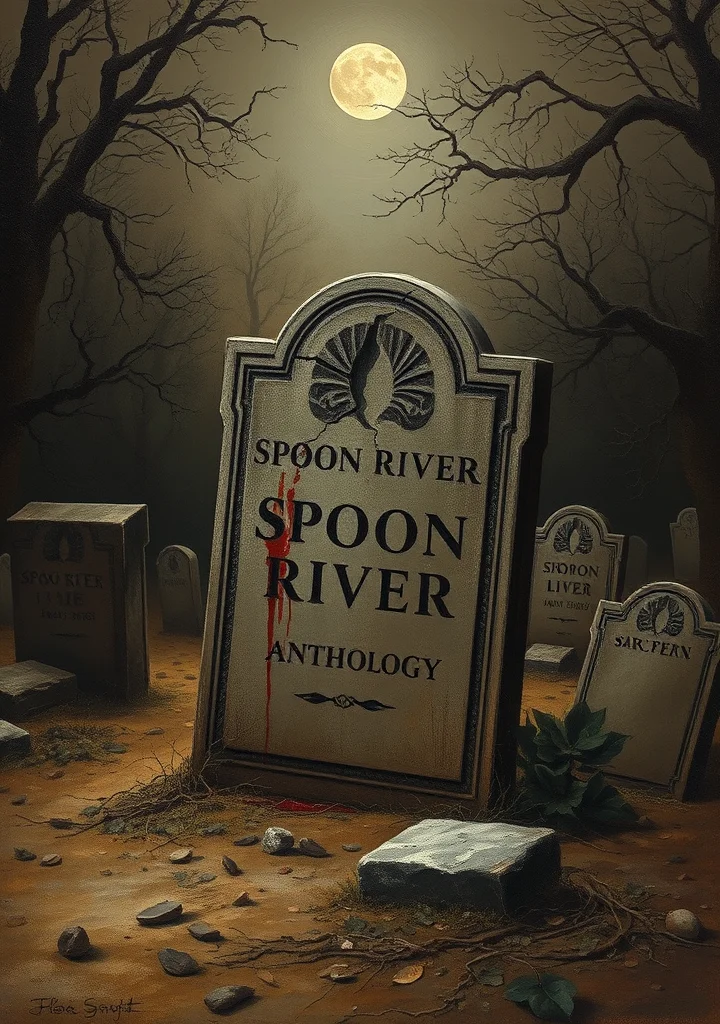
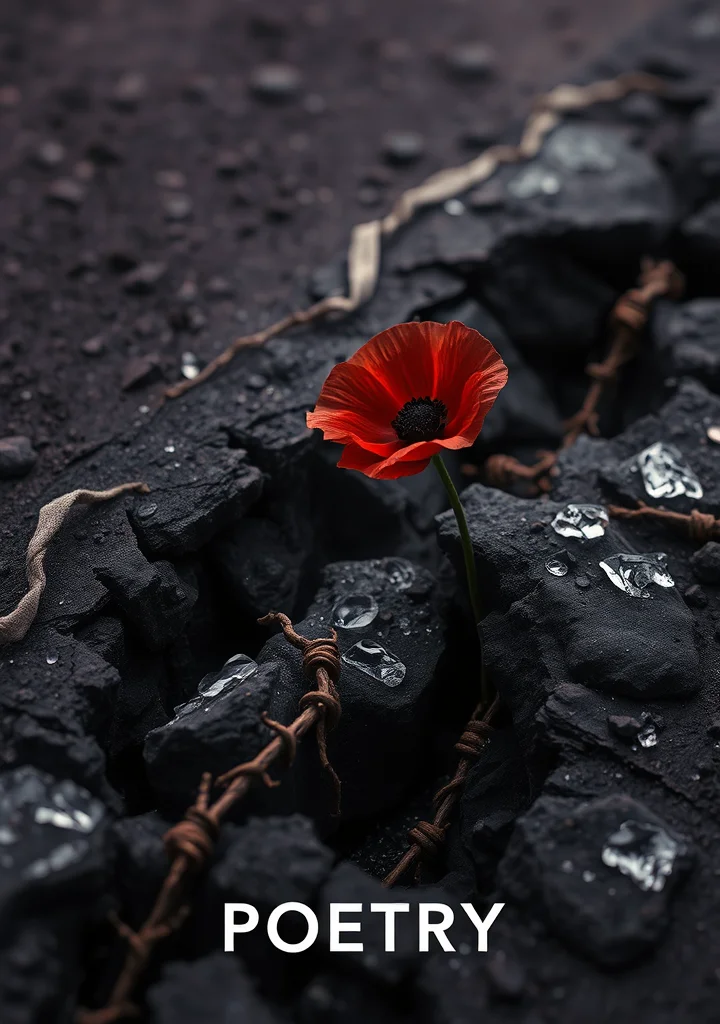
Dust motes dance in the perpetual twilight of Dublin, mirroring the fractured recollections within these pages. A city breathes its decay into every syllable, a miasma of regret clinging to cobblestone and rain-slicked streets. This is not a narrative of events, but of echoes – phantom limbs of memory reaching for a vanished wholeness. Each stanza is a shard of glass, reflecting a distorted self, fractured and yearning. The air hangs thick with the scent of brine and something older, something crumbling beneath the weight of unspoken grief. A fever dream of loss, it unravels not with plot, but with the slow, deliberate unraveling of a soul. The rhythm is the heartbeat of a dying city, a pulse weakening with each remembered kiss, each abandoned doorway. Shadows stretch long from every lamplit corner, obscuring the faces of those who haunt the periphery of their own existence. It’s a labyrinth of yearning, where the only escape is to disappear into the fog. The beauty is in the rot, the poetry in the disintegration.
Copyright: Public Domain
This license allows anyone to use your story for any purpose, including printing, selling, or adapting it into a film freely.
This license allows anyone to use your story for any purpose, including printing, selling, or adapting it into a film freely.
Chapter List
-
« Poetry »📖 Continue Reading
-
« Chamber Music »
-
« I »
-
« II »
-
« III »
-
« IV »
-
« V »
-
« VI »
-
« VII »
-
« VIII »
-
« IX »
-
« X »
-
« XI »
-
« XII »
-
« XIII »
-
« XIV »
-
« XV »
-
« XVI »
-
« XVII »
-
« XVIII »
-
« XIX »
-
« XX »
-
« XXI »
-
« XXII »
-
« XXIII »
-
« XXIV »
-
« XXV »
-
« XXVI »
-
« XXVII »
-
« XXVIII »
-
« XXIX »
-
« XXX »
-
« XXXI »
-
« XXXII »
-
« XXXIII »
-
« XXXIV »
-
« XXXV »
-
« XXXVI »
-
« Gas from a Burner »
-
« Pomes Penyeach »
-
« Tilly »
-
« Watching the Needleboats at San Sabba »
-
« A Flower Given to My Daughter »
-
« She Weeps Over Rahoon »
-
« Tutto è Sciolto »
-
« On the Beach at Fontana »
-
« Chapter_48 »
-
« Flood »
-
« Nightpiece »
-
« Alone »
-
« A Memory of the Players in a Mirror at Midnight »
-
« Bahnhofstrasse »
-
« A Prayer »
53
-
« Poetry »
-
« Chamber Music »
-
« I »
-
« II »
-
« III »
-
« IV »
-
« V »
-
« VI »
-
« VII »
-
« VIII »
-
« IX »
-
« X »
-
« XI »
-
« XII »
-
« XIII »
-
« XIV »
-
« XV »
-
« XVI »
-
« XVII »
-
« XVIII »
-
« XIX »
-
« XX »
-
« XXI »
-
« XXII »
-
« XXIII »
-
« XXIV »
-
« XXV »
-
« XXVI »
-
« XXVII »
-
« XXVIII »
-
« XXIX »
-
« XXX »
-
« XXXI »
-
« XXXII »
-
« XXXIII »
-
« XXXIV »
-
« XXXV »
-
« XXXVI »
-
« Gas from a Burner »
-
« Pomes Penyeach »
-
« Tilly »
-
« Watching the Needleboats at San Sabba »
-
« A Flower Given to My Daughter »
-
« She Weeps Over Rahoon »
-
« Tutto è Sciolto »
-
« On the Beach at Fontana »
-
« Chapter_48 »
-
« Flood »
-
« Nightpiece »
-
« Alone »
-
« A Memory of the Players in a Mirror at Midnight »
-
« Bahnhofstrasse »
-
« A Prayer »
More like this