
Poetry
  • 606
  • 0
  • 68
  • Read 606
  • 0
  • Part 68
Completed, First published Mar 02, 2026

Dust motes dance in the perpetual twilight of abandoned tenements, mirroring the fractured light within the hollow men. A city breathes ash and regret, its arteries choked with the detritus of forgotten lives. Here, fragments of memory cling to brick and bone, whispered on drafts that smell of rain-slicked streets and coal smoke. The narrative is less a story told, and more a haunting echo—a procession of spectral figures glimpsed through smeared windows, their faces obscured by shadow and the weight of unfulfilled desire. A fractured liturgy unfolds, stitched together from shards of conversation overheard in dimly lit cafes and the rhythmic drip of water in subterranean passages. The air is thick with the scent of decay, not merely of bodies, but of language itself, corroded by loneliness and the static hum of a dying world. Each stanza is a crumbling doorway, revealing glimpses of fractured souls, lost in the labyrinthine alleys of their own despair. The prose itself is a spectral architecture—built of absence, decay, and the ghostly resonance of what has been lost, leaving a cold weight in the reader’s chest. A pervasive sense of dread clings to every line, a premonition of inevitable collapse. It is a landscape of broken things, where even the stones weep with a quiet, mournful sorrow.
Copyright: Public Domain
This license allows anyone to use your story for any purpose, including printing, selling, or adapting it into a film freely.
Chapter List

68

More like this
297 Part
A descent into shadowed valleys where morality itself is a crumbling edifice. The air hangs thick with the scent of decay, not of flesh, but of belief. This is a landscape carved from the obsidian of doubt, where the sun bleeds into a perpetual twilight and the echoes of forgotten gods whisper through fractured minds. It isn’t a story of villains to be vanquished, but of masks discarded, revealing the cold, magnificent indifference beneath. Each chapter unfolds like a slow unraveling—a descent not into sin, but beyond its very definition. The narrative clings to the jagged edges of reason, tracing the contours of a will to power that consumes not with fire, but with a glacial, irresistible logic. Shadows stretch from the ruins of old values, twisting into monstrous forms born of ambition and ressentiment. There are no heroes here, only climbers scaling the precipice of their own self-overcoming, their hands stained with the dust of shattered idols. The silence between the lines is a vast, echoing chasm—a void mirroring the abyss within each self-proclaimed ‘good’ man. It’s a chronicle of becoming, of forging a new dawn from the embers of a dying world, a world where the only truth is the will to create, to destroy, to *become* beyond the shackles of pity and remorse. The landscape is one of perpetual internal warfare, where the battlefield is the self, and the stakes are nothing less than the remaking of existence itself.

2420 Part
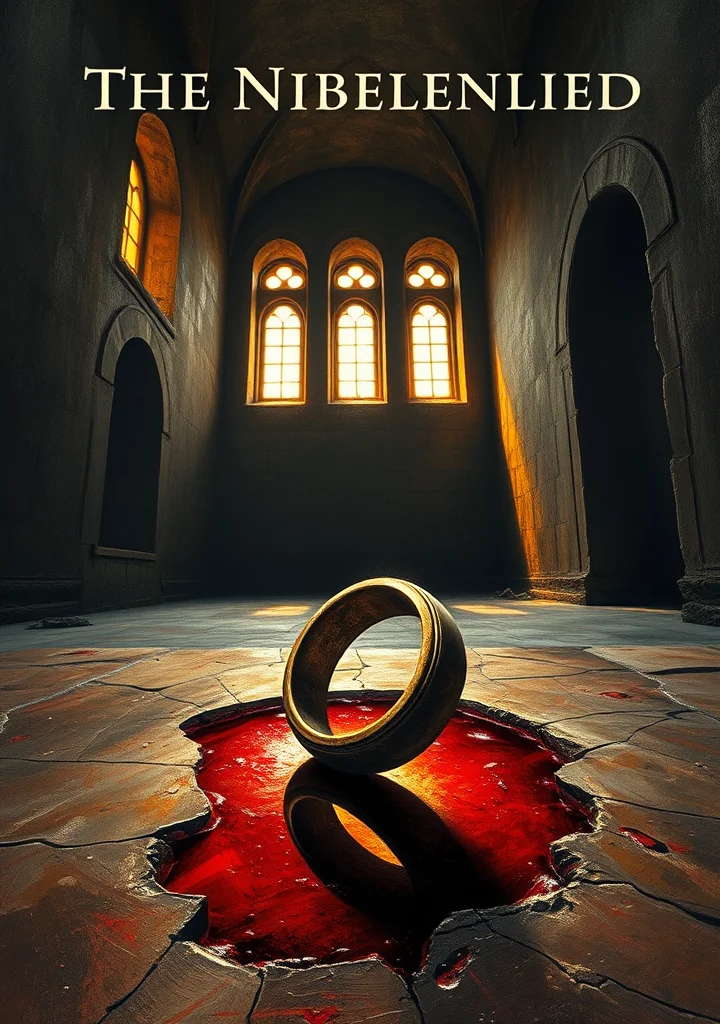
A creeping dread clings to the shadowed halls of Burgunden, where the echoes of ancient pacts and broken vows stain the stone with crimson. This is not a tale of heroes, but of a rot blooming within the heart of a kingdom—a festering wound carved by ambition and fueled by the lust for gold. The clang of steel is ever-present, not in glorious battle, but in the hushed corners of betrayal. Each gilded chain, each forged ring, whispers of a doom woven into the very fabric of the Nibelungs’ legacy. The river Rhine holds more than just the shimmering hoard; it carries the spectral lament of a bride stolen, a vengeance born of ice and night. Crimson stains the snows, not from winter’s chill, but from the spilling of blood under a moon that witnesses every fractured oath. Walls weep with the memory of feasts where deceit was served alongside wine, and the laughter of kings rings hollow as they dance toward their inevitable, brutal reckoning. The air is thick with the scent of pine resin and the metallic tang of iron, a perfume of decay that clings to the damp stone of castles and the frosted breath of dying men. Shadows stretch long and hungry, mirroring the growing darkness within the souls of those who chase power beyond its rightful measure. A sickness of the soul permeates the land, and the weight of prophecy feels like a shroud tightening around the throat, promising only the hollow echo of a fallen empire. The world is poised on a knife’s edge, where honor is a forgotten word and the only certainty is the coming storm of ruin.
2013 Part
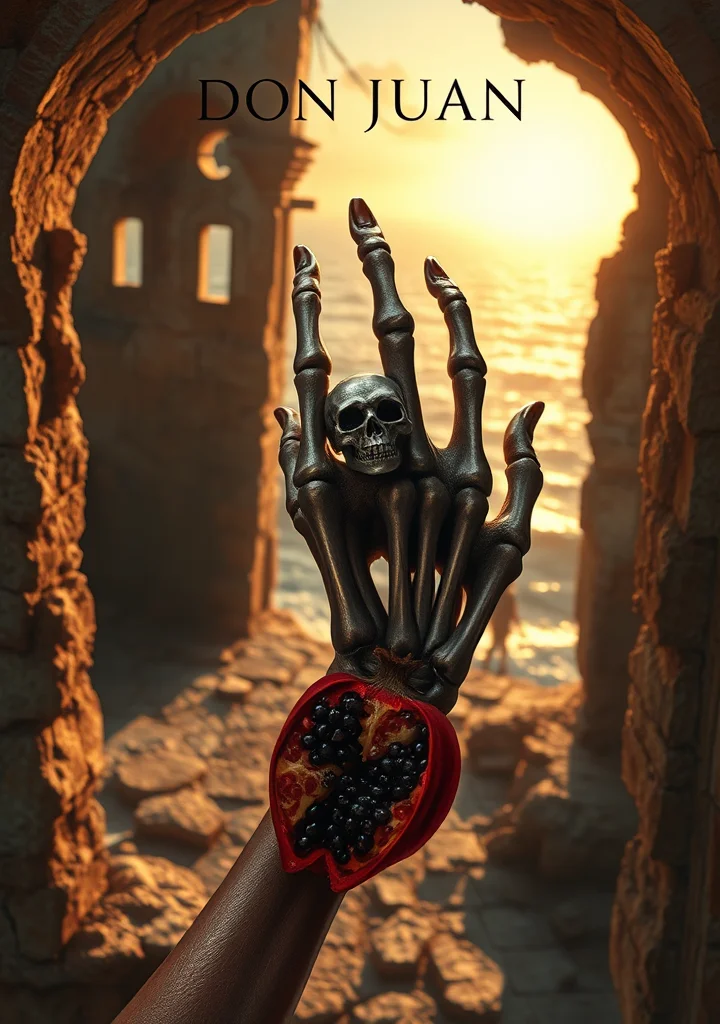
A chill wind whispers through sun-bleached Spanish ruins, carrying the scent of brine and decay. Don Juan is not merely a man, but a shadow stretched long across a continent, a fever dream of indulgence and disillusionment. His journey is one of restless flight, not from justice, but from the suffocating weight of a world built on hypocrisy. Each port, each encounter, peels back another layer of gilded rot, revealing a darkness that clings to him like the salt spray on a decaying mast. The narrative unravels through fractured confessions, a labyrinth of wit and weariness where cynicism blooms like night-blooming cereus. Every smile is a reprieve from a deeper, unspoken grief; every embrace, a fleeting warmth against an encroaching cold. The Mediterranean burns with a feverish brilliance, mirroring the protagonist’s own self-consuming passions, while the echoes of battles – both won and lost – resonate in the hollow chambers of his heart. He drifts through aristocratic salons and Moorish harems, a phantom observer caught between desire and despair. The sea itself seems to conspire with his melancholic fate, drawing him towards a horizon perpetually shrouded in mist. His is a tale of exquisite ruin, where beauty and brutality intertwine, leaving the reader adrift in a sea of unanswered questions and the lingering scent of jasmine and gunpowder. A perpetual twilight clings to his existence, a haunting reminder that even the most dazzling brilliance casts the longest shadows.
383 Part
A chill wind whispers across the vast, snow-laden estates of Russia, carrying with it the scent of decaying grandeur and unspoken desires. Eugene Onegin unfolds as a spectral lament, a dance between ennui and icy longing. The narrative drifts through opulent St. Petersburg salons and desolate country landscapes, mirroring the fractured heart of its titular anti-hero. A suffocating weight of societal expectation hangs over every gilded ballroom and frozen field, breeding a pervasive melancholy that clings to the ornate interiors like frost. The story unfolds not as a rush of events, but as a slow bleed of regret, observed through the gauze of memory and regret. The characters—polished, brittle, and haunted by their own reflections—move within shadowed chambers and moonlit gardens, their passions stifled by convention. A creeping sense of doom pervades the narrative as love, ambition, and social alienation intertwine, culminating in a tragedy born not of dramatic outburst, but of quiet desperation. The prose itself breathes with the stillness of a winter forest, each phrase meticulously crafted to evoke the cold beauty of the Russian landscape and the frigid indifference of its aristocracy. It is a world of half-tones and whispered secrets, where the shadows lengthen with each passing year and the weight of unfulfilled longing threatens to consume all who dare to seek happiness within its borders. The narrative is less a tale of action, and more a haunting echo of what could have been, lingering in the frosted breath of a forgotten age.