
-
Read 314
-
0
-
Part 18
Completed, First published Mar 02, 2026
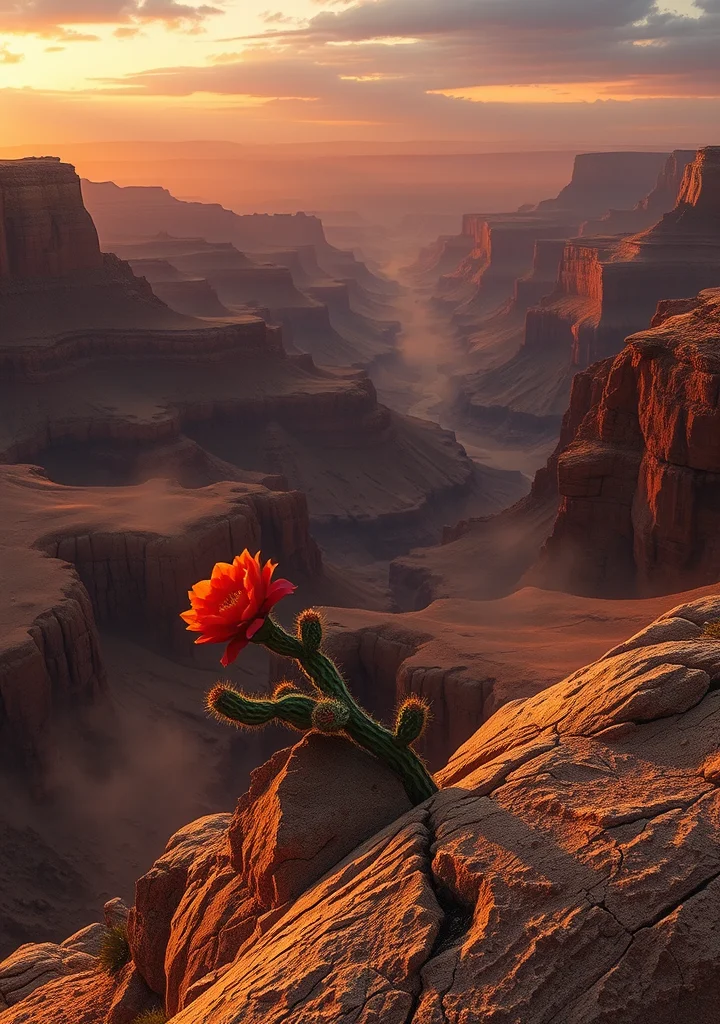
Dust hangs heavy in the canyons, a perpetual twilight clinging to the skeletal mesas. This is a land not of absence, but of withholding—a parched, brittle beauty where the ghosts of forgotten tribes bleed into the sun-cracked earth. The narrative unfolds not as a journey *through* the desert, but *from* it—a slow, agonizing emergence of consciousness mirroring the hesitant bloom of desert flowers after a rare rain. It’s a place where the line between dream and reality dissolves like heat haze, where the whispers of coyotes carry the laments of lost souls, and the very stones seem to remember a time before silence. The sun beats down not with warmth, but with an ancient, indifferent gaze, revealing only the barest outlines of lives lived and lost in the hollows of canyons. Each encounter—with hermits, outcasts, and the land itself—is less a conversation than a communion with the bone-deep loneliness of the desert's heart. The air is thick with the scent of sage and decay, and the stillness is punctuated by the unsettling knowledge that something watches from the shadowed cliffs, something older than time, and utterly, irrevocably alone. It’s a land that doesn’t offer solace, but demands surrender to the austere, unforgiving beauty of its own decay.
Copyright: Public Domain
This license allows anyone to use your story for any purpose, including printing, selling, or adapting it into a film freely.
This license allows anyone to use your story for any purpose, including printing, selling, or adapting it into a film freely.
Chapter List
-
« The Land of Little Rain »📖 Continue Reading
-
« Chapter_3 »
-
« Preface »
-
« The Land of Little Rain »
-
« The Land of Little Rain »
-
« Water Trails of the Carrizo »
-
« The Scavengers »
-
« The Pocket Hunter »
-
« Shoshone Land »
-
« Jimville »
-
« My Neighbor’s Field »
-
« The Mesa Trail »
-
« The Basket Maker »
-
« The Streets of the Mountains »
-
« Water Borders »
-
« Other Water Borders »
-
« Nurslings of the Sky »
-
« The Little Town of the Grape Vines »
18
-
« The Land of Little Rain »
-
« Chapter_3 »
-
« Preface »
-
« The Land of Little Rain »
-
« The Land of Little Rain »
-
« Water Trails of the Carrizo »
-
« The Scavengers »
-
« The Pocket Hunter »
-
« Shoshone Land »
-
« Jimville »
-
« My Neighbor’s Field »
-
« The Mesa Trail »
-
« The Basket Maker »
-
« The Streets of the Mountains »
-
« Water Borders »
-
« Other Water Borders »
-
« Nurslings of the Sky »
-
« The Little Town of the Grape Vines »
More like this