
-
Read 2.9K
-
0
-
Part 373
Completed, First published Mar 02, 2026
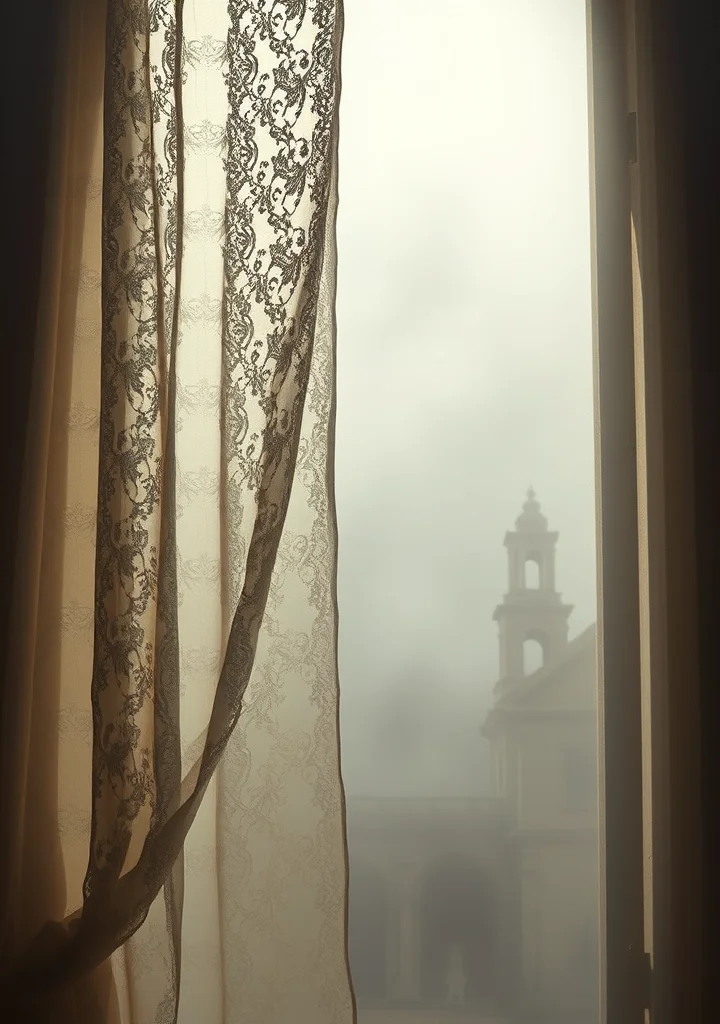
A creeping fog clings to the provincial estates, mirroring the decay within the hearts of men and women adrift in a twilight of quiet desperation. These are stories not of grand tragedy, but of the insidious erosion of hope, the slow bleed of meaning from lives lived at the periphery. Dust motes dance in the weak sunlight filtering through lace-curtained windows, illuminating the hollow gestures of polite society, the stifled sighs of unfulfilled desire. Each tale unfolds like a melancholic nocturne, scored with the rustle of dry leaves and the distant chime of a forgotten bell. The air hangs heavy with the scent of damp earth and regret, a pervasive dampness that seeps into bone and settles in the soul. Characters drift through shadowed rooms, haunted by unspoken longings and the weight of unacknowledged grief. There’s a pervasive sense of being watched, not by malice, but by the indifferent gaze of a universe indifferent to their small, dwindling flames. The narratives themselves are fractured, mirroring the fractured lives they depict—glimpses of sorrow caught in the periphery, fading into the vast, gray expanse of the Russian countryside. A stillness permeates everything, a quietude that feels less like peace and more like the prelude to something lost, something irrevocably broken.
Copyright: Public Domain
This license allows anyone to use your story for any purpose, including printing, selling, or adapting it into a film freely.
This license allows anyone to use your story for any purpose, including printing, selling, or adapting it into a film freely.
Chapter List
-
« Short Fiction »📖 Continue Reading
-
« A Living Chattel »
-
« I »
-
« II »
-
« III »
-
« Joy »
-
« At the Barber’s »
-
« An Enigmatic Nature »
-
« A Classical Student »
-
« The Death of a Government Clerk »
-
« A Daughter of Albion »
-
« The Trousseau »
-
« An Inquiry »
-
« Fat and Thin »
-
« A Tragic Actor »
-
« A Slander »
-
« The Bird Market »
-
« Choristers »
-
« The Album »
-
« Minds in Ferment »
-
« A Chameleon »
-
« In the Graveyard »
-
« Oysters »
-
« The Swedish Match »
-
« I »
-
« II »
-
« The Marshal’s Widow »
-
« Small Fry »
-
« In an Hotel »
-
« Boots »
-
« Nerves »
-
« A Country Cottage »
-
« Malingerers »
-
« The Fish »
-
« Gone Astray »
-
« The Huntsman »
-
« A Malefactor »
-
« A Dead Body »
-
« The Cook’s Wedding »
-
« In a Strange Land »
-
« Overdoing It »
-
« Old Age »
-
« Sorrow »
-
« Oh! The Public »
-
« Mari d’Elle »
-
« The Looking-Glass »
-
« Art »
-
« A Blunder »
-
« Children »
-
« Misery »
-
« An Actor’s End »
-
« The Requiem »
-
« Anyuta »
-
« Ivan Matveyitch »
-
« The Witch »
-
« A Story Without an End »
-
« A Joke »
-
« Agafya »
-
« A Nightmare »
-
« Grisha »
-
« Love »
-
« Easter Eve »
-
« Ladies »
-
« Strong Impressions »
-
« A Gentleman Friend »
-
« A Happy Man »
-
« The Privy Councillor »
-
« A Day in the Country »
-
« At a Summer Villa »
-
« Panic Fears »
-
« The Chemist’s Wife »
-
« Not Wanted »
-
« The Chorus Girl »
-
« The Schoolmaster »
-
« A Troublesome Visitor »
-
« A Misfortune »
-
« A Pink Stocking »
-
« Martyrs »
-
« The First-Class Passenger »
-
« Talent »
-
« The Dependents »
-
« The Jeune Premier »
-
« In the Dark »
-
« A Trivial Incident »
-
« A Tripping Tongue »
-
« A Trifle from Life »
-
« Difficult People »
-
« In the Court »
-
« A Peculiar Man »
-
« Mire »
-
« I »
-
« II »
-
« Dreams »
-
« Hush! »
-
« Excellent People »
-
« An Incident »
-
« The Orator »
-
« A Work of Art »
-
« Who Was to Blame? »
-
« On the Road »
-
« Vanka »
-
« Champagne »
-
« Frost »
-
« The Beggar »
-
« Enemies »
-
« Darkness »
-
« Polinka »
-
« Drunk »
-
« An Inadvertence »
-
« Verotchka »
-
« Shrove Tuesday »
-
« A Defenceless Creature »
-
« A Bad Business »
-
« Home »
-
« The Lottery Ticket »
-
« Too Early! »
-
« Typhus »
-
« In Passion Week »
-
« A Mystery »
-
« The Cossack »
-
« The Letter »
-
« An Adventure »
-
« The Examining Magistrate »
-
« Aborigines »
-
« Happiness »
-
« Bad Weather »
-
« A Play »
-
« A Transgression »
-
« From the Diary of a Violent-Tempered Man »
-
« Uprooted »
-
« A Father »
-
« A Happy Ending »
-
« In the Coach-House »
-
« Zinotchka »
-
« The Doctor »
-
« The Pipe »
-
« An Avenger »
-
« The Post »
-
« The Runaway »
-
« A Problem »
-
« The Old House »
-
« The Cattle-Dealers »
-
« Expensive Lessons »
-
« The Lion and the Sun »
-
« In Trouble »
-
« The Kiss »
-
« Boys »
-
« Kashtanka »
-
« I »
-
« II »
-
« III »
-
« IV »
-
« V »
-
« VI »
-
« VII »
-
« A Lady’s Story »
-
« A Story Without a Title »
-
« Sleepy »
-
« The Steppe »
-
« I »
-
« II »
-
« III »
-
« IV »
-
« V »
-
« VI »
-
« VII »
-
« VIII »
-
« Lights »
-
« The Beauties »
-
« I »
-
« II »
-
« I »
-
« II »
-
« III »
-
« IV »
-
« V »
-
« The Shoemaker and the Devil »
-
« The Bet »
-
« I »
-
« II »
-
« The Princess »
-
« A Dreary Story »
-
« I »
-
« II »
-
« III »
-
« IV »
-
« V »
-
« VI »
-
« The Teacher of Literature »
-
« I »
-
« II »
-
« A Nervous Breakdown »
-
« I »
-
« II »
-
« III »
-
« IV »
-
« V »
-
« VI »
-
« VII »
-
« The Horse-Stealers »
-
« Gusev »
-
« I »
-
« II »
-
« III »
-
« IV »
-
« V »
-
« Peasant Wives »
-
« The Wife »
-
« I »
-
« II »
-
« III »
-
« IV »
-
« V »
-
« VI »
-
« VII »
-
« The Grasshopper »
-
« I »
-
« II »
-
« III »
-
« IV »
-
« V »
-
« VI »
-
« VII »
-
« VIII »
-
« After the Theatre »
-
« In Exile »
-
« Terror »
-
« Neighbours »
-
« WardNo.6 »
-
« I »
-
« II »
-
« III »
-
« IV »
-
« V »
-
« VI »
-
« VII »
-
« VIII »
-
« IX »
-
« X »
-
« XI »
-
« XII »
-
« XIII »
-
« XIV »
-
« XV »
-
« XVI »
-
« XVII »
-
« XVIII »
-
« XIX »
-
« The Two Volodyas »
-
« Rothschild’s Fiddle »
-
« The Student »
-
« At a Country House »
-
« The Head-Gardener’s Story »
-
« A Woman’s Kingdom »
-
« I »
-
« II »
-
« III »
-
« IV »
-
« Anna on the Neck »
-
« I »
-
« II »
-
« Whitebrow »
-
« Ariadne »
-
« The Helpmate »
-
« The Murder »
-
« I »
-
« II »
-
« III »
-
« IV »
-
« V »
-
« VI »
-
« VII »
-
« Three Years »
-
« I »
-
« II »
-
« III »
-
« IV »
-
« V »
-
« VI »
-
« VII »
-
« VIII »
-
« IX »
-
« X »
-
« XI »
-
« XII »
-
« XIII »
-
« XIV »
-
« XV »
-
« XVI »
-
« XVII »
-
« An Artist’s Story »
-
« I »
-
« II »
-
« III »
-
« IV »
-
« My Life »
-
« I »
-
« II »
-
« III »
-
« IV »
-
« V »
-
« VI »
-
« VII »
-
« VIII »
-
« IX »
-
« X »
-
« XI »
-
« XII »
-
« XIII »
-
« XIV »
-
« XV »
-
« XVI »
-
« XVII »
-
« XVIII »
-
« XIX »
-
« XX »
-
« Peasants »
-
« I »
-
« II »
-
« III »
-
« IV »
-
« V »
-
« VI »
-
« VII »
-
« VIII »
-
« IX »
-
« The Petchenyeg »
-
« At Home »
-
« I »
-
« II »
-
« III »
-
« The Schoolmistress »
-
« The Man in a Case »
-
« Gooseberries »
-
« About Love »
-
« The Darling »
-
« The New Villa »
-
« I »
-
« II »
-
« III »
-
« IV »
-
« V »
-
« On Official Duty »
-
« The Lady with the Dog »
-
« I »
-
« II »
-
« III »
-
« IV »
-
« At Christmas Time »
-
« I »
-
« II »
-
« In the Ravine »
-
« I »
-
« II »
-
« III »
-
« IV »
-
« V »
-
« VI »
-
« VII »
-
« VIII »
-
« IX »
-
« The Bishop »
-
« I »
-
« II »
-
« III »
-
« IV »
-
« Betrothed »
-
« I »
-
« II »
-
« III »
-
« IV »
-
« V »
-
« VI »
373
-
« Short Fiction »
-
« A Living Chattel »
-
« I »
-
« II »
-
« III »
-
« Joy »
-
« At the Barber’s »
-
« An Enigmatic Nature »
-
« A Classical Student »
-
« The Death of a Government Clerk »
-
« A Daughter of Albion »
-
« The Trousseau »
-
« An Inquiry »
-
« Fat and Thin »
-
« A Tragic Actor »
-
« A Slander »
-
« The Bird Market »
-
« Choristers »
-
« The Album »
-
« Minds in Ferment »
-
« A Chameleon »
-
« In the Graveyard »
-
« Oysters »
-
« The Swedish Match »
-
« I »
-
« II »
-
« The Marshal’s Widow »
-
« Small Fry »
-
« In an Hotel »
-
« Boots »
-
« Nerves »
-
« A Country Cottage »
-
« Malingerers »
-
« The Fish »
-
« Gone Astray »
-
« The Huntsman »
-
« A Malefactor »
-
« A Dead Body »
-
« The Cook’s Wedding »
-
« In a Strange Land »
-
« Overdoing It »
-
« Old Age »
-
« Sorrow »
-
« Oh! The Public »
-
« Mari d’Elle »
-
« The Looking-Glass »
-
« Art »
-
« A Blunder »
-
« Children »
-
« Misery »
-
« An Actor’s End »
-
« The Requiem »
-
« Anyuta »
-
« Ivan Matveyitch »
-
« The Witch »
-
« A Story Without an End »
-
« A Joke »
-
« Agafya »
-
« A Nightmare »
-
« Grisha »
-
« Love »
-
« Easter Eve »
-
« Ladies »
-
« Strong Impressions »
-
« A Gentleman Friend »
-
« A Happy Man »
-
« The Privy Councillor »
-
« A Day in the Country »
-
« At a Summer Villa »
-
« Panic Fears »
-
« The Chemist’s Wife »
-
« Not Wanted »
-
« The Chorus Girl »
-
« The Schoolmaster »
-
« A Troublesome Visitor »
-
« A Misfortune »
-
« A Pink Stocking »
-
« Martyrs »
-
« The First-Class Passenger »
-
« Talent »
-
« The Dependents »
-
« The Jeune Premier »
-
« In the Dark »
-
« A Trivial Incident »
-
« A Tripping Tongue »
-
« A Trifle from Life »
-
« Difficult People »
-
« In the Court »
-
« A Peculiar Man »
-
« Mire »
-
« I »
-
« II »
-
« Dreams »
-
« Hush! »
-
« Excellent People »
-
« An Incident »
-
« The Orator »
-
« A Work of Art »
-
« Who Was to Blame? »
-
« On the Road »
-
« Vanka »
-
« Champagne »
-
« Frost »
-
« The Beggar »
-
« Enemies »
-
« Darkness »
-
« Polinka »
-
« Drunk »
-
« An Inadvertence »
-
« Verotchka »
-
« Shrove Tuesday »
-
« A Defenceless Creature »
-
« A Bad Business »
-
« Home »
-
« The Lottery Ticket »
-
« Too Early! »
-
« Typhus »
-
« In Passion Week »
-
« A Mystery »
-
« The Cossack »
-
« The Letter »
-
« An Adventure »
-
« The Examining Magistrate »
-
« Aborigines »
-
« Happiness »
-
« Bad Weather »
-
« A Play »
-
« A Transgression »
-
« From the Diary of a Violent-Tempered Man »
-
« Uprooted »
-
« A Father »
-
« A Happy Ending »
-
« In the Coach-House »
-
« Zinotchka »
-
« The Doctor »
-
« The Pipe »
-
« An Avenger »
-
« The Post »
-
« The Runaway »
-
« A Problem »
-
« The Old House »
-
« The Cattle-Dealers »
-
« Expensive Lessons »
-
« The Lion and the Sun »
-
« In Trouble »
-
« The Kiss »
-
« Boys »
-
« Kashtanka »
-
« I »
-
« II »
-
« III »
-
« IV »
-
« V »
-
« VI »
-
« VII »
-
« A Lady’s Story »
-
« A Story Without a Title »
-
« Sleepy »
-
« The Steppe »
-
« I »
-
« II »
-
« III »
-
« IV »
-
« V »
-
« VI »
-
« VII »
-
« VIII »
-
« Lights »
-
« The Beauties »
-
« I »
-
« II »
-
« I »
-
« II »
-
« III »
-
« IV »
-
« V »
-
« The Shoemaker and the Devil »
-
« The Bet »
-
« I »
-
« II »
-
« The Princess »
-
« A Dreary Story »
-
« I »
-
« II »
-
« III »
-
« IV »
-
« V »
-
« VI »
-
« The Teacher of Literature »
-
« I »
-
« II »
-
« A Nervous Breakdown »
-
« I »
-
« II »
-
« III »
-
« IV »
-
« V »
-
« VI »
-
« VII »
-
« The Horse-Stealers »
-
« Gusev »
-
« I »
-
« II »
-
« III »
-
« IV »
-
« V »
-
« Peasant Wives »
-
« The Wife »
-
« I »
-
« II »
-
« III »
-
« IV »
-
« V »
-
« VI »
-
« VII »
-
« The Grasshopper »
-
« I »
-
« II »
-
« III »
-
« IV »
-
« V »
-
« VI »
-
« VII »
-
« VIII »
-
« After the Theatre »
-
« In Exile »
-
« Terror »
-
« Neighbours »
-
« WardNo.6 »
-
« I »
-
« II »
-
« III »
-
« IV »
-
« V »
-
« VI »
-
« VII »
-
« VIII »
-
« IX »
-
« X »
-
« XI »
-
« XII »
-
« XIII »
-
« XIV »
-
« XV »
-
« XVI »
-
« XVII »
-
« XVIII »
-
« XIX »
-
« The Two Volodyas »
-
« Rothschild’s Fiddle »
-
« The Student »
-
« At a Country House »
-
« The Head-Gardener’s Story »
-
« A Woman’s Kingdom »
-
« I »
-
« II »
-
« III »
-
« IV »
-
« Anna on the Neck »
-
« I »
-
« II »
-
« Whitebrow »
-
« Ariadne »
-
« The Helpmate »
-
« The Murder »
-
« I »
-
« II »
-
« III »
-
« IV »
-
« V »
-
« VI »
-
« VII »
-
« Three Years »
-
« I »
-
« II »
-
« III »
-
« IV »
-
« V »
-
« VI »
-
« VII »
-
« VIII »
-
« IX »
-
« X »
-
« XI »
-
« XII »
-
« XIII »
-
« XIV »
-
« XV »
-
« XVI »
-
« XVII »
-
« An Artist’s Story »
-
« I »
-
« II »
-
« III »
-
« IV »
-
« My Life »
-
« I »
-
« II »
-
« III »
-
« IV »
-
« V »
-
« VI »
-
« VII »
-
« VIII »
-
« IX »
-
« X »
-
« XI »
-
« XII »
-
« XIII »
-
« XIV »
-
« XV »
-
« XVI »
-
« XVII »
-
« XVIII »
-
« XIX »
-
« XX »
-
« Peasants »
-
« I »
-
« II »
-
« III »
-
« IV »
-
« V »
-
« VI »
-
« VII »
-
« VIII »
-
« IX »
-
« The Petchenyeg »
-
« At Home »
-
« I »
-
« II »
-
« III »
-
« The Schoolmistress »
-
« The Man in a Case »
-
« Gooseberries »
-
« About Love »
-
« The Darling »
-
« The New Villa »
-
« I »
-
« II »
-
« III »
-
« IV »
-
« V »
-
« On Official Duty »
-
« The Lady with the Dog »
-
« I »
-
« II »
-
« III »
-
« IV »
-
« At Christmas Time »
-
« I »
-
« II »
-
« In the Ravine »
-
« I »
-
« II »
-
« III »
-
« IV »
-
« V »
-
« VI »
-
« VII »
-
« VIII »
-
« IX »
-
« The Bishop »
-
« I »
-
« II »
-
« III »
-
« IV »
-
« Betrothed »
-
« I »
-
« II »
-
« III »
-
« IV »
-
« V »
-
« VI »
More like this