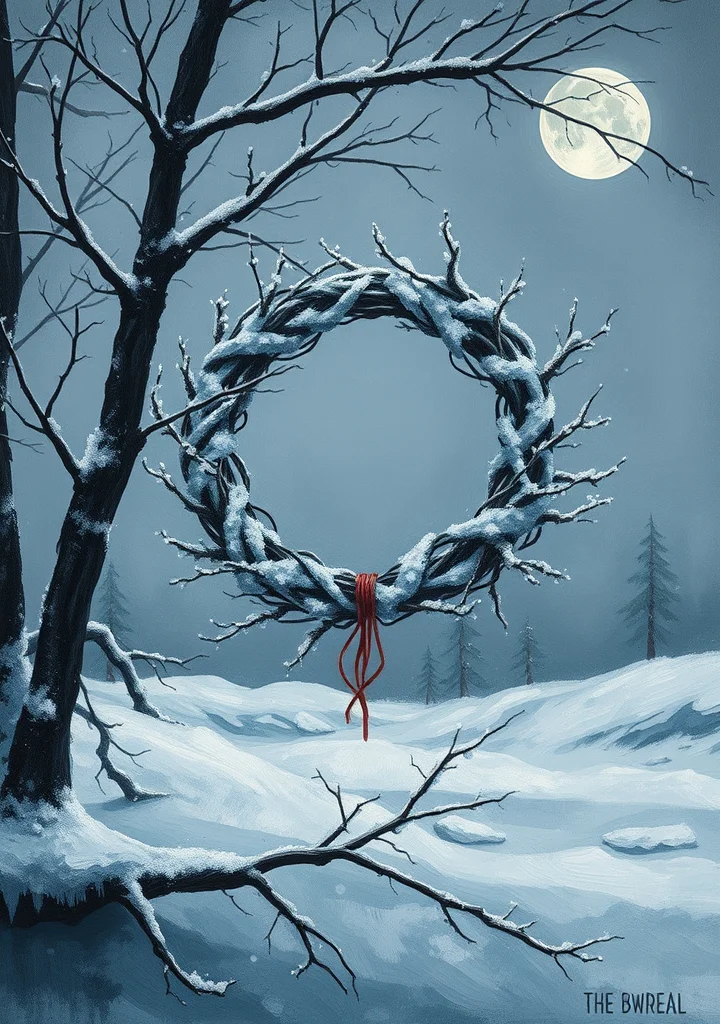

The Bridal Wreath
  • 129
  • 0
  • 27
  • Reads 129
  • 0
  • Part 27
Completed, First published Mar 02, 2026

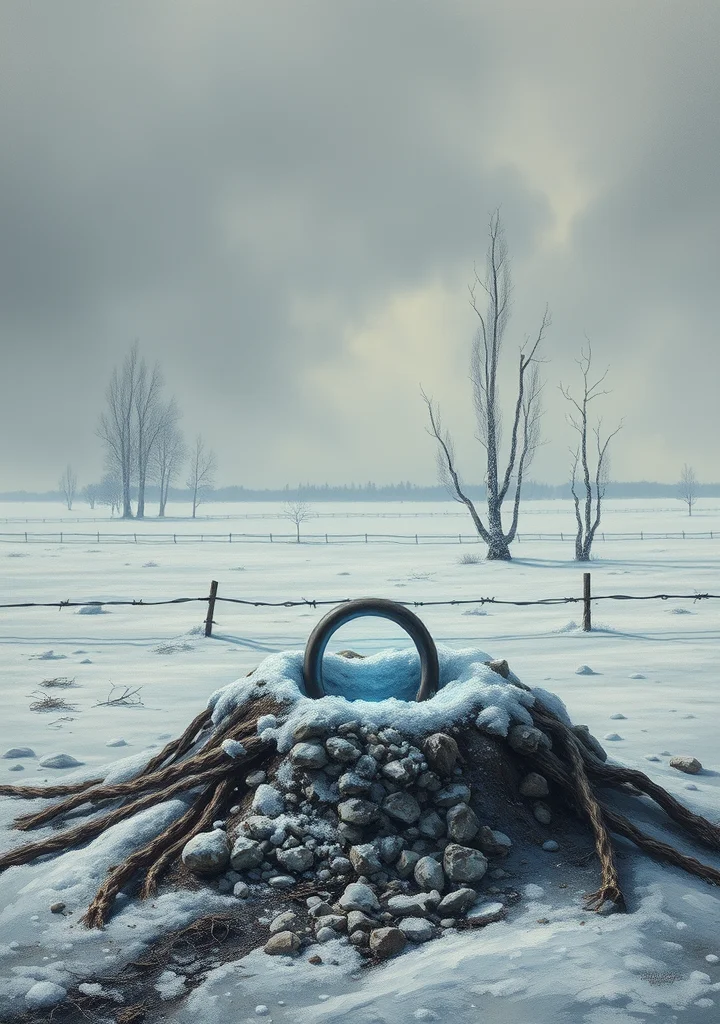
A creeping dread clings to the fjords and snow-drifted farms of Norway. The air tastes of brine and the coming winter, a chill that seeps into bone and settles there. This is a story of a woman bound not by love, but by the echoing silences of a patriarchal age. The narrative unfolds like a slow unraveling—a wedding shroud stitched with regret and the weight of inherited piety. Every glance from the shadowed forests, every whispered prayer in the dim-lit stua, feels haunted by the ghosts of what might have been. A suffocating devotion, born of duty and isolation, blooms into a brittle, icy beauty. The landscape itself becomes a character—a stark, unforgiving witness to a life sacrificed to the demands of tradition. A claustrophobic spiral of longing, where the bride's wreath is less a symbol of joy and more a tightening noose around a spirit slowly extinguished. The scent of woodsmoke and damp wool cannot mask the metallic tang of unspoken despair. The novel breathes with the cold, relentless pulse of a dying faith, and the desperate, fragile hope that flickers within the hearth of a woman becoming a monument to her own silencing. It is a world of perpetual twilight, where the line between reverence and ruin blurs into indistinguishable shades of gray.

Copyright: Public Domain
This license allows anyone to use your story for any purpose, including printing, selling, or adapting it into a film freely.
Recommended for you
30 Part
A creeping dread clings to the damp stone of Blackwood Manor, where whispers of a forgotten inheritance and a family fractured by shadow weave through the halls. The narrative unfolds not as a grand spectacle, but as a slow unraveling, a descent into the suffocating secrets held within a provincial life. Old man Harwood, a man of routine and quiet despair, finds himself unwillingly entangled in the affairs of others—a vanished solicitor, a resentful ward, and a legacy stained with avarice. The air is thick with the scent of decaying roses and unshed tears. Each chapter feels like a turning of a key in a rusted lock, revealing another shadowed alcove in the manor’s heart. It isn't the horror of what *happens*, but the suffocating weight of what is *known*—the stifled resentments, the furtive glances, the unspoken accusations that fester within the household. The story is told in fragments, overheard conversations and half-remembered incidents, mirroring the fractured memories of those caught within the manor's orbit. Rain lashes against the windows, mirroring the tempest brewing within Harwood’s breast. The middle of things, he comes to realize, is not a position of neutrality, but a vortex—a point where all the dark currents converge. The ending isn't a resolution, but a settling of dust on the things that were always there, waiting for the shadows to lengthen and claim their due. A quiet, insidious despair permeates the pages, leaving the reader with the chilling sensation of being watched from the darkened corners of Blackwood Manor long after the book is closed.
48 Part
Dust clings to the sun-bleached plains, mirroring the grit that coats the heart of young Stella Farraday. This is a story not of grand romance, but of a slow, creeping suffocation within a landscape that promises freedom yet delivers only the stifling weight of expectation. The Australian bush, rendered not as a vibrant Eden, but as a vast, indifferent witness to a woman’s ambition. Every sun-cracked homestead, every whispered rumour carries the scent of decay – not of flesh, but of potential, of dreams left to wither under the relentless gaze of a society that deems brilliance a dangerous bloom in the female soil. A loneliness permeates the narrative, a chill that settles not in the weather, but in the silences between polite conversations, in the measured glances of men who see only duty fulfilled. Stella’s defiance isn’t a fiery rebellion, but a quiet erosion of the self, a chipping away at the stone of convention until only the raw, exposed nerve of her intellect remains. The brilliance itself feels less like a beacon and more like a fever – a consuming heat that isolates her within a gilded cage of her own making. The narrative unfolds like a slow burn, the embers of her passion fanned by the harsh winds of practicality. There's a sense of being watched, not by malicious intent, but by the unforgiving judgement of a world that can’t comprehend a woman daring to choose herself over the prescribed roles. It’s a ghost story of a life unlived, haunting the reader with the question of what blooms in the darkness when a brilliant mind is denied the sun.