
-
Read 2.4K
-
0
-
Part 212
Completed, First published Mar 02, 2026
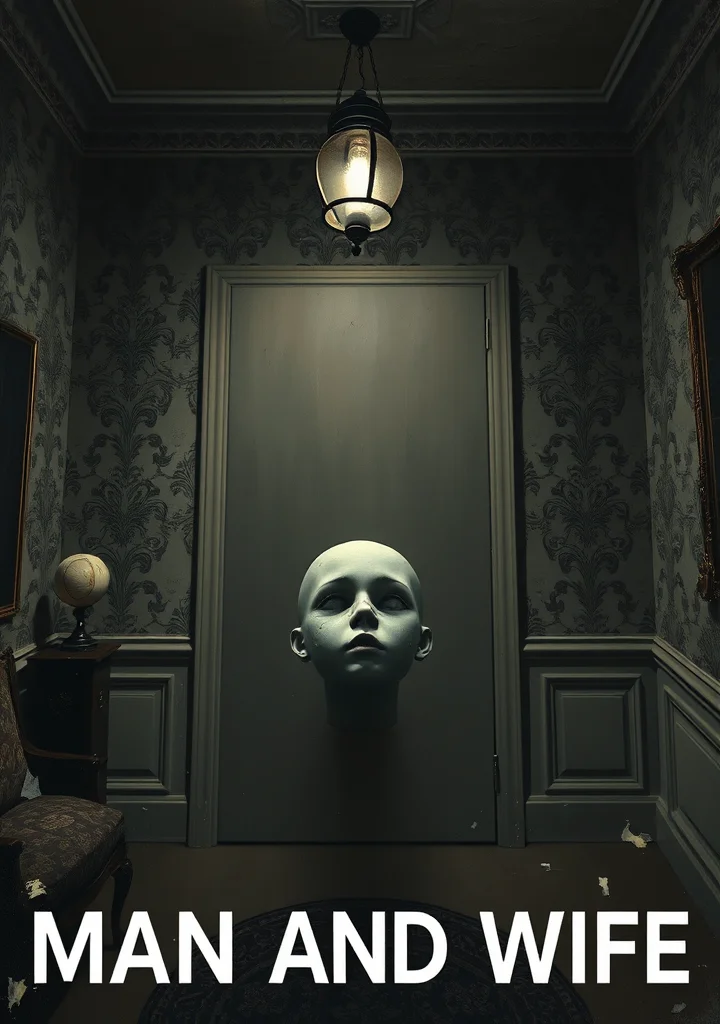
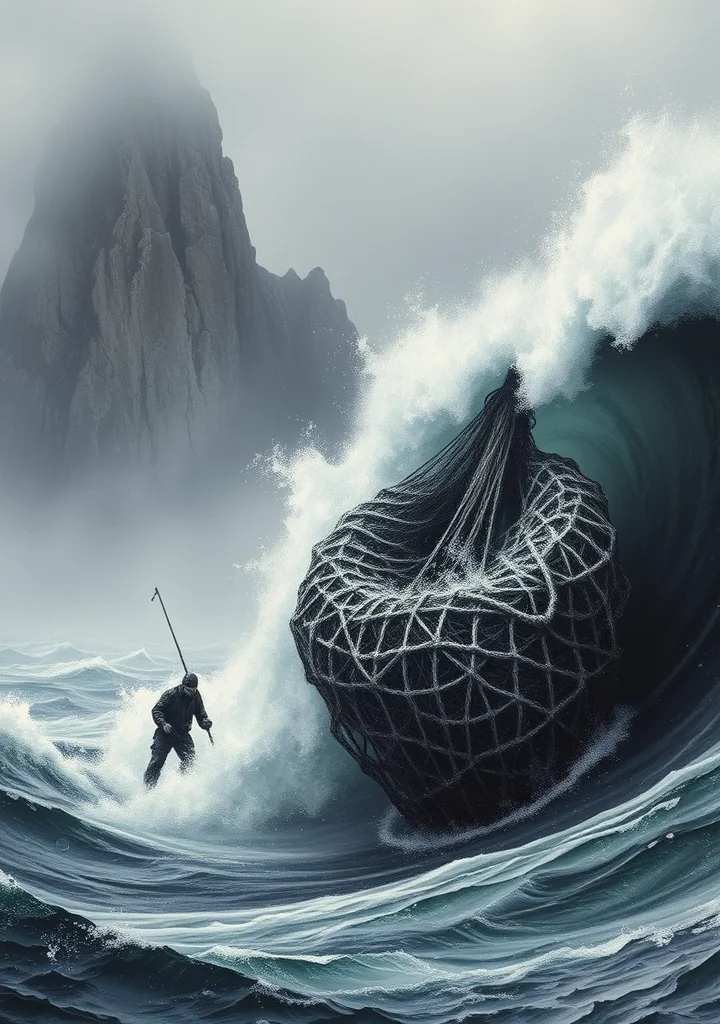
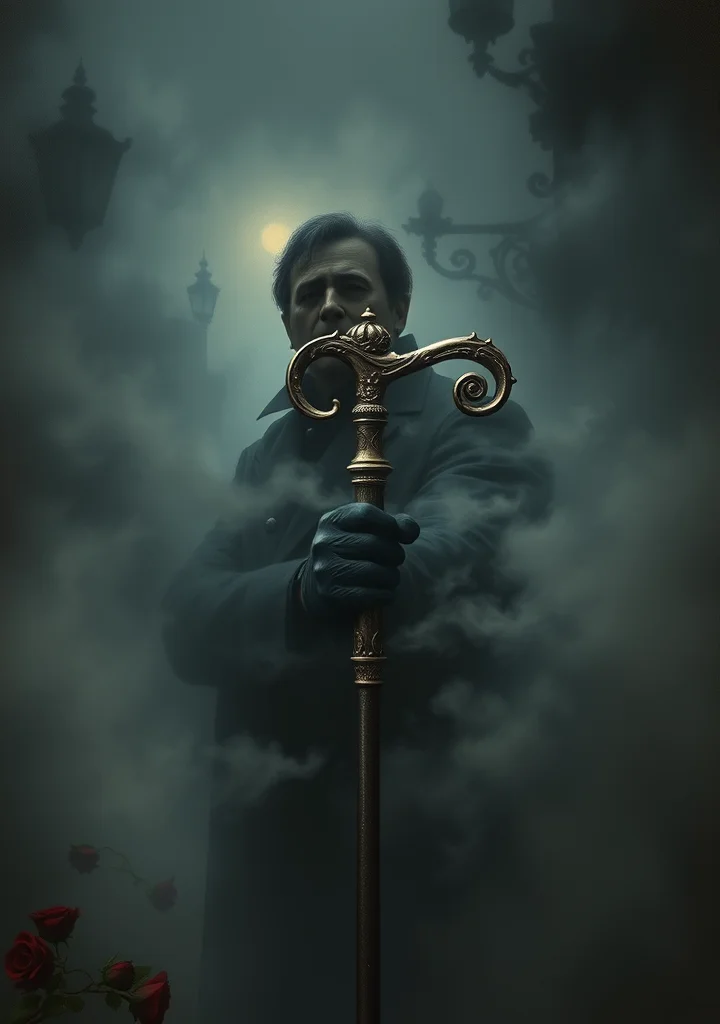
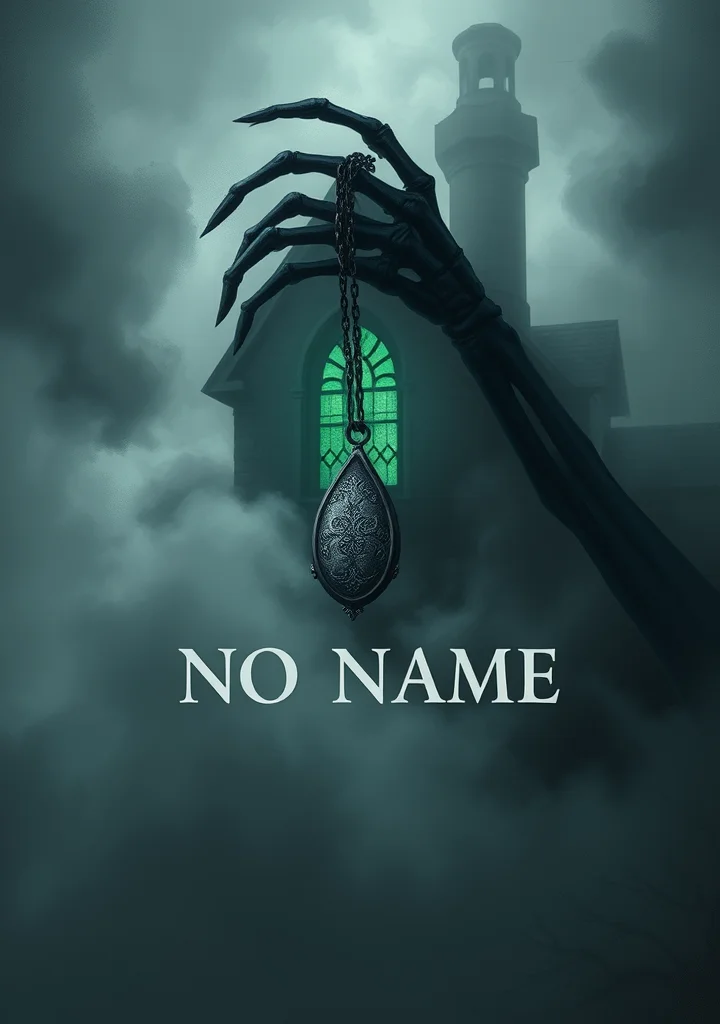
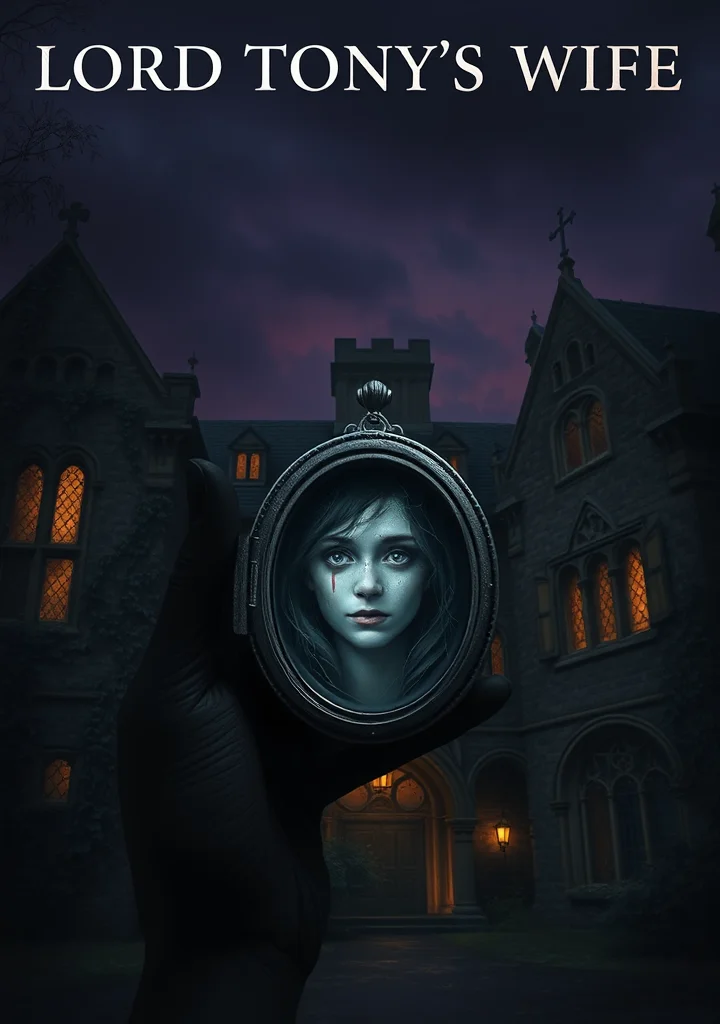
A creeping dread clings to the decaying grandeur of Cabell’s Virginia. Here, in the shadowed corners of old mansions and forgotten histories, the Dominy family unravels, bound by a lineage steeped in grotesque ambition. The novel breathes with the scent of dust and wormwood, echoing with the whispers of generations past who sought immortality through the grotesque preservation of their likenesses – not in portraits, but in living, breathing simulacra crafted from flesh and bone. A suffocating obsession with beauty, with the preservation of a singular, perverse ideal, festers within the Dominy vault, warping not just bodies but the very foundations of sanity. The narrative descends into a labyrinth of secret passages and morbid inheritance, where the boundaries between life and artifice blur, and the pursuit of vanity becomes a ritualistic, horrifying dance with decay. Shadows lengthen with each revelation, hinting at a darkness born not of malice, but of a desperate, consuming desire to cheat oblivion. The air is thick with the weight of unfulfilled desires, and the suffocating elegance of a family cursed to become their own macabre creations. Every polished surface reflects a distortion, every smile conceals a monstrous hunger, and the reader is pulled into a suffocating spiral of gilded corruption where the cords of vanity tighten around the throat of the last, desperate heir.
Copyright: Public Domain
This license allows anyone to use your story for any purpose, including printing, selling, or adapting it into a film freely.
This license allows anyone to use your story for any purpose, including printing, selling, or adapting it into a film freely.
Chapter List
-
« The Cords of Vanity »📖 Continue Reading
-
« Chapter_3 »
-
« Chapter_4 »
-
« An Introduction »
-
« Chapter_6 »
-
« The Prologue »
-
« I »
-
« II »
-
« Chapter_10 »
-
« III »
-
« Chapter_12 »
-
« The Cords of Vanity »
-
« I »
-
« I »
-
« II »
-
« III »
-
« IV »
-
« V »
-
« II »
-
« I »
-
« II »
-
« III »
-
« IV »
-
« V »
-
« III »
-
« I »
-
« II »
-
« III »
-
« IV »
-
« V »
-
« VI »
-
« VII »
-
« VIII »
-
« IX »
-
« IV »
-
« I »
-
« II »
-
« Chapter_39 »
-
« III »
-
« IV »
-
« V »
-
« I »
-
« II »
-
« III »
-
« IV »
-
« V »
-
« VI »
-
« VII »
-
« VI »
-
« I »
-
« II »
-
« III »
-
« IV »
-
« VII »
-
« I »
-
« II »
-
« III »
-
« IV »
-
« V »
-
« VI »
-
« VII »
-
« VIII »
-
« I »
-
« II »
-
« III »
-
« IX »
-
« I »
-
« II »
-
« III »
-
« Chapter_71 »
-
« IV »
-
« V »
-
« VI »
-
« VII »
-
« X »
-
« I »
-
« Chapter_78 »
-
« II »
-
« III »
-
« IV »
-
« V »
-
« VI »
-
« VII »
-
« VIII »
-
« XI »
-
« I »
-
« II »
-
« III »
-
« IV »
-
« V »
-
« XII »
-
« I »
-
« II »
-
« III »
-
« IV »
-
« V »
-
« VI »
-
« VII »
-
« XIII »
-
« I »
-
« II »
-
« III »
-
« XIV »
-
« I »
-
« II »
-
« III »
-
« IV »
-
« V »
-
« XV »
-
« I »
-
« II »
-
« III »
-
« IV »
-
« V »
-
« VI »
-
« XVI »
-
« I »
-
« II »
-
« III »
-
« XVII »
-
« I »
-
« II »
-
« III »
-
« IV »
-
« V »
-
« VI »
-
« VII »
-
« VIII »
-
« IX »
-
« XVIII »
-
« I »
-
« II »
-
« III »
-
« IV »
-
« XIX »
-
« I »
-
« II »
-
« III »
-
« Chapter_140 »
-
« IV »
-
« V »
-
« VI »
-
« VII »
-
« XX »
-
« I »
-
« II »
-
« III »
-
« XXI »
-
« I »
-
« II »
-
« III »
-
« IV »
-
« V »
-
« VI »
-
« VII »
-
« VIII »
-
« XXII »
-
« I »
-
« II »
-
« III »
-
« IV »
-
« V »
-
« XXIII »
-
« I »
-
« II »
-
« III »
-
« XXIV »
-
« I »
-
« II »
-
« III »
-
« XXV »
-
« I »
-
« II »
-
« III »
-
« IV »
-
« V »
-
« VI »
-
« VII »
-
« XXVI »
-
« I »
-
« II »
-
« III »
-
« XXVII »
-
« I »
-
« II »
-
« III »
-
« IV »
-
« V »
-
« VI »
-
« VII »
-
« VIII »
-
« IX »
-
« X »
-
« XI »
-
« XXVIII »
-
« I »
-
« II »
-
« III »
-
« IV »
-
« V »
-
« VI »
-
« VII »
-
« XXIX »
-
« I »
-
« II »
-
« III »
-
« XXX »
-
« I »
-
« II »
-
« III »
-
« IV »
-
« The Epilogue »
212
-
« The Cords of Vanity »
-
« Chapter_3 »
-
« Chapter_4 »
-
« An Introduction »
-
« Chapter_6 »
-
« The Prologue »
-
« I »
-
« II »
-
« Chapter_10 »
-
« III »
-
« Chapter_12 »
-
« The Cords of Vanity »
-
« I »
-
« I »
-
« II »
-
« III »
-
« IV »
-
« V »
-
« II »
-
« I »
-
« II »
-
« III »
-
« IV »
-
« V »
-
« III »
-
« I »
-
« II »
-
« III »
-
« IV »
-
« V »
-
« VI »
-
« VII »
-
« VIII »
-
« IX »
-
« IV »
-
« I »
-
« II »
-
« Chapter_39 »
-
« III »
-
« IV »
-
« V »
-
« I »
-
« II »
-
« III »
-
« IV »
-
« V »
-
« VI »
-
« VII »
-
« VI »
-
« I »
-
« II »
-
« III »
-
« IV »
-
« VII »
-
« I »
-
« II »
-
« III »
-
« IV »
-
« V »
-
« VI »
-
« VII »
-
« VIII »
-
« I »
-
« II »
-
« III »
-
« IX »
-
« I »
-
« II »
-
« III »
-
« Chapter_71 »
-
« IV »
-
« V »
-
« VI »
-
« VII »
-
« X »
-
« I »
-
« Chapter_78 »
-
« II »
-
« III »
-
« IV »
-
« V »
-
« VI »
-
« VII »
-
« VIII »
-
« XI »
-
« I »
-
« II »
-
« III »
-
« IV »
-
« V »
-
« XII »
-
« I »
-
« II »
-
« III »
-
« IV »
-
« V »
-
« VI »
-
« VII »
-
« XIII »
-
« I »
-
« II »
-
« III »
-
« XIV »
-
« I »
-
« II »
-
« III »
-
« IV »
-
« V »
-
« XV »
-
« I »
-
« II »
-
« III »
-
« IV »
-
« V »
-
« VI »
-
« XVI »
-
« I »
-
« II »
-
« III »
-
« XVII »
-
« I »
-
« II »
-
« III »
-
« IV »
-
« V »
-
« VI »
-
« VII »
-
« VIII »
-
« IX »
-
« XVIII »
-
« I »
-
« II »
-
« III »
-
« IV »
-
« XIX »
-
« I »
-
« II »
-
« III »
-
« Chapter_140 »
-
« IV »
-
« V »
-
« VI »
-
« VII »
-
« XX »
-
« I »
-
« II »
-
« III »
-
« XXI »
-
« I »
-
« II »
-
« III »
-
« IV »
-
« V »
-
« VI »
-
« VII »
-
« VIII »
-
« XXII »
-
« I »
-
« II »
-
« III »
-
« IV »
-
« V »
-
« XXIII »
-
« I »
-
« II »
-
« III »
-
« XXIV »
-
« I »
-
« II »
-
« III »
-
« XXV »
-
« I »
-
« II »
-
« III »
-
« IV »
-
« V »
-
« VI »
-
« VII »
-
« XXVI »
-
« I »
-
« II »
-
« III »
-
« XXVII »
-
« I »
-
« II »
-
« III »
-
« IV »
-
« V »
-
« VI »
-
« VII »
-
« VIII »
-
« IX »
-
« X »
-
« XI »
-
« XXVIII »
-
« I »
-
« II »
-
« III »
-
« IV »
-
« V »
-
« VI »
-
« VII »
-
« XXIX »
-
« I »
-
« II »
-
« III »
-
« XXX »
-
« I »
-
« II »
-
« III »
-
« IV »
-
« The Epilogue »
More like this