
Man and Wife
  • 270
  • 0
  • 104
  • Reads 270
  • 0
  • Part 104
Completed, First published Mar 02, 2026

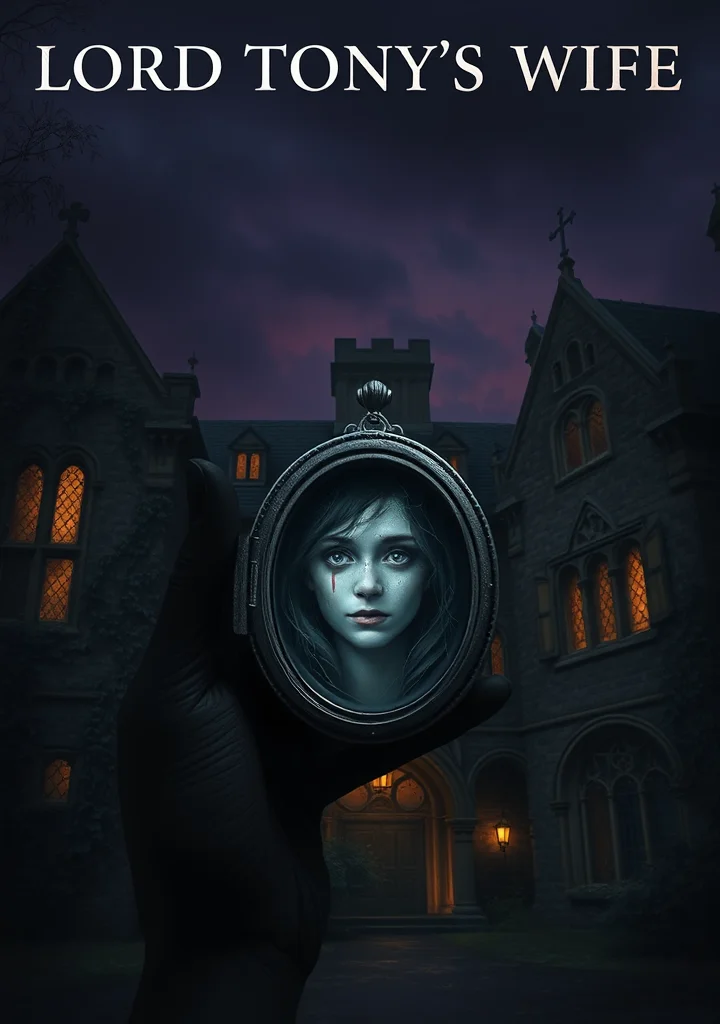
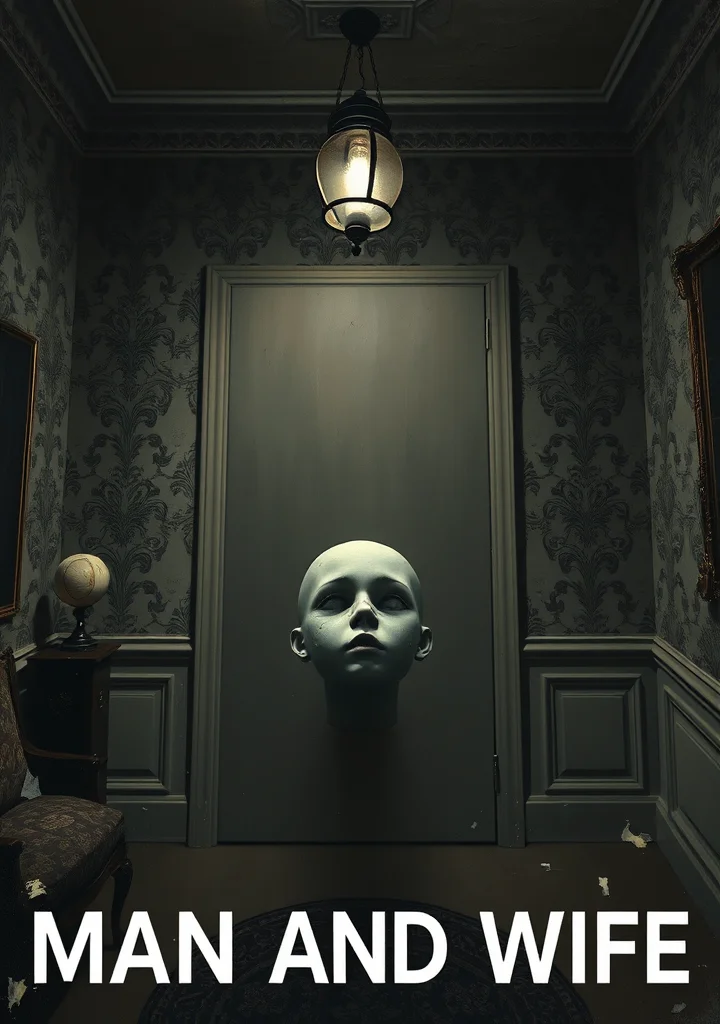
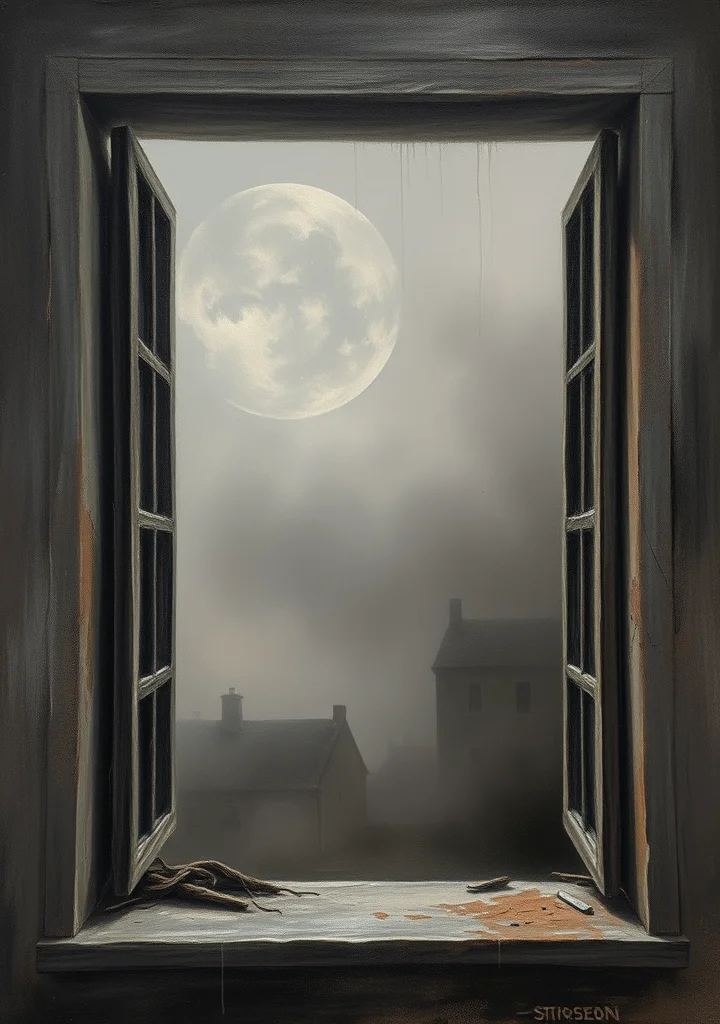
A creeping dread clings to the shadowed corners of this narrative, a slow unraveling of domestic claustrophobia where marital bliss curdles into something venomous and subtly terrifying. The story unfolds not in grand, haunted castles, but within the suffocating respectability of Victorian parlors and meticulously ordered homes. It’s a world painted in shades of gray – the gray of London fog, the gray of suppressed emotions, the gray of a husband meticulously observing his wife’s every breath. A palpable tension builds, not from spectral apparitions, but from the insidious erosion of trust, fueled by a man’s obsessive control disguised as devotion. Every glance, every shared meal, every moment of intimacy is laced with the chilling possibility of deception. The atmosphere is one of stifled hysteria, a suffocating politeness masking a rot beneath the surface. The reader is drawn into a vortex of suspicion, forced to inhabit the fractured psyche of a woman trapped within a gilded cage, her sanity fraying under the weight of her husband’s unwavering scrutiny. It’s a gothic portrait of marital possession, where the boundaries of love and madness blur, and the true horror lies not in what is seen, but in what is meticulously *not* revealed. The oppressive weight of secrets hangs heavy, promising a descent into a darkness born not of supernatural forces, but of the chilling depths of the human heart.
Copyright: Public Domain
This license allows anyone to use your story for any purpose, including printing, selling, or adapting it into a film freely.
Chapter List

104

Recommended for you
169 Part
The air hangs thick with woodsmoke and the scent of damp earth, a perpetual twilight clinging to the fringes of England’s last wild spaces. Lavengro unfolds not as a story *told*, but as a half-remembered dream wrestled from the mire of memory, a descent into the shadowed world of the Romani. It breathes with the rhythm of the road, the crackle of fires under star-strewn skies, the rasp of rough-spun cloth against skin. This is a narrative of stolen moments—a boy adrift, caught between the respectable world and the brutal, beautiful lawlessness of the tinklers and gypsies. But the pull of the wild blood, the lure of a life lived outside the gaze of judgement, is more than mere escape. It’s a reckoning with a past steeped in violence, betrayal, and the haunting echoes of familial curses. The prose itself mimics the landscape – thorny, overgrown, and obscuring as much as it reveals. There’s a pervasive sense of dread, not from specters or ghouls, but from the cold, calculated cruelty of men driven to desperation. The characters are ghosts within their own lives, haunted by debts, grudges, and the insatiable hunger for freedom. Lavengro isn’t simply *about* the road; it *is* the road – a twisting, treacherous path leading toward an oblivion of the spirit, where the boundaries between hunter and hunted blur until only the desperate, gasping heartbeat remains. It smells of horses, of iron, of the coming storm, and the quiet resignation of those who have already lost everything.
32 Part
The salt-laced wind howls through skeletal chaparral, mirroring the desperation clawing at the throats of men adrift in a California bleached bone-white by sun and regret. Edison Marshall doesn’t offer cowboys or gunfights, but a creeping dread born of isolation, of land that swallows men whole and spits out their ghosts to wander the canyons. Here, the ranchers—the “shepherds”—are less masters of cattle than wardens of a crumbling dominion, haunted by the specter of Spanish conquest and the whispers of native spirits driven to madness. Dust devils dance with the memories of slaughtered herds, the phantom cries of women lost to the desert’s embrace. The narrative unfolds as a slow bleed of violence, not from quick draws but from the rot within families fractured by ambition and thirst. Every cracked adobe wall breathes with the weight of inherited sins, every shadow cast by a Joshua tree seems to lengthen into the shape of a noose. The land itself is a character—a vast, indifferent god demanding sacrifice. The men who cling to it, driven by a desperate need to build something lasting from dust and decay, are shadowed by the realization that they are building their tombs, not empires. This isn't a tale of the West won, but of the West *consuming*, leaving only hollowed men and the bleached bones of a kingdom built on sand. The air is thick with the scent of sage and the metallic tang of blood, both old and freshly spilled, clinging to the canyons like a shroud.
48 Part
A creeping dread clings to Blackwood Manor, a crumbling edifice swallowed by perpetual twilight. Within its shadowed halls, a spectral visitor arrives with the final chime of midnight, unseen, unheard by all save the brittle, aging matriarch, Eleanor. She alone claims to converse with this phantom—a gentleman draped in mourning silks, his face obscured by shadow, his voice a whisper of frost against ancient stone. Is he a lover returned from beyond the grave, a guardian spirit, or something far more sinister drawn to Blackwood’s decaying heart? Each night, Eleanor’s sanity frays further with his chilling visits, fueled by absinthe and the scent of decay. The manor’s portraits seem to watch with hollow eyes, the very timbers groan in protest as the guest’s influence bleeds into the living world. Dust motes dance in the moonlight, revealing fleeting glimpses of his form—a hand reaching for a forgotten locket, a glimpse of a smile that promises oblivion. A suffocating stillness descends with his presence, silencing the house's long-held secrets. The air thickens with the scent of lilies and regret, a suffocating perfume that clings to every surface. He demands not gold or jewels, but memories—fragments of Blackwood’s past, offered up like bloodied roses to appease a hunger that threatens to consume Eleanor, and ultimately, the manor itself. His midnight calls are not invitations to comfort, but a slow, deliberate unraveling of a family's history, woven into a tapestry of grief and shadowed obsession.

14 Part
A chill, damp fog clings to the meticulously manicured grounds of a decaying manor, mirroring the insidious rot at the heart of the investigation. Lord Peter Wimsey doesn’t merely solve a murder; he excavates a grief-stricken past, each clue unearthed slick with the residue of unspoken desires and stifled resentments. The victim, a man of rigid habits and cold precision, is found posed with a perverse artistry amidst rose bushes gone wild—a tableau of fractured elegance. The estate itself breathes with a suffocating air of familial decay. Long corridors whisper with the echoes of past grievances, portraits watch with hollow eyes, and shadows dance with the weight of generations trapped within their ancestral home. Every object, from tarnished silver to wilted blooms, feels burdened by secrets. Wimsey’s pursuit is not a swift unraveling, but a slow descent into a labyrinth of suppressed longing and bitter rivalries. The suspects are cloaked in a brittle politeness masking a simmering contempt, each conversation a carefully constructed performance in a drawing room haunted by the ghosts of expectations. The scent of fading grandeur, of lives lived within suffocating constraints, pervades every room—a suffocating perfume of regret and the lingering scent of something unspeakably cold. The truth, when it finally surfaces, is less a revelation than an exhumation, leaving a residue of ash and the unsettling weight of a fractured, aristocratic heart.
5 Part
Dust motes dance in the echoing halls of Vathek, a gilded cage of decadence built upon the bones of ambition. The story unfurls not as a simple journey, but as a slow, suffocating descent into a nightmare of Eastern opulence and ancient, malevolent power. Beckoff’s prose breathes with the stifling perfume of jasmine and decay, weaving a tapestry of shadows where the line between reality and hallucination dissolves. The desert stretches, a silent, sun-bleached witness to Vathek’s relentless pursuit of forbidden knowledge. Each chamber encountered within his vast domain whispers of forgotten sorceries, echoing with the lament of djinn and the cold touch of spectral guardians. A creeping dread permeates the narrative, not from overt horror, but from a subtle erosion of sanity as Vathek, driven by hubris, unravels the very fabric of his existence. The atmosphere is one of exquisite torment, a claustrophobic grandeur where pleasure curdles into despair. It is a story steeped in the scent of burning incense and the weight of ancestral curses, where every indulgence draws Vathek closer to a chasm of cosmic indifference. The narrative chills with the realization that the true terrors lie not in the supernatural, but in the monstrous potential within the human heart, consumed by its own insatiable desires. It is a descent into a darkness not of demons, but of the self, mirrored in the endless, desolate landscapes that mirror the fracturing of a soul.